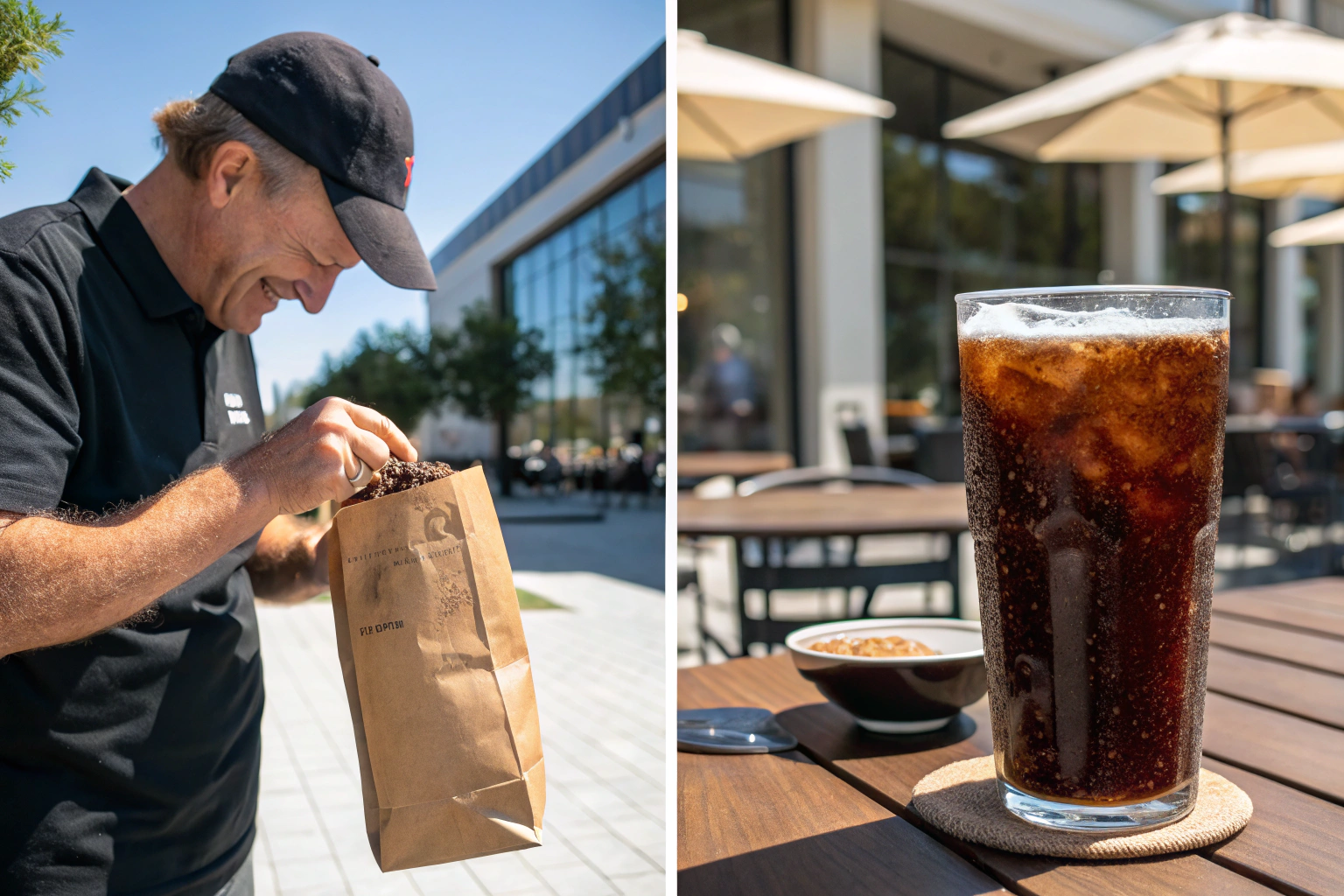
Are you a buyer like Ron, always on the lookout for the next big thing in coffee? You've seen the explosion in popularity of cold brew, and you know your customers are demanding that smooth, low-acid, and naturally sweet flavor profile. The problem is, the beans you're currently using for your hot brews don't always translate well to a cold brew application. You're worried about sourcing beans that might turn out thin, sour, or just plain boring after a 12-hour steep. You need a reliable, cost-effective bean that is perfect for cold brew, but you're not sure where to look.
So, are Chinese coffee beans suitable for cold brew? Absolutely. In fact, many Yunnan coffees are exceptionally well-suited for cold brew because they naturally possess the exact flavor profiles that shine in this brewing method: low acidity, a full body, and prominent notes of chocolate, nuts, and caramel. The slow, cold extraction process of cold brewing is perfect for pulling out these deep, sweet flavors while leaving behind the sharper, more acidic compounds that can be unpleasant in a cold coffee.
As the owner of over 10,000 acres of coffee plantations in the mountains of Baoshan, Yunnan, I've seen the unique character of our beans firsthand. We're not just another coffee origin; we're producing beans that seem tailor-made for the modern coffee drinker's palate. In this article, I'll explain exactly why the profile of our Yunnan beans makes them a secret weapon for crafting exceptional cold brew, and how you can leverage them to create a product your customers will love.
What Makes a Coffee Bean Good for Cold Brew?
You've probably noticed that not all coffees make a great glass of cold brew. Some turn out weak and acidic, while others are just bland. You're trying to create that signature smooth, rich, and almost chocolatey experience that defines a premium cold brew, but it feels like a guessing game. The problem is that the very characteristics that make a coffee exciting as a hot pour-over—like bright, sparkling acidity—can be undesirable in a cold brew. You're worried about investing in a large batch of beans only to find they don't work, wasting both time and money.
The ideal bean for cold brew generally has a specific set of characteristics. You're looking for beans with low natural acidity, a heavy body, and a flavor profile dominated by deep, foundational notes like chocolate, nuts, and brown sugar. The cold brew process, which uses time instead of heat for extraction, is less efficient at pulling out the bright, fruity acids from a coffee bean. However, it is exceptionally good at extracting the compounds that create sweetness and a rich, smooth mouthfeel.
This is why medium to dark roast profiles are often preferred for cold brew. The roasting process develops the sugars and creates those classic roasty, chocolaty notes, while also further reducing the bean's acidity. When you start with a bean that already has a naturally low-acid and full-bodied profile—a hallmark of many coffees from our Yunnan region—you have a significant head start. You're not fighting against the bean's nature; you're leaning into its strengths to create a cold brew that is inherently smooth, sweet, and incredibly satisfying.
Why is low acidity so important for cold brew?
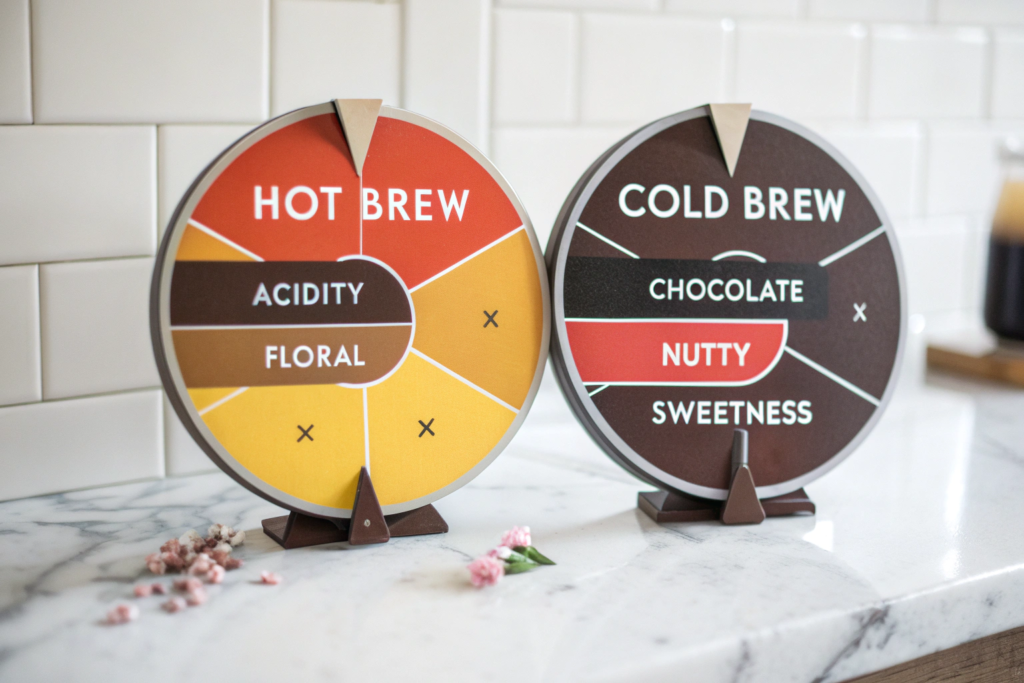
Low acidity is crucial because our palates perceive acidity differently at cold temperatures. What tastes like a pleasant, bright "zing" in a hot coffee can taste unpleasantly sour when cold. Cold brewing naturally extracts up to 67% less acid than hot brewing, which is why it's known for being smoother and easier on the stomach. By starting with a bean that is already low in acid, you ensure the final product is exceptionally smooth, without any distracting sourness. This is a key factor in creating a top-tier cold brew concentrate.
What does "body" or "mouthfeel" mean in coffee?
"Body" or "mouthfeel" refers to the texture and weight of the coffee on your tongue. Is it thin and watery, or is it rich, creamy, and viscous? For cold brew, a heavier body is highly desirable as it contributes to a richer, more luxurious drinking experience. The body is created by oils and insoluble fibers in the coffee. Beans known for their full body, like many from our Shanghai Fumao plantations, produce a cold brew that feels substantial and satisfying, rather than thin or tea-like.
Why Are Yunnan Beans a Perfect Match?
So, you're looking for a low-acid, full-bodied bean with chocolaty notes. You might immediately think of traditional origins like Brazil or Sumatra. But you're also a savvy buyer like Ron, always looking for quality, value, and a unique story. The problem is that everyone else is using those same beans. You want to offer something that is both excellent and distinctive. You're worried about getting lost in a crowded market.
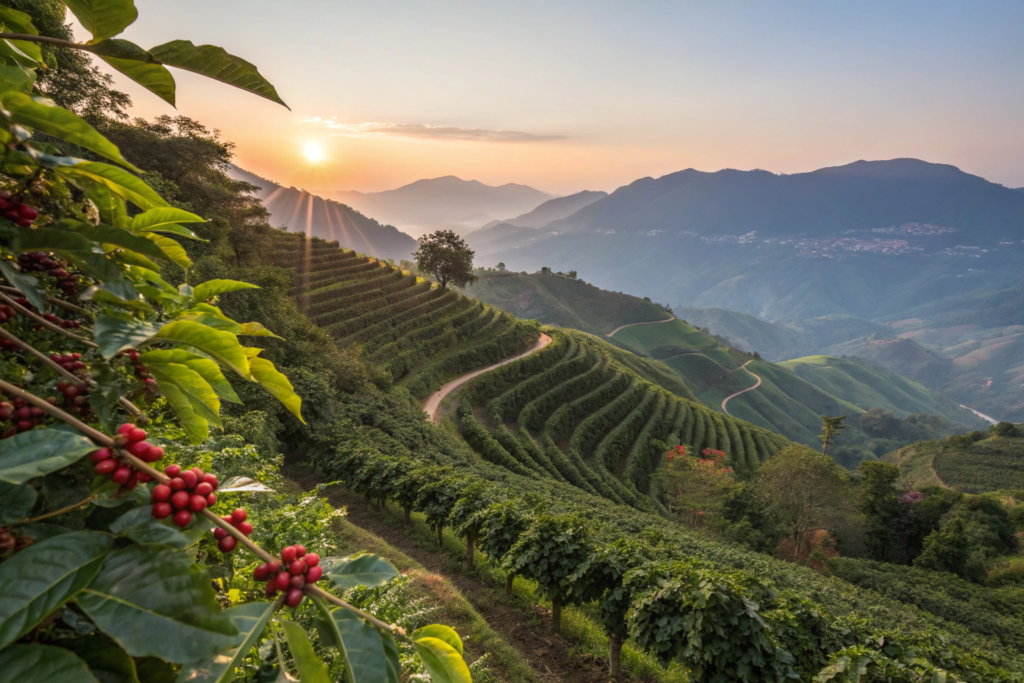
This is where Yunnan coffee enters the picture as a powerful alternative. Our Yunnan beans, particularly the Catimor and Typica varietals grown in the Baoshan region, naturally exhibit a flavor profile that is a perfect match for cold brew. They are celebrated for their balanced sweetness, full body, and classic tasting notes of dark chocolate, almond, and a hint of brown sugar. The unique terroir of Yunnan—with its high altitudes and rich soil—produces a bean that is inherently smooth and low in acidity.
When you use our Yunnan beans for cold brew, you're not just getting a great taste; you're getting a great story. You're sourcing from a region that is rapidly emerging as a powerhouse in specialty coffee. At my company, Shanghai Fumao, we are at the forefront of this movement, combining generations of farming knowledge with modern processing techniques. The result is a coffee that is consistent, reliable, and has a unique character you won't find anywhere else. It allows you to create a premium cold brew that is both delicious and differentiated in the marketplace.
What are the typical flavor notes of Yunnan coffee?
While it varies by specific farm and processing method, the classic flavor profile for washed Yunnan coffee is often described as having a sweet, balanced cup with notes of dark chocolate, roasted nuts (like almond or walnut), and a pleasant, lingering caramel or brown sugar finish. This profile is incredibly versatile but is especially well-suited for brewing methods that highlight sweetness and body, making it a fantastic choice for both cold brew and espresso. You can learn more about the region's flavor profiles from organizations that track coffee origins.
Is Yunnan coffee good for blends?
Yes, Yunnan coffee is an excellent component for blends. Its balanced, classic flavor profile and heavy body make it a fantastic base. It can add depth, sweetness, and a rich mouthfeel to a blend without overpowering the more delicate notes of other coffees. Many roasters use our Yunnan beans as the "backbone" of their cold brew or espresso blends to ensure a consistent, crowd-pleasing foundation, and then add a smaller percentage of a fruitier coffee to create a more complex flavor profile. This approach offers a great balance of cost and quality.
How Should You Roast and Brew Chinese Beans for Cold Brew?
You've sourced some fantastic Yunnan beans, and you're excited about their potential. But now comes the execution. You know that even the best beans can be ruined by the wrong roast or brew recipe. You're worried about the details. Should you roast them dark? What's the right grind size? How long should you steep them? Getting these variables wrong could mean the difference between a phenomenal cold brew and a mediocre one.
For cold brew, you generally want to take the roast a little further than you would for a pour-over. A medium to medium-dark roast is often the sweet spot for our Yunnan beans. This level of roast develops the sugars into deep caramel and chocolate notes and further mellows out any remaining acidity, creating that classic smooth, rich cold brew flavor. Avoid roasting too dark, as you might introduce bitter or burnt flavors that can be unpleasant.
When it comes to brewing, the process is simple but requires patience.
- Grind Coarsely: Use a coarse grind, similar to the consistency of rough sea salt. A fine grind will over-extract and make the filtering process a nightmare.
- Use a 1:8 Ratio: A good starting point for a strong cold brew concentrate is a 1:8 ratio of coffee to water by weight. For example, use 100 grams of coffee for 800 grams of cold, filtered water.
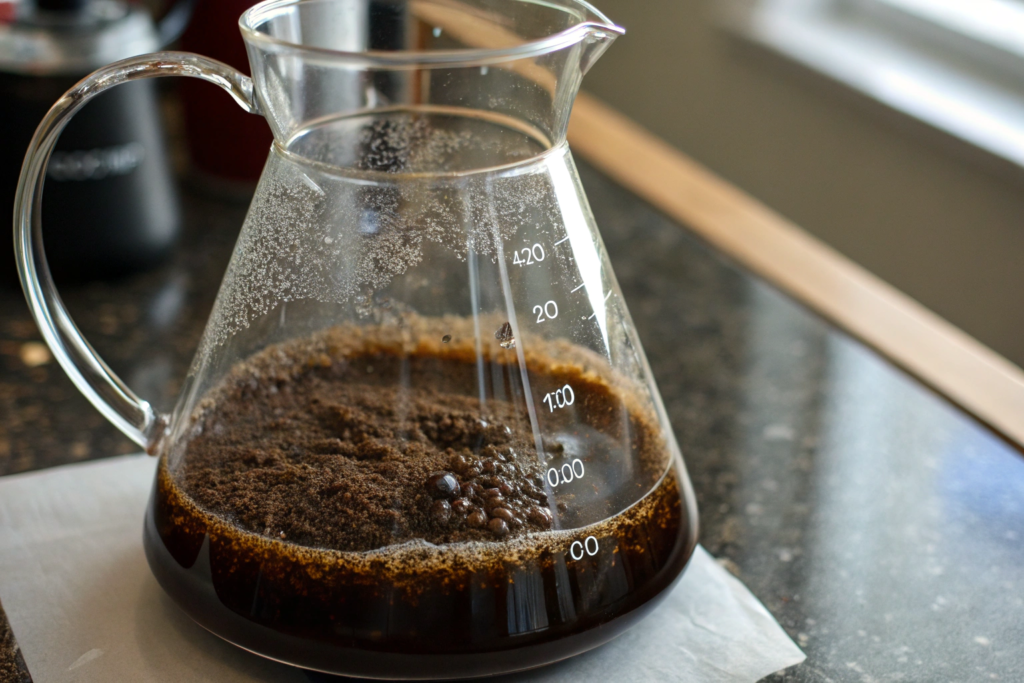
- Steep for 12-18 Hours: Combine the coffee and water in a jar or brewing vessel. Let it steep at room temperature for 12 to 18 hours.
- Filter Slowly: After steeping, filter the concentrate through a fine-mesh sieve, cheesecloth, or a dedicated cold brew filter system. Don't force or squeeze it, as this can introduce sediment and bitterness. This concentrate can then be diluted with water or milk to your desired strength.
Can I use a light roast for cold brew?
You can, but the results will be very different. A light roast will produce a cold brew that is higher in acidity, lighter in body, and has more of the delicate, fruity, or floral origin notes. Some people enjoy this style, referring to it as a "Japanese-style" iced coffee. However, it does not produce the classic, rich, and chocolatey flavor profile that most consumers associate with cold brew. If you're aiming for that traditional smooth taste, a medium or medium-dark roast is the better choice.
How long does cold brew concentrate last?
Once you've filtered your concentrate, it should be stored in a sealed container in the refrigerator. It will stay fresh and delicious for up to two weeks. The flavor will be at its peak in the first week and may start to degrade slightly after that, but it will still be perfectly drinkable. This long shelf life is another major advantage for both home brewers and cafes.
Where Can You Source the Best Yunnan Beans for Cold Brew?
You're sold on the idea. Yunnan coffee sounds like the perfect solution for your cold brew needs. But you're a discerning buyer. You need to ensure you're getting consistent, high-quality beans from a reliable source. The problem with a newly emerging region is that it can be hard to know who to trust. You're worried about inconsistent quality, communication issues, or logistical problems when dealing with a new supplier.
The surest way to get the best beans is to partner directly with the source. You need a supplier who isn't just a middleman but is deeply involved in the cultivation, harvesting, and processing of the coffee. This is the only way to guarantee transparency and consistency. A vertically integrated partner can provide you with detailed information about the specific lot you're buying and ensure that the quality you approve in a sample is the quality you receive in your final shipment.
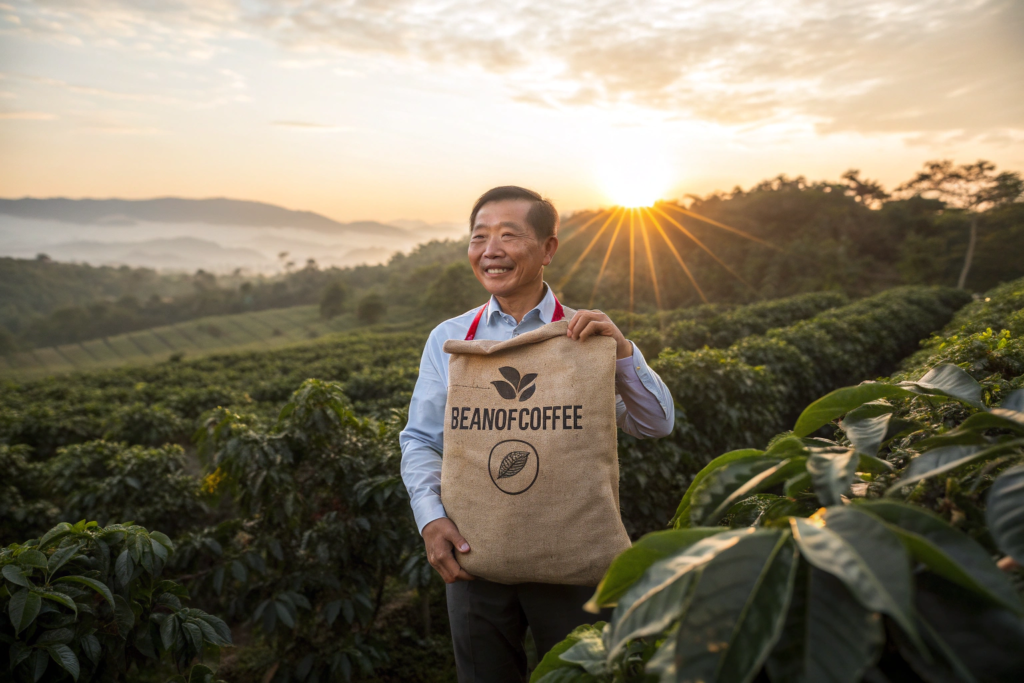
This is the core of our philosophy at Shanghai Fumao. We are not just exporters; we are the farmers. We have complete control over the entire process, from the cherry on the tree to the beans being packed for their journey to you. This allows us to maintain an unwavering standard of quality. We can provide you with our exceptional Catimor and Arabica beans that are perfect for crafting a world-class cold brew. Building a direct relationship with us means you're not just buying coffee; you're securing a stable, transparent, and high-quality supply chain.
What certifications should I look for?
While certifications can be a useful indicator, they don't always tell the whole story about quality. However, asking a supplier if they adhere to standards like those set by the Specialty Coffee Association (SCA) for grading and defect counts can be a good benchmark. More important is their ability to provide lot-specific data, pre-shipment samples, and clear communication about their farming and processing practices.
How do I start the conversation with a new supplier?
Starting the conversation is simple. Reach out and express your interest clearly. Tell them what you're looking for—in this case, beans suitable for a classic cold brew profile. Ask for information about their available lots, flavor profiles, and pricing. A professional and trustworthy supplier will be happy to answer your questions, provide samples, and guide you through the process. The goal is to find a partner who is as invested in your success as you are.
Conclusion
So, are Chinese coffee beans the right choice for your cold brew? The answer is a resounding yes. The naturally low acidity, full body, and rich notes of chocolate and nuts found in our Yunnan beans make them an ideal foundation for creating a smooth, sweet, and incredibly satisfying cold brew. They offer a unique combination of a crowd-pleasing flavor profile, excellent value, and a compelling origin story that can set your product apart.
By choosing the right beans, applying a medium to medium-dark roast, and following a simple, patient brewing process, you can move beyond the guesswork and consistently produce a premium cold brew. The key is to start with a bean that is naturally inclined to shine in a cold application. And the most reliable way to do that is to build a direct, transparent relationship with the people who grow it.
If you're ready to discover the cold brew potential of Yunnan's finest coffee, I invite you to connect with us. At BeanofCoffee, we are proud to be both the growers and the exporters of our premium Arabica and Catimor beans. We can help you build a stable and transparent supply chain. Please feel free to reach out to my colleague, Cathy Cai, at cathy@beanofcoffee.com to request a sample and start a conversation.