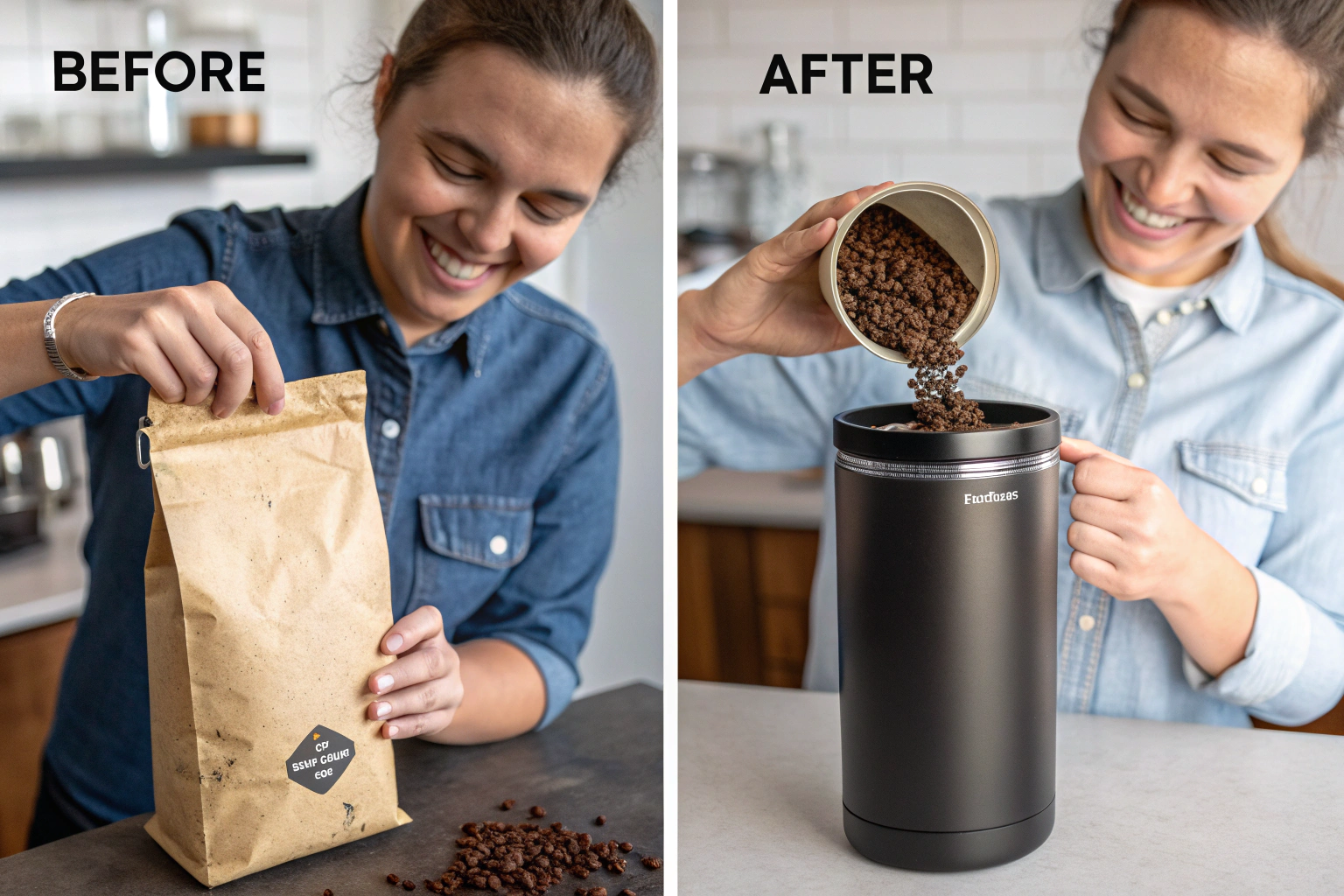
You've just opened a fresh bag of premium coffee, maybe even one of our single-origins from Yunnan. The aroma is incredible. You brew your first cup, and it's perfect. But now you're left with an open bag and most of the beans still inside. You're like my client, Ron; you're practical and hate waste. You think, "This bag was designed for coffee, so it must be good for storing it, right?" But a nagging doubt creeps in. You're worried that by reusing the original bag, you might be unknowingly ruining the flavor of the very coffee you're trying to preserve.
Let's address this common dilemma head-on. While you can technically reuse the original coffee bag for short-term storage, it is almost never the best way to preserve freshness, especially after it has been opened. The original packaging is designed for a one-way journey from the roaster to you. Once that seal is broken, its protective capabilities are significantly compromised.
As someone who dedicates their life to cultivating quality coffee at our Shanghai Fumao estate, I want every single bean to be enjoyed at its peak. The final storage step at your home or cafe is a critical link in that quality chain. In this article, I'll explain why most coffee bags fall short for reuse and what you should be doing instead to truly protect your coffee's flavor.
Why Do Most Coffee Bags Fail After Opening?
To understand why reusing a bag is problematic, you need to understand its original design. That bag your coffee came in is a sophisticated piece of technology. It's designed to do two things: let CO2 out and keep oxygen out. But this functionality is at its peak only when the bag is factory-sealed.
The primary reason most bags fail after opening is the inadequacy of the resealing mechanism. That little zip-lock or tin-tie is a feature of convenience, not a guarantee of an airtight seal. Every time you open and close it, the seal becomes a little less perfect. Tiny, microscopic channels can let in coffee's number one enemy: oxygen. Oxygen immediately begins to attack the delicate aromatic oils in the coffee through a process called oxidation, making the beans taste stale and flat.
Furthermore, many bags are not fully opaque or are handled in ways that create tiny pinholes or cracks in the foil lining, letting in light and more oxygen. The bag that was a fortress when you bought it becomes a compromised shelter the moment you tear it open.
What is the Purpose of the One-Way Valve?
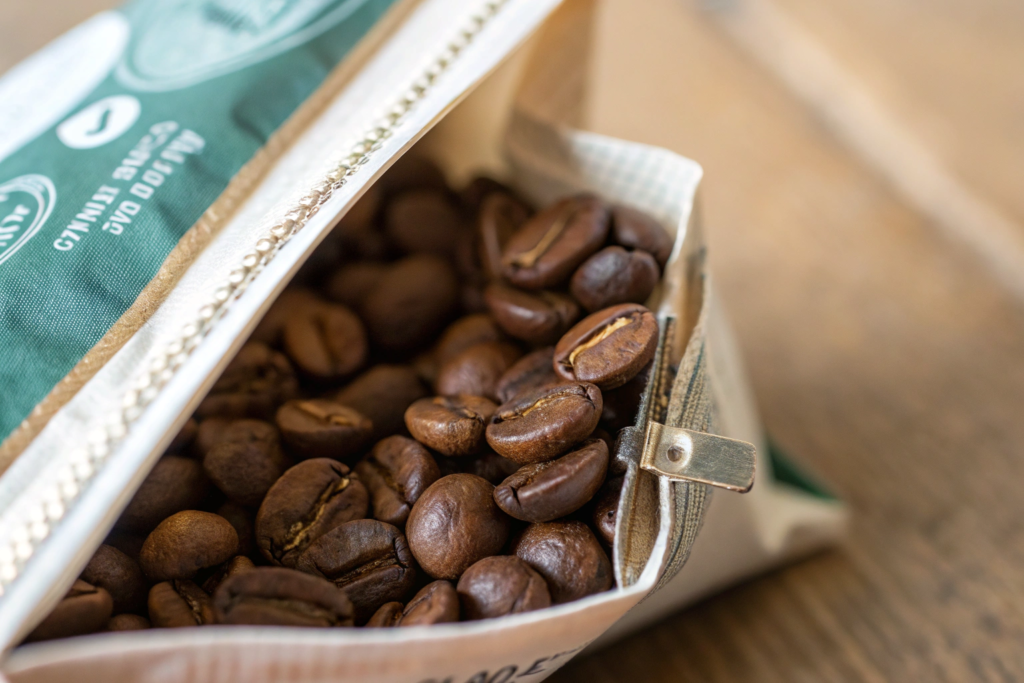
That little plastic circle on your coffee bag is a one-way degassing valve. Freshly roasted coffee releases a significant amount of carbon dioxide (CO2) for several days after roasting. This valve allows that CO2 to escape without letting oxygen in. It's crucial for packaging fresh coffee, but its role in long-term storage after the bag is opened is minimal compared to the importance of an airtight seal.
Are All Resealable Bags the Same?
No, but most suffer from the same fundamental flaw. While some high-end bags have better-quality zip-locks, they are all prone to wear and tear. Coffee grounds can get stuck in the tracks, preventing a proper seal. The simple act of rolling the bag down and clipping it is even worse, creating numerous folds and channels for air to enter.
What Are the Enemies of Coffee Freshness?
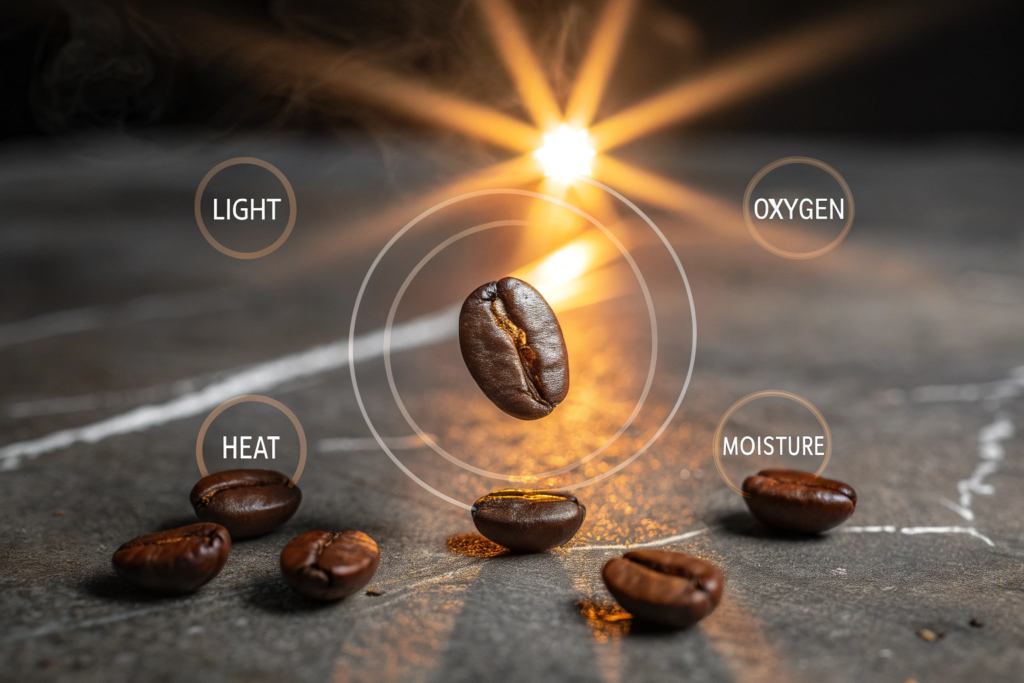
To choose the right storage container, you need to know what you're fighting against. Storing coffee isn't just about putting it in a box; it's about protecting it from its natural enemies. There are four primary factors that will rapidly degrade the quality of your roasted coffee.
- Oxygen: As we've discussed, oxygen is the main culprit. It causes oxidative degradation, which makes coffee taste stale and rancid. An airtight seal is your primary weapon.
- Light: Direct sunlight and even strong indoor lighting contain UV rays that can break down the fragile flavor compounds in coffee. This is why you should never store coffee in a clear glass jar.
- Heat: Heat acts as a catalyst, speeding up the chemical reactions of staling. Storing coffee near a stove, on top of a refrigerator, or in a sunny spot is a recipe for flavor loss.
- Moisture: Coffee is hygroscopic, meaning it absorbs moisture from the air. This moisture can dissolve soluble flavors and, in a worst-case scenario, lead to mold.
The original coffee bag, once opened, offers a compromised defense against oxygen and is often not fully opaque. It does little to protect against heat and can't defend against ambient moisture if the seal is poor.
How Quickly Does Coffee Go Stale?
Once exposed to air, the staling process begins immediately. You'll notice a significant drop-off in the vibrant, aromatic qualities of whole bean coffee within 2-3 weeks. For pre-ground coffee, the process is much faster, with noticeable staling occurring in a matter of days due to the massively increased surface area exposed to oxygen.
Is the Smell a Good Indicator of Freshness?
Partially. A strong, beautiful aroma is a sign of fresh coffee. However, those aromas are created by volatile compounds escaping the bean. If you can smell your coffee from across the room while it's in its container, it's a sign that your container isn't airtight and the flavor is literally evaporating into the air.
What is the Best Alternative for Storing Coffee?
So, if the original bag isn't the best choice, what is? You need a solution that provides an uncompromising defense against all four enemies of freshness. You need a dedicated home for your coffee.
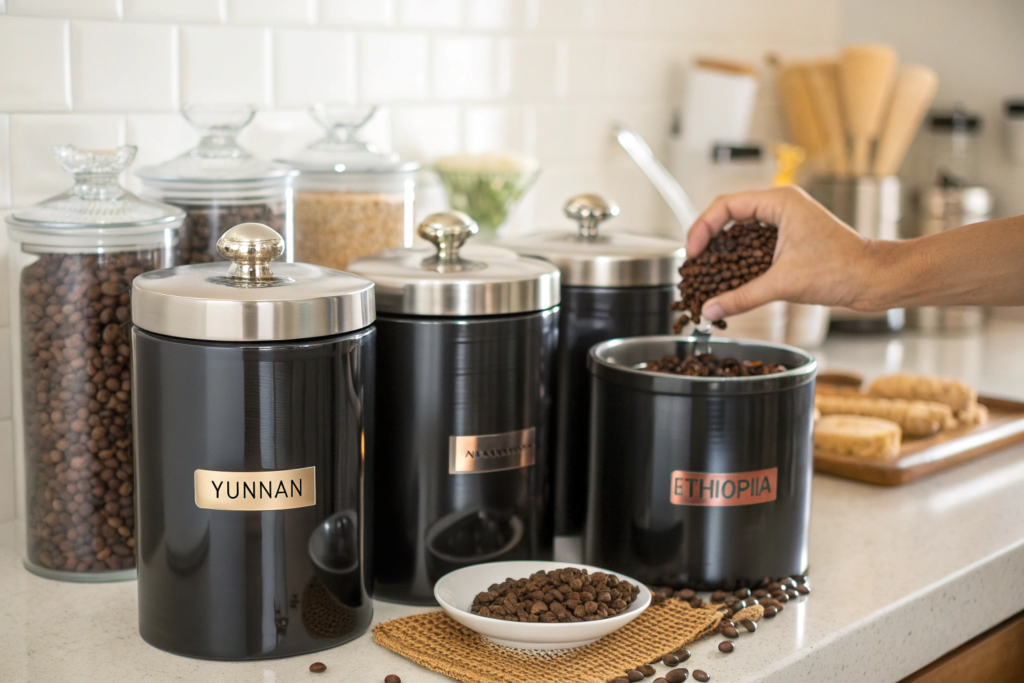
The best way to store coffee for daily or weekly use is in a dedicated, opaque, airtight coffee canister. This is the gold standard. An "opaque" container blocks out harmful light. An "airtight" seal prevents destructive oxygen from getting in. Storing this canister in a cool, dark place like a pantry or cupboard takes care of heat and ambient moisture.
There are many excellent canisters on the market, from simple stainless steel models with a clamping lid to more advanced versions with features that actively pump air out to create a partial vacuum. While these advanced features are great, a simple, truly airtight seal is the most important feature. This investment in a proper storage container is one of the single best things you can do to improve the quality of your daily brew.
What Material is Best for a Canister?
Materials like stainless steel, ceramic, or non-reactive plastics are all excellent choices. The key is that they are inert (they don't impart any flavor to the coffee) and opaque. Avoid clear glass or cheap, reactive plastics. You can find great options reviewed on sites like Wirecutter.
Should I Store Beans in the Refrigerator or Freezer?
For daily use, no. The refrigerator is a high-humidity environment full of odors, and taking beans in and out creates damaging condensation. The freezer is a tool for long-term, deep storage only, and it requires a very specific, non-reusable process involving vacuum sealing. For the coffee you plan to drink over the next few weeks, a canister in a cupboard is the superior method.
When is it "Okay" to Reuse the Original Bag?
Let's be practical. Are there any situations where reusing the bag is acceptable? You're not always at home with your perfect canister setup. Sometimes, convenience has to be a factor.
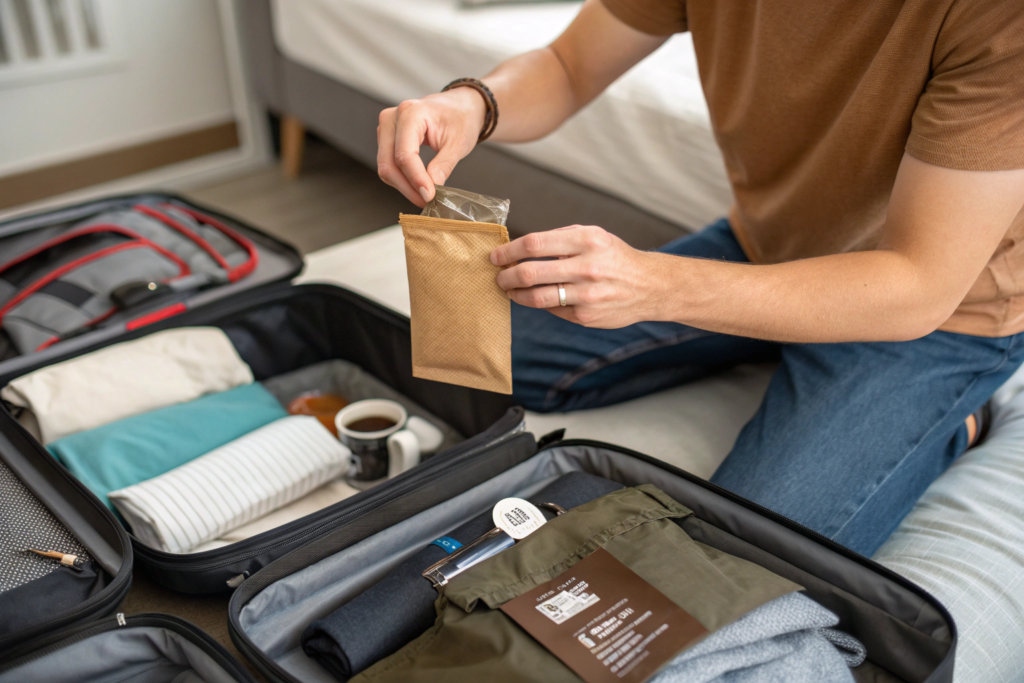
Reusing the original bag is acceptable for very short-term, temporary storage, especially when traveling. If you are taking coffee on a weekend trip or bringing a bag to the office to use over a few days, the original packaging is perfectly fine. In these scenarios, the convenience and portability of the bag outweigh the minor flavor loss that will occur over a 2-3 day period.
The key is to manage your expectations. Understand that it is a temporary, compromised solution. To make the best of it, try to squeeze as much air out of the bag as possible before resealing it, roll the top down tightly, and use a sturdy clip. Keep it out of the light and away from heat. But as soon as you get home, transfer any remaining beans to your airtight canister.
How Long is "Short-Term"?
Think in terms of days, not weeks. If you plan to finish the coffee within 3-5 days of opening the bag, you likely won't notice a dramatic drop in quality. Beyond a week, the staling caused by an imperfect seal will become much more apparent to a discerning palate.
What if I Buy Pre-Ground Coffee?
If you buy pre-ground coffee, the freshness clock is ticking much faster. The need for a truly airtight container is even more critical. Reusing the original bag for pre-ground coffee is highly discouraged, as the vast surface area of the grounds will stale incredibly quickly with even minimal oxygen exposure.
Conclusion
While the bag your coffee came in was a marvel of technology for its journey to you, its job is largely done once you break that initial seal. Reusing it is a compromise—a trade-off between convenience and quality. For the best possible flavor, day in and day out, the evidence is clear: the original bag cannot compete with a dedicated, opaque, airtight canister.
Investing in a proper storage container is an act of respect for the coffee and for the entire journey it has taken—from the farmer who cultivated it, to the roaster who perfected it, to you. It ensures that the last cup from the bag is just as vibrant and delicious as the first.
At Shanghai Fumao, we pour our passion into every bean we grow. We want you to experience their full potential. By taking this final, simple step in proper storage, you honor that commitment and reward yourself with a better cup of coffee. If you have any more questions about preserving coffee's freshness, please feel free to reach out to my colleague, Cathy Cai, at cathy@beanofcoffee.com.