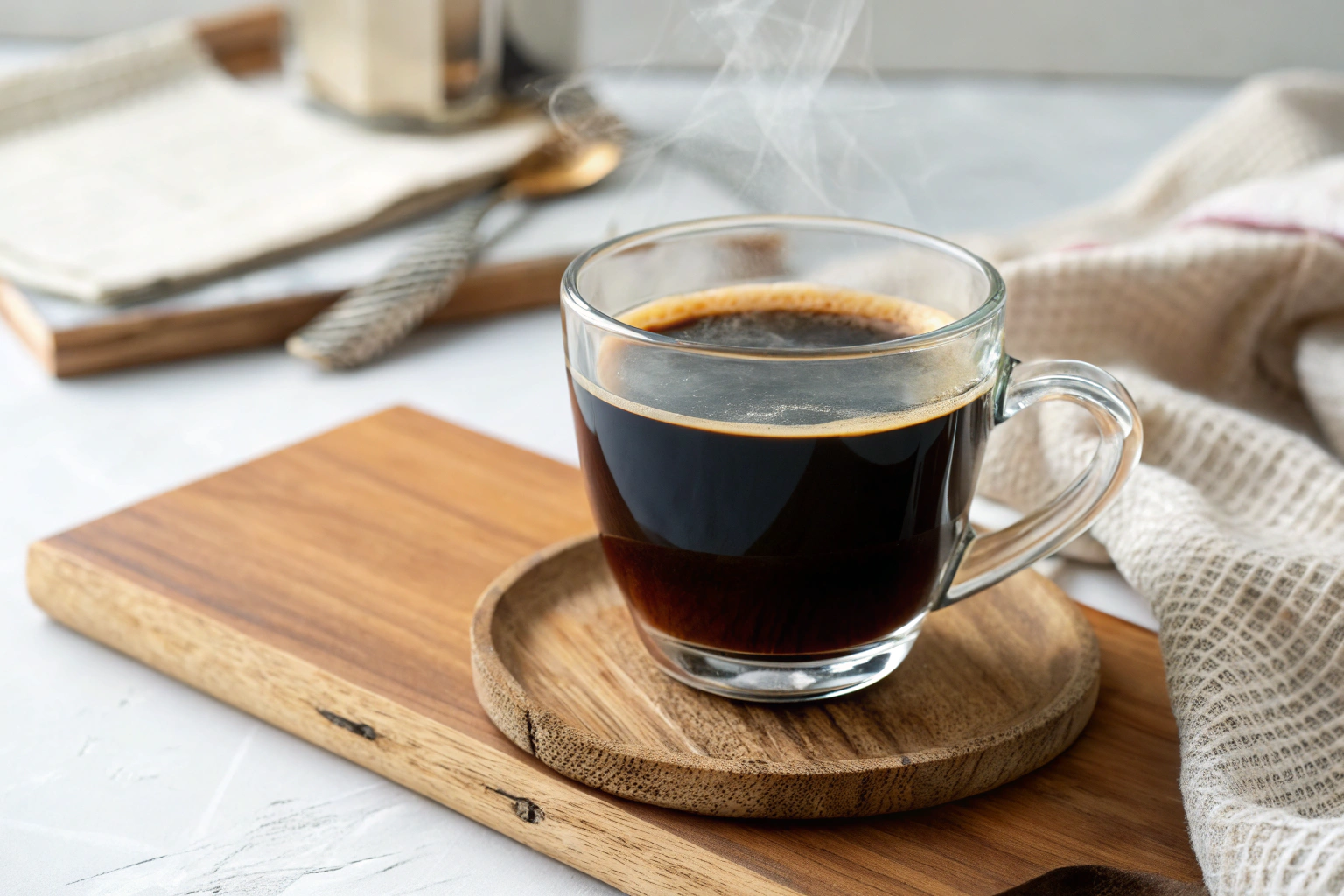
You stand in front of a cafe menu or a shelf of coffee bags, faced with a dozen choices. All you want is a great cup of black coffee—no milk, no sugar, just pure, delicious coffee flavor. But the options are overwhelming: Washed Ethiopian, Natural Brazilian, Single-Origin Yunnan... You're like my client, Ron; you're practical and you appreciate clarity. You're worried about making the wrong choice and ending up with a cup that's either aggressively bitter, unpleasantly sour, or just bland and boring.
Let's cut through the noise. The "best" beans for black coffee are those that have high-quality, clean, and complex flavors that are enjoyable on their own, without needing milk or sugar to mask imperfections. This typically points towards high-grown, meticulously processed Arabica beans, especially those that have been roasted to a light or medium level to preserve their delicate origin characteristics. As we've discussed before, defective beans can ruin your entire brew, so starting with high-quality beans is non-negotiable.
As a coffee grower on our 10,000-acre estate in Yunnan, my ultimate goal is to produce beans with such inherent quality that they shine brightest when served black. Adding anything else would be like painting over a masterpiece. In this article, I'll guide you through the key factors—processing, origin, and roast level—that create an exceptional black coffee experience, empowering you to choose your next bag with confidence.
Why is Processing Method So Important?
Before a bean is ever roasted, its flavor potential is profoundly shaped by how it was processed at the farm. You might see terms like "Washed" or "Natural" on a bag and wonder if it matters for your black coffee. It matters immensely, as the processing method is a key differentiator between, for example, washed and pulped natural coffees.
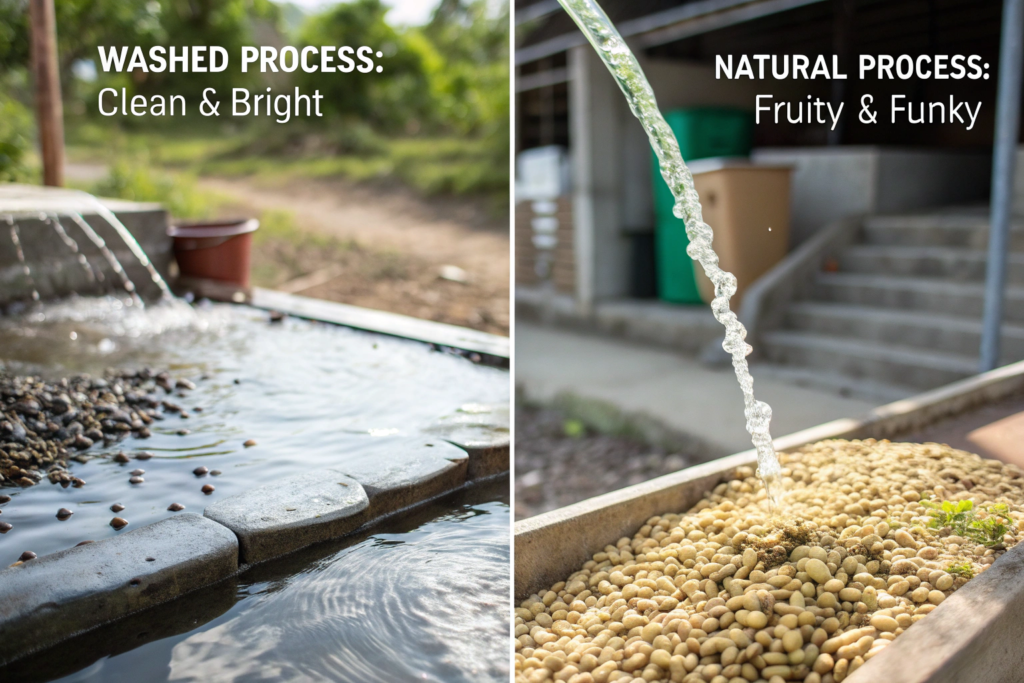
For a classic, clean, and crisp cup of black coffee, the Washed (or wet) process is often the top choice. In this method, all the fruit pulp is washed away from the bean before it is dried. This process minimizes the influence of the fruit and allows the bean's intrinsic flavors—its "terroir"—to shine through with exceptional clarity. The result is a coffee that is typically bright, acidic, clean, and has distinct floral or citrus notes. It's the definition of a refreshing and elegant black coffee, a profile celebrated by organizations like the Specialty Coffee Association (SCA).
On the other hand, if you prefer your black coffee to be fruity, sweet, and have a heavier body, look for beans from the Natural (or dry) process. Here, the bean is dried inside the entire coffee cherry. It absorbs sugars and fruit flavors from the pulp, resulting in a cup that can have powerful notes of blueberry, strawberry, and a wine-like complexity. It's a bolder, more adventurous choice for a black coffee drinker.
What About Honey or Pulped Natural Coffees?
These processes represent a middle ground. They involve removing the skin of the cherry but leaving some or all of the sticky mucilage on the bean during drying. They offer a beautiful balance, often combining the sweetness and body of a Natural with some of the clarity of a Washed coffee. They can make for a wonderfully sweet and balanced cup of black coffee, often with notes of stone fruit and honey. This method is a testament to the innovation happening at the farm level, a topic we're passionate about at Shanghai Fumao.
Which Process is "Best" for a Beginner Black Coffee Drinker?
For someone just starting to drink coffee black, a high-quality Washed coffee is often the most approachable. Its clean finish and lack of intense fermenty flavors can be an easier transition than a wild Natural process coffee. It showcases the clean side of coffee flavor without overwhelming the palate. Exploring different processes is a journey, much like learning how to identify past crop coffee beans visually to appreciate freshness.
How Does Origin Influence the Flavor Profile?
The place where coffee is grown has a massive impact on its taste. Just like wine, coffee has "terroir." You see country names on bags—Ethiopia, Colombia, Brazil, and increasingly, China—and each one offers a different classic profile for the black coffee drinker.
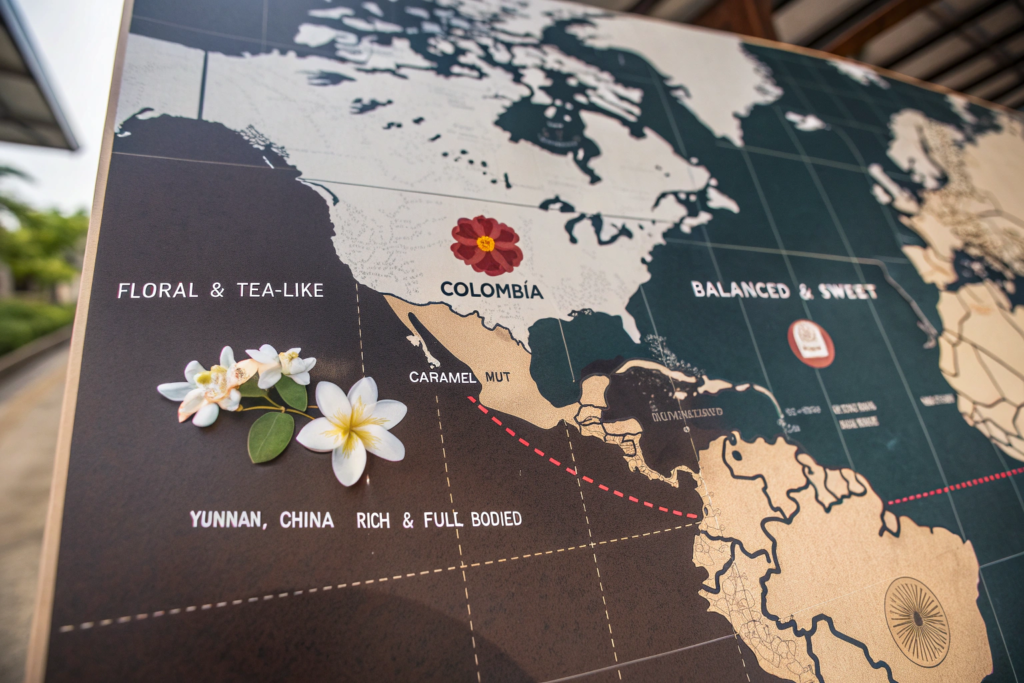
- Ethiopia: Often considered the birthplace of coffee, Ethiopian beans, particularly washed ones from regions like Yirgacheffe or Sidamo, are famous for their delicate, tea-like body and intensely floral and citrusy notes (jasmine, bergamot, lemon). They make for a dazzling and aromatic cup of black coffee.
- Kenya: Kenyan coffees are known for their powerful, bright, and complex acidity, often described as savory and wine-like, with bold notes of blackcurrant, tomato, and grapefruit. They are a vibrant and intense black coffee experience.
- Colombia: A classic choice, Colombian coffees are the definition of balance. They typically offer a medium body, mild acidity, and sweet, crowd-pleasing notes of caramel, nuts, and chocolate. A great "all-day" black coffee, often supported by organizations like the Federación Nacional de Cafeteros de Colombia.
- Yunnan, China: As a producer, I'm of course passionate about our region. Our high-altitude Arabica beans from Shanghai Fumao are gaining recognition for their rich body, gentle acidity, and deep, sweet notes of dark chocolate, black tea, and red cherry. Learning how to market single-origin Chinese coffee effectively is key to sharing these unique flavors with the world.
Choosing an origin is about choosing a flavor journey. Do you want bright and floral, or rich and chocolatey?
Are All Beans from One Country the Same?
No. Just as with wine, there are many regions, farms, and varietals within a single country. However, these descriptions represent the classic, well-known profiles that these origins are famous for. They are a great starting point for exploration, and diving deeper into a country's coffee production can be a fascinating hobby.
What About Robusta Beans?
While our plantation grows some Robusta alongside our primary Arabica crop, it is generally not the first choice for specialty black coffee. Robusta beans typically have a much bolder, stronger, and more bitter flavor, with rubbery or chocolatey notes. They are prized for their high caffeine content and are often used in traditional espresso blends, but high-quality Arabica is almost always preferred for nuanced, flavorful black coffee.
Why is Roast Level the Final, Crucial Decision?
You can have the best bean from the best origin, processed in the best way, but if the roast is wrong, it won't matter. The roaster is the final artist who decides which flavors to highlight, and understanding the impact of roasting speed on flavor is key to their craft. For black coffee, the roast level is a critical choice that you, the consumer, make at the point of purchase.
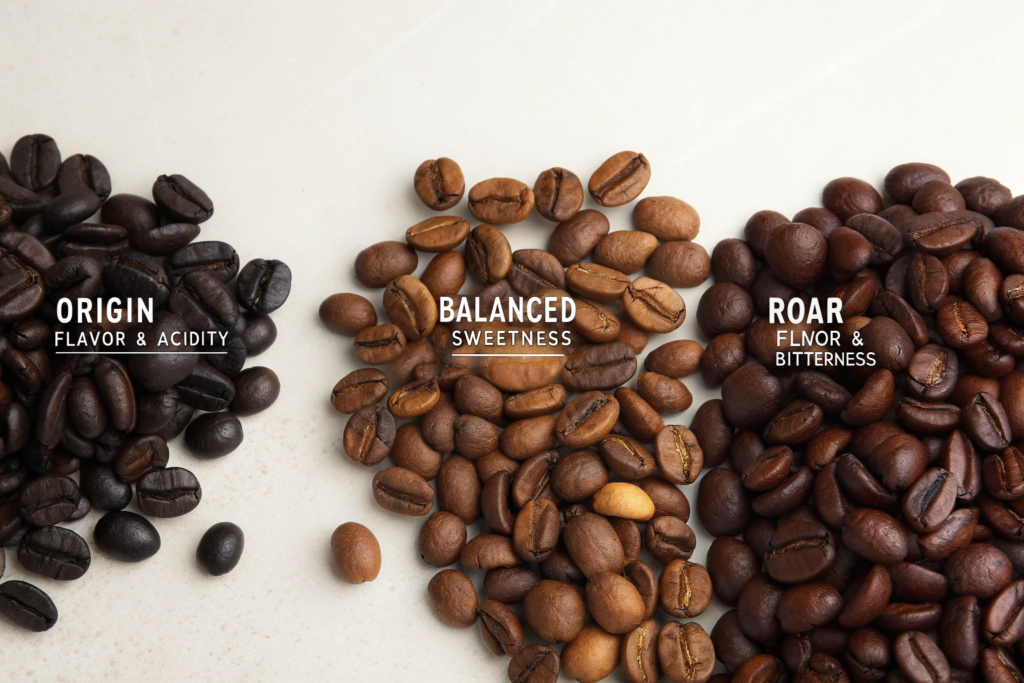
For enjoying the delicate and unique flavors of a single-origin coffee, a light to medium roast is almost always the best choice.
- Light Roast: This roast level is designed to preserve the bean's "origin characteristics." It will have the highest acidity, the most prominent floral and fruity notes, and the lightest body. It's the roaster's way of stepping back and letting the bean's natural quality speak for itself.
- Medium Roast: This is often the sweet spot for many. A medium roast begins to develop more caramelization and body, balancing the bean's natural acidity with roasty sweetness. You'll get a more rounded cup, with a perfect blend of origin flavor and developed sweetness.
A dark roast, on the other hand, obliterates most of the bean's delicate origin flavors and replaces them with flavors from the roast process itself: smoky, bitter, and carbony. While some people enjoy this intense, bitter profile, it doesn't allow the quality of the bean to shine and is generally not used for high-end specialty beans intended for black coffee. You can explore roasting theory in-depth through resources like Roast Magazine.
Does "Espresso Roast" Mean Dark Roast?
Traditionally, yes, but modern specialty coffee has changed that. A modern "espresso roast" is often a medium roast that is developed to be highly soluble and balanced, perfect for pulling as an espresso shot, which can then be enjoyed black (as an espresso) or with water (as an Americano).
If I Don't Like Sour Coffee, Should I Avoid Light Roasts?
Not necessarily. There is a big difference between the unpleasant "sourness" of a defective or poorly roasted coffee and the bright, vibrant "acidity" of a high-quality light roast. Good acidity tastes like the pleasant tartness of a green apple or a citrus fruit, and it's a prized quality in specialty coffee. If you're new to it, give it a try—you might be surprised!
How Can You Find Your Perfect Black Coffee?
The journey to finding your perfect black coffee is a personal one. It's about exploration and paying attention to what you enjoy. You've learned the key variables; now it's time to put that knowledge into practice.
The best way to start is to buy whole beans from a local, reputable roaster and talk to the barista or owner. Tell them you're looking for a coffee to drink black. Use the language you've learned here. Say, "I think I'd prefer a washed coffee," or "I'm interested in trying something with a medium roast and chocolatey notes." They are experts and will be thrilled to guide you. For those who prefer online research, communities like the /r/Coffee subreddit can be a great source of recommendations.
Buy small bags of different coffees. Try a washed Ethiopian one week and a natural Brazilian the next. Keep simple notes on what you like or dislike. Do you prefer the bright acidity or the heavy body? The floral notes or the chocolatey ones? Over time, you will develop a clear picture of your personal taste profile. This process of discovery is one of the most rewarding parts of being a coffee lover.
Should I Grind My Own Beans?
Yes, if at all possible. Grinding your beans immediately before brewing is the single biggest improvement you can make to your coffee quality at home. It preserves the volatile aromatic compounds that are lost very quickly after grinding. After all, you wouldn't want to ruin good beans with poor storage, so why not go the extra step? On that note, consider if you should reuse coffee bags for storing beans.
Does the Brew Method Matter?
Absolutely. A pour-over method like a V60 or Chemex will often produce a cleaner, brighter cup that highlights the delicate notes of a light roast. A French Press will produce a heavier, more full-bodied cup. Experimenting with different brew methods is another fun variable to play with on your journey. You can find great guides for these methods from experts like James Hoffmann on YouTube.
Conclusion
The best beans for black coffee are not one single type, but rather a category of coffees defined by quality, clarity, and character. They are beans that have been grown with care, processed meticulously to either enhance or purify their flavor, and roasted skillfully to unlock their full potential.
By choosing high-quality, light-to-medium roast Arabica beans, you are choosing to taste the coffee itself, in its purest form. You are tasting the soil of a specific place, the choices of a dedicated farmer, and the art of a skilled roaster. Whether you land on a bright, clean Washed Ethiopian or a rich, chocolatey Yunnan from our own estate, the journey of finding your favorite is a delicious adventure.
If you're a roaster or distributor looking to provide your customers with an exceptional black coffee experience, I invite you to explore our single-origin offerings. We are dedicated to producing coffee with the depth and quality to stand alone in the cup. Please reach out to my colleague, Cathy Cai, at cathy@beanofcoffee.com to request a sample and taste the difference for yourself.