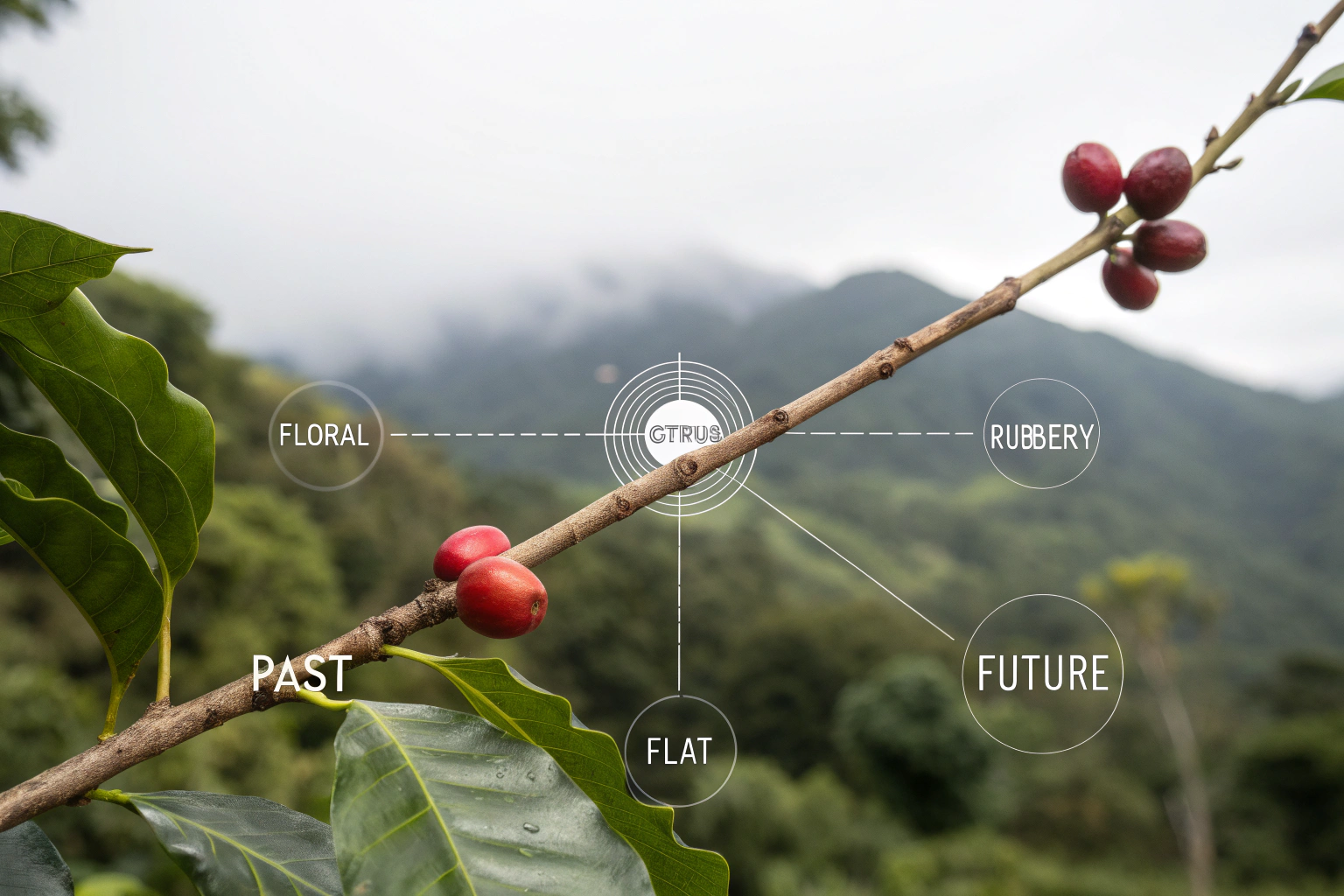
As a coffee roaster or buyer, you are obsessed with flavor. You build your brand on sourcing beans with unique and beautiful taste profiles—the bright floral notes of a Yirgacheffe, the rich chocolate of a Colombian. You work hard to maintain the consistency of your flagship blends. But lately, you may have noticed something unsettling. A coffee from an origin you've bought for years suddenly tastes different. The acidity is less vibrant, the sweetness is muted, or a strange, unpleasant flavor has appeared. You might blame the supplier, the shipping, or your own roasting. But the real culprit might be something far larger and more insidious. The pain point is a growing sense of uncertainty and a loss of control over the quality and consistency of your most important raw material.
Yes, absolutely. Climate change is having a direct, measurable, and overwhelmingly negative effect on coffee bean flavors. It does this in two primary ways: 1) by disrupting the delicate "slow-ripening" process that creates complex acids and sugars, leading to flatter, less interesting flavors, and 2) by forcing the coffee plant into a stressed state, which can cause it to produce more compounds associated with rubbery or bitter "off-flavors." This isn't a future prediction; it's a present reality that roasters are already tasting on their cupping tables.
From my vantage point on our 10,000 acres of coffee plantations in Yunnan, China, this is not an abstract news article. It's a daily battle. We see firsthand how unpredictable weather patterns are forcing us to adapt our farming practices just to maintain the flavor profiles our partners, like you, have come to expect. The very essence of what makes a specialty coffee "special" is under threat. Let's break down the science of what's happening to the bean.
How Does Heat and Erratic Weather Disrupt Flavor Development?
The magic of a great specialty coffee lies in its complexity—its layers of flavor, its vibrant acidity, and its lingering sweetness. This complexity is not an accident; it's the direct result of a long, slow, and gentle ripening process in a cool, stable climate. Climate change is throwing a wrench into this delicate process.
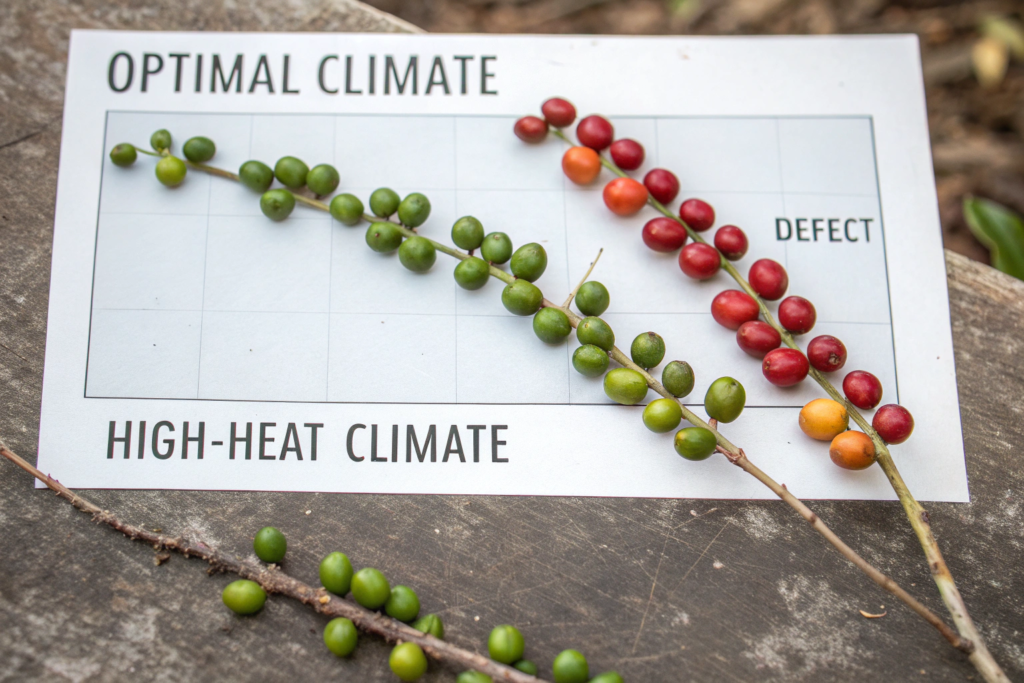
The single biggest impact of rising temperatures is that it accelerates the cherry's ripening process. Instead of maturing slowly over several months, the cherry is "force-ripened" by the heat in a much shorter period. The plant simply doesn't have enough time to develop the complex array of sugars and organic acids that are the building blocks of great flavor.
Think of it like the difference between a tomato ripened slowly on the vine in the summer sun versus one ripened quickly in a hot-house. They may both be red, but the flavor is worlds apart.
What happens to acidity in a hotter climate?
The bright, sparkling acidity we love in coffees from origins like Kenya or Ethiopia is largely due to high concentrations of organic acids like citric and malic acid. These acids develop most effectively in cool nighttime temperatures. As global warming leads to warmer nights, the plant's metabolic rate doesn't slow down as much, and it produces fewer of these desirable acids. The result is a coffee that tastes "flat" or "dull," lacking the lively, mouth-watering quality that defines a high-end specialty bean. A study by World Coffee Research has shown a direct link between rising temperatures and declining sensory scores, particularly in the acidity attribute.
How does unpredictable rainfall affect the bean?
It's not just heat; it's the chaos of the weather. Coffee trees rely on clear, distinct wet and dry seasons to signal when to flower and when to ripen their fruit. Climate change is blurring these seasons. We are seeing droughts in the middle of the rainy season and intense, unseasonal downpours during the harvest. This can cause the coffee trees to flower at the wrong time or to have cherries at multiple different stages of ripeness on the same branch. This makes a uniform, high-quality harvest incredibly difficult and often leads to a mix of ripe and unripe beans being processed together, resulting in a less consistent and lower-quality final cup.
How Does Plant Stress Create "Off-Flavors"?
A coffee plant, like any living organism, has a stress response. When it's faced with a lack of water, extreme heat, or attack from pests, it produces certain chemical compounds as a defense mechanism. Unfortunately, some of these self-defense compounds taste terrible.
When a coffee plant is under severe environmental stress, it can shift its energy from producing flavor precursors to producing defensive compounds. In Robusta, this is well-known to increase the "rubbery" notes. In Arabica, it can lead to an increase in phenolic compounds, which manifest in the cup as unpleasant medicinal, bitter, or even astringent flavors.
The plant is trying to survive, and in doing so, it sacrifices the quality of its fruit.
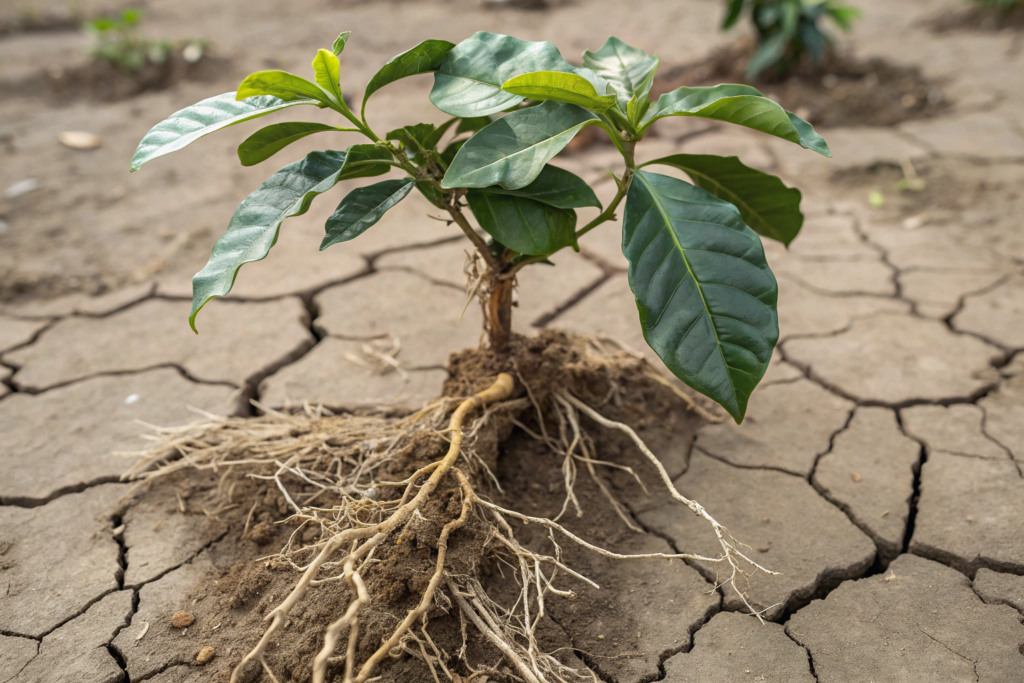
What is the link between drought and bitterness?
During periods of drought, a coffee plant struggles to perform photosynthesis efficiently. This can lead to an incomplete development of the bean's interior. The bean may not fully form the sugars and fats needed for a sweet, balanced cup. Instead, you get a higher relative concentration of compounds like caffeine and chlorogenic acids, which, when roasted, can contribute to a harsh, unpleasant bitterness that is different from the pleasant bitterness of a dark roast.
How does increased pest and disease pressure impact flavor?
Warmer climates are allowing pests and diseases, like the coffee berry borer and coffee leaf rust, to survive at higher altitudes where they previously could not. A plant that is constantly fighting off these attacks is a stressed plant. Furthermore, the damage caused by these pests can create entry points for molds and bacteria, which can introduce a whole host of other flavor defects, from earthy and musty to sour and fermented. As suppliers, we at Shanghai Fumao have to invest more than ever in integrated pest management to protect not just our yield, but the flavor integrity of our coffee.
How Are Farmers a-Producers Adapting to Protect Flavor?
The situation is serious, but the coffee world is not standing still. Producers, scientists, and roasters are working together to adapt to this new reality. The future of coffee flavor depends on this innovation.
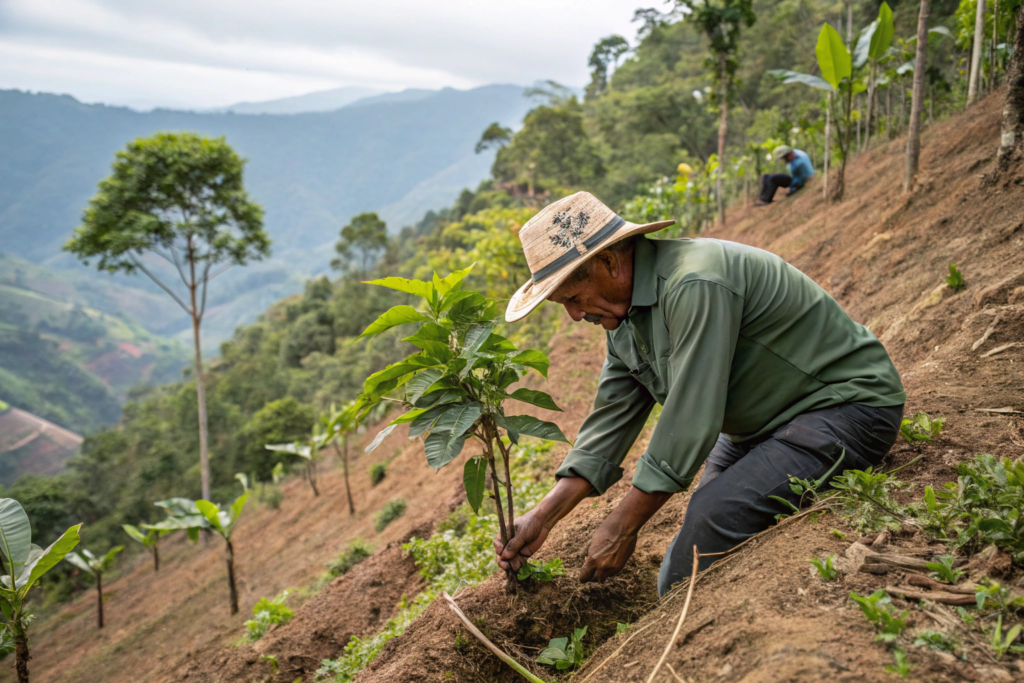
Producers are implementing a range of climate-adaptive strategies, from planting more resilient coffee varieties and increasing the use of shade trees to adopting more precise, water-saving irrigation techniques. The goal is to create a more stable and less stressful microclimate for the coffee plant, allowing it to continue producing high-quality, flavorful beans even as the broader climate changes.
This is a race against time, and it requires significant investment and knowledge sharing.
What are some key on-farm adaptation strategies?
- Shade-Grown Coffee: Planting taller trees among the coffee plants creates a canopy of shade. This can lower the ambient temperature on the farm by several degrees, slow down the ripening of the cherries, and protect the plants from the harshest sun. It's one of the most effective and traditional methods of adaptation.
- New Varieties: Research institutions are actively breeding new hybrid varieties of Arabica that are more resistant to heat and disease while still retaining excellent flavor potential. Sourcing from producers who are investing in these climate-resilient varieties is a key strategy for future-proofing your supply.
- Water Management: Drip irrigation and better soil management techniques (like using mulch to retain moisture) are becoming essential in areas with more frequent droughts. These techniques allow farmers to deliver water directly to the plant's roots with maximum efficiency.
How does the rise of Fine Robusta fit into this?
This is a crucial part of the adaptation story. As some areas become unsuitable for Arabica, they may still be perfect for growing high-quality Robusta. As we discussed previously, producers are now applying specialty processing techniques to Robusta, creating a "Fine Robusta" category with delicious chocolatey and nutty flavor profiles. For the industry, embracing Fine Robusta is not just about finding a new flavor; it's a critical strategy for ensuring a sustainable global coffee supply in a warmer world.
What Is the Buyer's Role in This New Reality?
As a buyer, you are not a passive observer in this story. Your purchasing decisions can either exacerbate the problem or become a powerful part of the solution.
In this new climate reality, buyers must shift their mindset from being simple price-takers to becoming long-term strategic partners with their producers. This means being willing to invest in longer-term contracts, paying premiums for coffees that come from climate-adapted farms, and being more flexible and understanding when a harvest is impacted by unpredictable weather.
The old model of jumping from supplier to supplier each year in search of the cheapest deal is no longer sustainable.

How can you support climate-adaptive coffee?
- Ask the Right Questions: When you're sourcing, ask your supplier, "What are you doing to adapt to climate change on your farms?" "Are you planting shade trees?" "Are you investing in new varieties?" Their answers will tell you if they are a forward-thinking partner.
- Pay for Resilience: Be willing to pay a higher price for coffees that have certifications like Rainforest Alliance or Smithsonian Bird-Friendly, which require shade cover and biodiversity. Understand that coffees from farms with irrigation or other expensive adaptations will have a higher cost of production.
- Build Long-Term Relationships: Committing to a producer over multiple years gives them the financial security to make long-term investments in climate adaptation. A farmer is much more likely to plant a shade tree that takes 5 years to grow if they know they have a reliable buyer for their coffee for the next 5 years.
Why is diversifying your origins more important than ever?
Don't put all your eggs in one basket. The risk of a single origin having a bad harvest due to a climate event (like a frost in Brazil or a drought in Colombia) is increasing. As a roaster, it's wise to diversify the origins you work with. This not only makes your supply chain more resilient but also offers your customers a wider range of flavors. It might be time to explore coffees from less-traditional origins, like our high-quality lots from Shanghai Fumao in Yunnan, which can offer both unique flavors and a different risk profile.
Conclusion
Climate change is no longer a distant threat; it is an active force that is reshaping the flavor of the coffee in your cup. By accelerating ripening, muting acidity, and stressing the coffee plant into producing unpleasant flavors, it is fundamentally challenging our ability to produce the high-quality, complex coffees we cherish. The future of coffee flavor depends on a collective effort. It requires producers to innovate and adapt on the farm, and it requires buyers to become true partners, rewarding these efforts and investing in a more resilient and sustainable supply chain. The beautiful, nuanced flavors of specialty coffee are a gift from a delicate ecosystem, and it will take all of us working together to protect that gift for the generations to come.
We are on the front lines of this challenge every day, and we are committed to using sustainable, climate-smart practices to protect the quality of our coffee. If you are looking for a partner who understands this new reality and is invested in the future of coffee, we invite you to connect with us. Contact our coffee specialist at cathy@beanofcoffee.com.