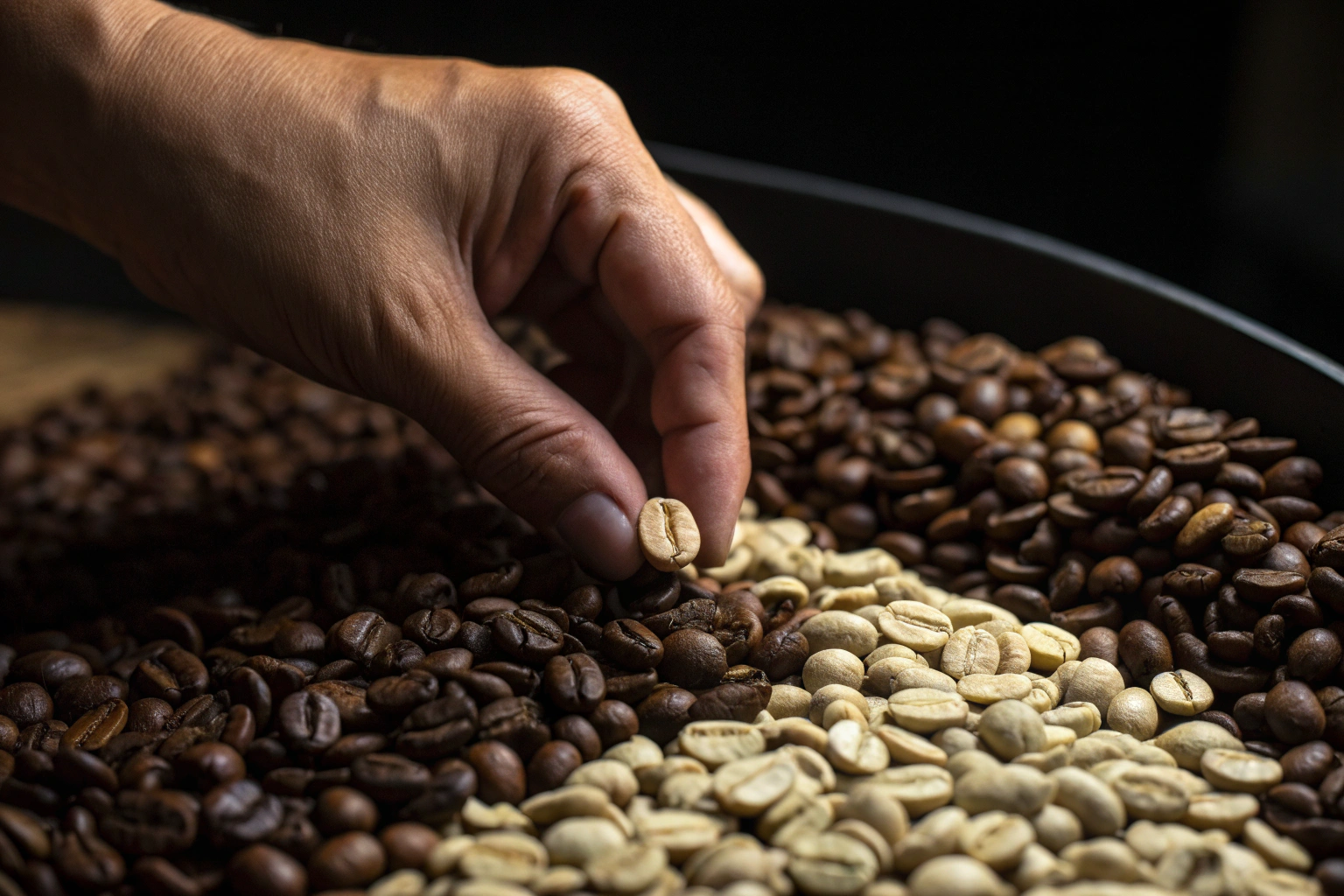
You've just brewed a pot of coffee from a new batch of beans. You take the first sip, expecting the bright, clean flavors you paid for, but instead, you're hit with a harsh, unpleasant taste—rubbery, sour, or even moldy. You're like my client, Ron; you're immediately concerned about quality and consistency. You wonder, "What went wrong? Was it the whole batch?" This experience is a buyer's nightmare, creating doubt about the quality of your entire inventory.
Let's get straight to the point. Yes, a single defective coffee bean can absolutely ruin your entire brew. While it might seem unbelievable that one tiny bean could overpower thousands of good ones, certain types of defects carry incredibly potent and unpleasant chemical compounds. When ground and brewed, these compounds are released and can easily contaminate the flavor of the entire cup, pot, or espresso shot.
As the owner of a 10,000-acre coffee estate in Yunnan, this is a truth we live by. Quality control is not about the average bean; it's about eliminating the few beans that can cause catastrophic failure. It's a process of relentless sorting and vigilance. In this article, I'll explain which defects are the worst offenders, why they are so powerful, and what you can do to protect your brew.
What Are the "Category 1" Defects and Why Are They So Powerful?
Not all defects are created equal. The Specialty Coffee Association (SCA) classifies defects into two categories. Category 2 defects (like broken beans or insect damage) are minor and primarily affect appearance. But Category 1 defects are the true flavor assassins. You're worried about these because they are invisible once ground, but their impact is massive.
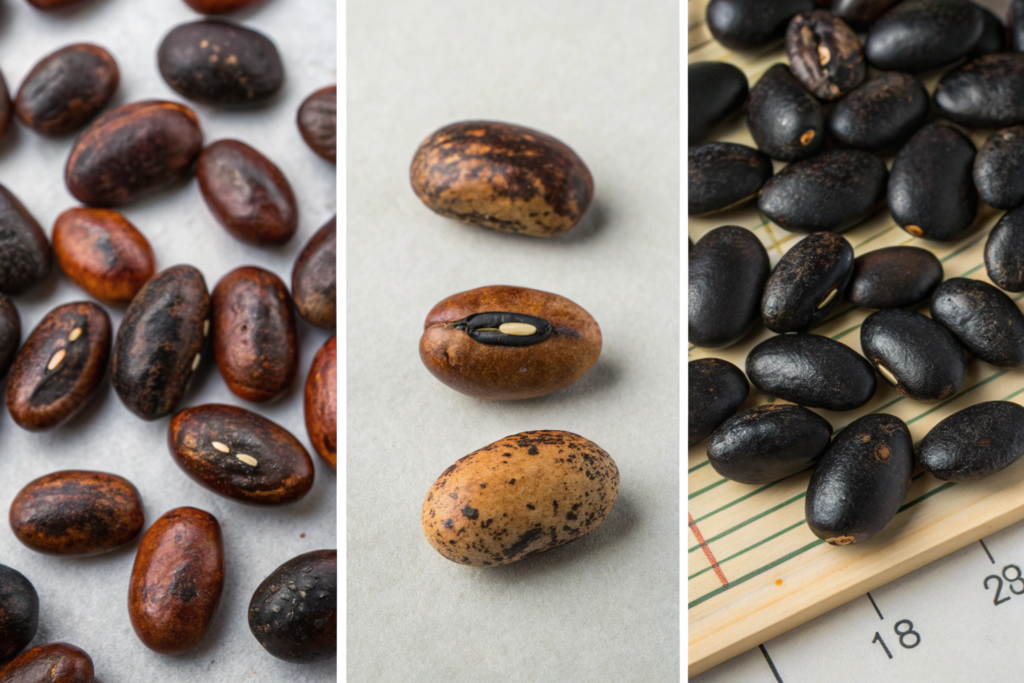
Category 1 defects are defined as those that have a direct and severe negative impact on the cup quality. The two most notorious offenders are Full Black and Full Sour beans. A "full black" bean is one that has died on the tree due to disease or rot. It often carries a foul, phenolic, or medicinal taste. A "full sour" bean is the result of improper fermentation, where the bean has essentially started to pickle in its own fruit. It imparts a sharp, vinegary, and intensely unpleasant sourness to the cup.
The reason these beans are so powerful is the potency of the chemical compounds they contain. A single sour bean, for example, contains a high concentration of acetic acid. When you brew coffee, you are creating a water-based solution. These potent, water-soluble compounds from the one bad bean spread throughout the entire solution, tainting every drop. It's like putting a single drop of potent poison into a glass of pure water.
How is a "Full Black" Bean Different from a Dark Roast?
A "full black" bean is a defect of the green, unroasted coffee. It is black and rotten before it even enters the roaster. A dark roasted bean, on the other hand, is a normal bean that has been intentionally heated to a dark color during the roasting process. The flavors are completely different; one is rotten, the other is roasty or smoky.
Can You See These Defects After Roasting?
Sometimes, but not always. A full black bean will often remain black and look charred after roasting. A full sour bean is harder to spot, but may look slightly discolored or have a mottled appearance. However, the most reliable way to eliminate them is through meticulous sorting of the green coffee beans before they are ever roasted. This is a critical quality step at Shanghai Fumao.
What Other Defects Can Impact Flavor?
While Full Black and Full Sour beans are the arch-villains, other defects can also throw off the flavor of your brew, even if their impact isn't quite as catastrophic. You might taste a brew that isn't terrible, but just seems "off"—lacking sweetness, with a weird papery or cereal-like aftertaste. This is often the work of more subtle defects.
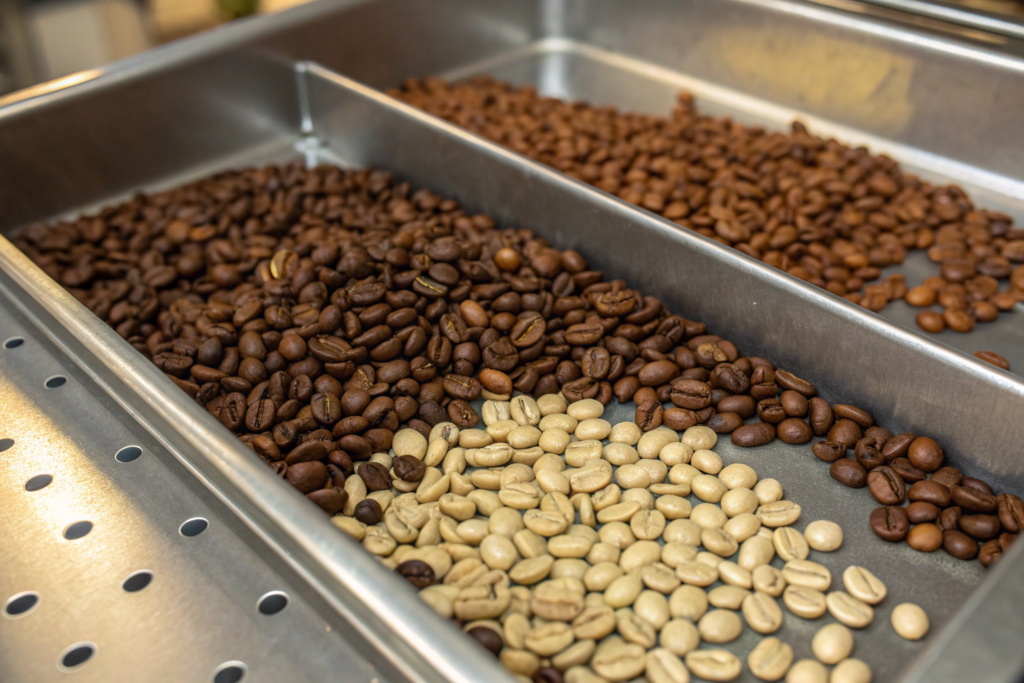
One of the most common of these is the "Quaker." A quaker is a bean that has failed to mature properly on the tree, meaning it lacks the necessary sugars and density to roast correctly. During roasting, while other beans undergo the Maillard and caramelization reactions that create sweetness and complexity, the quaker just sits there. It doesn't have the fuel to develop.
The result is a pale, underdeveloped bean that tastes like peanut shells, cereal, or cardboard. While a single quaker might not ruin an entire pot of coffee, a handful of them will absolutely rob the brew of its sweetness and complexity, leaving you with a flat and disappointing cup. Other defects like severe insect damage or chipped beans can also contribute to woody or "off" flavors, though their impact is generally less severe than a quaker.
Why Don't Quakers Roast Properly?
Roasting is a series of chemical reactions fueled by sugars, amino acids, and moisture. A quaker is an immature bean that is deficient in these essential starting materials. Without enough sugar, it cannot properly caramelize. Without the right density and chemical precursors, the Maillard reaction is stunted. It's like trying to light a fire with a wet piece of wood.
How are Quakers Removed?
Quakers are very difficult to remove during green bean sorting because they often look similar to healthy beans. The most effective way to remove them is after roasting. Many high-end roasteries employ optical sorters (color sorters) or even hand-sort their roasted coffee to pick out the pale-colored quakers before bagging. This is a mark of a truly quality-focused operation.
How Do Farmers and Roasters Prevent Defective Beans?
So, how do these "bad beans" get stopped? You're a buyer, and you need to trust that your supplier has a system in place to protect you. Preventing defective beans is not a single action; it's a continuous chain of quality control that starts at the farm and ends at the roastery.
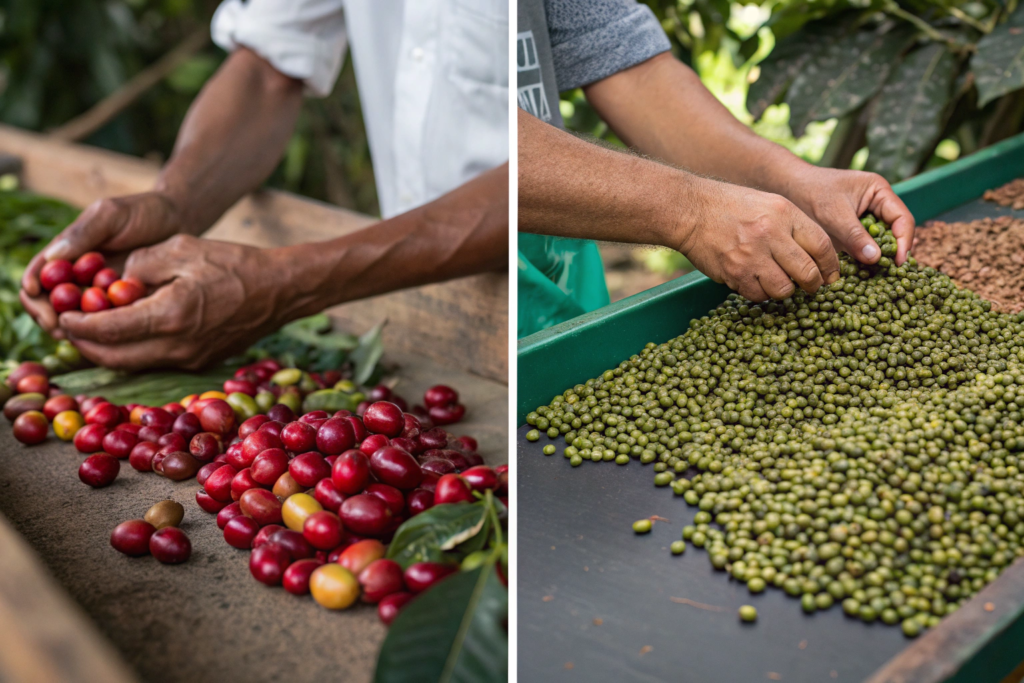
It begins with the harvest. At our farms in Yunnan, we insist on selective hand-picking, where our pickers only choose perfectly ripe, red cherries. This single step dramatically reduces the number of immature beans (which become quakers) and overripe, fermented beans (which can become sours).
After picking, the coffee goes through processing and sorting. This involves multiple stages of cleaning, floating (where bad beans often float and are skimmed off), and drying. The most critical stage is the final green bean sorting, which is often done by hand and by density-sorting machines. This is where defects like black beans, sour beans, and insect-damaged beans are meticulously removed. Finally, as mentioned, the roaster provides the last line of defense by sorting for quakers after the roast. It's a multi-layered defense system.
What is "Zero Defect" Sorting?
"Zero Defect" is a term used for the highest grade of specialty coffee sorting. It means the coffee has undergone extremely rigorous, often multiple passes of hand-sorting to remove every single visible defect. This is a costly and labor-intensive process reserved for top-tier micro-lots and competition coffees.
How Can a Buyer Verify the Quality?
As a buyer, you should always request a "green bean analysis" for any coffee you are considering. This report, based on SCA standards, details the number and type of defects found in a 350g sample. A high-quality specialty coffee should have zero Category 1 defects and very few Category 2 defects. You can learn the specifics from the SCA's Green Coffee Defect Handbook.
What Can You Do as a Consumer or Cafe Owner?
You've bought the coffee, and it's now in your hands. Is there anything you can do to protect your final brew? You might feel powerless at this stage, but you do have one final, simple quality control step you can perform.
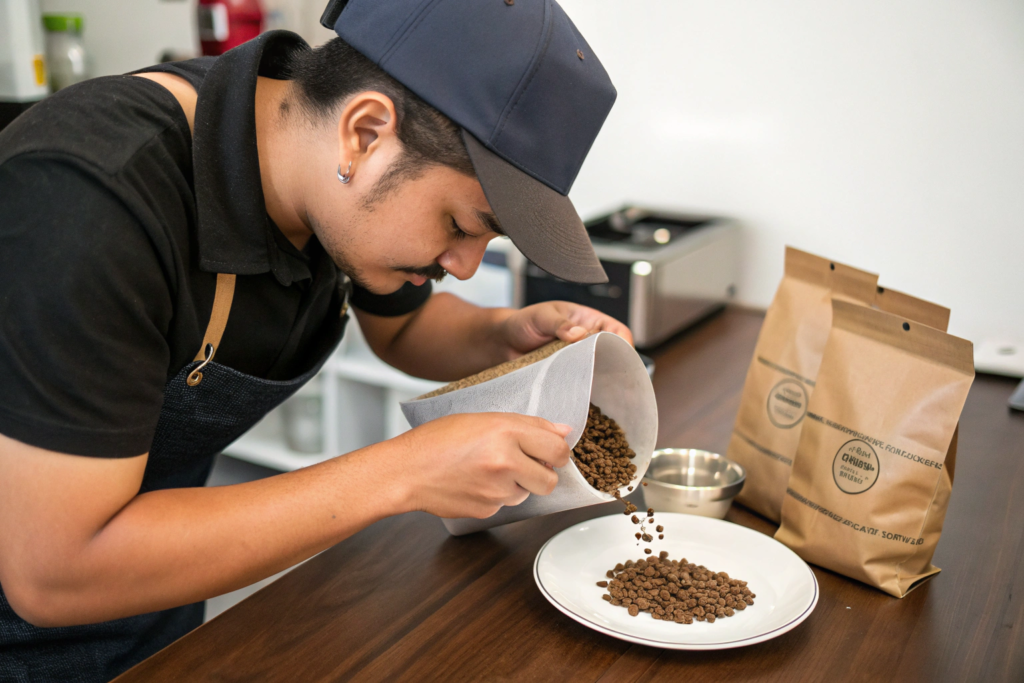
The best thing you can do is a quick visual inspection of the whole beans before you grind them. Pour out the amount of beans you're about to use onto a white plate or a light-colored surface. Take 10 seconds to scan them. Your eyes will quickly be drawn to anything that doesn't belong. Look for beans that are significantly paler than the others (quakers), beans that are broken into many small fragments, or any beans that are unusually dark or charred-looking.
If you find one or two, simply pick them out and discard them. This simple act of "pre-grind sorting" is your final chance to remove a potential flavor bomb. It's a habit that many professional baristas and coffee enthusiasts practice religiously. It might seem tedious, but it's the cheapest and easiest insurance policy you can buy for a delicious cup of coffee.
Does This Apply to Espresso Too?
Yes, especially for espresso! An espresso shot is a highly concentrated brew, which means the flavor of a single bad bean can be even more pronounced and overwhelming. Taking a few seconds to scan your beans before loading them into the grinder hopper is a crucial step for any quality-focused cafe.
What if I Find Many Defective Beans?
If you consistently find a large number of defects (e.g., 5-10 quakers in a single dose), it's a clear sign of a low-quality coffee or poor sorting at the roastery level. In this case, you should contact your supplier or roaster to provide feedback. A reputable company will take this kind of quality issue very seriously.
Conclusion
The idea that one bad apple can spoil the bunch is dramatically true in the world of coffee. A single, potent defective bean—be it a sour, a black, or even a humble quaker—has the power to undermine the quality and flavor of thousands of its perfect neighbors. It can turn a potentially sweet, complex, and delightful brew into an unpleasant, undrinkable mess.
This is why the pursuit of coffee quality is a relentless process of purification. It's a chain of vigilance that stretches from the selective picker on the farm to the discerning barista before they grind. Every step of sorting and quality control is a deliberate act to protect the final cup from that one bad bean.
When you buy coffee from a supplier who is as obsessed with this process as you are with the final taste, you are building a partnership in quality. If you're looking for a source that understands the critical importance of defect-free coffee, we invite you to learn more about our meticulous standards. Please reach out to my colleague, Cathy Cai, at cathy@beanofcoffee.com.