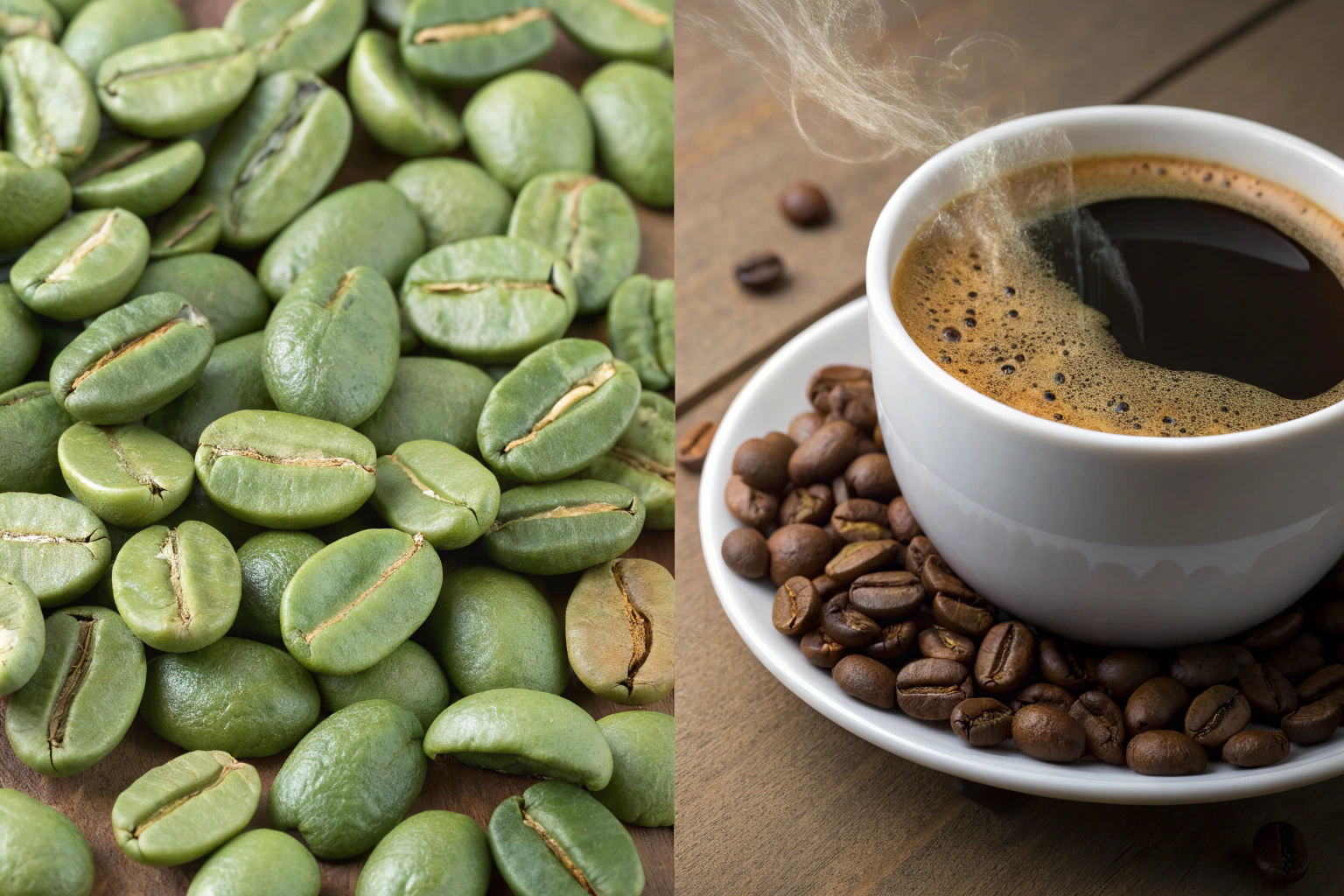
I get this question all the time from buyers. They find some beans in the back of their warehouse. Maybe they've been sitting for a year. Maybe two. And they ask me, "Can I still use these? Will they taste okay?" The answer, like most things in coffee, is complicated.
The short answer is that older beans don't lose their flavor completely, but they do change dramatically—and usually not for the better. Green beans slowly degrade over time through oxidation, moisture loss, and chemical changes. After 12-24 months of poor storage, they'll taste flat, woody, or papery. But with optimal storage conditions, some beans can actually improve for certain applications like espresso blending.
But here's the thing. "Lose flavor completely" isn't really the right question. The better question is: what kind of flavor do you want? And what are you willing to accept? Let me walk you through what actually happens to beans over time, based on twenty years of storing coffee on our Yunnan farms.
What Physically Happens to Beans as They Age?
To truly grasp the phenomenon of flavor loss, one must peer into the intricate world within the coffee bean—a realm where chemistry and physics dance in a delicate balance, dictating the very essence of taste. It is not an act of sorcery, nor a mystery beyond comprehension; rather, it is a precise interplay of molecular transformations and physical changes that unfold over time, slowly stripping the bean of its vibrant, aromatic character.
Imagine the bean as a treasure chest, once brimming with volatile compounds—esters that whisper notes of ripe fruit, pyrazines that hum with nutty richness, and terpenes that carry hints of floral sweetness—all suspended in a matrix of cellulose and oils, protected by a sturdy outer skin.
How does oxidation affect flavor compounds?
Green coffee beans are alive. They're seeds. They respire slowly, consuming oxygen and releasing carbon dioxide. This process never stops completely.
Over time, oxygen reacts with the oils and organic compounds inside the bean. This oxidation changes flavor. The bright, fruity notes—the ones we love in fresh coffee—are the first to go. They're fragile. They oxidize quickly.
What's left are the more stable compounds. The woody, papery, neutral flavors. The bean still tastes like coffee, but it's coffee without personality. Flat. Dull.
The rate of oxidation depends on temperature, oxygen exposure, and humidity. Higher temperatures speed up every chemical reaction. More oxygen exposure means more oxidation. It's unavoidable, but it can be slowed. Research from the Specialty Coffee Association shows clear correlations between storage conditions and flavor retention.
What happens to moisture content?
Fresh green coffee typically has 10-12% moisture content. This is the sweet spot—enough to keep the bean alive and flexible, not so much that mold grows.
Over time, beans lose moisture to the air. They dry out. Below 9-10% moisture, they become brittle. They crack easily during handling. They grind differently. They roast differently—heat transfers faster through dry beans, changing development.
Moisture loss also concentrates the remaining compounds. That sounds like it might intensify flavor, but it doesn't. The flavors that concentrate are the stable, neutral ones. The bright notes are gone.
We monitor moisture constantly in our Yunnan storage. If a lot drops below 10%, we either sell it quickly or blend it with fresher beans. We work with logistics partners like Shanghai Fumao to move aging inventory before it degrades too far.
How Fast Do Different Beans Age?
Not all beans age at the same rate. Some, like the richly hued Sumatra Mandheling, cling stubbornly to their bold, earthy notes and hints of dark chocolate, standing firm against time's gentle erosion for months, even years, if stored in cool, dry darkness away from sunlight's bleaching kiss. Others, such as the delicate Ethiopian Yirgacheffe, with its bright citrus zing and floral whispers, are more fragile—prone to fading quickly, their vibrant acidity softening into a muted, almost ghostly echo of their once-lively self within weeks if not carefully preserved.
Why does Arabica age faster than Robusta?
Arabica is more delicate in every way. Its cellular structure is less dense. Its oils are more volatile. Its flavor compounds are more complex—and more fragile.
Robusta, with its higher density and simpler flavor profile, ages more slowly. The compounds that survive oxidation are exactly the ones Robusta is known for—earthiness, body, bitterness. So aged Robusta still tastes like Robusta. Just a bit flatter.
For blends, this can actually work. A roaster might intentionally use slightly aged Robusta for body, blending it with fresh Arabica for brightness. The aged beans provide stability and consistency.
What about processed beans—washed vs. natural?
Processing method affects aging too. Washed coffees tend to age faster than naturals. Why? Because naturals retain more of the fruit sugars and compounds during drying. These provide some protection—and also create different aging pathways.
Natural process coffees can develop interesting aged characteristics. Some develop fermented, fruity notes that evolve over time. They don't taste fresh, but they don't taste dead either. They taste aged—like a different product entirely.
This is why some origins have traditions of aged coffee. Sumatra's aged coffees are intentionally stored for years to develop specific profiles. It's not degradation—it's transformation. The Coffee Quality Institute has studied these transformations extensively.
Can Old Beans Ever Be Good?
Here's where it gets interesting. Old beans aren't always bad—in fact, in some applications, they're not just preferred but practically indispensable, their character deepened by time like a well-aged wine. Picture this: a batch of coffee beans, once vibrant and fresh, now slightly faded in hue, their aroma mellowed from the sharp, citrusy zing of youth to a warm, earthy complexity that whispers of distant orchards and sun-dappled hills.
To the untrained nose, they might seem less enticing, but to the connoisseur, these aged beans offer a symphony of flavors that fresh ones can't match—notes of dark chocolate, toasted nuts, and a subtle hint of spice that lingers on the palate long after the first sip. In the world of specialty coffee, certain roasters seek out these older beans specifically, knowing that their slow oxidation has unlocked layers of depth that make each cup a journey through time.
What is "aged coffee" and how is it different?
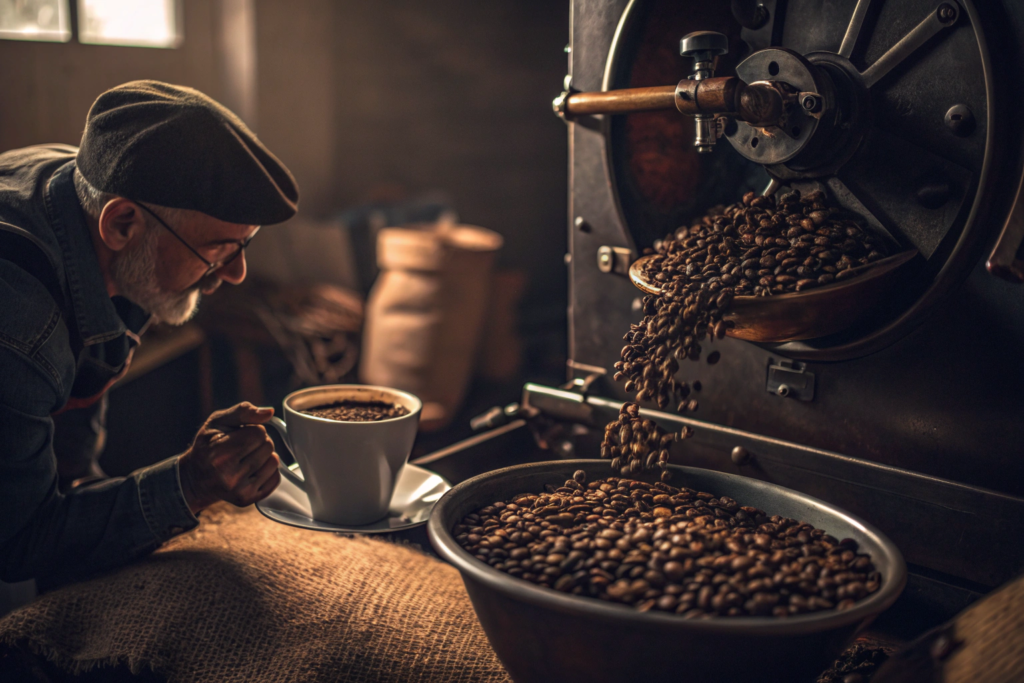
Aged coffee is intentionally stored for extended periods—often 3-5 years or more—under controlled conditions. The goal isn't to prevent aging. It's to guide it.
These beans develop unique characteristics. The acidity drops dramatically. Body increases. Flavors shift toward wood, tobacco, leather, spice. They're completely different from fresh coffee, but complex in their own way.
Monsoon Malabar from India is a famous example. Beans are exposed to monsoon winds for months, intentionally aging and swelling. The result is a low-acid, full-bodied coffee with unique appeal.
We don't do much intentional aging in Yunnan—our climate isn't right for it. But we know buyers who seek it out. If that's you, reach out anyway. Cathy Cai can connect you with sources.
When do roasters actually prefer aged beans?
Espresso blends often benefit from aged components. Aged beans provide stability, body, and crema—without the brightness that can clash in blends. They're consistent. They don't change much from batch to batch.
Some traditional Italian espresso roasters use significant percentages of aged beans. It's part of their house style. The coffee isn't bright or fruity. It's heavy, chocolatey, consistent.
For dark roasts, aged beans can work well too. The roasting process overwhelms many delicate flavors anyway. Using aged beans for dark roasts makes economic sense—they're cheaper, and the roast covers any remaining freshness issues.
How Can You Slow Down Aging?
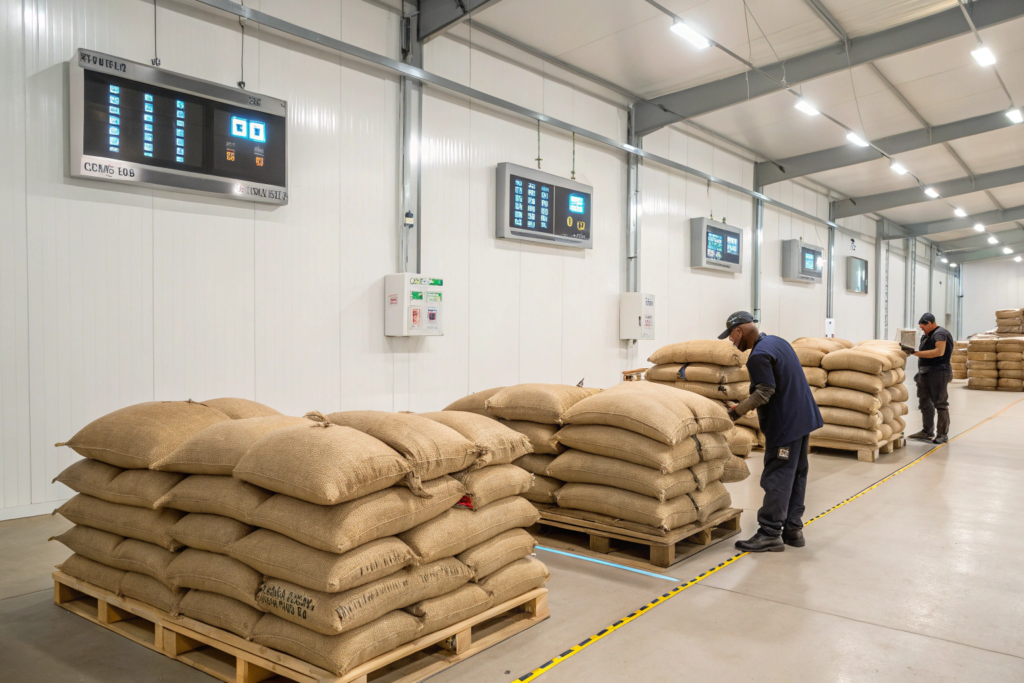
If you want beans to stay fresh longer, you need to control their environment. This is where storage discipline matters. Imagine the humble bean—those tiny, nutrient-packed orbs that can transform into hearty stews, crisp salads, or fluffy baked goods. To keep them from losing their vibrant flavor, their ability to plump up when cooked, and that subtle earthy aroma that makes them so beloved, you must treat them with care. Let’s dive into the world of bean storage, where every detail counts. First, consider the air around them. Beans are like sponges; they absorb moisture and odors from their surroundings.
What storage conditions extend freshness?
Cool is good. Cold is better—down to about 50-60°F. Below that, you risk condensation issues when beans warm up. But stable cool temperatures slow every chemical reaction.
Low humidity matters too. Below 60% relative humidity. This slows moisture loss and prevents mold. But not too dry—below 45% and beans start losing moisture too fast.
Oxygen exclusion helps enormously. Hermetic bags like GrainPro create a micro-atmosphere inside the bag. Oxygen gets consumed by bean respiration, replaced by CO2. This atmosphere slows oxidation dramatically.
Darkness matters. Light accelerates oxidation. Store beans in opaque containers or keep lights off in storage areas.
We use all these methods in Yunnan. Our best storage areas maintain 60°F and 55% humidity year-round. Beans stored properly can stay fresh for 12-18 months. Maybe longer. You can learn more from storage equipment manufacturers like Munters or GrainPro.
Does freezing green beans work?
Yes—and it works extremely well. Freezing green beans stops aging almost completely. At 0°F, chemical reactions slow to near-zero. Beans can be stored for years with minimal change.
The trick is avoiding condensation when thawing. Frozen beans removed from cold and exposed to warm air will sweat. That moisture damages beans. Proper thawing means letting them warm gradually in sealed containers, so condensation forms on the container, not the beans.
Some large roasters freeze green coffee intentionally. They buy large volumes at harvest, freeze most, and thaw gradually through the year. This gives them year-round freshness from a single purchase.
We don't freeze our export coffee—logistics are complicated. But we support buyers who do. Shanghai Fumao can coordinate frozen shipments if needed.
How Can You Tell If Beans Are Too Old?
Before you buy or use old beans, you need to know what you're dealing with. Here's how to assess them. Let your fingers trace the surface of each bean—old ones often feel papery, their once-plump bodies now shriveled and brittle, as if they've lost all moisture to the passage of time. Hold a single bean up to the light; if it's transparent or translucent, like a faded ghost of its former self, it's likely past its prime. Sniff deeply: fresh beans carry a rich, earthy aroma, a hint of nuttiness or even a subtle floral note that lingers in the air.
Old beans, by contrast, may smell flat, stale, or worse—developing a musty, cardboard-like scent that taints the senses, a clear sign of oxidation and rancidity creeping in. Gently shake a bag of beans; if they rattle loudly, it's a telltale sign that they've dried out completely, their internal structure compromised.
What do aged beans look like?
Fresh green beans have a distinct color—bluish-green for many Arabicas, yellowish for some others. They have a healthy sheen. They feel dense and solid.
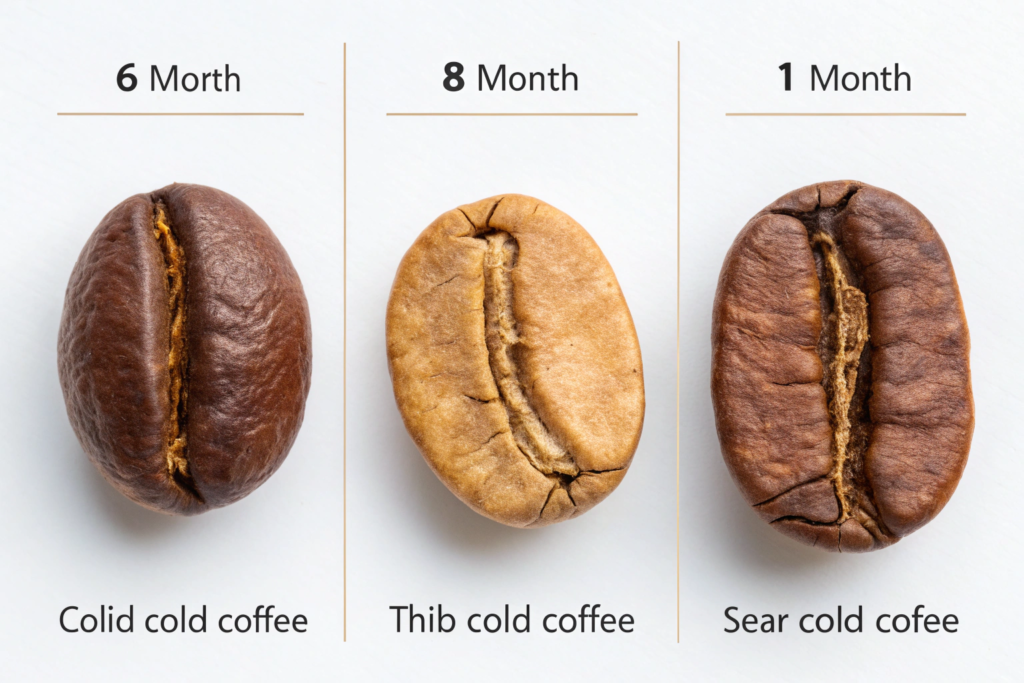
Aged beans look faded. The color dulls toward brown or gray. The surface may look dry, chalky. You might see "silver skin" detachment—white tips where the inner skin has separated.
If you see actual mold—white, green, or black fuzzy spots—that's not aging. That's spoilage. Don't use them.
What happens when you roast them?
The roast test is definitive. Aged beans roast differently. They develop color faster because they're drier. They may roast unevenly—some beans darken faster than others. The chaff might not release properly.
Taste is the final judge. Aged beans taste flat. Woody. Papery. Lacking the brightness, complexity, and life of fresh coffee. If you roast a sample and it tastes that way, the beans are too old for most uses.
Conclusion
Do older beans lose their flavor completely? No—but they lose the flavors that make specialty coffee special. The bright notes fade. The complexity diminishes. What's left is neutral, stable, and often useful for specific applications like espresso blends or dark roasts.
At Shanghai Fumao, we manage our inventory carefully. We rotate stock. We store properly. We test regularly. And we're transparent with buyers about age. If you're buying from us, you'll know exactly how old your beans are and what to expect.
If you have older beans and aren't sure what to do with them, reach out. Cathy Cai can help you assess them and find the right application—whether that's blending, discounting, or cutting losses. Email her at: cathy@beanofcoffee.com. Let's make sure you're getting the most from every bean.