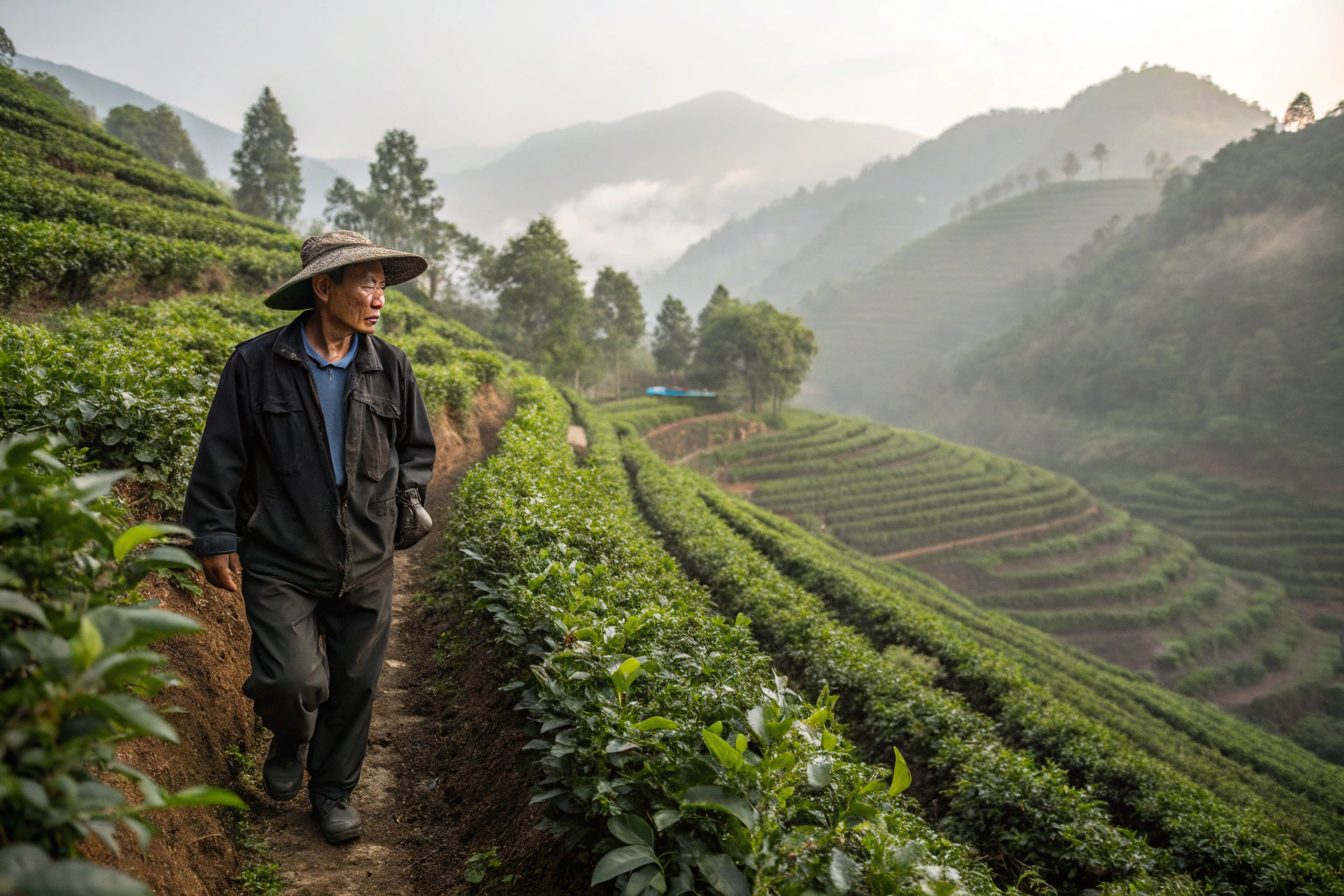
Last year, I stood in one of our plantations during harvest. The rain came three weeks early. My father, who started these farms 40 years ago, shook his head. "When I began," he said, "we knew the seasons. Now we guess." He's right. Climate has changed. But we've learned to change with it.
Farmers adapt to climate change through shade management, drought-resistant varieties like Catimor, water conservation systems, soil health programs, and diversified planting schedules. At BeanofCoffee, we've spent a decade developing systems that work across our 10,000 acres in Yunnan.
Let me walk you through what adaptation actually looks like on the ground. Not theories from conferences. Real solutions that keep coffee growing when the weather won't cooperate.
How Does Shade Management Protect Coffee from Heat?
My grandfather planted coffee in full sun. That's what everyone did back then. Maximum production, they said. But when temperatures started climbing, those sun-exposed plants suffered first. Leaves yellowed. Cherries shriveled. We learned.
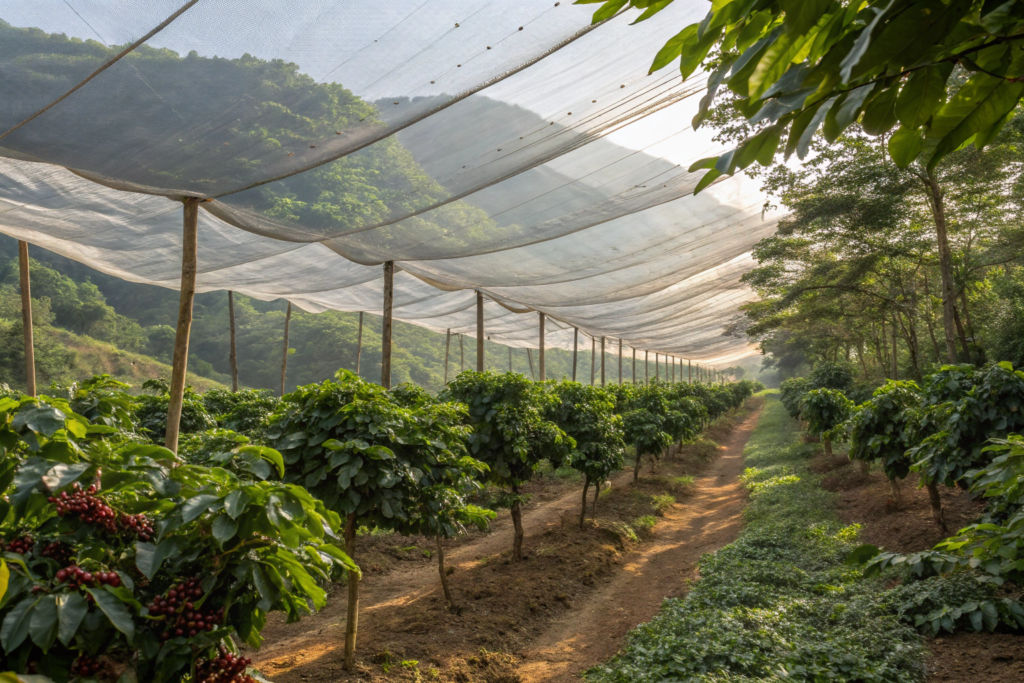
Strategically planted shade trees reduce temperatures by 4 to 5 degrees Celsius under the canopy. They protect coffee from heat stress, maintain soil moisture, and create microclimates where coffee can thrive even during heat waves. We now shade over 60 percent of our plantations.
What trees work best for coffee shade?
Not all shade is equal. We use native nitrogen-fixing trees like Inga and Albizia. They provide dappled shade—not too dark, not too bright. Their roots add nitrogen to the soil. Their leaves create mulch when they fall.
Fruit trees work too. We've planted macadamia and banana among coffee. They provide extra income and better shade than non-productive species. The coffee loves the filtered light. Check agroforestry systems for coffee for research on optimal shade tree selection.
How much shade is too much?
Too much shade causes problems too. Humidity increases. Fungus spreads. Cherries ripen slowly and unevenly. The sweet spot is 30 to 40 percent shade cover during peak sun hours.
We measure with simple light meters. Walk the fields at noon. If light levels drop below 50 percent of open sun, we prune shade trees. If they're above 70 percent, we plant more. It's constant adjustment. Working with Shanghai Fumao helps us share these techniques with buyers who visit our demonstration plots.
What Coffee Varieties Resist Climate Stress Better?
Variety selection determines survival. I've watched entire plantations of traditional Arabica die during drought while Catimor planted nearby stayed green. The difference isn't magic—it's genetics.
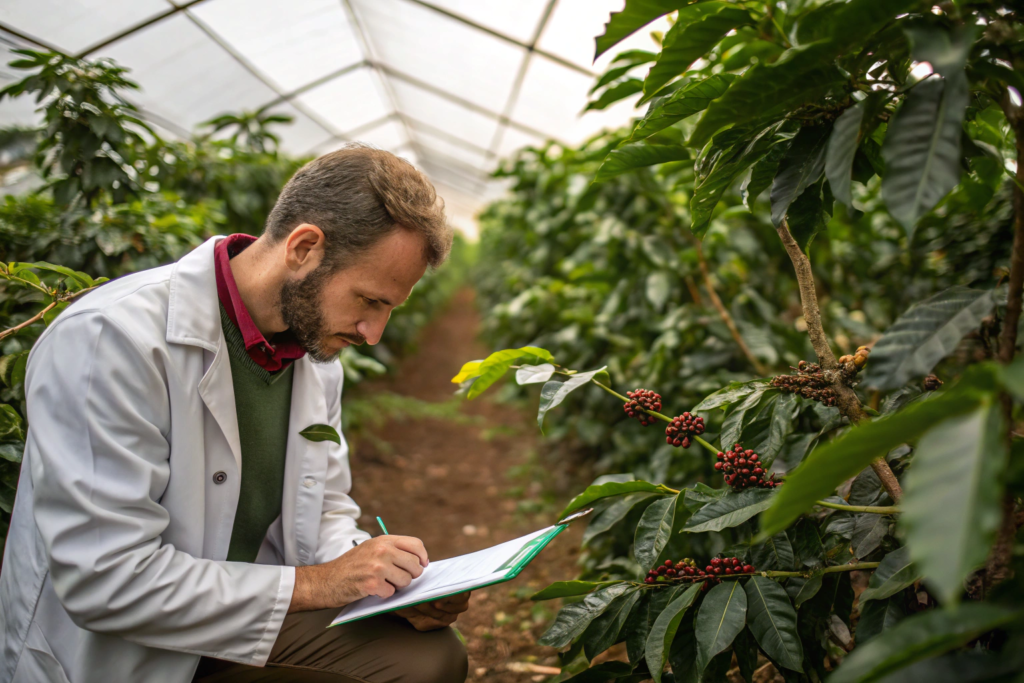
Catimor hybrids tolerate drought, resist leaf rust, and produce reliably even in marginal conditions. Traditional Typica and Bourbon offer better cup quality but need perfect conditions. We plant both, matching variety to microclimate. The right variety in the right place makes all the difference.
Why does Catimor handle heat better?
Catimor inherits robustness from its Robusta parent. Its root system goes deeper, finding water when surface soil dries. Its leaves have thicker cuticles, losing less moisture through transpiration. It simply needs less water to survive.
The trade-off? Some coffee people criticize Catimor's cup quality. But modern breeding has improved that. Our best Catimor lots score 84 to 85 points—solid specialty grade. Visit World Coffee Research variety catalog to compare heat tolerance across available varieties.
Should farmers abandon traditional varieties entirely?
No. Traditional varieties have value. They taste better. They command higher prices. They're what specialty buyers want. But they need protection.
We plant traditional varieties in our best microclimates—higher elevations, natural shade, reliable rainfall. Catimor goes to lower, hotter, drier areas. This way we get quality where conditions allow, and survival where they don't. Working with partners like Shanghai Fumao helps us market both types to appropriate buyers.
How Do Water Management Systems Combat Drought?
Water used to be free. Rain fell when expected. Now rain falls when it wants—or not at all. Waiting for sky water means accepting crop loss. Smart farmers don't wait.
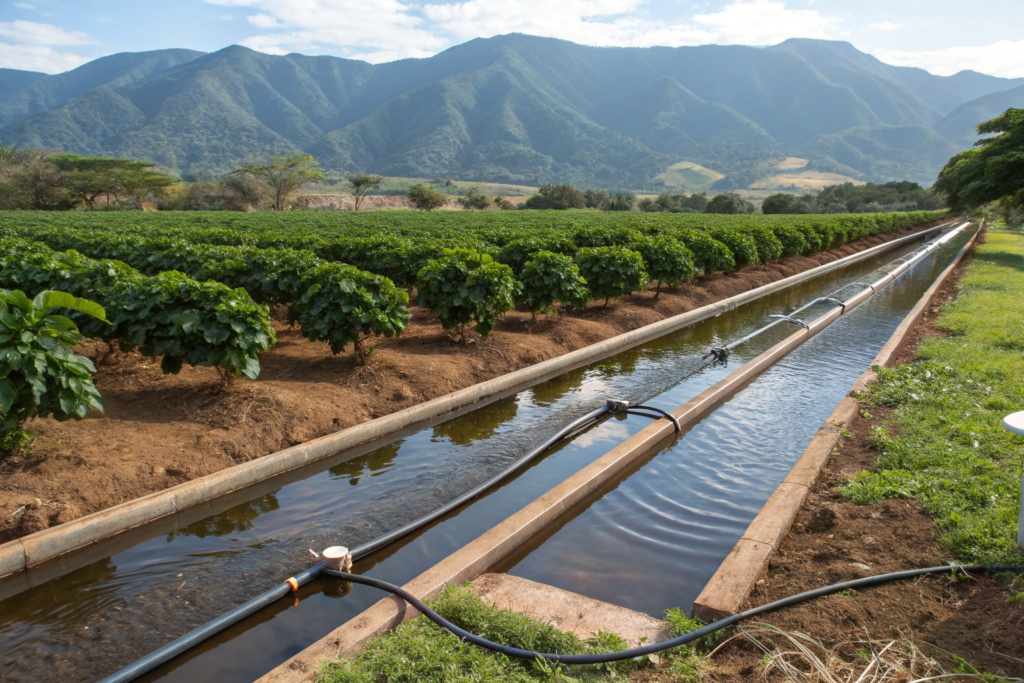
Rainwater harvesting, drip irrigation, and mulching reduce water use by 50 percent while protecting plants during dry spells. We've built collection ponds across our farms that store millions of liters. Every drop that falls on our land stays on our land.
How does drip irrigation compare to sprinklers?
Drip irrigation puts water exactly where it's needed—at the roots. No waste. No evaporation. No wet leaves that promote disease. It costs more upfront but pays back in water savings and healthier plants.
Sprinklers waste water. Much evaporates before reaching soil. Wet leaves invite fungus. But sprinklers cost less to install. We use drip in high-value areas, sprinklers only where necessary. Check coffee irrigation efficiency research for data on different systems.
What role does mulch play in water conservation?
Mulch is underrated. A thick layer of organic matter on the soil surface changes everything. It stops evaporation. It feeds soil life. It prevents erosion. It keeps roots cool.
We mulch with coffee pulp—waste from processing becomes resource. Pulp that used to pile up now covers soil. Moisture retention improved dramatically. One layer of mulch equals one extra rain shower per week during dry periods. Review soil moisture conservation techniques for coffee-specific applications.
How Do Farmers Adjust Planting and Harvesting Schedules?
Seasons shift. What worked for my father doesn't work for me. Flowering happens earlier or later depending on rain. Harvest windows compress or expand. Fixed schedules fail. Flexible schedules succeed.
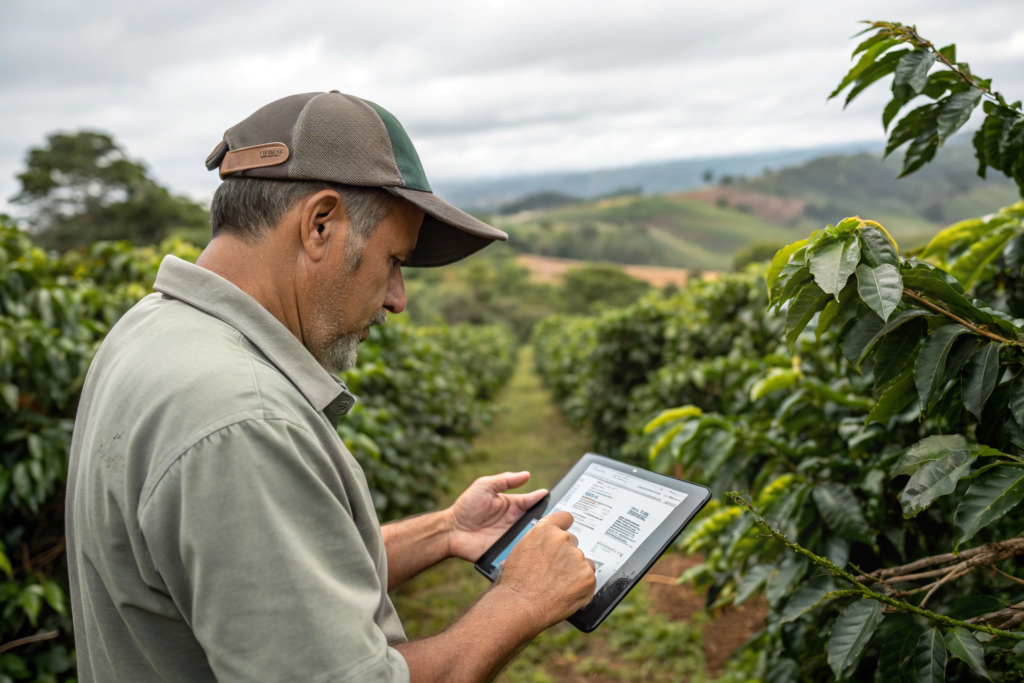
We now plant at multiple times rather than one fixed season. We monitor flowering triggers and adjust harvest planning accordingly. We've extended our harvest window from 3 months to nearly 5 by managing varieties and elevations differently.
How does climate affect flowering timing?
Coffee flowers in response to rain after dry periods. When rains come early, flowers come early. When rains come late, flowers wait. But irregular rain means irregular flowering—multiple flowerings across weeks instead of one concentrated flush.
This complicates harvest. Cherries ripen at different times. Picking becomes more expensive. Quality suffers if ripe and unripe mix. We respond by block planting—keeping separate harvest dates for different flowering groups. Visit coffee phenology and climate research for scientific understanding of flowering triggers.
What harvest strategies work with unpredictable weather?
More pickings. Smaller quantities each time. Higher labor costs but better quality. We used to pick each tree twice. Now we pick four or five times. More work, but less waste, fewer unripe cherries.
Some farmers strip-pick everything at once when weather threatens. Quick and cheap, but quality suffers. We resist that. Our buyers pay for quality, so we pay for careful picking. Working with Shanghai Fumao connects us with buyers who value that commitment.
What Soil Health Practices Build Climate Resilience?
Healthy soil handles climate stress. Unhealthy soil fails first. When drought comes, good soil holds moisture longer. When heavy rain comes, good soil absorbs instead of eroding. Soil is your farm's immune system.
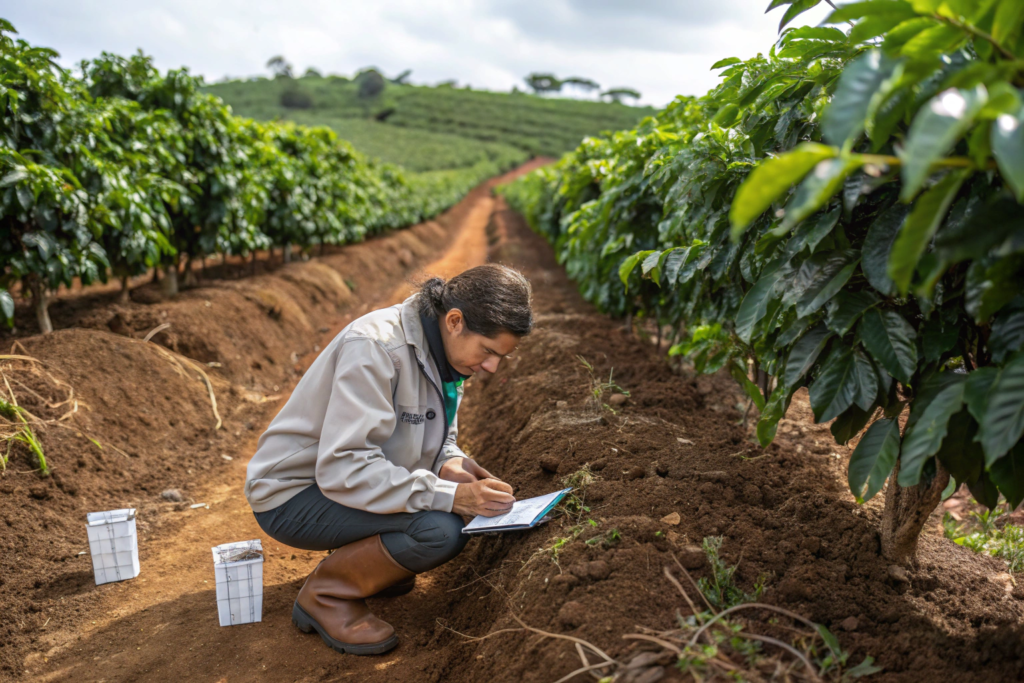
Organic matter is the key. Compost, mulch, cover crops, and reduced tillage build soil carbon. Higher organic matter means better water holding, better nutrient retention, better root growth. We test soil annually and adjust practices based on results.
How much organic matter is enough?
Four to five percent organic matter is excellent. Below three percent, soil struggles. Below two percent, it's basically dirt—no structure, no life, no resilience.
Building organic matter takes years. You can't buy it in a bag. You grow it by feeding soil life. Our oldest organic plots now test above 5 percent. Our conventional plots average 3.5. The difference shows in every drought. Check soil organic matter management for coffee for practical building strategies.
What role do cover crops play?
Cover crops protect bare soil between coffee rows. They prevent erosion, add nitrogen, feed microbes, and provide mulch when cut. They're like a living blanket for your soil.
We use legumes like mucuna and crotalaria. They fix nitrogen from air into soil. When we cut them, that nitrogen feeds coffee. No synthetic fertilizer needed. Review cover crop species for coffee systems for options that work in your climate.
Conclusion
Climate adaptation isn't one thing. It's many things working together. Shade trees protect from heat. Resistant varieties survive drought. Water systems bridge dry spells. Flexible schedules match shifting seasons. Healthy soil buffers everything. No single practice solves climate change. But together, they keep coffee growing when conditions worsen.
At Shanghai Fumao, we've spent 15 years learning these lessons on our own land. We share what works with buyers who visit. We show them the shade trees, the irrigation ponds, the compost piles. Because when you understand how we adapt, you understand why our coffee stays consistent year after year.
If you want to source from farmers who take climate seriously, contact our export manager, Cathy Cai. She'll share our sustainability reports and connect you with our agronomy team. Email her at cathy@beanofcoffee.com. Tell her what concerns you have about climate and supply stability. She'll respond within 24 hours with documentation that shows exactly how we're preparing for the future.