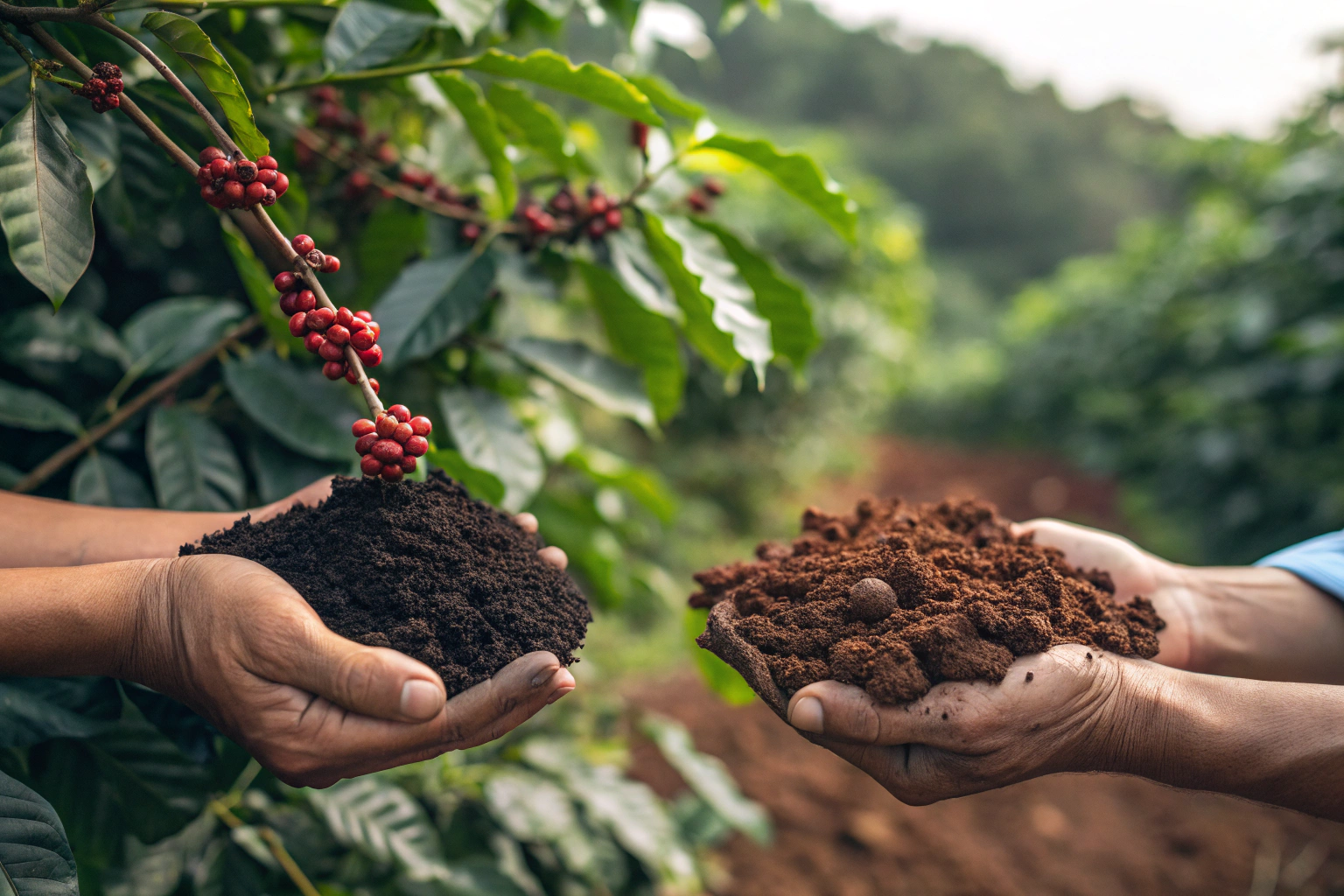
Have you ever tasted two coffees from the same country, maybe even the same region, and they tasted completely different? You're a buyer, Ron, you know quality. You wonder, "What makes one so much more vibrant and complex than the other?" You might think it's the processing or the roast, and you're partly right. But there's a deeper, more fundamental reason that often gets overlooked: the very ground the coffee grew in. It's frustrating when you can't pinpoint why a coffee shines (or doesn't), making it hard to source consistently amazing beans.
The simple truth is that soil is the foundation of a coffee bean's flavor potential. Different soil types—whether they are volcanic, clay, or loamy—contain unique mineral compositions and water retention properties that the coffee plant absorbs. These absorbed nutrients directly influence the bean's chemical makeup, ultimately shaping its acidity, body, and final taste in the cup. It's not just dirt; it's the primary ingredient that nature provides.
I've spent years walking through our 10,000 acres of coffee plantations here in Baoshan, Yunnan. I've felt the soil crumble in my hands, from the rich, dark earth of one plot to the reddish, denser soil of another. I can tell you from firsthand experience that the connection between the ground and the final cup is undeniable. It's the secret that great coffee growers have always known. So, let's dig in—literally—and explore how the earth beneath the tree creates the flavors you're searching for.
What is volcanic soil and why is it good for coffee?
You've probably seen "volcanic soil" used as a premium selling point on coffee bags. It sounds impressive, but what does it actually mean for you as a buyer? Is it just marketing hype, or is there a real, tangible benefit that justifies the buzz? You're right to be skeptical. In a market full of buzzwords, you need to know what actually translates to quality in the cup, because that's what your customers pay for.
Volcanic soil is prized for coffee growing because it is incredibly fertile, rich in essential nutrients like phosphorus, nitrogen, and potassium, and has excellent drainage. This combination allows coffee plants to develop deep, healthy root systems and produce coffee cherries that are dense with the complex sugars and organic acids that create exceptional flavor. It's a natural, slow-release fertilizer that provides everything the plant needs to thrive, resulting in a more vibrant and nuanced bean.
Think of it this way: a plant grown in nutrient-rich soil doesn't have to struggle for survival; it can focus all its energy on producing high-quality fruit. This is why many of the world's most famous coffee regions, from Central America to parts of Indonesia and our own region in Yunnan, are situated along volcanic ranges. The soil gives the coffee a head start on greatness. Let's break down exactly what makes this soil so special.
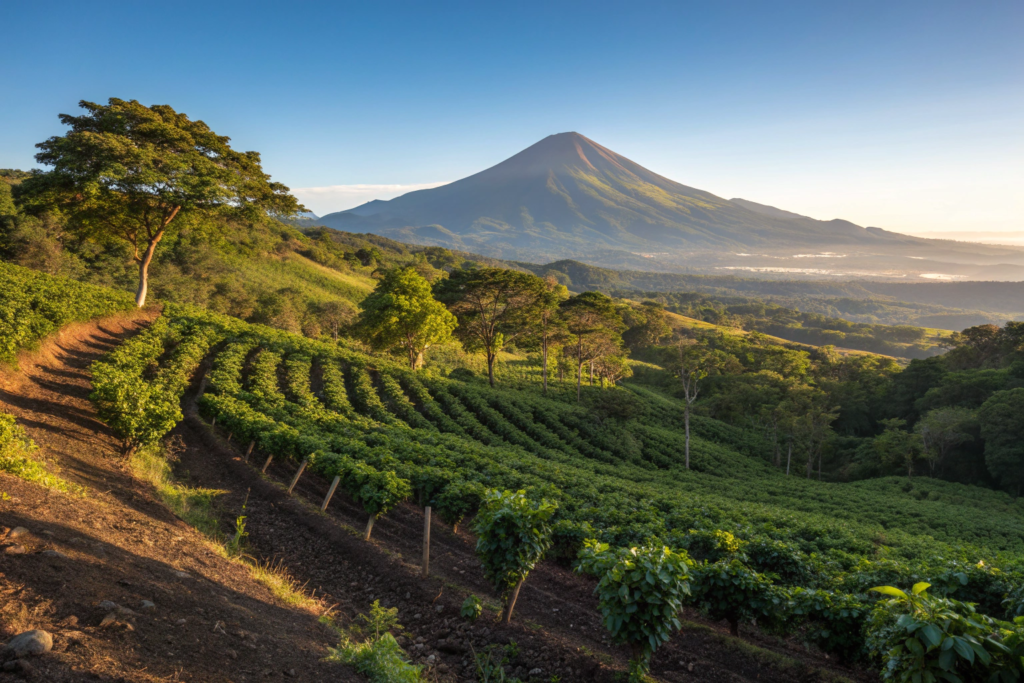
What nutrients are in volcanic soil?
Volcanic soil, or Andosol, is young, fresh, and packed with goodies. It's formed from weathered volcanic ash and lava, which are loaded with plant-available nutrients. We're talking about high levels of phosphorus, which is crucial for root and flower development; nitrogen, essential for leafy growth; and potassium, which helps regulate water and nutrient flow within the plant. It also contains a host of micronutrients like iron, zinc, and boron. This full-spectrum buffet of minerals means the coffee cherries ripen slowly and evenly, allowing them to develop more complex and concentrated sugars and acids. This complexity is what translates into those exciting flavor notes of fruit, flowers, and spice in the final cup.
How does drainage affect coffee quality?
Coffee plants hate having "wet feet." Poor drainage leads to waterlogged roots, which can cause root rot and other diseases, stressing the plant and leading to flat, uninteresting coffee. Volcanic soil is typically light and porous, with a loamy texture. This structure allows rainwater to drain away freely, preventing waterlogging while still retaining enough moisture to sustain the plant during drier periods. This excellent drainage forces the plant's roots to grow deeper in search of water, creating a stronger, more resilient plant. A happy, unstressed plant with a robust root system is the first and most critical step in producing a specialty coffee bean.
How do clay and loam soils compare for coffee?
Beyond the famous volcanic regions, most of the world's coffee, including some excellent varieties, grows in other soil types, primarily those with high clay or loam content. As a buyer, you'll encounter coffees from these regions, and they won't be advertised as "grown in clay soil." So how do you know what you're getting? Understanding the characteristics of these soils is crucial for predicting the flavor profile of the beans you source from suppliers like Shanghai Fumao.
Clay soils, known for their high water and nutrient retention, tend to produce coffees with a heavier body and a deep, earthy, chocolatey flavor profile. Loam soils, a balanced mix of sand, silt, and clay, are considered ideal for agriculture in general and typically yield well-rounded, balanced coffees with good sweetness and moderate acidity. The difference is all about how the soil interacts with water and delivers nutrients to the plant.
It's a bit like cooking. The same ingredient prepared in a different pot will taste different. Clay soil is like a slow cooker, holding onto everything and developing deep flavors. Loam is like a perfectly balanced all-purpose pan. Neither is inherently "bad," but they produce different results. Recognizing these potential flavor profiles helps you source the right beans for the specific products you want to create, whether it's a heavy-bodied espresso blend or a smooth, all-day drip coffee.
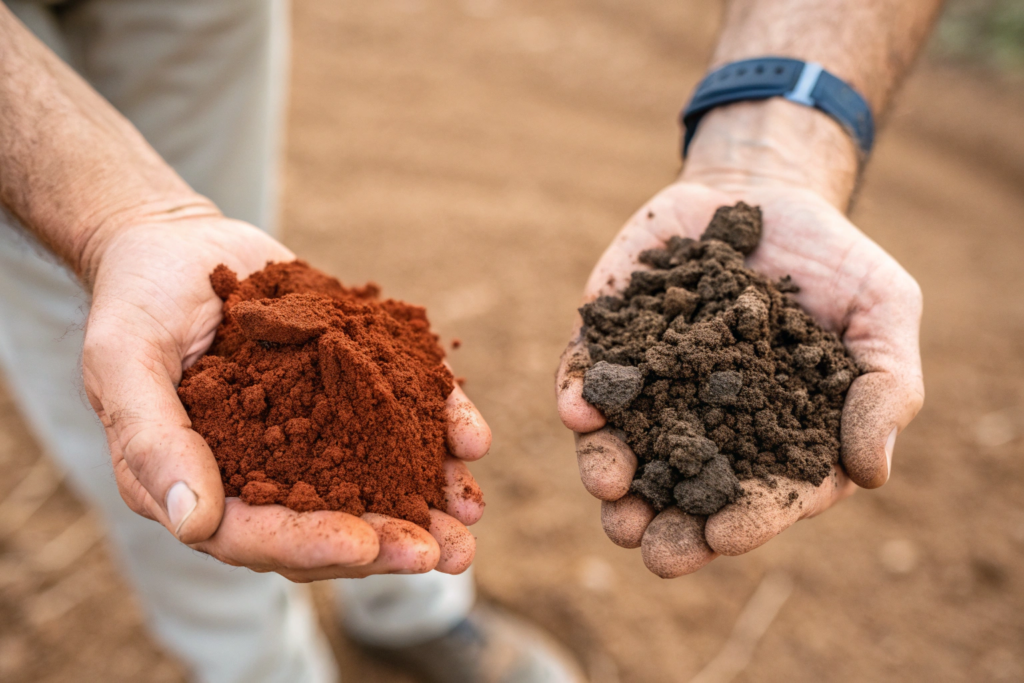
What flavor profile comes from clay soils?
Clay soils are made of very fine mineral particles. They can hold a lot of water and are often rich in nutrients. This "heavy" soil type can produce a coffee with a pronounced body or mouthfeel. The flavors are often less bright and acidic than those from volcanic soils, leaning more towards deep, resonant notes. Think dark chocolate, nutty, and earthy tones. Coffees from regions with a lot of red, iron-rich clay (known as Oxisols), like parts of Brazil, often exhibit this classic, comforting flavor profile. It's a fantastic base for espresso blends where body and richness are highly valued.
Why is loam considered a balanced soil?
Loam is the farmer's friend. It's a perfect mix of about 40% sand, 40% silt, and 20% clay. This composition gives it the best of all worlds: the drainage of sand, the nutrient retention of clay, and the moisture-holding capacity of silt. This balance makes it easy for plants to access water and nutrients without being waterlogged or starved. For coffee, this often results in a very well-rounded and "complete" cup. You can expect good sweetness, a pleasant, clean acidity, and a smooth body. It might not have the extreme flavor peaks of a high-altitude volcanic coffee, but it delivers consistent, high-quality, and crowd-pleasing results.
Does soil pH affect coffee taste?
We've talked about soil composition, but there's another crucial chemical property that has a massive impact: pH level. You might remember this from a high school chemistry class. It's the measure of acidity or alkalinity. For a coffee plant, the soil's pH level acts as a gatekeeper, controlling which nutrients it can and cannot absorb, no matter how rich the soil is. This is a subtle but powerful factor that can make or break a coffee's flavor potential.
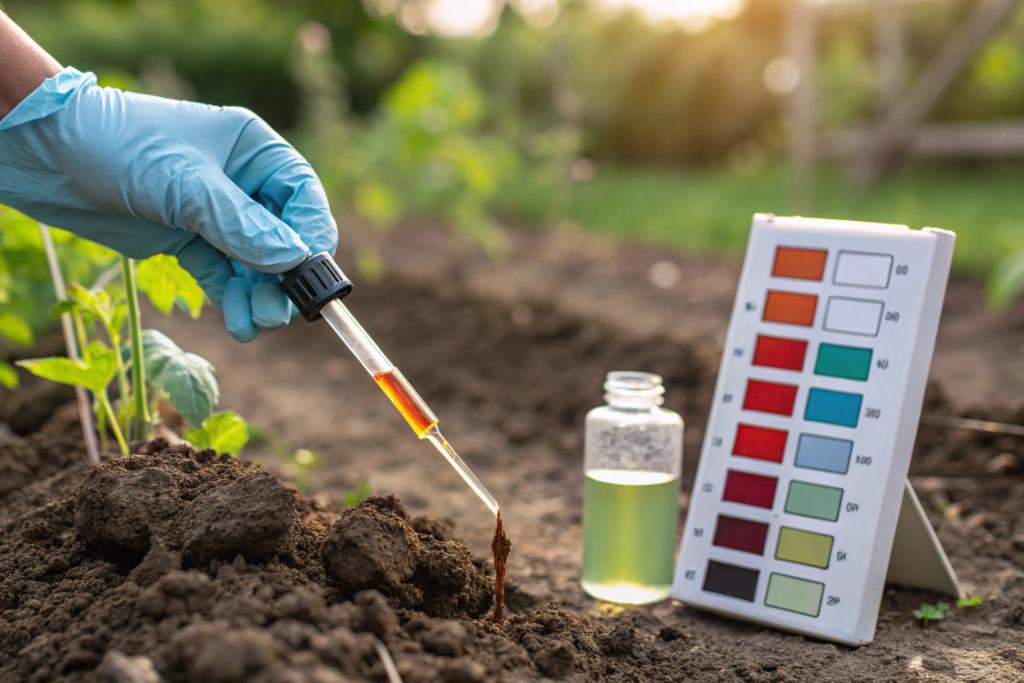
Yes, soil pH is critical because it directly affects the coffee plant's ability to absorb essential minerals. Coffee thrives in slightly acidic soil, ideally with a pH between 6.0 and 6.5. If the soil is too acidic or too alkaline, crucial nutrients like iron and phosphorus become "locked up" and unavailable to the plant, even if they are present in the soil. This nutrient deficiency stresses the plant and leads to underdeveloped beans with flat, uninspired flavors.
Think of it like having a key to a pantry full of food. The right pH is the key. Without it, the plant can't open the door to access the nutrients it needs to produce flavorful cherries. As growers, managing soil pH is one of our most important jobs. We regularly test and amend our soil to ensure it stays in that perfect "sweet spot." It's a technical detail that has a huge impact on the final quality of the beans we export from our Yunnan plantations.
What happens if the soil is too acidic?
If the soil pH drops too low (becomes too acidic), it can create a toxic environment for the coffee plant. Essential nutrients like phosphorus, calcium, and magnesium become less available. At the same time, levels of soluble aluminum and manganese can rise to toxic levels, stunting the plant's growth and damaging its root system. A plant struggling in highly acidic soil will produce small, low-quality cherries, resulting in a coffee that might taste sour or thin. It's a constant battle for survival, and flavor development is the last thing on the plant's mind.
What happens if the soil is too alkaline?
While less common in major coffee-growing regions, highly alkaline soil (high pH) also causes problems. The main issue here is that it locks up key micronutrients, especially iron. An iron deficiency, known as iron chlorosis, is easy to spot: the plant's leaves turn yellow while the veins remain green. This means the plant can't perform photosynthesis efficiently. This lack of energy production leads to poor cherry development and a weak, lackluster flavor in the cup. Maintaining that slightly acidic balance is everything.
How does terroir go beyond just soil?
We've focused heavily on soil, but it's important to zoom out and see the bigger picture. Soil is just one piece of a much larger, more complex puzzle that the wine world calls "terroir." You've likely heard this term. It's a French word that doesn't have a perfect English translation, but it encompasses every environmental factor that influences a crop's final flavor. For a coffee buyer, understanding terroir is the key to understanding why a coffee tastes the way it does.
Terroir is the complete natural environment in which a particular coffee is produced, including factors such as the soil, topography (altitude and slope), climate (temperature and rainfall), and the surrounding ecosystem. It's the unique "sense of place" that gets imparted to the coffee bean. Soil is the foundation, but altitude provides the cool temperatures for slow cherry development, and rainfall patterns dictate the growing cycle. They all work together.
It's the combination of these elements that creates a truly unique and memorable coffee. A Catimor bean grown in our volcanic soil in Yunnan at 1,400 meters will taste different from the exact same variety grown in clay soil at 900 meters somewhere else. This is why origin matters so much. It's not just a location on a map; it's a unique recipe of environmental ingredients. As we at Shanghai Fumao know, our specific terroir in Baoshan is our most valuable asset.

How does altitude interact with soil?
Altitude is a huge factor. Higher altitudes generally mean cooler temperatures, especially at night. This slows down the coffee cherry's maturation process. This longer ripening period allows the bean to develop more complex sugars and a brighter, more pronounced acidity. When you combine high altitude with nutrient-rich volcanic soil, you get the best of both worlds: the raw materials for great flavor from the soil and the time to fully develop that potential from the altitude. This is the magic combination behind many of the world's most sought-after specialty coffees.
What is the human element of terroir?
Terroir isn't just about nature; it also includes the human touch. The traditions and cultivation practices of the farmers are essential. This includes decisions on how to prune the trees, whether to use shade-growing techniques, and, most critically, when and how to harvest the cherries. Picking only the perfectly ripe, red cherries by hand is a crucial human decision that has a massive impact on the final cup quality. These farming traditions, passed down through generations, are the final, critical ingredient in a coffee's terroir.
Conclusion
In the end, the ground beneath the coffee tree is far more than just dirt. It's the starting point of flavor. From the nutrient-packed volcanic soils that produce bright, complex coffees to the heavy clay soils that yield deep, chocolatey notes, the earth imparts a unique signature on every bean. Understanding this connection—the fundamentals of terroir—elevates you from just a buyer to a true coffee connoisseur. It allows you to look at a coffee's origin and make an educated guess about its character, helping you source with more precision and confidence. The soil is the silent partner in every great cup of coffee.
If you're looking for a coffee that tells a story of its origin, a story of rich soil and careful cultivation, let's connect. We can provide you with exceptional Catimor, Arabica, and Robusta beans that truly express the unique terroir of our Yunnan plantations. Reach out to our coffee expert, Cathy Cai, at cathy@beanofcoffee.com to learn more and request a sample.