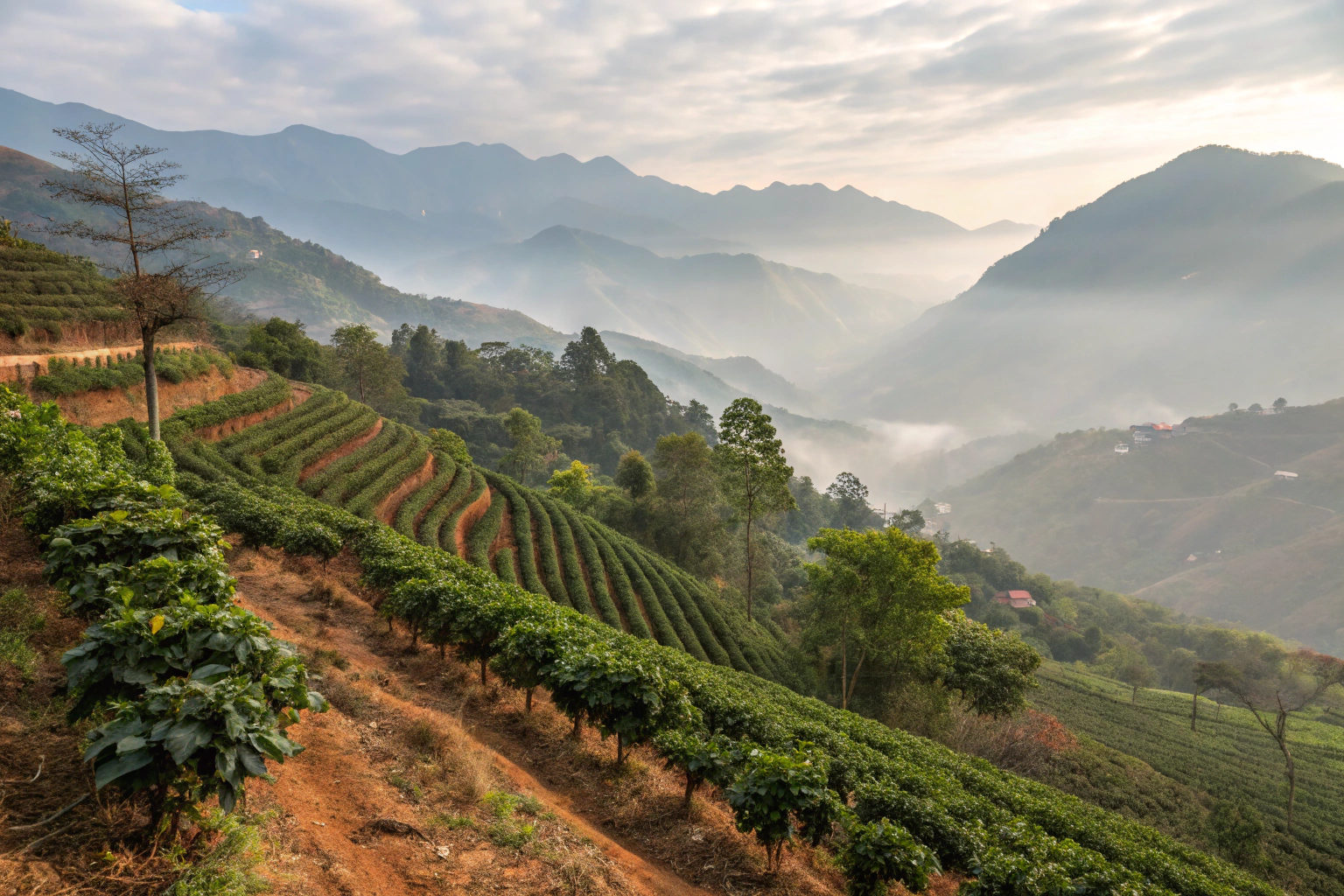
You're comparing two coffee bags. One says "High-Grown Arabica - 1600m." The other has no altitude listed. The high-grown coffee costs more. Is this just a marketing trick, or does elevation genuinely create a better bean? For anyone serious about coffee, this isn't just trivia—it's fundamental to understanding why some coffees taste complex and vibrant while others fall flat.
Altitude is one of the most critical factors determining coffee quality. Higher altitudes produce a denser bean with more concentrated sugars and complex acids, leading to a more flavorful, aromatic, and desirable cup. Lower altitudes typically yield softer, simpler beans used for commercial blends. The difference comes down to how the coffee plant struggles and adapts to cooler, slower-growing conditions.
So, how does a simple change in elevation transform the very chemistry inside a coffee bean? It's a story of survival, where stress creates flavor. Let's climb up the mountainside and see what happens.
Why Do Higher Altitudes Create a Denser, Harder Bean?
The coffee plant is a survivalist. At higher elevations, it faces a combination of cooler temperatures, thinner air, and greater UV exposure. This stressful environment forces the plant to work harder and smarter, fundamentally changing how it grows.
The plant's response to this "struggle" is to grow slower and protect its seeds more effectively. This results in a denser, harder bean with a more concentrated cellular structure. This density is the physical foundation for all subsequent quality advantages.
How Does Slower Growth Develop Flavor?
Think of it like a tomato grown in a summer garden versus a greenhouse. The garden tomato, growing slower in natural conditions, develops more complex sugars and flavors. Coffee behaves the same way. The cooler temperatures at altitude slow down the cherry's maturation process. This gives the bean more time to develop a greater number of flavor precursors—the complex sugars and acids that become the notes of fruit, chocolate, and flowers we taste after roasting. This slow development is key to coffee quality.
What is a "Hard Bean" and Why Does it Matter?
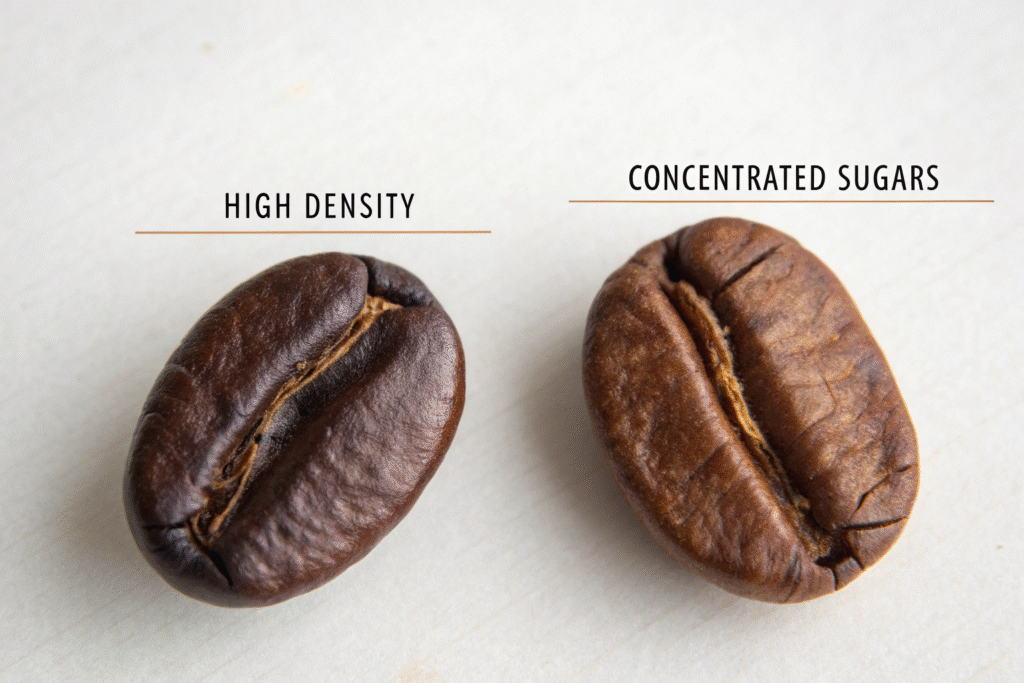
You'll often see grades like SHB (Strictly Hard Bean) or HB (Hard Bean) on bags from high-altitude regions. This isn't just a label; it's a measurable physical characteristic. Dense, hard beans are more resilient and can withstand a wider range of roasting profiles without scorching. They also contain more of the organic compounds that create complex aromas and flavors. This density is a direct result of the plant's adaptation to its mountain environment.
How Does Altitude Directly Influence Acidity and Sweetness?
The flavors we prize most in specialty coffee—bright acidity and nuanced sweetness—are direct products of high-altitude growing conditions. The environment doesn't just change the bean's structure; it changes its very chemical composition.
Higher altitudes lead to a greater concentration of sugars (sucrose) and certain acids (like citric and malic acid) within the bean. These compounds are the building blocks of flavor that are revealed during roasting.
Why is Acidity a Sign of Quality?
In coffee terminology, "acidity" doesn't mean sourness. It refers to a bright, sparkling, wine-like quality that gives coffee its liveliness and structure. At higher altitudes, the cool nights slow the plant's respiration, causing it to retain more of these desirable acids. A coffee from our Yunnan highlands, for instance, will have a noticeable citrus or apple-like brightness that is completely absent in a low-grown bean. This vibrant acidity profile is a hallmark of specialty grade coffee.
Where Does the Complex Sweetness Come From?
The slow maturation process allows more sucrose to accumulate in the bean. During roasting, this sucrose caramelizes and breaks down into a wide range of sweet-tasting compounds. This is why high-altitude coffees often have notes of caramel, honey, or ripe fruit, rather than a simple, generic sweet taste. The amount of sucrose is a key metric for coffee graders when assessing potential quality.
What is the Practical Range for Coffee Growing Altitudes?
Not all high places are equal, and the ideal range varies by region and proximity to the equator. Knowing these ranges helps you understand a coffee's potential before you even taste it.
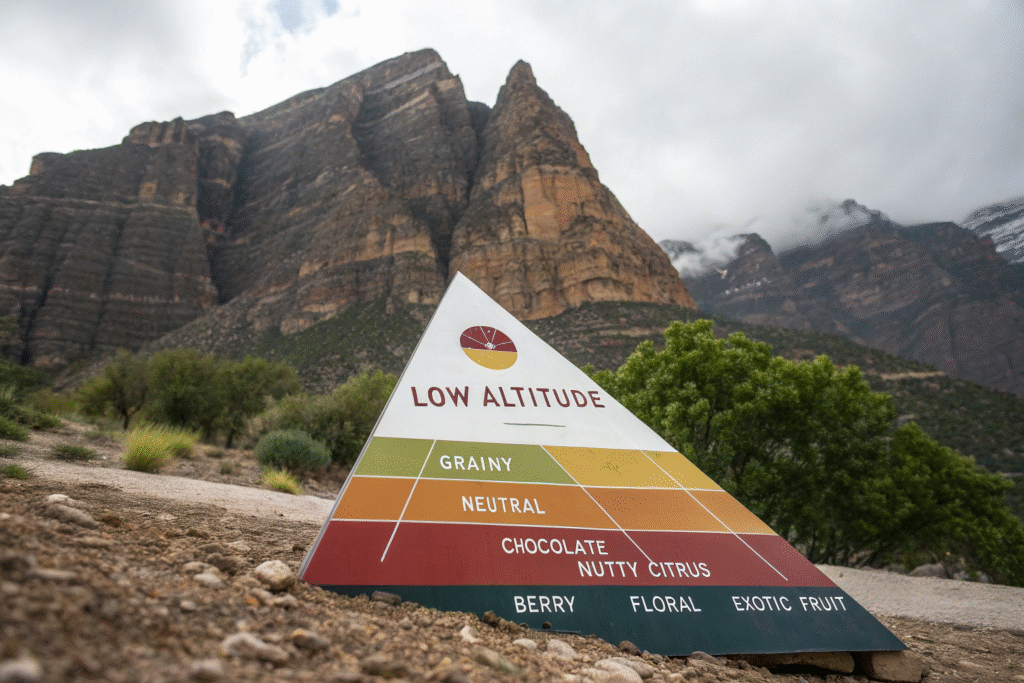
Coffee is typically grown between 600 and 2,200 meters (2,000 - 7,200 ft) above sea level. The quality ladder generally climbs with the altitude, but there is a point of diminishing returns where it becomes too cold for the plant to thrive.
How Does the "Sweet Spot" Vary by Region?
Because temperature decreases with altitude, the ideal growing band is lower farther from the equator and higher closer to it. For example, in Yunnan, China, where our BeanofCoffee farms are located, the premium growing altitudes are between 1,200 and 1,800 meters. This provides the perfect balance of cool temperatures and ample sunshine to produce the dense, flavorful beans we specialize in. This regional altitude sweet spot is crucial for farmers to understand.
What Are the Common Altitude Classifications?
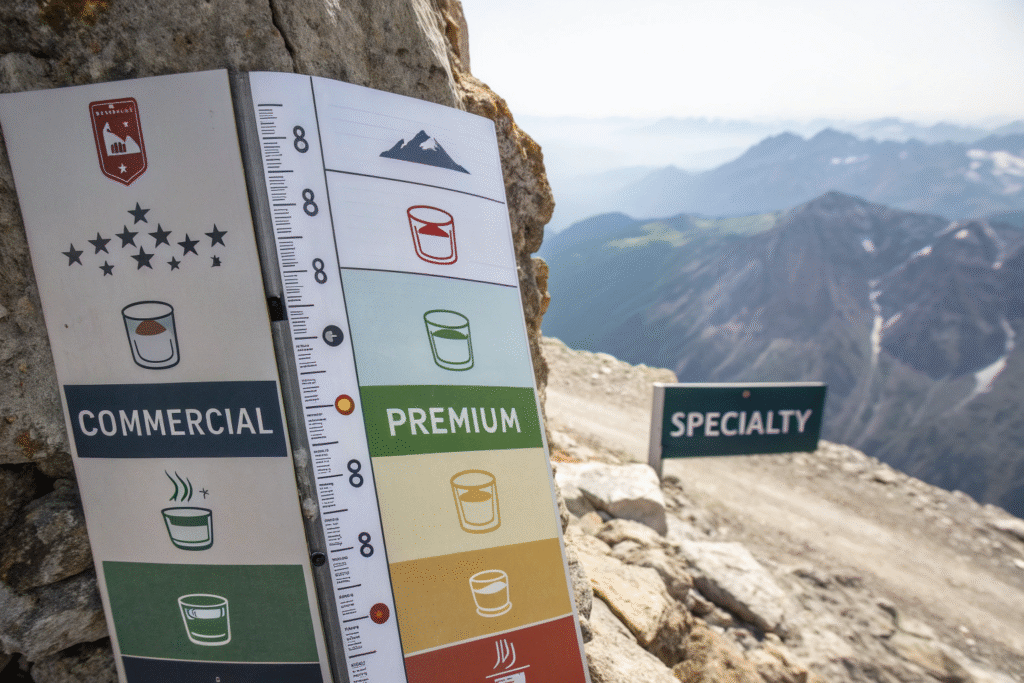
Here's a general guide to how altitude correlates with quality:
| Altitude (meters) | Quality Grade | Common Characteristics |
|---|---|---|
| < 900m (3,000 ft) | Low-Grown / Commercial | Simple, soft, mild flavor; often used for mass-market blends |
| 900m - 1,200m (3,000-4,000 ft) | Medium-Grown / Good Quality | Balanced body and acidity; good for espresso blends |
| 1,200m - 1,500m (4,000-5,000 ft) | High-Grown / Premium | Bright acidity, good body, and noticeable sweetness |
| > 1,500m (5,000 ft+) | Strictly Hard Bean (SHB) / Specialty | Complex, vibrant acidity, intense aroma, and nuanced flavors |
This is why altitude is a non-negotiable part of our sourcing and marketing at BeanofCoffee.
Are There Any Drawbacks to High-Altitude Farming?
While the quality benefits are clear, the pursuit of altitude comes with significant challenges. These challenges explain the higher price tag and underscore the dedication of high-altitude farmers.
The main drawbacks include lower yields, increased risk of frost, difficult terrain for harvesting, and a longer, more expensive growing cycle. High-altitude coffee is inherently more costly and risky to produce.
Why is the Yield Lower?
The same stressful conditions that create flavor also slow the plant's growth and fruit production. A coffee plant in the lowlands may produce a much larger harvest than a similar plant struggling on a high-altitude slope. This lower yield is a primary driver of the higher cost. You're paying for intensity over volume. This is a fundamental concept in agricultural economics.
How Does Terrain Impact Cost and Labor?
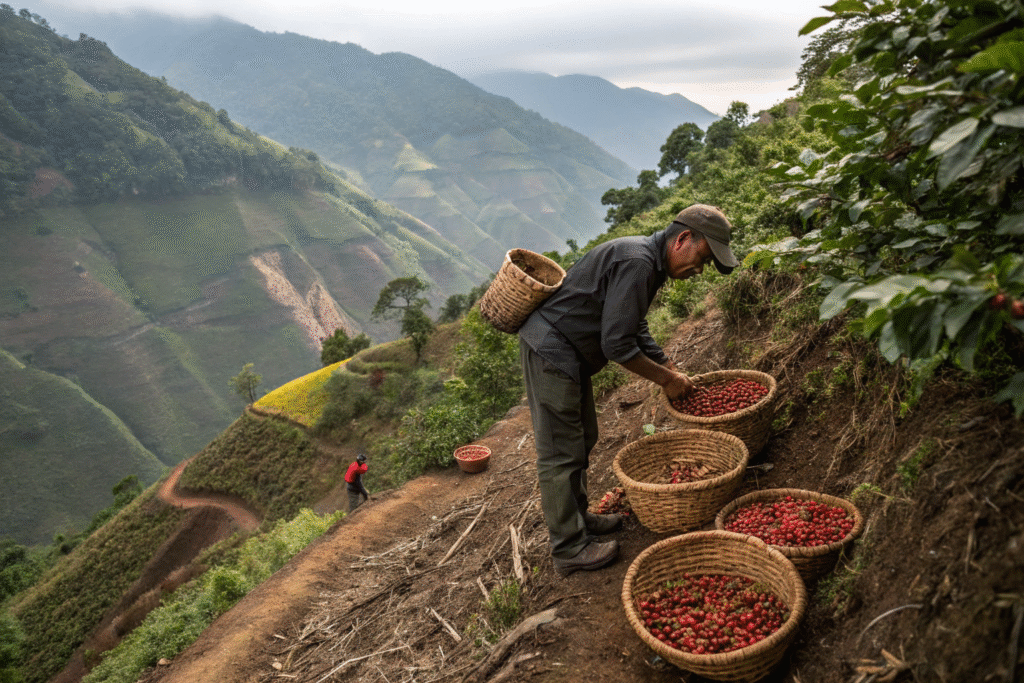
Machinery often cannot operate on steep mountain slopes. This means harvesting is almost always done by hand, a slow and labor-intensive process. Getting the harvested cherries down the mountain also adds time and cost. This manual, careful work contributes to the premium quality but also to the final price. When you buy high-altitude coffee, you are also supporting this intensive manual labor.
Conclusion
Altitude is not a marketing gimmick; it is a fundamental driver of coffee bean quality. The struggle for survival at higher elevations forces the coffee plant to invest its energy into creating a dense, complex seed, resulting in the bright acidity, complex sweetness, and profound aromas that define great coffee.
Understanding altitude allows you to make informed purchasing decisions and appreciate the true cost behind a premium bag of beans. It represents a commitment to quality over quantity, and a testament to the skill of farmers who work challenging lands. For roasters and brands seeking these superior beans, the origin's elevation is a key data point. We at BeanofCoffee are proud to cultivate our Arabica at these optimal high altitudes in Yunnan. To experience the difference that altitude makes, contact our export manager, Cathy Cai, at cathy@beanofcoffee.com for samples.