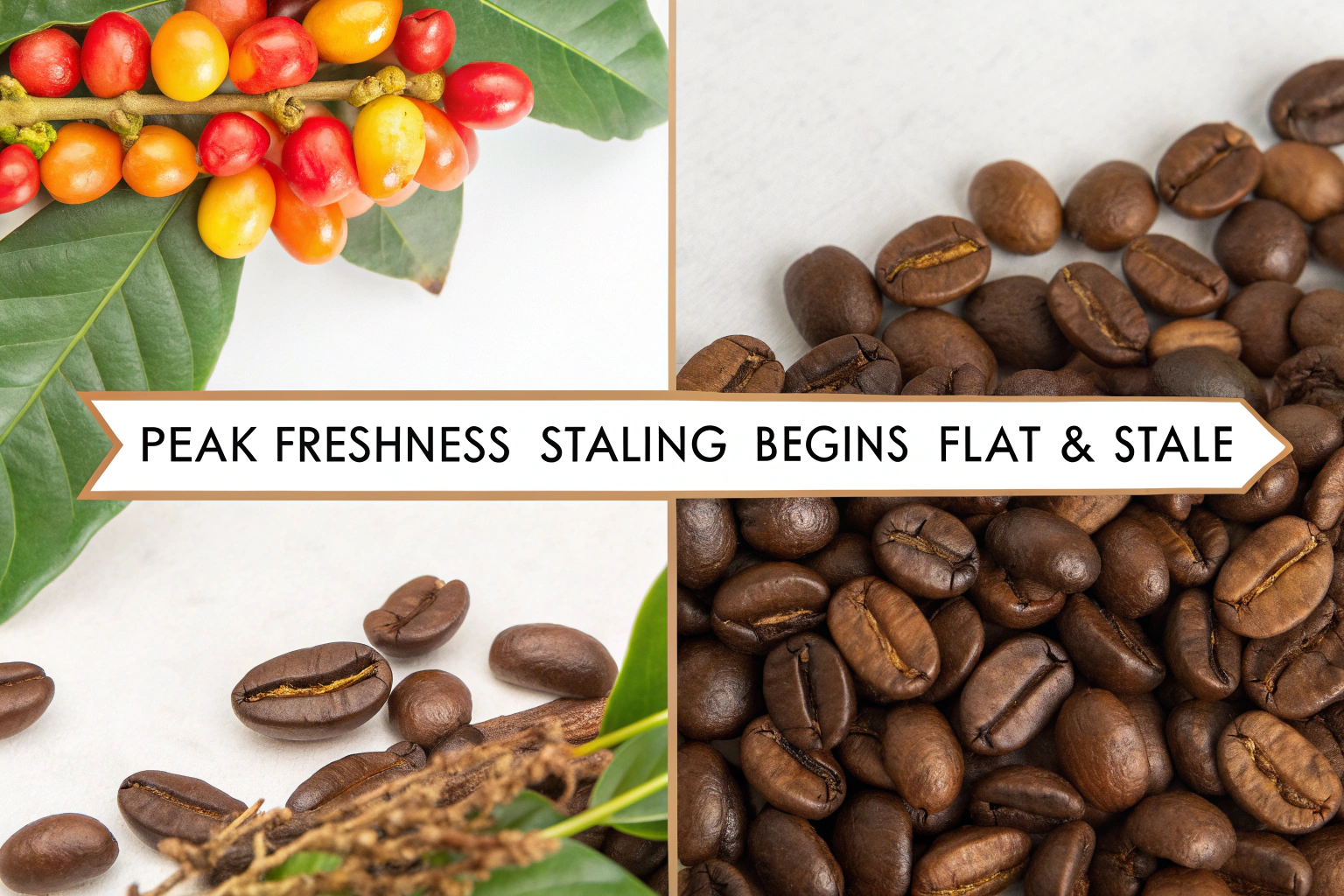
You just opened a bag of coffee beans. They look perfect—oily, dark, and whole. But when you brew them, the taste is flat, dull, or even stale. What happened? Chances are, the beans’ age played a bigger role than you expected. Whether you’re a roaster, a café owner, or a serious home brewer, understanding how time changes coffee is key to delivering—and enjoying—that perfect cup.
The age of coffee beans critically affects flavor and aroma due to the gradual loss of volatile aromatic compounds and the oxidation of oils. After roasting, beans release carbon dioxide and undergo staling: bright, fruity, and floral notes fade first, followed by a flattening of body and the emergence of stale, cardboard-like or rancid off-flavors. However, a brief “resting” period post-roast (often 3–7 days for filter, 5–14 days for espresso) can improve balance and sweetness. Ultimately, freshness is a race against time, governed by roasting date, packaging, and storage conditions.
So, why does this happen at a chemical level? And how can you, as a buyer or business, navigate the timeline from roast to brew? Let’s unpack the science and the practical realities—especially when you’re sourcing beans that have traveled across oceans from farms like ours in Yunnan.
What Chemical Changes Occur as Coffee Beans Age?
Think of a freshly roasted coffee bean as a tiny, flavorful volcano—actively degassing and full of life. But what exactly is escaping, and what’s breaking down inside? The changes aren’t just about “getting old”; specific chemical reactions are stealthily rewriting your coffee’s flavor profile every day.
In simple terms, aging coffee loses volatile aromatic compounds (the top notes like citrus, jasmine, or berries) to the air, while oils oxidize (turning rancid) and complex sugars break down. The most noticeable process is degassing: freshly roasted beans release CO₂, which protects them from oxygen initially. Once degassing slows, oxygen invades, triggering oxidation that mutes acidity and transforms fresh, complex flavors into dull, stale ones. That’s why the “bloom” during brewing diminishes with age—less CO₂ left to escape.
Which aromatic compounds disappear first?
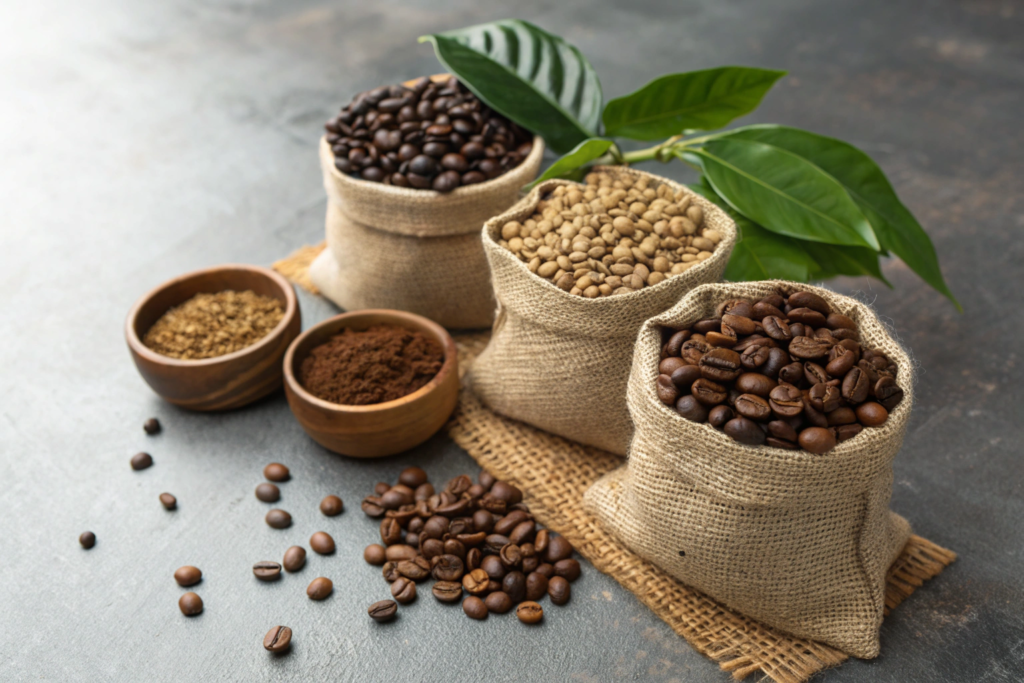
The most delicate volatile compounds vanish within days to weeks. These include methanethiol (contributing fresh, fruity notes) and certain aldehydes (responsible for green, floral aromas). They’re so light that they escape easily with the CO₂. What remains longer are heavier, often less pleasant compounds—like those that give a woody or cereal-like character. That’s why an older bean might smell “like coffee” but lack the sparkling high notes. In our quality control at BeanofCoffee, we track this by regular cupping at set intervals post-roast. The difference between day 7 and day 30 is stark, especially for delicate Yunnan Arabica lots.
How does oxidation affect oils in coffee beans?
Coffee beans contain natural oils that emerge on the surface after roasting. These oils are flavor carriers—but they’re also vulnerable. Exposure to oxygen causes lipid oxidation, a chain reaction that produces rancid, bitter off-flavors. You might know this as the “old cupboard” taste. Light and heat accelerate this dramatically. That’s why proper packaging isn’t just a nice-to-have; it’s a barrier against this chemical attack. For exporters, this means shipping beans in high-barrier bags with one-way degassing valves—a standard we adhere to strictly at Shanghai Fumao to preserve integrity during long voyages to the U.S. or Europe.
What Is the Ideal “Resting” Period vs. “Staling”?
Here’s a paradox: coffee can be both too fresh and too old. Drink it right after roasting, and it might taste sharp, gassy, or overly bright. Wait too long, and it turns flat. So, where’s the sweet spot? Understanding the difference between beneficial resting and detrimental staling is crucial for any serious brewer or buyer.
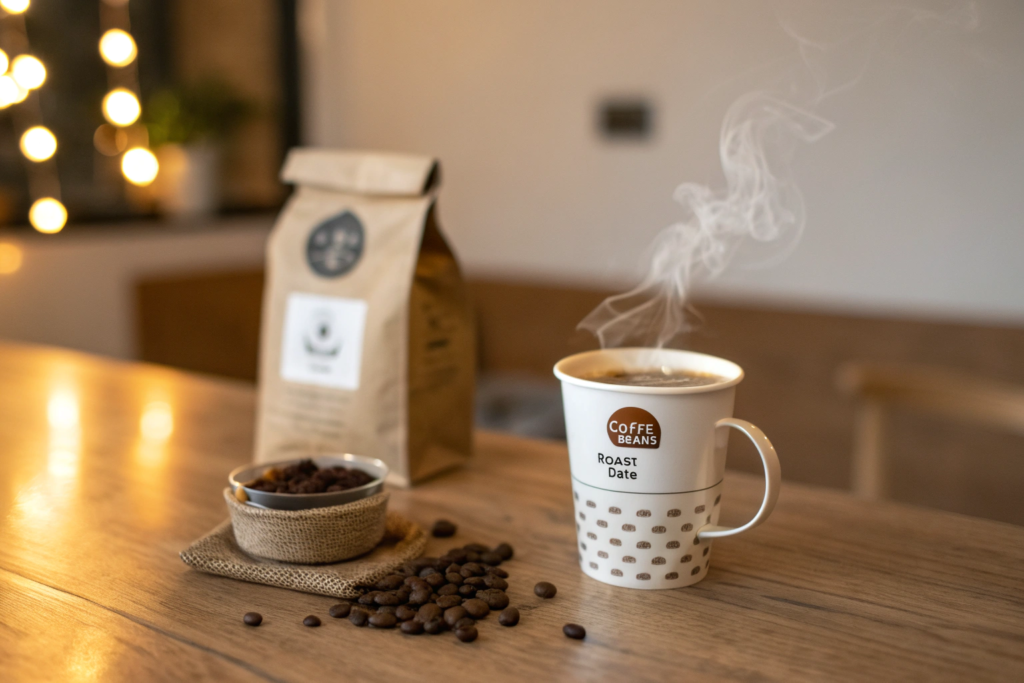
The ideal resting period is the window when CO₂ levels have dropped enough to allow even extraction, but before oxidation has stolen the defining aromas. For most brewing methods, this peaks between 5–14 days post-roast. Espresso often needs more rest (7–14 days) because high pressure interacts with CO₂; filter coffee can be great earlier (3–7 days). Staling, on the other hand, is the irreversible loss of desirable flavors and the gain of off-flavors, typically becoming noticeable around 3–4 weeks post-roast for beans in open air, though proper packaging can delay this.
How does roast level affect the aging timeline?
Darker roasts age faster. The longer, hotter roast creates more porous bean structure and brings more oils to the surface, exposing them to oxygen sooner. They also contain less CO₂ to begin with. So, a dark roast might peak at 3–5 days post-roast and stale noticeably by week 2. Lighter roasts, with denser structure and retained acidity, often have a longer peak window—sometimes 10–20 days. This is critical for inventory planning. If you’re a distributor holding stock, you need to rotate darker roasts much faster. Our Yunnan Catimor, which we often roast medium for export, holds its balanced, nutty-chocolate profile well for about 4 weeks in sealed bags—a fact we verify for clients.
Can packaging truly extend the fresh shelf life?
Absolutely, and it’s a game-changer for international trade. High-quality packaging with a foil laminate barrier and a one-way degassing valve can extend the “fresh” window to 6–12 months unopened, by drastically slowing oxygen ingress. Once opened, the clock speeds up dramatically. For buyers importing from China, insist on this packaging. It’s not just about the bag; it’s about the supplier’s process. Are the beans packaged immediately after resting? At what humidity? We pack our export lots at optimal moisture content (around 10–12%) in a climate-controlled room to lock in freshness right at the source.
How Should Coffee Beans Be Stored to Preserve Freshness?
You’ve sourced fantastic, freshly roasted beans. Now, how do you keep them that way? Wrong storage can undo all the care taken during farming, roasting, and shipping. The enemies are universal: oxygen, light, heat, and moisture.
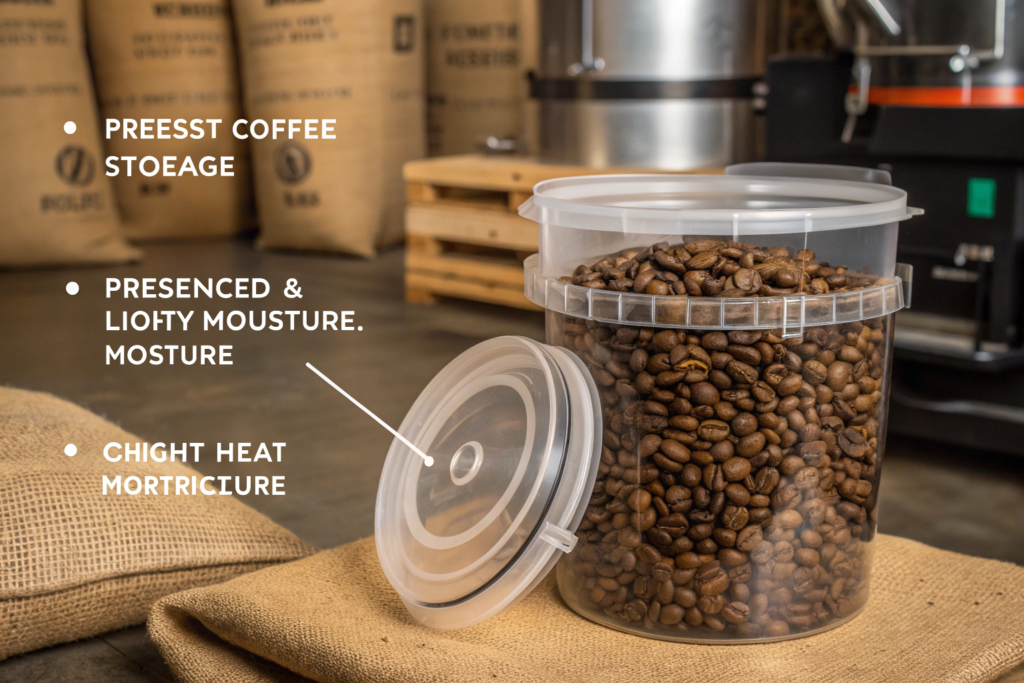
The best practice is to store whole beans in an opaque, airtight container at cool room temperature (around 20°C/68°F), away from sunlight and strong odors. For long-term storage (over a month), freezing in a truly airtight, moisture-proof container is a viable professional tactic, but only if done correctly—dividing into single-use portions to avoid repeated thawing. Never store coffee in the refrigerator, as it introduces moisture and causes odor contamination.
Does grinding accelerate staling, and why?
Grinding increases the surface area exposed to air by a factor of hundreds. It’s like hitting fast-forward on staling. Oxidation happens in minutes, not days. That’s why the universal gold rule is: grind just before brewing. For businesses like cafés, this means investing in good grinders and training staff on the importance of fresh grinding. For roasters and exporters, it also means we almost never ship pre-ground coffee for quality reasons—unless it’s a specific, immediate-use request. The difference in aroma loss between whole bean and ground is so dramatic you can smell it.
What are the real effects of heat and humidity during storage?
Heat accelerates every chemical reaction, including oxidation and the breakdown of flavor compounds. Storing beans near an oven or in a hot warehouse is a recipe for flat coffee. Humidity is sneakier. Too much moisture (above 12–13%) makes beans soggy, dulls flavor, and risks mold. Too little (below 9%) can make them brittle and overly sharp. For exporters, this is a major logistics focus. We ensure our containers are not placed near ship engines and we monitor conditions, because a journey from Yunnan to Los Angeles crosses varied climates. Proper storage starts with us, the supplier, and must continue with you, the buyer.
How Can Buyers Verify Freshness When Importing Coffee?
You’re not there to smell the beans when they’re packed. How can you, as an importer or large buyer, ensure you’re receiving fresh coffee—not beans that were already stale before they left the origin country? Trust, but verify. This requires clear agreements and smart use of documentation.
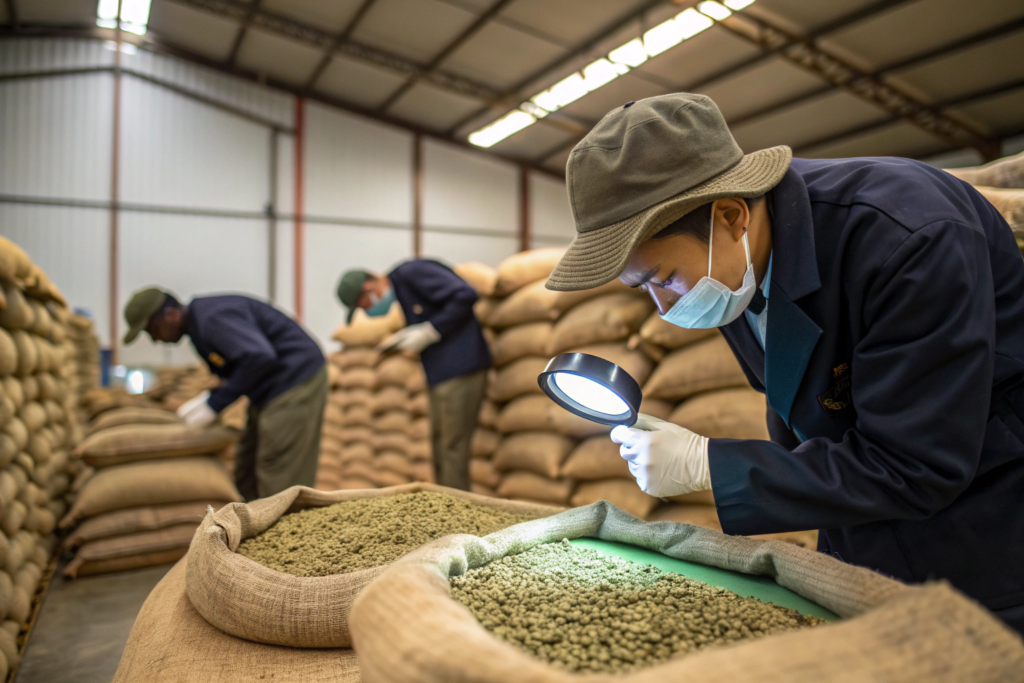
The most reliable method is to specify and contractually agree on a maximum “roast-by” or “packaging date” relative to the shipping date. Then, verify it upon receipt. The roast date should be clearly printed on the bag—not a coded batch number. Upon arrival, perform a quality check: inspect the bags for valve integrity, brew a cup, and compare it to the pre-shipment sample. A noticeable drop in bloom activity and aroma intensity is a red flag.
What documentation should I request regarding bean age?
Request a Certificate of Analysis (CoA) that includes the roast date, moisture content, and water activity level at the time of packaging. Also, the Packing List should list the production/roast dates for each batch. Reputable exporters provide this as standard. For instance, with every shipment from BeanofCoffee, we include a CoA that states these parameters. It gives you objective data. If a supplier hesitates to provide a roast date, consider it a major warning sign.
Can technology help monitor freshness during transit?
Yes, increasingly so. While not yet universal, some high-value shipments now use simple data loggers inside the container to track temperature and humidity throughout the voyage. This data can show if the beans endured heat spikes that would accelerate staling. For most buyers, a simpler approach is to calculate the total time from roast to arrival. Work with your supplier to minimize this “pipeline time.” At Shanghai Fumao, we streamline our process: roast → rest → package → ship within a planned 7–10 day window for ocean freight orders, ensuring you receive beans within their prime window.
Conclusion
The age of coffee beans is a silent puppeteer of flavor and aroma. From the explosive freshness just after roast, through the brief, beautiful peak, and into the slow decline of staling, time transforms what’s in your cup. For businesses, mastering this timeline isn’t just about quality—it’s about inventory management, customer satisfaction, and value preservation. The key is partnering with a supplier who respects this science, from precise roasting and degassing to high-barrier packaging and transparent dating.
If you are importing coffee and want to ensure your beans arrive not just with good quality, but with vibrant, predictable freshness locked in, let’s talk. We control our Yunnan-grown Arabica, Catimor, and Robusta from harvest to export packaging, and we’re meticulous about roast dates and logistics. For a sample and to discuss how we can meet your freshness specifications, contact our export manager, Cathy Cai. She can provide detailed timelines and documentation. Reach Cathy at: cathy@beanofcoffee.com.