
You've found a promising Chinese coffee supplier online. Their prices are competitive, their website looks professional, and they claim to have large plantations in Yunnan. But how can you be sure they are legitimate, reliable, and capable of delivering the quality they promise? For a buyer like Ron, whose business depends on security, timeliness, and consistent quality, choosing the wrong supplier is one of the costliest mistakes you can make. A poor assessment can lead to financial loss, legal headaches, and a tarnished brand reputation.
So, how do you assess the reputation of a Chinese supplier? It's a forensic process that goes far beyond a slick website. You need to gather evidence from multiple, independent sources to build a complete picture of their credibility, operational capability, and business ethics. As a reputable Chinese exporter ourselves, Bean of Coffee, we understand the scrutiny you must apply. We also know the green flags that separate serious partners from risky intermediaries.
Let's walk through a systematic due diligence checklist to verify a supplier's reputation before you sign a contract or send any money.
How to conduct initial online verification?
Start with digital footprint analysis. A legitimate business will leave a consistent, verifiable trail across various platforms. Inconsistencies or a lack of history are major red flags.
This step can be done from your desk and will quickly filter out obviously unreliable operators.
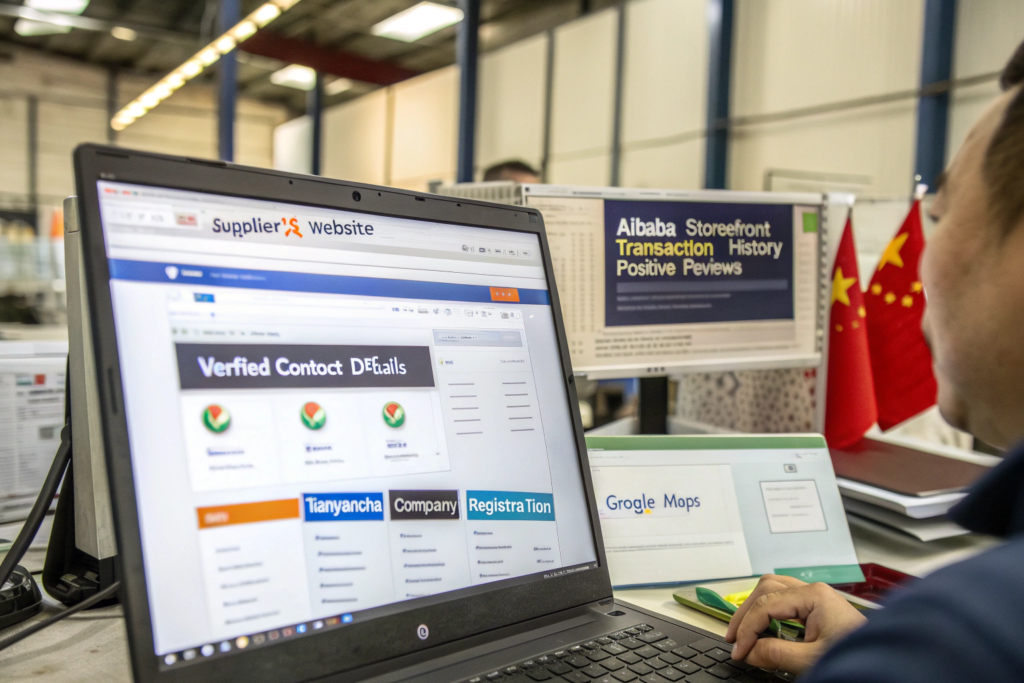
What should you look for on B2B platforms and their website?
- B2B Platform Profiles (Alibaba, Made-in-China):
- Transaction History & "Gold Supplier" Status: How long have they been a member? What is their transaction level? A long history with consistent activity is positive. Alibaba's "On-site Check" or "Assessed Supplier" badges indicate a third-party verification visit.
- Customer Reviews: Read them critically. Look for detailed reviews with photos from buyers in your target market (e.g., USA, Europe). Be wary of generic, repetitive praise.
- Response Quality: Are their responses to inquiries professional, detailed, and knowledgeable about coffee specifics (processing, grading, logistics)?
- Company Website:
- Professionalism: Is it well-designed with original content, or a generic template filled with stock photos?
- Specificity: Do they provide detailed information about their own operations—photos/videos of their farms, processing stations, warehouse, and team? Vague claims like "we work with many farms" can mask being a mere trader.
- Contact Transparency: Is there a clear physical address, landline phone number, and email using a company domain (e.g.,
@beanofcoffee.com), not a generic Gmail or QQ email?
How to verify official business registration and legal standing?
In China, every legitimate business has a unique Unified Social Credit Code. You can and should verify this.
- Ask for Business License: Request a clear copy of their official Business License . A reputable supplier will provide this readily.
- Use Verification Tools: Use Chinese platforms like Tianyancha or Qichacha . Input their company name or credit code to check registration status, legal representatives, paid-up capital, and any historical legal disputes or irregularities. These are the Chinese equivalents of a Dunn & Bradstreet report.
- Check Export Credentials: For food products, verify they have a valid Export Registration filed with the Chinese Customs (GACC) and, if applicable, certifications like FDA Registration for the U.S. market.
How to evaluate operational capability and quality control?
A supplier can be legally registered but still lack the infrastructure to deliver consistent quality at scale. You need to assess their tangible assets and processes.
This moves from paperwork to practical capability. The goal is to confirm they control the supply chain they claim to control.
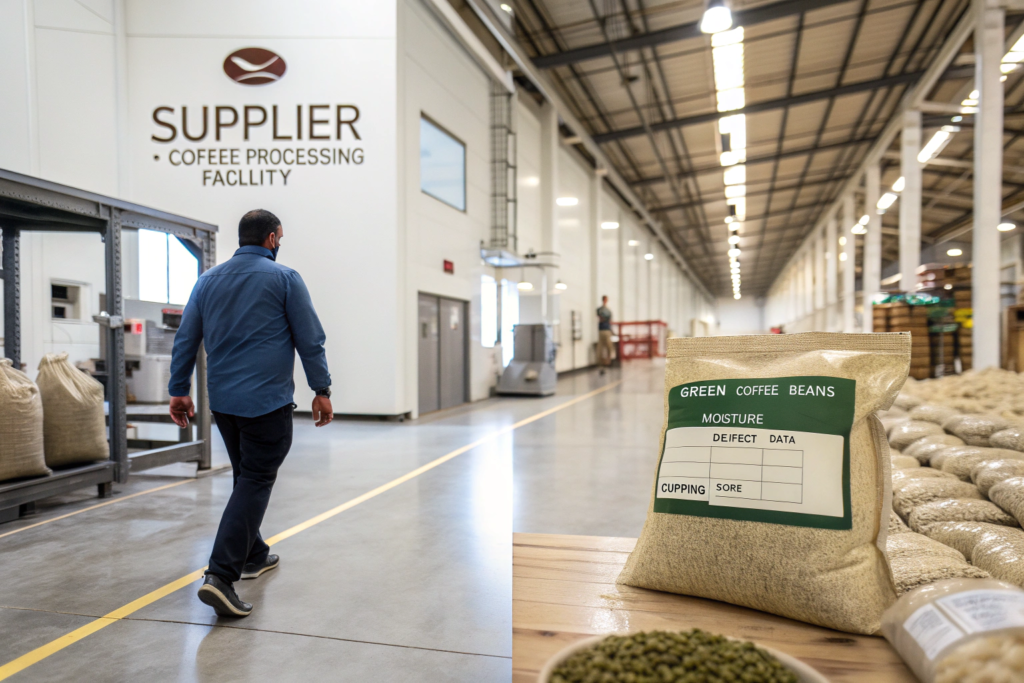
Why is a virtual or physical site visit crucial?
Nothing replaces seeing the operation firsthand.
- Request a Live Video Tour: Ask for a real-time video call at their processing facility or warehouse. A genuine supplier will be proud to show you. Look for organization, cleanliness, modern equipment, and scale that matches their claims. Ask to see specific areas: green bean storage, sorting lines, packaging.
- Ask for Specific Evidence: Request photos or videos of their claimed own plantations (with landmarks or signs), not just generic field shots. Ask for documentation linking specific lots to their farm.
- Physical Visit (For Large Orders): If the order value justifies the travel, a site visit is the gold standard. You can meet the team, inspect quality control processes, and build a personal relationship. At Bean of Coffee, we actively encourage this for our key clients.
What questions reveal their quality management?
Probe their technical knowledge and systems:
- "What is your standard moisture content for export, and how do you measure it?"
- "Can you walk me through your internal cupping protocol? Who are your Q-graders?"
- "How do you manage batch separation and traceability from farm to bag?"
- "What packaging do you use for export to prevent moisture and odor? (e.g., GrainPro, multi-layer bags)"
- "Can you provide a spec sheet or certificate of analysis for a specific lot with data on screen size, defect count, and moisture?"
Their answers should be precise and reflect industry best practices. Vague responses are a warning.
How to check trade references and communication patterns?
The supplier's past behavior with other clients is the best predictor of their future behavior with you. Direct feedback is invaluable.
Also, pay close attention to how they communicate during the courtship phase—it signals their professionalism and reliability.
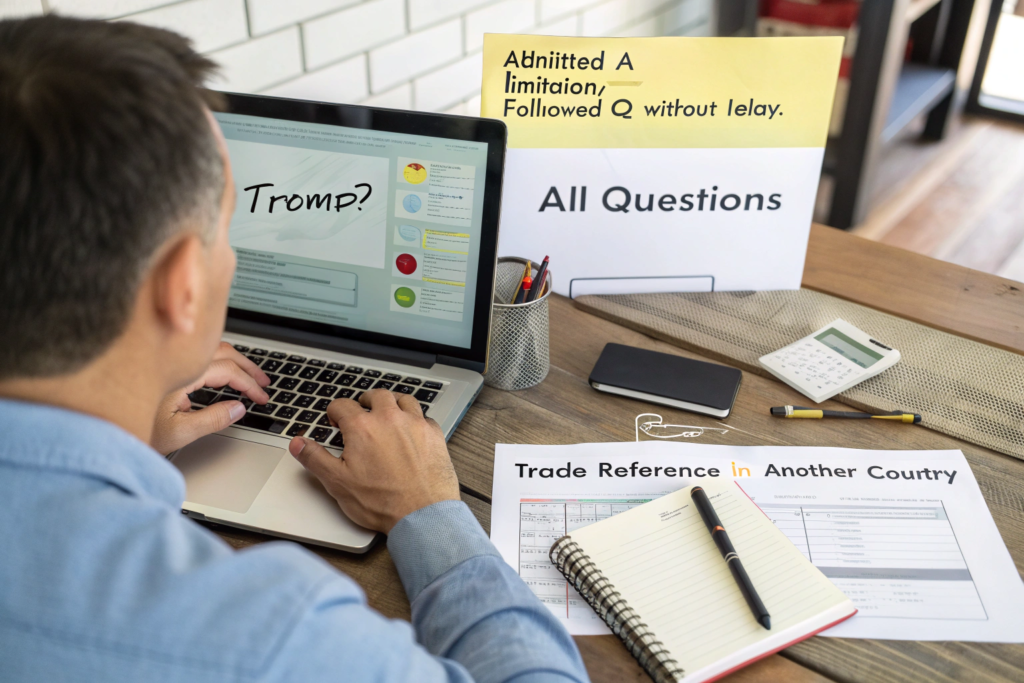
How to effectively request and verify trade references?
- Ask Directly: Request contact information for 2-3 international clients who have purchased similar products (similar volume, destination country) in the last 12-18 months.
- Verify Independently: If possible, find clients not on their reference list. Search for the supplier's name alongside terms like "review," "experience," or on industry forums like Coffee Forums.
- Ask Reference Specific Questions:
- "Were there any quality inconsistencies between the sample and the bulk shipment?"
- "How did they handle logistics and documentation? Were there any delays or hidden costs?"
- "How responsive were they to post-shipment issues or questions?"
- "Would you use them again, and why?"
What communication patterns indicate a reliable partner?
- Responsiveness and Transparency: Do they answer emails within a reasonable time (considering time zones)? Do they provide clear answers, or do they evade specific questions about price breakdowns or contract terms?
- Proactivity: Do they follow up, or do you always have to chase them? Do they provide unsolicited but helpful information (e.g., about shipping schedules, documentation requirements)?
- Professionalism in Negotiation: A good supplier aims for a fair deal, not just the lowest price. They should be willing to explain costs and stand behind their quality. Be wary of those who agree to every demand without question—it may indicate desperation or an intention to cut corners later.
- Willingness to Use Secure Terms: Are they comfortable with standard secure payment terms like a Letter of Credit (L/C)? Resistance and insistence on large upfront wire transfers (TT) is a significant risk.
What are the major red flags and final steps?
Synthesize all your findings. Some issues are deal-breakers, while others require further clarification. Your final step is a small, low-risk test.
Trust your instincts. If something feels off, even if you can't pinpoint it, proceed with extreme caution or walk away.
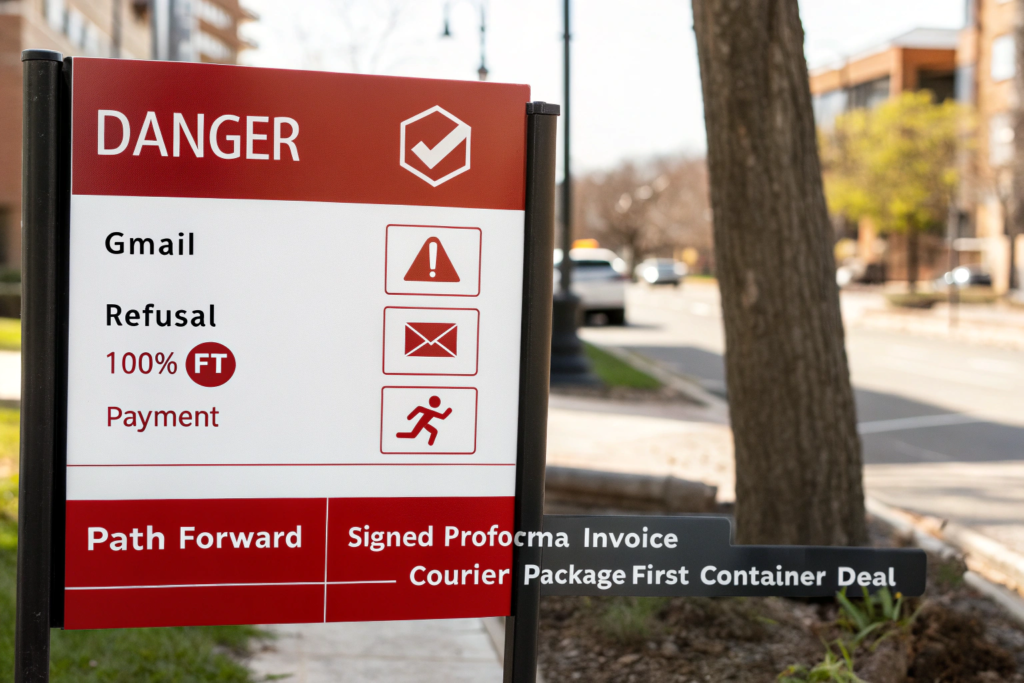
What are the critical red flags to avoid?
- Payment Pressure: Demanding 100% payment upfront via wire transfer (T/T) before production or shipment.
- Lack of Verifiable Physical Presence: No video tour possible, address leads to a virtual office or residential building on Google Maps.
- Inconsistent or Evasive Information: Details on business license, website, and B2B profiles don't match.
- No Quality Control Data: Inability or unwillingness to provide basic quality specs or cupping scores.
- Too-Good-To-Be-True Pricing: Prices significantly below market average often indicate compromised quality, hidden fees, or a scam.
- Poor English Communication: While not a deal-breaker alone, combined with other issues, it can indicate a lack of experience in handling international clients.
What is the safest way to finalize your assessment?
Place a Trial Order.
- Order a Small Sample Shipment: Don't just get a 200g sample; order 1-2 bags (60kg) to be shipped via air courier. This tests their ability to handle international logistics, documentation, and packaging on a real, paid order.
- Pay Securely: Use a method with buyer protection, such as PayPal or credit card, for this trial, even if it costs a bit more.
- Evaluate the Entire Process: Assess the communication, packaging quality, documentation accuracy, shipping time, and most importantly, the quality of the coffee upon arrival. Does it match the sample?
A successful trial order is the strongest positive indicator and paves the way for a larger, trusting partnership.
Conclusion
Assessing the reputation of a Chinese supplier is a multi-layered due diligence mission. It requires cross-referencing digital footprints (website, B2B profiles, business registry), verifying operational reality through site visits and technical questions, seeking honest trade references, and meticulously analyzing communication patterns. This process separates asset-owning, professional exporters like Bean of Coffee from high-risk intermediaries or fake companies.
The investment of time and effort in this assessment is your most effective risk management strategy. It protects your capital, ensures your supply chain integrity, and builds the foundation for a long-term, profitable partnership.
Ready to vet a supplier with confidence? Start by applying this checklist. And if you are looking for a Chinese coffee supplier that is built on transparency, vertical integration, and proven reliability, we invite your scrutiny. At Bean of Coffee, we are prepared to meet every point on this list. Contact our export manager, Cathy Cai, at cathy@beanofcoffee.com to begin your due diligence process with us. Let's build a relationship verified by facts, not just promises.