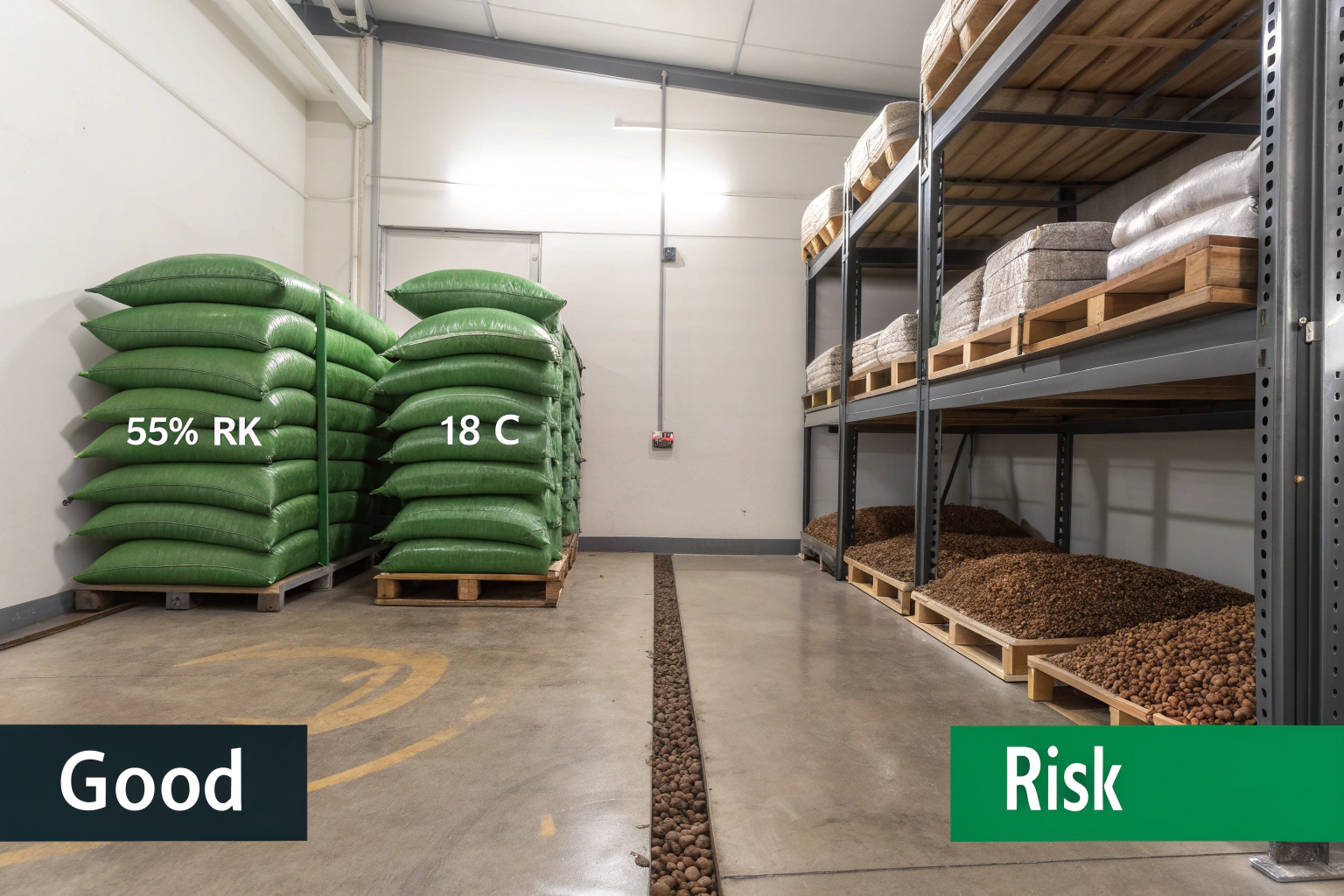
You open your warehouse or storeroom door and catch a musty, off smell. You check your latest green coffee shipment—there’s a faint white fuzz on some beans in the corner of a bag. Your heart sinks. This isn't just a quality loss; it's a direct financial hit and a major risk to your brand's reputation. Mold and spoilage in stored coffee beans are silent profit killers, but they are almost entirely preventable with the right knowledge and systems.
The fundamental enemies of coffee in storage are moisture, heat, oxygen, and time. To avoid mold and spoilage, you must create a stable environment that actively defends against these factors. This means controlling relative humidity (RH), maintaining a cool temperature, using proper, breathable yet protective packaging, and implementing a rigorous first-in, first-out (FIFO) inventory system. Prevention is a proactive daily discipline, not a reactive fix.
Let's move beyond basic advice and delve into the specific, actionable strategies that professional importers, roasters, and large-scale buyers use to protect their most valuable asset from the warehouse to the roastery.
What Are the Critical Environmental Controls for Warehouse Storage?
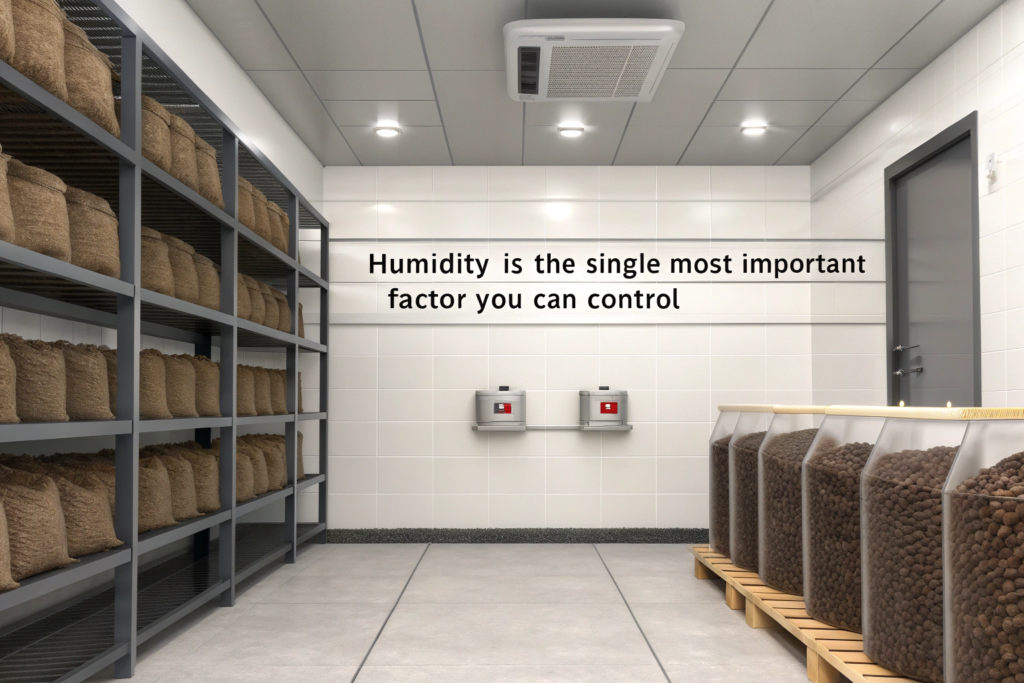
Think of your storage area as an extension of the coffee's origin. The goal is to press "pause" on biological and chemical activity. If the environment is wrong, you are actively degrading your coffee from day one, no matter how good it was when it arrived. The single most important factor you can control is humidity.
Relative Humidity (RH) is the measure of water vapor in the air relative to the maximum it can hold at that temperature. For green coffee, the ideal RH range is 50-60%. Below 50%, beans can become overly brittle and lose aromatic compounds. Above 65%, you enter the danger zone where mold spores (like Aspergillus and Penicillium) can activate and grow. Temperature works in tandem with humidity; heat accelerates all chemical reactions, including staling and mold growth. The ideal storage temperature is between 15-20°C (59-68°F).
How do I accurately monitor and control humidity in my storage?
You cannot manage what you don't measure. Invest in several digital hygrometers and place them at different points in your storage area (floor level, mid-rack, near doors). Log readings daily. For control, a dehumidifier is non-negotiable in most climates, especially in coastal regions or humid seasons. Choose an industrial-grade unit with a capacity suited to your square footage. Conversely, in very arid climates, you might need a humidifier to prevent beans from becoming too dry. The key is stability—wild swings in RH are more damaging than a constant, slightly sub-optimal level. At our central warehousing for BeanofCoffee, we maintain a constant 55% RH and 18°C to preserve bean integrity for our export clients.
Why is bagging and palletizing technique so important?
How you place the bags in your space is a frontline defense. Never store bags directly on a concrete floor. Concrete sweats, creating a cold, damp microclimate at the bottom of the bag—the perfect spot for mold to start. Always use pallets to create an air gap. Leave space between pallets and walls (at least 0.5 meters) to allow for air circulation. Stack bags in a brick-wall pattern to ensure stability and air flow, and never stack too high, as pressure can damage beans and restrict ventilation. This simple, disciplined approach prevents localized moisture traps that lead to spoilage.
What Packaging and Handling Practices Prevent Contamination?
The bag your coffee arrives in is its first suit of armor. But what happens when you open it? Or if the bag is damaged in transit? Contamination and spoilage often start with poor handling during the unpacking, sampling, and partial-bag storage phases. This is where daily operational protocols make or break your coffee's shelf life.
For long-term storage of unopened bags, multi-ply, woven polypropylene bags with a hermetic liner (like GrainPro-type bags) are the industry standard for a reason. They provide a strong barrier against external moisture and pests while allowing the coffee to continue degassing safely. However, once opened, this protection is compromised. You must have a plan for partial bag storage. The worst thing you can do is leave a bag half-full, loosely rolled, in a corner.
What is the best way to store coffee from an opened bag?
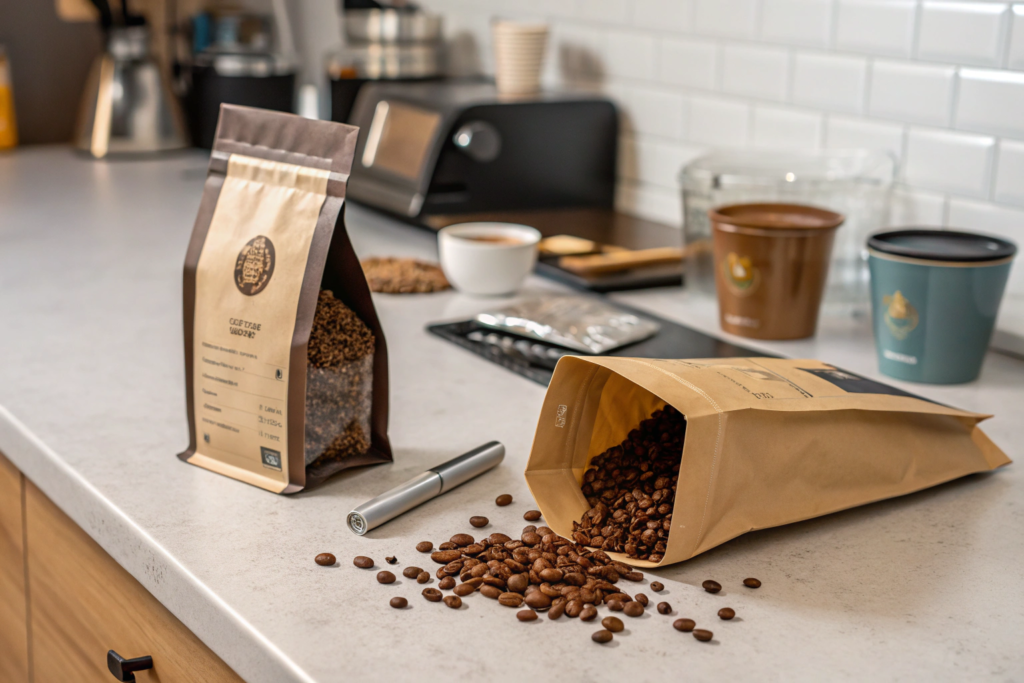
Your goal is to re-create a sealed, stable environment. For green coffee, immediately transfer the contents of a partially used bag into a dedicated, food-grade airtight container. Better yet, use vacuum-sealed containers or bins that allow you to remove excess air. Clearly label the container with the coffee origin, lot number, and date opened. For roasted coffee, the principle is the same but the timeline is urgent. Roasted beans should be moved to airtight containers immediately after cooling and used within their optimal shelf life (2-4 weeks for peak freshness). Do not mix old and new beans in the same container.
How can I prevent insect infestation (like coffee bore weevils)?
Infestation usually originates at the origin, but it can spread in your warehouse. Inspect every bag upon arrival. Look for tiny holes in the beans or a fine dust (frass) at the bottom of the bag. Isolate new shipments from your main inventory for a few days as a precaution. Maintain excellent sanitation: clean up spilled beans immediately, as they attract pests. Use pheromone traps in your storage area for early detection. For serious risks, controlled freezing is an effective, chemical-free treatment. Freezing green coffee at -20°C (-4°F) for at least 72 hours will kill all life stages of insects. Ensure beans are brought to room temperature in a sealed container to avoid condensation when removed. We implement these inspection and quarantine protocols at Shanghai Fumao before any coffee leaves our facility.
How Does Inventory Management Directly Impact Spoilage Risk?
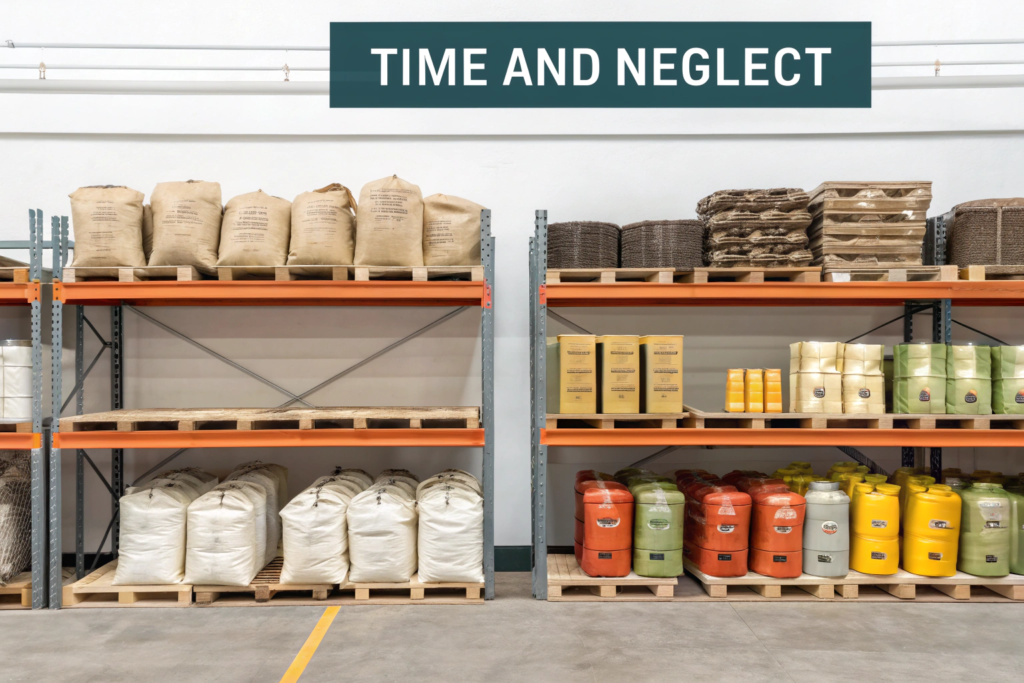
Your inventory system is your logistical brain. A poor system means coffee gets lost, forgotten, and sits beyond its safe storage window. Mold and staleness are often the result of time and neglect, not just bad environment. The most pristine warehouse won't save coffee that's been sitting for two years at the back of a rack.
Implementing a strict First-In, First-Out (FIFO) system is the most powerful tool to prevent age-related spoilage. This means the oldest stock (by arrival or roast date) is always used or sold first. It sounds simple, but without a clear system, it's chaos. Couple FIFO with a clearly defined maximum storage time for green and roasted coffee. For green coffee from ideal climates like our Yunnan highlands, a well-stored lifespan is 9-12 months. For roasted coffee, it's measured in weeks.
What does an effective FIFO system look like in practice?
It requires physical and digital alignment. Physically: Arrange your warehouse so that new arrivals are placed behind the older stock of the same product. Use clearly visible lot labels. Digitally: Use an inventory management system (even a well-organized spreadsheet) that tracks every lot's entry date, location, and quantity. Conduct regular physical audits (cycle counts) to reconcile the digital record with reality. This prevents "ghost inventory" where coffee is logged but physically missing or vice versa. For roasted coffee, label every batch with a roast date, not just a "best by" date. Enforce a pull date for retail and café use.
How long can green coffee from different origins safely be stored?
It varies. Dense, high-altitude beans (like our Yunnan Arabica) have a longer shelf life due to their lower porosity and higher sugar content. They can maintain quality for up to a year in perfect conditions. Lower-density beans or natural processed coffees with higher moisture content are more vulnerable and should be rotated faster, ideally within 6-8 months. Your supplier should provide guidance. Crucially, document the taste. Cup your oldest stock monthly. If you notice flavors becoming woody, papery, or musty, it's a sign your maximum storage time for that lot has been exceeded, and you need to adjust your purchasing plan.
Conclusion
Preventing mold and spoilage in coffee bean storage is a multifaceted defense strategy. It combines environmental control (managing humidity and temperature), physical protection (using proper packaging and handling), and operational discipline (enforcing FIFO and time limits). There is no single magic solution; it is the consistent application of all these practices that builds an impervious barrier against loss.
By treating coffee storage as a critical, active component of your quality assurance program, you protect your financial investment, ensure the integrity of your product, and deliver the fresh, flavorful coffee that your customers expect. The cost of prevention is always far less than the cost of a spoiled container or a damaged brand reputation.
If you are looking for a supplier who understands and prioritizes these principles from the farm gate onward, ensuring your coffee arrives in pristine condition, let's connect. At Shanghai Fumao, we control our storage environment meticulously and can provide detailed storage recommendations for our Yunnan coffees. To discuss how we can partner to protect your quality from our warehouse to yours, contact our export manager, Cathy Cai. Reach Cathy at: cathy@beanofcoffee.com.