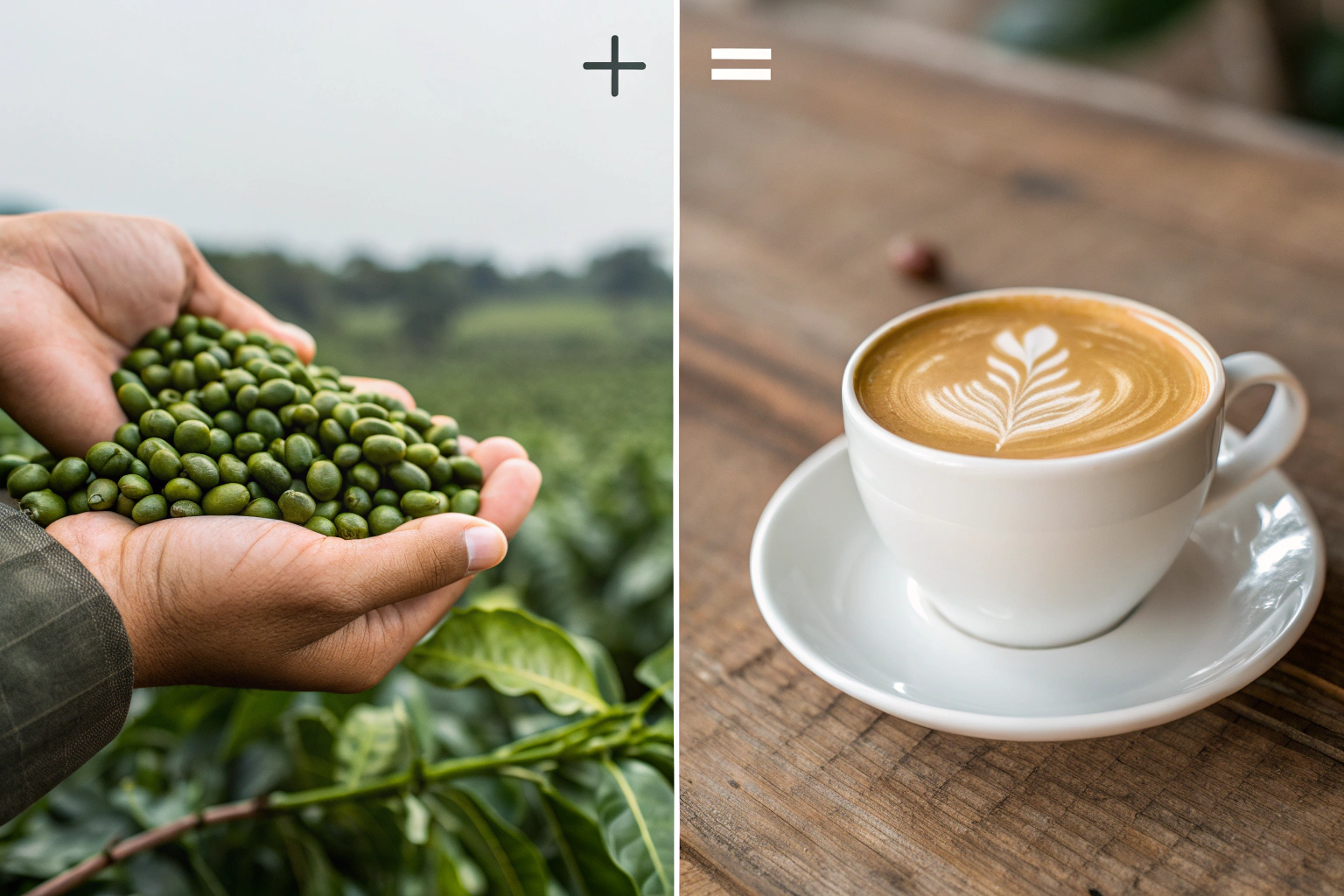
As a cafe owner or roaster, you probably look at the price of a latte on your menu and think you have a good handle on its cost. You calculated the price of the milk, the espresso shot, the cup, and the lid. But have you ever had that nagging feeling at the end of the month, when you look at your profit margins, that something is missing? You're busy, sales are good, but the numbers just aren't adding up the way they should. This gap between perceived cost and actual cost is a huge pain point, leading to inefficient pricing and eroded profits.
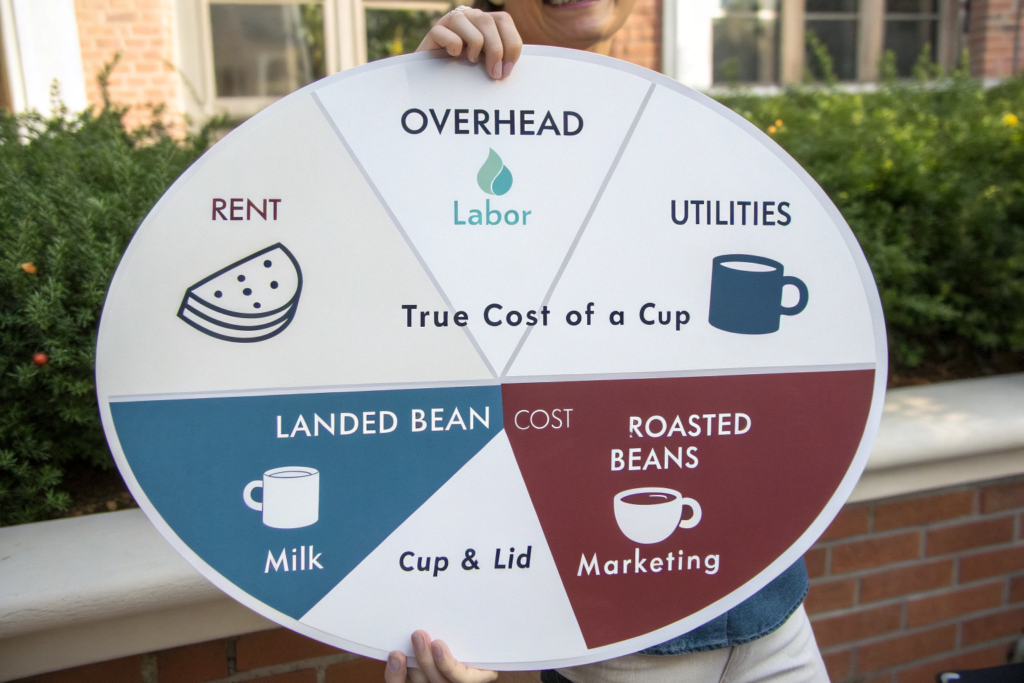
To calculate the true cost of a cup of coffee, you must look far beyond the raw ingredients and account for every variable, both direct and hidden. This includes the "landed cost" of the green beans (including freight, insurance, and tariffs), roasting weight loss, labor, rent, utilities, equipment depreciation, and even marketing expenses. The true cost is the sum of all expenses divided by the total number of cups sold. Only by understanding this complete financial picture can you set prices that ensure sustainable profitability.
From my perspective as a coffee grower at Shanghai Fumao, I see only the first part of this long and complex journey. But over the years, in talking with hundreds of buyers like Ron, I've learned that their success depends entirely on mastering the math that happens after our beans leave the port. Understanding your true cost is the most critical business exercise you can undertake. Let's break down this calculation, piece by piece, to uncover the hidden expenses that are likely eating into your bottom line.
What Is the "Landed Cost" of Green Beans?
You've just agreed to buy a sack of our finest Yunnan Arabica. You see the price per kilogram on the invoice, and you think, "Okay, that's my bean cost." But that's not the whole story, is it? The price on the invoice is just the beginning. The journey from our warehouse in China to your roastery in America is filled with necessary expenses that can significantly increase your actual cost. Ignoring these can lead to a nasty shock when the final bills arrive.
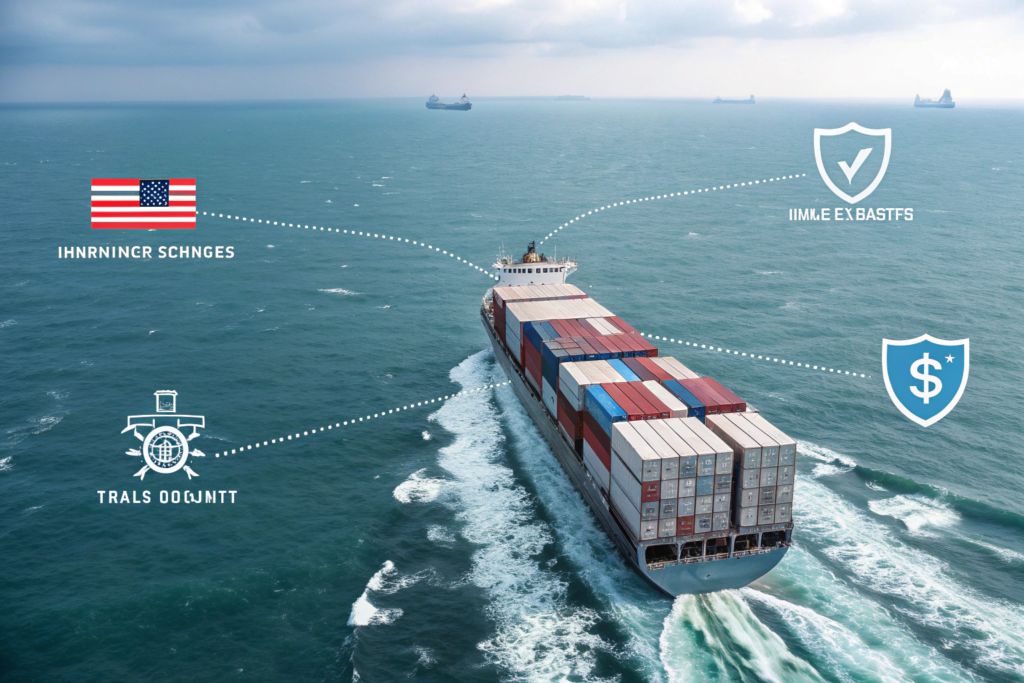
The "landed cost" is the total price of getting a product to your doorstep. For coffee beans, this includes not just the purchase price (known as FOB or Free on Board price), but also all the costs associated with transportation, insurance, and importation. This is a critical number that every importer, from a small roastery to a large distributor, must calculate accurately. It's the true starting point for determining the cost of your primary raw material.
For a buyer like Ron, who is intensely focused on price and timeliness, understanding and predicting the landed cost is paramount. It allows for accurate budgeting and pricing strategy. A supplier who is transparent about these potential costs is a far more valuable partner than one who only quotes the bean price. Let's dive into the components that make up this crucial figure.
What Does FOB Price Actually Include?
FOB (Free on Board) is a very common term in international trade. When we quote you an FOB price, it means we, the seller, are responsible for all costs associated with getting the coffee packed, through export customs, and loaded onto the shipping vessel at our designated port. The moment the coffee is on the ship, the responsibility (and cost) transfers to you, the buyer. So, the FOB price is the cost of the beans plus all the local logistics on our end. It does not include the main ocean freight, insurance, or any costs in your home country. Understanding this distinction is the first step in avoiding surprise expenses. It's a key part of Incoterms, the global rules of trade.
What Are the Main Shipping and Import Costs?
Once the coffee is on the vessel, you are responsible for the following major costs:
- Ocean Freight: The cost of transporting the container from the port of origin to the port of destination. This can fluctuate significantly based on demand and fuel prices.
- Insurance: You must insure the coffee against loss or damage during its long journey across the ocean.
- Customs and Tariffs: When the coffee arrives in your country, you will have to pay customs duties and potentially tariffs. These vary wildly by country and trade agreements.
- Inland Freight: The cost of trucking the coffee from the port to your roastery or warehouse.
These costs can add a substantial percentage to your initial FOB price. A good freight forwarder can help you estimate these costs, but it's your responsibility to factor them into your total landed cost.
How Does Roasting Affect Bean Cost?
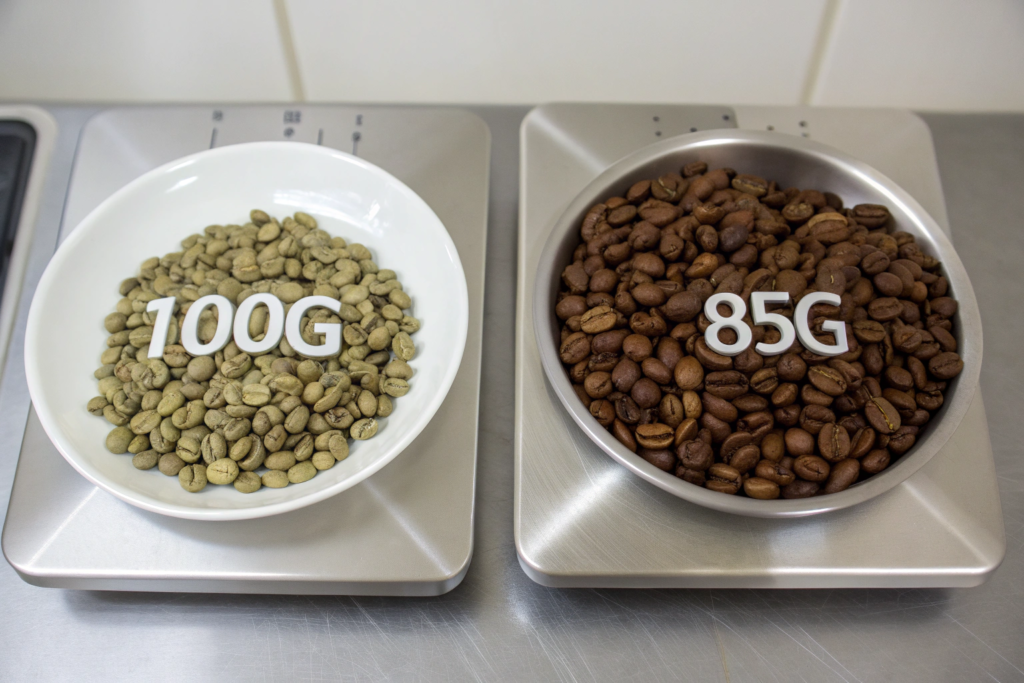
So, you've received your green coffee, and you've calculated the full landed cost. Now you have 100kg of beautiful Yunnan beans in your roastery. But here's a crucial fact that new roasters often miscalculate: you will not end up with 100kg of roasted coffee. The roasting process itself fundamentally changes the cost-per-gram of your product. It's a chemical transformation that involves a significant loss of weight.
During roasting, moisture inside the coffee beans evaporates, and some organic matter is consumed. This results in a weight loss of anywhere from 12% to 20%, depending on the bean's initial moisture content and the desired roast profile. This is not a mistake or a defect; it's a fundamental part of the process. However, if you don't account for this shrinkage, you will be systematically underestimating the cost of your final, ready-to-brew product.
This is a detail that directly impacts your profitability. A buyer who understands this can price their roasted coffee and brewed cups more accurately, ensuring their business model is sustainable. It’s a simple but critical piece of production math. Let's look at how to calculate this and what it means for your bottom line.
How Do You Calculate Cost After Roasting?
The calculation is straightforward but essential. Let's say your landed cost for 1kg (1000g) of green coffee is $10. If you experience a 15% weight loss during roasting, you will be left with 850g of roasted coffee.
Your cost for that roasted coffee is still $10.
To find the new cost per gram, you divide the initial cost by the final weight:
- Green Cost: $10 / 1000g = $0.01 per gram
- Roasted Cost: $10 / 850g = ~$0.0118 per gram
As you can see, the cost per gram has increased by 18%. This is your true ingredient cost for roasted coffee, and it's the number you must use when calculating the cost of an espresso shot. Failing to make this adjustment is a common and costly accounting error.
Does Roast Profile Change the Cost?
Yes, absolutely. A lighter roast will typically have less weight loss (e.g., 12-14%), while a darker roast, which is roasted for longer and at higher temperatures, will have more weight loss (e.g., 17-20%). This means that, all else being equal, the true ingredient cost for a dark roast is higher than for a light roast from the same green beans. This is a nuance that sophisticated roasters factor into their pricing. It's a perfect example of how a deep understanding of the roasting process directly connects to the financial health of the business.
What Are the Hidden Overhead Costs?
You've nailed the cost of your roasted beans. You know exactly how much the coffee in an espresso shot costs, down to the fraction of a cent. You've added the cost of milk and the paper cup. You're done, right? This is the trap most cafe owners fall into. The ingredients are often the smallest part of the total cost. The vast, often unseen, portion of the cost comes from your overheads—the relentless, ongoing expenses of simply keeping your doors open.
Overhead costs are all the expenses that are not directly tied to a single cup of coffee but are necessary for the business to operate. These include rent, labor, utilities, insurance, marketing, and the depreciation of your expensive espresso machine. Because these costs are fixed or semi-fixed, it's easy to lose track of how they apply to each individual sale. But make no mistake, every single cup you sell must contribute to paying for these overheads.
Ignoring or underestimating overhead is the number one reason why seemingly busy coffee shops fail. It directly addresses the pain point of "where is all the money going?" By calculating your overhead-per-cup, you uncover the true cost of doing business and can finally set prices that lead to real, sustainable profit.
How Do You Allocate Labor and Rent?
This is the most significant part of your overhead. To allocate these costs, you need to do some simple but revealing math.
- Calculate Total Monthly Overhead: Add up your total fixed and variable expenses for a typical month: rent, all employee wages (including your own salary!), electricity, water, gas, business insurance, marketing budget, software subscriptions, etc.
- Calculate Total Cups Sold: Determine the average number of cups of coffee you sell in a month.
- Divide: Divide your Total Monthly Overhead by the Total Cups Sold.
Let's say your monthly overhead is $10,000 and you sell 5,000 cups of coffee.
- Overhead per cup: $10,000 / 5,000 cups = $2.00 per cup.
This means that before you even add the cost of the beans, milk, and paper cup, you already have $2.00 of cost attached to every single cup you sell. This is often a shocking realization.
What About Equipment Depreciation?
That beautiful $15,000 espresso machine won't last forever. It's a depreciating asset. Depreciation is an accounting method of allocating the cost of a tangible asset over its useful life. If your machine has a useful life of 5 years (60 months), you should be accounting for its declining value as a monthly expense.
- Monthly Depreciation: $15,000 / 60 months = $250 per month.
This $250 is part of your monthly overhead. It's the "cost" of using the machine each month. By including it in your calculations, you are essentially setting money aside for its eventual repair or replacement. Forgetting this means you'll face a huge, unplanned expense down the line. It's a key principle of sound financial management.
Conclusion
Calculating the true cost of a cup of coffee is an exercise in radical honesty. It forces you to look beyond the obvious and confront the full financial reality of your business. It’s a journey from the FOB price at a port in China, through the "landed cost" at your door, the weight loss in your roaster, and finally, through the vast landscape of your operational overheads. It’s not just about the beans and milk; it’s about the barista's salary, the rent on your building, and the slow, silent depreciation of your equipment.
By embracing this comprehensive approach, you move from guessing to knowing. You empower yourself to set prices that are not just competitive, but truly profitable. You transform your business from one that is simply surviving into one that is built to thrive.
As your partner at the very beginning of this supply chain, we at Shanghai Fumao are committed to your success. We believe that a more informed and profitable client is a better long-term partner. If you're ready to build your business on a foundation of exceptional coffee and sound financial understanding, we're here to help. Reach out to our client relations expert, Cathy Cai, at cathy@beanofcoffee.com to start the conversation.