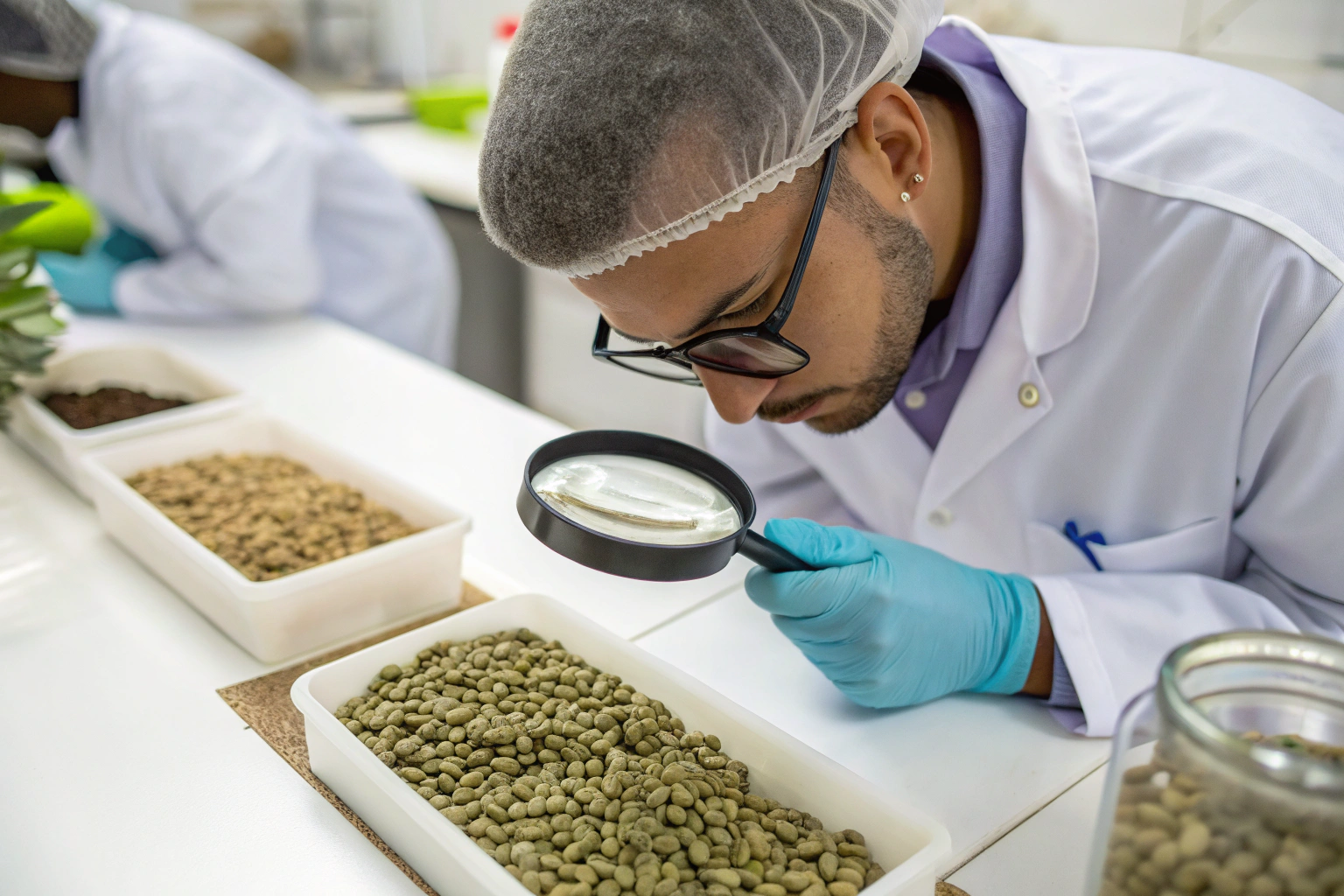
Last year, a roaster from London called me furious. He'd paid premium prices for "new crop" beans from another supplier. But when he roasted them, they behaved like old stock. Uneven development. Flat aroma. Loss of crema. He'd been tricked—and his customers noticed before he did.
Freshly harvested coffee beans have a distinct blue-green color, fresh grassy or fruity aroma, moisture content between 10-12 percent, and they pop crisply when bitten. Old beans look faded, smell flat or woody, and crush rather than snap. At BeanofCoffee, we date-stamp every bag so you know exactly when it was harvested.
Let me share what I've learned from 15 years of buying and selling coffee. Because freshness isn't just about roast dates—it starts at harvest. And if you can't tell new crop from old, you're paying for quality you're not getting.
What Visual Clues Indicate Freshly Harvested Coffee?
I learned this trick from an old trader in Colombia. He never used moisture meters for quick checks. He just looked. "Mira," he'd say, pointing. "Verde means vivo. Amarillo means muerto." Green means alive. Yellow means dead. He was right.
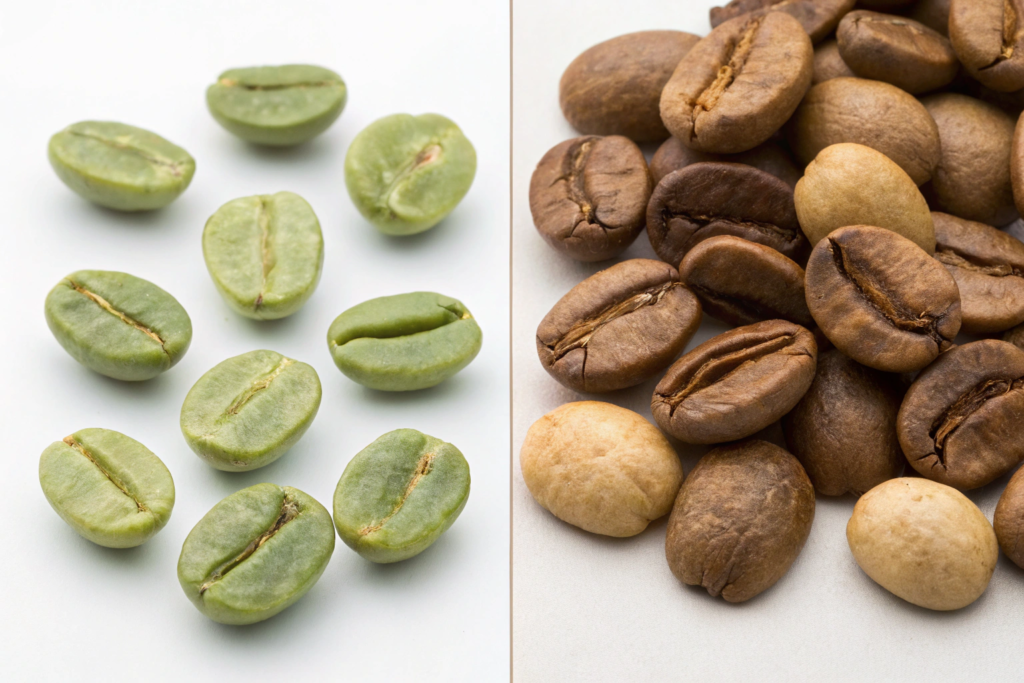
Fresh beans show a vibrant blue-green color with slight bluish tint. The center cut appears tight and well-defined. Surface looks clean with natural sheen. Old beans fade to pale green, yellowish, or even grayish. The center cut spreads open. Surface looks dull and dusty.
Why does color change as beans age?
Chlorophyll breaks down over time. Fresh beans have active chlorophyll from recent processing. As months pass, oxidation changes the pigments. Blue-green fades to yellow-green, then to dull brownish-green in really old stock.
Moisture loss also affects appearance. Fresh beans have some plumpness. Aged beans shrink slightly, creating that withered look. When you see beans that look uniformly pale across a whole lot, be suspicious. Someone probably blended old and new. Check green coffee color grading standards for official classification guides.
What does the center cut tell you about age?
The center cut—that line down the middle of the bean—changes as beans age. In fresh beans, it's tight. The edges curl slightly inward. In older beans, the cut opens up. Looks like a little mouth opening.
Take a handful and look closely. If most center cuts are open, those beans have been sitting. If they're tight and defined, they're newer. We photograph every lot's center cuts for our buyers. Working with Shanghai Fumao means you get these visual records with every shipment.
How Does Fresh Coffee Smell Different from Aged?
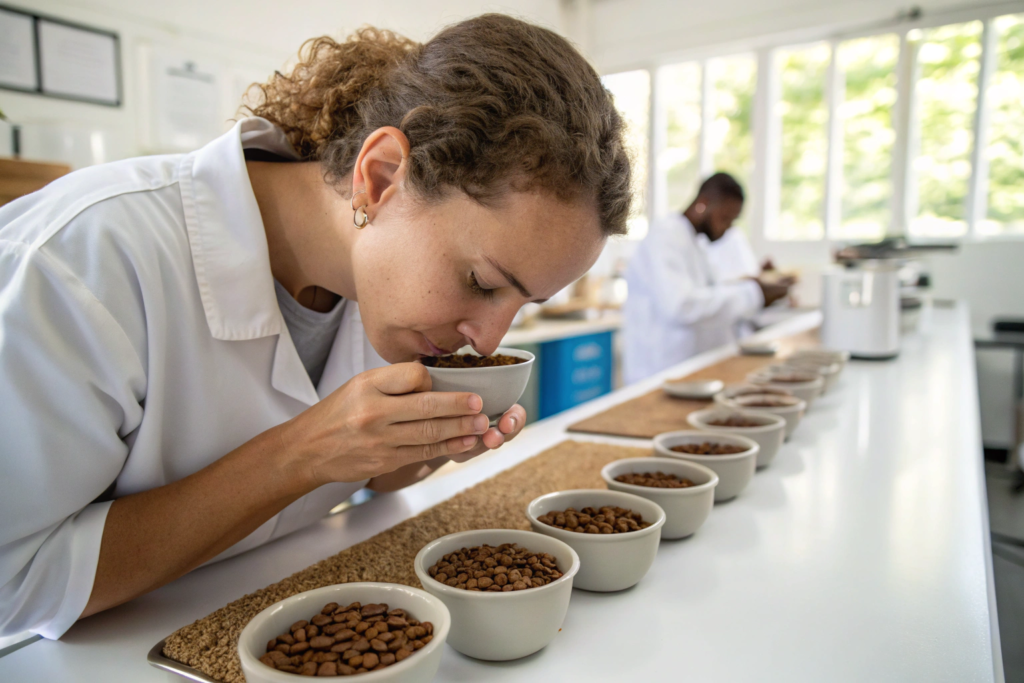
Smell is the fastest freshness test. You don't need equipment. You don't need training—just attention. Fresh coffee smells alive. Old coffee smells dead. Trust your nose.
Freshly harvested green coffee smells like grass, hay, or sometimes fruity notes depending on variety and processing. It should smell clean and vibrant. Old beans smell flat, dusty, like cardboard, or sometimes musty. If it smells like nothing, it's old. If it smells bad, it's damaged.
What specific aromas indicate freshness?
Washed Arabica fresh from harvest smells like fresh cut grass or green hay. Natural processed beans might smell slightly fruity or winey. These are good signs. They mean the bean's internal chemistry is still active.
Put your nose right into the bag. Take a deep sniff. Then step back and sniff again after a minute. Fresh beans have layers—the aroma changes as you breathe. Old beans smell the same flat note no matter how long you sniff. Visit coffee aroma identification guides for training on sensory evaluation.
Can you smell defects before roasting?
Absolutely. Mold smells like mold—musty, damp basement. That means moisture damage. Ferment smells like overripe fruit or alcohol—means processing went wrong. Chemical smells mean contamination somewhere.
One buyer called us about a shipment that smelled like paint. Turned out his warehouse stored solvents near the coffee. The beans absorbed everything. We replaced them, but he learned to check storage conditions. Working with partners like Shanghai Fumao helps prevent these issues through proper handling protocols.
What Physical Tests Confirm Harvest Freshness?
Beyond looking and smelling, you can test. Simple tests that anyone can do. No lab required. These give you immediate answers about what you're really buying.
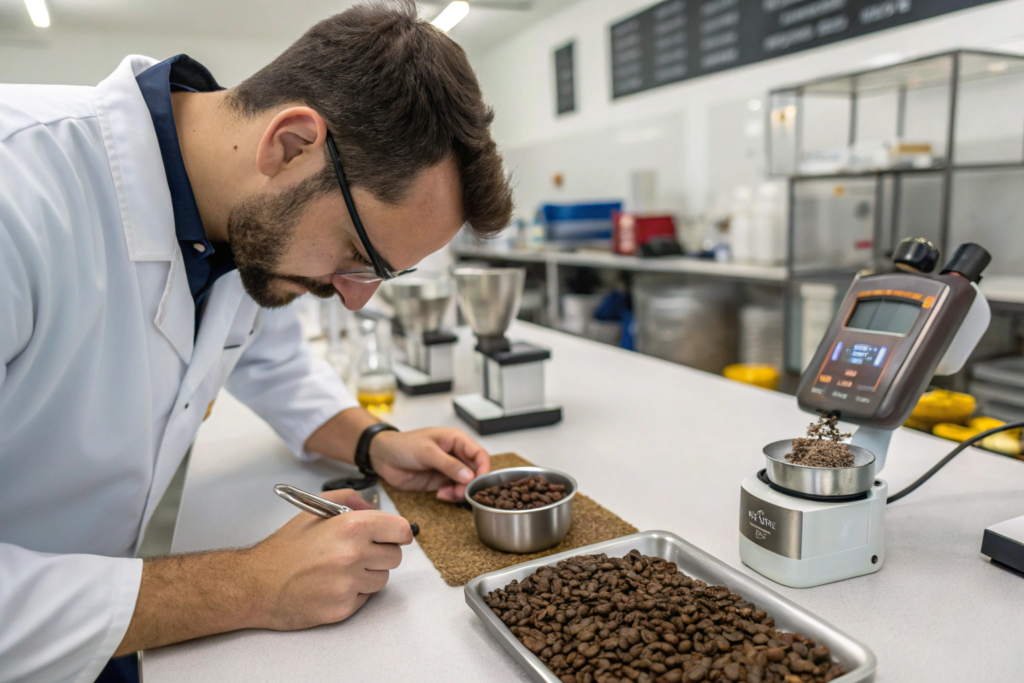
The bite test tells you density and moisture. Fresh beans snap cleanly with a crisp pop. Old beans crush or crumble. The moisture meter confirms exact water content—fresh beans range from 10 to 12 percent. Higher means under-dried and risky. Lower means old or over-dried.
How do you perform the bite test correctly?
Take one bean. Place it between your back teeth—not front teeth, back molars. Bite down firmly but not hard. Listen. Feel.
Fresh bean: clean snap. Like breaking a dry cracker. Two distinct pieces. Old bean: crushing sensation. It mushes rather than snaps. Might stick to your teeth. This test works because fresh beans have cellular structure intact. Aged beans lose that structure over time. Check physical coffee bean testing methods for more hands-on quality checks.
What moisture readings indicate fresh harvest?
Freshly harvested and properly dried coffee reads between 10 and 12 percent moisture. Below 10 percent means it's been sitting too long or got overdried. Above 12 percent means risky storage ahead.
We use calibrated moisture meters on every lot. Test at multiple points in the bag—edges differ from center. If readings vary more than 0.5 percent across a lot, something's wrong. Consistent readings mean consistent quality. Review moisture content standards for green coffee for industry acceptance ranges.
How Does Roasting Behavior Reveal Bean Age?
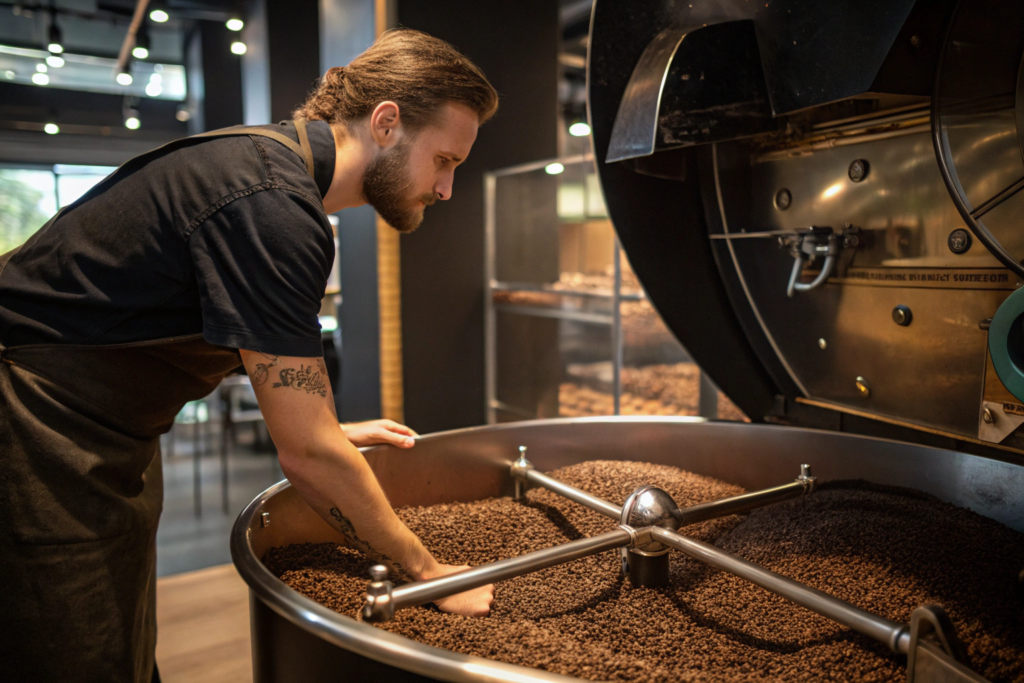
The ultimate test happens in your roaster. Fresh beans behave predictably. Old beans act strange. If you roast enough coffee, you feel the difference before you taste it.
Fresh beans take heat evenly, expand properly, and reach first crack at expected times. Old beans heat unevenly, show less expansion, and sometimes hit first crack early or late. They might look roasted outside but stay underdeveloped inside. These signs mean you're working with aged inventory.
What roast timing changes indicate old beans?
Keep records. Write down when first crack happens for each origin. Fresh Colombian might crack at 8 minutes. Fresh Ethiopian at 9. When old beans show up, timing shifts.
We had a buyer who noticed his usual 8-minute beans suddenly cracking at 7 minutes. Same origin. Same supplier. But the roast looked wrong. Turned out the supplier shipped last year's crop labeled as new. The beans roasted faster because they'd lost moisture. The Roasters Guild roast logging templates help track these patterns.
How does bean expansion change with age?
Watch through the roaster sight glass. Fresh beans expand visibly. They grow maybe 30 to 50 percent larger. You see them moving differently as they gain volume.
Old beans barely expand. They might darken, but they stay small. When you cool and weigh them, the yield differs too. Fresh beans lose less weight during roasting because they retain more internal structure. Working with Shanghai Fumao means you get consistent lots that roast predictably every time.
What Documentation Proves Harvest Date and Freshness?
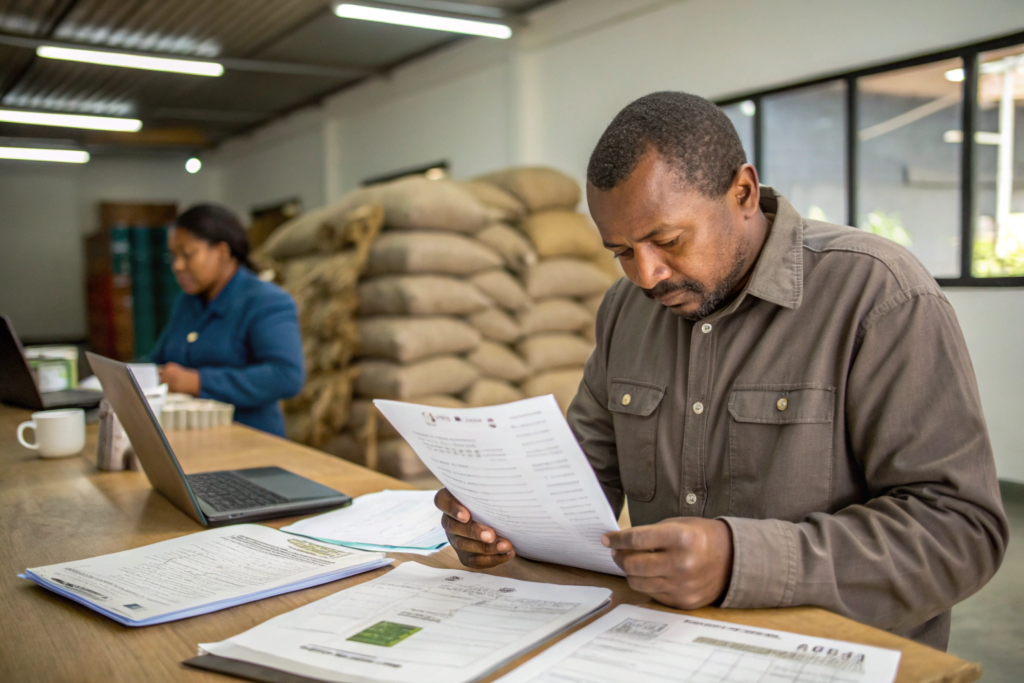
Trust is good. Documentation is better. Any supplier can say "fresh crop." But can they prove it? The best suppliers provide evidence that stands up to scrutiny.
Real proof comes from traceable documentation: harvest records showing exact dates, processing logs, warehouse entry dates, and lot tracking through every stage. At BeanofCoffee, every bag shows harvest year and lot number. You can trace any bag back to the field where it grew.
What harvest information should appear on documents?
Look for specific harvest months, not just years. "2024 Harvest" could mean January or December—huge difference in freshness by mid-2025. "October 2024 Harvest" tells you exactly.
Also check processing dates. Harvest and processing aren't the same. Some suppliers harvest in October but hold cherries before processing. Real freshness requires both dates. Visit coffee traceability standards to understand what documentation responsible suppliers provide.
How do lot numbers help verify freshness?
Lot numbers link bags to specific harvest days. When we issue lot numbers, they include date codes. BC-241015 means BeanofCoffee, 2024, October 15th. Anyone can decode it.
If a supplier can't explain their lot number system, be suspicious. If they use lot numbers but can't trace back to specific fields or dates, they're hiding something. Real traceability means answering questions. Review international coffee lot traceability guidelines for industry best practices.
Conclusion
Checking coffee freshness isn't complicated, but it requires attention. Look at the color. Smell the beans. Bite one to test snap. Check moisture if you can. Watch how they roast. Verify documentation. These steps take minutes but save thousands. Fresh beans taste better, roast consistently, and satisfy customers. Old beans disappoint everyone.
At Shanghai Fumao, we make freshness transparent. Every bag shows harvest date. Every lot has complete documentation. We want you to know exactly what you're getting—because your success determines whether you'll buy again.
If you're tired of guessing whether your coffee is truly fresh, contact our export manager, Cathy Cai. She'll send you samples you can test yourself. Compare them to what you're currently buying. Email her at cathy@beanofcoffee.com. Tell her what origins you usually buy and what freshness concerns you have. She'll respond within 24 hours with documentation and samples that prove what fresh really means.