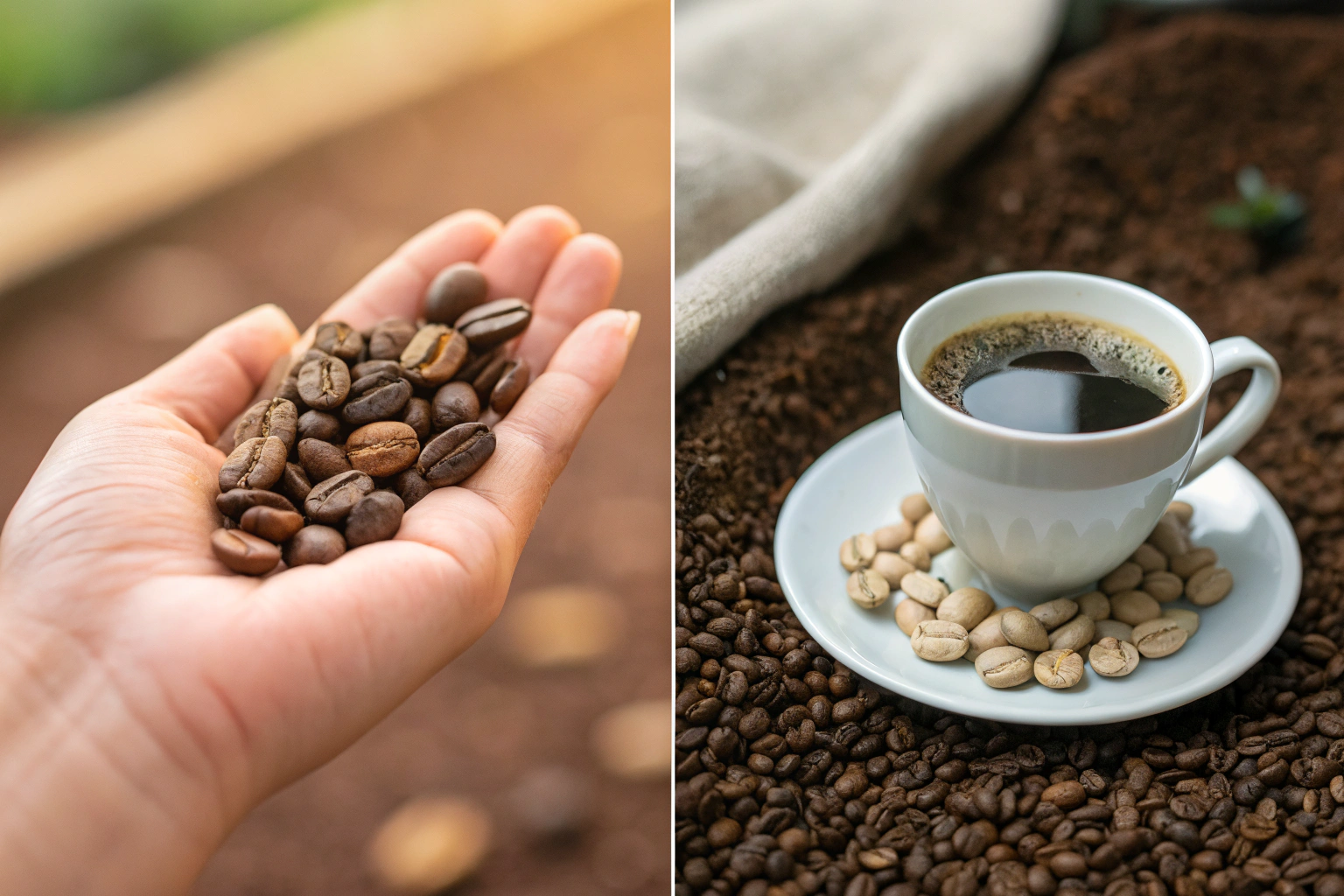
As a coffee grower, I've spent my life obsessed with the nuances of flavor. My passion has always been the complex, aromatic world of specialty Arabica. So, for years, I'll admit I looked down on instant coffee. It felt like a compromise, a world away from the "true" coffee experience. But then I started talking to large-scale buyers, brand owners who produce instant coffee for millions of people. I realized they face a critical, high-stakes decision that I had never truly appreciated: choosing the right green bean for their product. It's a choice that impacts flavor, cost, and brand identity, and getting it wrong can mean commercial failure.
The choice between Arabica and Robusta for instant coffee is a strategic balance between flavor profile, caffeine content, and production cost. Use 100% Robusta for a bold, strong, high-caffeine, and cost-effective product. Use 100% Arabica for a smoother, more aromatic, lower-caffeine premium product. The most common approach is a strategic blend, using Robusta for the caffeine kick and cost base, and adding Arabica to elevate the flavor and aroma. This decision is the single most important factor in defining your instant coffee's place in the market.
This isn't just a theoretical exercise for us at Shanghai Fumao. While our heart is in specialty Arabica, our large-scale production in Yunnan includes high-quality Robusta as well. We've learned to appreciate that both beans are tools for a specific job. Understanding how to use these tools is key. Let's break down the characteristics of each bean and how they translate into the final instant coffee product, helping you make the most informed choice for your brand.
What Defines the Classic Instant Coffee Taste?
Think about the taste you typically associate with a standard cup of instant coffee. It's probably bold, strong, perhaps a bit bitter, with a powerful caffeine kick that gets you going in the morning. It's a straightforward, no-fuss experience. Have you ever wondered why it tastes that way? It's not an accident; it's a deliberate result of the raw material that has dominated the industry for decades.
The classic, traditional instant coffee profile is overwhelmingly shaped by Robusta beans. For manufacturers, Robusta has historically been the perfect ingredient. It's cheaper to grow, has a higher caffeine content, and possesses a bold, intense flavor that stands up to the high-heat, high-pressure process of creating instant coffee granules. The primary goal was to deliver caffeine and a strong "coffee" flavor in the most efficient way possible.
For a brand buyer, understanding this baseline is crucial. It's the taste profile that a huge segment of the market expects and even prefers. While the specialty coffee world might prize the delicate acidity of Arabica, many instant coffee drinkers are looking for that classic, powerful Robusta punch. It's a fundamental consideration of consumer preference.
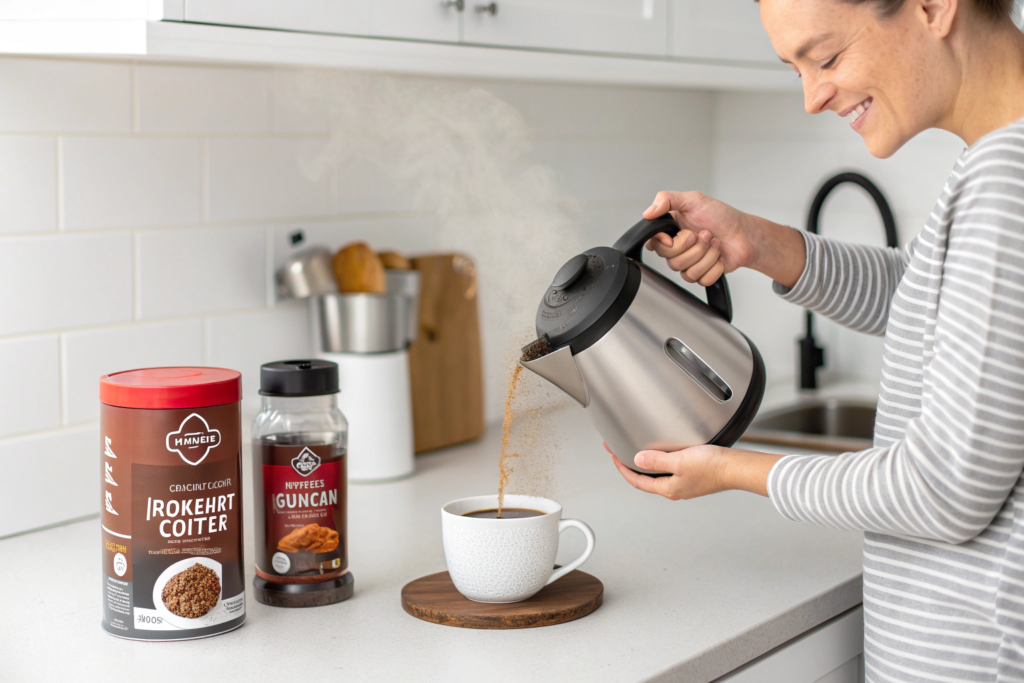
Why is Robusta the Historical Choice?
There are three main reasons Robusta became the king of instant coffee:
- Cost: Robusta plants are hardier, more disease-resistant, and can be grown in a wider range of climates and altitudes than the more delicate Arabica. This makes the cost of production significantly lower. For a mass-market product, this is a huge factor.
- Caffeine: Robusta beans have nearly double the caffeine content of Arabica beans (2.5% or more, compared to about 1.5% for Arabica). Since many people drink instant coffee for a quick energy boost, this high caffeine level is a key selling point.
- Soluble Solids: Robusta beans have a higher yield of soluble solids, meaning you can produce more instant coffee from a kilogram of Robusta than from a kilogram of Arabica. This further improves manufacturing efficiency.
What is Robusta's Flavor Profile?
Robusta is not known for its subtlety. Its flavor is often described as strong, bold, rubbery, or chocolatey. It has a much lower acidity than Arabica and can have a more bitter finish. While these might sound like negative traits in the specialty coffee world, in the context of instant coffee, this boldness is often seen as a positive. It provides a strong, unambiguous "coffee" taste that doesn't get lost when milk and sugar are added.
Can You Make Premium Instant Coffee with Arabica?
The instant coffee aisle is changing. Alongside the traditional, budget-friendly jars, a new category is emerging: premium, or "specialty," instant coffee. This trend is driven by consumers who want the convenience of instant but are no longer willing to compromise on taste. They are looking for the smoother, more aromatic, and nuanced flavors they enjoy in cafes. This poses a direct challenge to the old, Robusta-dominated model.
The answer to this demand is, unequivocally, Arabica. It is absolutely possible to create a superior, premium instant coffee using 100% Arabica beans. By using high-quality Arabica and more advanced manufacturing techniques like freeze-drying (which preserves more of the delicate aromas than traditional spray-drying), producers can create an instant coffee that is remarkably close in flavor to a brewed cup.
For a brand owner, this opens up a whole new market segment. It allows you to create a high-margin, premium product that appeals to a more discerning coffee drinker. It's a strategic choice to compete on quality rather than price. At our farms in Yunnan, we are seeing a growing demand for our high-quality Arabica lots from innovative instant coffee manufacturers who are leading this premiumization trend.
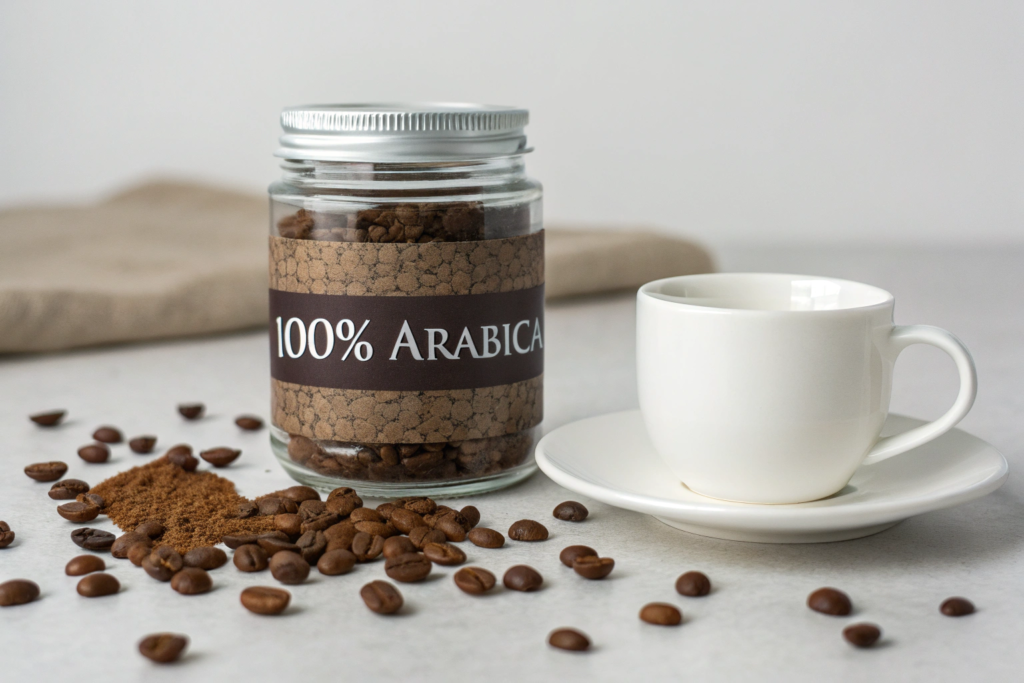
What Are the Benefits of Using 100% Arabica?
Using 100% Arabica for your instant coffee offers distinct advantages:
- Superior Flavor and Aroma: Arabica beans are prized for their complex flavor profiles, which can range from bright and fruity to sweet and floral. They have a pleasant acidity and very little bitterness. This translates into a smoother, more aromatic, and more enjoyable cup of instant coffee.
- Premium Positioning: Marketing your product as "100% Arabica" is a powerful signal of quality. It immediately differentiates your brand from standard instant coffees and justifies a higher price point. It's a key term in the coffee industry that consumers associate with better taste.
- Lower Caffeine: For consumers who are sensitive to caffeine or who enjoy drinking coffee throughout the day, the naturally lower caffeine content of Arabica is a significant benefit.
What Are the Downsides?
The primary challenge of a 100% Arabica instant coffee is cost. As we've discussed, Arabica beans are more expensive to grow and have a lower yield of soluble solids. The advanced freeze-drying process is also more costly than spray-drying. This results in a final product with a much higher production cost, which must be passed on to the consumer. Therefore, it's a product that must be targeted at a specific market segment willing to pay for that increase in quality. This is a classic pricing strategy decision.
Is Blending the Best of Both Worlds?
So, you have two clear options: Robusta for a cost-effective, high-caffeine kick, and Arabica for a premium, aromatic flavor. But what if you want a product that sits somewhere in the middle? What if you need a good balance of flavor, caffeine, and cost? This is a common dilemma for brand owners who want to offer a better-than-standard product without alienating their core, price-conscious customers.
This is where the art of blending comes in. Creating a strategic blend of Arabica and Robusta is often the most commercially successful approach for mass-market instant coffee. By blending, you can precisely control the final product's characteristics, creating a unique and consistent flavor profile that becomes your brand's signature. It allows you to engineer a coffee that hits the perfect sweet spot for your target audience.
This is a strategy we often discuss with our larger clients at Shanghai Fumao. We can supply both high-quality Robusta and various grades of Arabica, allowing them to create the perfect custom blend for their needs. It’s about using each bean for its strengths to create a whole that is greater than the sum of its parts.
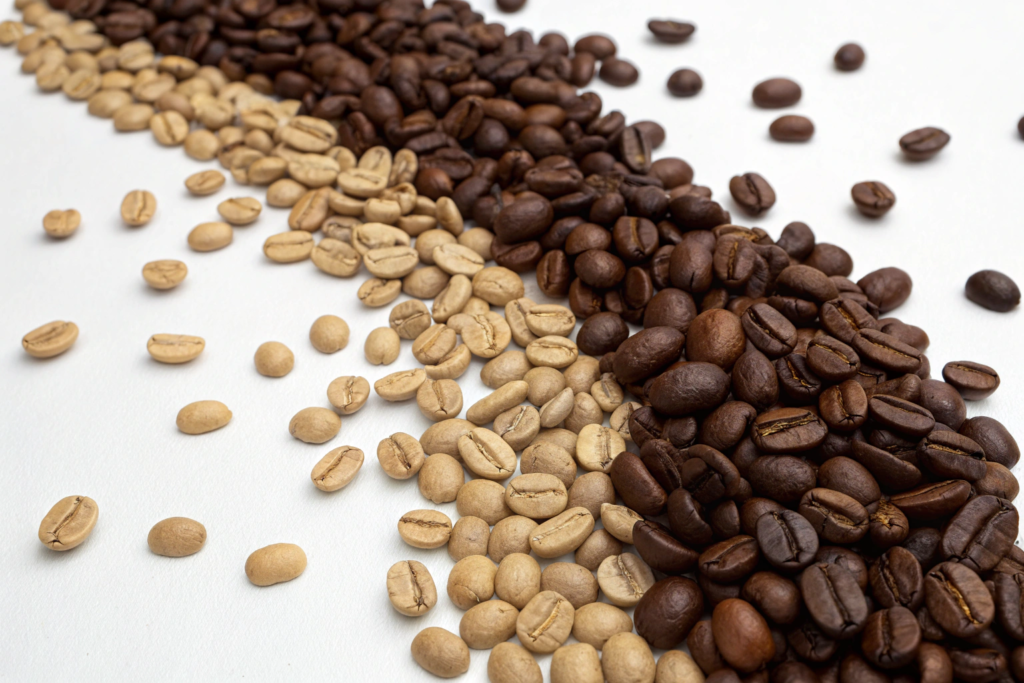
How Does a Typical Blend Work?
A common strategy is to use Robusta as the base of the blend, perhaps making up 60-80% of the total. This provides the classic "coffee" flavor, the desirable caffeine content, and a cost-effective foundation. Then, you add 20-40% Arabica to "lift" the blend. The Arabica introduces smoother notes, reduces some of the bitterness, and adds a more pleasant aroma. The exact ratio is a closely guarded secret for most brands and is determined through extensive consumer testing. This practice of product blending is common across the food and beverage industry.
How Do You Choose the Right Beans for a Blend?
Not all Arabica or Robusta beans are the same. For a blend, you might choose a clean, neutral-tasting Arabica from a region like ours in Yunnan that won't overpower the blend but will add smoothness and a sweet finish. For the Robusta component, you'd look for a clean-processed bean that has a pleasant, chocolatey boldness without excessive rubbery notes. The key is to select beans that complement each other rather than fight for attention. The goal is a harmonious and balanced final cup, which requires careful sourcing and selection.
Conclusion
The choice between Arabica and Robusta for your instant coffee is not a simple question of "good" versus "bad." It is a strategic business decision with significant consequences for your brand's identity and profitability. The right choice depends entirely on your goals. Are you aiming for the mass market with a focus on cost and caffeine? Robusta is your workhorse. Are you targeting the premium, specialty segment with a focus on flavor and aroma? Arabica is your star.
For many, the most intelligent and profitable path lies in the middle: a carefully crafted blend that leverages the strengths of both beans. This approach allows you to create a unique, consistent, and appealing product that balances quality with commercial viability.
As growers of both excellent Arabica and high-quality Robusta, we understand this balancing act better than anyone. We are uniquely positioned to help you find the perfect raw materials for your product, whether it's a 100% Arabica, a 100% Robusta, or a signature blend. If you're ready to create an instant coffee that stands out, please reach out to our client relations expert, Cathy Cai, at cathy@beanofcoffee.com. Let's build your perfect cup, together.