You're finalizing the logistics for your next container of green coffee. The beans are graded, the price is set, but one last decision remains: packaging. It seems trivial, but the choice between jute and sisal bags can impact your coffee's quality during transit, your operational efficiency, and even your brand's sustainability story. Choosing wrong can mean moisture damage, broken beans, and unhappy customers. So, how do you decide between these two natural workhorses of the coffee trade?
Choosing between jute and sisal bags for coffee packaging depends on a careful evaluation of four key factors: the specific voyage conditions (humidity, duration), your quality preservation priorities (moisture barrier vs. breathability), operational handling requirements (strength, stacking), and cost/ sustainability goals. Jute, being more breathable and slightly less abrasive, is often preferred for longer voyages or to higher-humidity destinations to prevent mold, while sisal, with its superior tensile strength and lower cost, is a robust choice for stable, dry routes and heavy stacking. For premium beans, many exporters now add a GrainPro liner inside either bag for ultimate protection.
Think of the bag as the bean's first line of defense on its long journey to your roastery. It's not just a container; it's a micro-environment. The right bag manages the relationship between your precious beans and the outside world. Let's unpack the properties of each to make an informed choice.
What are the Core Material Properties of Jute vs. Sisal?
The difference starts in the field. Jute comes from the Corchorus plant's stem, producing a softer, more flexible fiber. Sisal comes from the leaves of the Agave sisalana plant, resulting in a stiffer, tougher fiber. This botanical origin dictates their performance in your supply chain. It's not about which is universally "better," but which is better for your specific situation.
A key insight from our shipments: We used sisal for a large order to a dry, stable warehouse in Europe. It performed flawlessly. But for a shipment to a humid port in Southeast Asia, we switched to jute for its breathability. Knowing the destination's climate is half the battle.
How Do Breathability and Moisture Management Compare?
This is arguably the most critical factor for coffee quality.
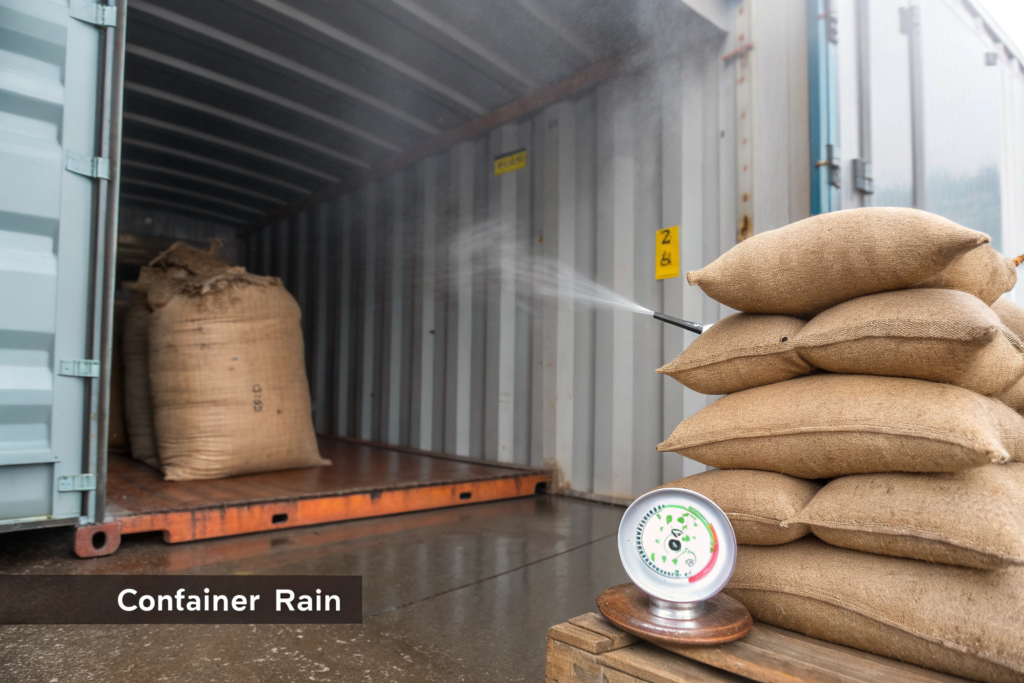
- Jute: Highly breathable. Its fibers are more porous, allowing for better air circulation. This helps dissipate moisture and heat that can build up inside a container (a phenomenon known as "container rain" or cargo sweat). In high-humidity transit or storage, this breathability can help prevent condensation and mold growth on the beans.
- Sisal: Less breathable. Its fibers are denser and the weave is often tighter, creating more of a barrier. In a consistently dry environment, this can be beneficial, locking out external moisture. However, in fluctuating or humid conditions, trapped moisture has fewer avenues to escape, increasing risk.
Practical Implication: For voyages passing through tropical zones or destined for humid ports, jute is generally the safer choice to mitigate moisture risk. For dry, climate-controlled logistics chains, sisal's barrier can be adequate.
What about Strength, Weight, and Cost Analysis?
Operational durability and economics matter.
- Tensile Strength: Sisal is stronger. It has higher tensile strength and is more resistant to tearing under stress. This makes it excellent for heavy stacking in warehouses or for withstanding rough handling.
- Abrasiveness: Jute is softer. Sisal's stiff fibers can be more abrasive against the coffee beans, potentially contributing to a higher percentage of broken beans ("brokens") during long, turbulent voyages if the bags rub against each other.
- Weight & Cost: A standard 60kg sisal bag is often lighter and cheaper than its jute counterpart. This reduces both material and shipping costs (as freight is charged by weight). For cost-sensitive shipments where the beans are destined for blending, sisal offers a clear economic advantage.
Here’s a quick reference table:
| Property | Jute Bag | Sisal Bag | Key Consideration |
|---|---|---|---|
| Breathability | High | Low-Medium | Choose jute for humid routes. |
| Tensile Strength | Good | Excellent | Choose sisal for heavy stacking/long storage. |
| Abrasiveness | Lower (Softer) | Higher (Rougher) | Jute may protect bean integrity better. |
| Cost | Higher | Lower | Sisal improves margin on cost-sensitive lots. |
| Moisture Barrier | Poor (Absorbs) | Better (Resists) | Sisal in dry env.; Jute + liner for wet. |
How Does the Choice Impact Coffee Quality During Transit?
The voyage is a stressful time for green coffee. It faces temperature swings, humidity spikes, physical shocks, and potential contamination. The bag is its constant companion through this ordeal. Your choice directly influences which of these stressors reach the bean. The goal is to arrive at port with the same moisture content, density, and flavor potential as when the beans left the warehouse.
You know the dreaded "baggy" or "musty" off-flavor? It often stems from moisture damage and mold during transit. The bag is your first—and sometimes only—defense against this. For premium, high-scoring lots, this protection is non-negotiable.
What are the Specific Risks of Moisture and Odor?
- Jute's Risk: Its high absorbency is a double-edged sword. While it breathes, it can also absorb ambient moisture and odors. If stored near chemicals, fuels, or other strong-smelling cargo, jute can transfer those odors to the coffee, resulting in a tainted, unpalatable product. It's also more susceptible to rotting if it gets wet and stays wet.
- Sisal's Risk: Its lower breathability can lead to moisture entrapment. If beans are bagged at even slightly high moisture content (above 12%), or if external humidity condenses, that moisture is trapped near the beans with limited ability to dissipate, creating a localized environment perfect for mold.
Mitigation Strategy: Regardless of bag choice, the single most important factor is shipping beans at the correct moisture content (10-12%). Secondly, for either bag, using an inner liner (like a polypropylene or, better yet, a GrainPro hermetic bag) eliminates this debate by creating a neutral, sealed micro-environment. This is a best practice we strongly recommend for all high-value shipments from Shanghai Fumao.
How Does Bag Choice Affect Bean Physical Integrity?
The journey is rough. Bags are tossed, stacked, and vibrate for weeks.
- Broken Beans: The abrasiveness of sisal can contribute to a higher percentage of broken beans if bags are not packed tightly and secured properly within the container. Jute's softer texture is gentler.
- Contamination: Both natural fibers can shed small fibers (lint). High-quality, densely woven bags from reputable mills minimize this. However, sisal's stiffer fibers may be more prone to breaking and contaminating the beans if the bags are mishandled.
- Stacking Stability: Sisal's superior strength allows for higher, more stable stacking in a container without fear of the bottom bags bursting. This maximizes space utilization. Jute stacks well but has a lower weight limit before the weave can distort.
What are the Operational and Sustainability Considerations?
Beyond protecting the bean, the bag must work within your and your buyer's operational workflow. How easy is it to handle? How does it store? What happens to it after use? Furthermore, in today's market, the environmental story behind your packaging is increasingly a part of your product's value proposition.
A buyer running an automated roastery with pneumatic intake might prioritize a bag that doesn't shed lint. A small craft roaster might appreciate a bag that's easy to open and handle manually. The end-user's process matters.
How Do They Compare in Handling and Storage?
- Weight & Handling: The lighter weight of sisal bags makes them easier for workers to handle manually, reducing fatigue. Their stiffness, however, can make them less pliable and slightly harder to grip than softer jute.
- Storage of Empty Bags: Jute bags, being more flexible, can be compressed and stored in a smaller space when empty. Sisal bags are bulkier to store.
- Dust and Cleanliness: Both produce some dust, but this is highly dependent on the manufacturing quality. A well-made, clean-finished bag from a reliable supplier minimizes this issue for both types. It's a key question to ask your bag supplier.
What are the Environmental Profiles of Jute and Sisal?
Both are natural, biodegradable, and renewable materials, which is a strong positive compared to synthetic polypropylene (PP) bags.
- Jute: Cultivation is very sustainable. The jute plant grows quickly, requires relatively little fertilizer or pesticide, and enriches the soil. It absorbs large amounts of CO2.
- Sisal: Also highly sustainable. The sisal plant is drought-resistant, thrives in poor soils, and has a long productive life. Its processing is generally low-tech and low-energy.
The carbon footprint of both is significantly lower than that of synthetic bags. For brands marketing their coffee's eco-credentials, using natural fiber bags is a tangible, visible commitment. However, the full lifecycle impact includes transportation—bags are heavy, so sourcing them from a region close to your packing facility reduces transport emissions.
When Should You Use a Polypropylene Liner or GrainPro Bag?
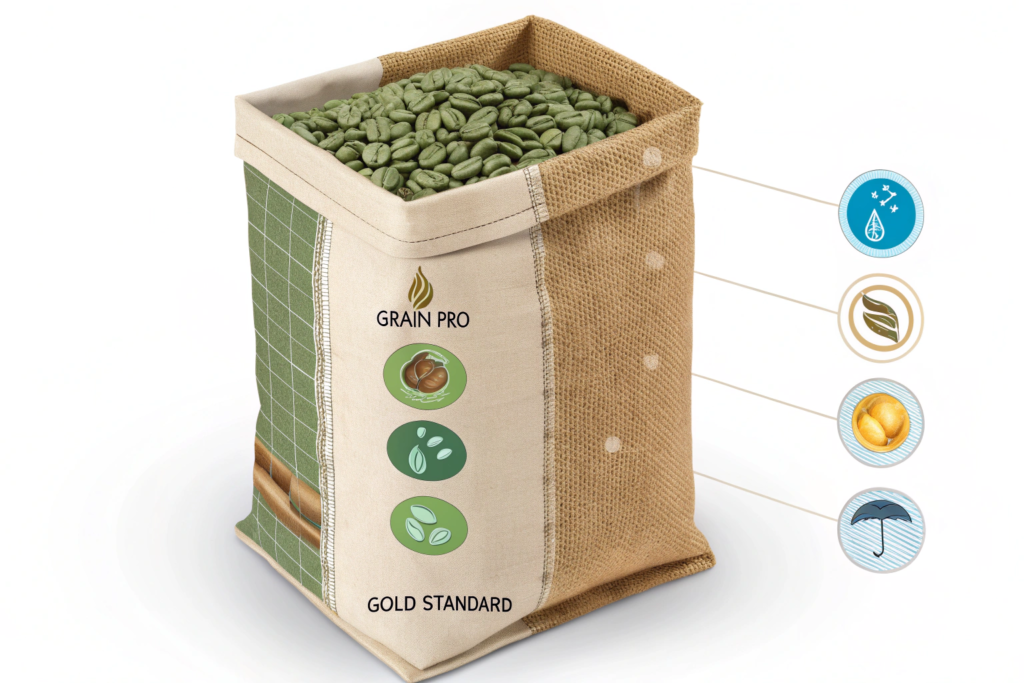
Sometimes, the choice isn't "jute OR sisal," but "jute/sisal PLUS an inner liner." For any coffee where preserving pristine quality is paramount—especially for specialty lots, microlots, or shipments to extremely challenging climates—adding an inner liner is not an option; it's an insurance policy. The outer bag (jute or sisal) then primarily provides physical structure and stackability, while the liner does the job of preservation.
We've seen the data: coffee shipped in GrainPro arrives with more stable moisture content, higher cup scores, and fewer defects than the same coffee shipped in just a natural fiber bag. For our clients at Shanghai Fumao, we always recommend and can provide this option.
What Problems Do Inner Liners Solve?
An inner liner, particularly a hermetic one like GrainPro, directly addresses the weaknesses of both jute and sisal:
- Absolute Moisture Barrier: Prevents both ingress of external humidity and loss of internal moisture, locking in the bean's ideal moisture content.
- Odor and Contamination Barrier: Creates a sealed environment, protecting against off-odors, pests, and fungi.
- Preservation of Freshness: Significantly slows the staling process (oxidation) of the beans, preserving the volatile aromatic compounds that define freshness.
It effectively makes the choice of outer bag a secondary decision based mostly on cost and handling preference.
Is the Added Cost of a Liner Justified?
For commercial-grade coffee, the cost of a liner (typically an extra $1-$2 per bag) might be hard to justify. However, for specialty coffee where quality directly dictates price, the investment is easily justified.
- Risk Mitigation: It virtually eliminates the risk of a whole shipment being degraded by moisture or odor, which could represent a total loss.
- Quality Premium: It allows you to market your coffee as "shipped in GrainPro for maximum freshness," which can support a higher price point and attract quality-focused buyers.
- Customer Demand: Many leading roasters and importers now require their coffees to be shipped with GrainPro or equivalent liners as part of their quality specification.
For buyers, specifying this with your supplier ensures you receive the coffee exactly as it left the farm's dry mill.
Conclusion
Choosing between jute and sisal bags requires a pragmatic analysis of your specific supply chain route, quality demands, budget, and values. Jute offers superior breathability for humid conditions and gentler handling, while sisal provides greater strength and cost savings for stable, dry logistics. However, for ultimate quality preservation, the most critical decision is often to pair either natural fiber bag with a hermetic inner liner like GrainPro.
In the end, the bag is a crucial component of your coffee's journey. Selecting the right packaging is a final, tangible act of quality control that protects your investment from our warehouse to your roastery.
If you are determining the optimal packaging for your shipment of Yunnan Arabica or Catimor, we can advise based on your destination and quality requirements. We offer both jute and sisal options and can seamlessly integrate GrainPro liners for premium lots. To discuss packaging specifications for your next order, contact our sales director, Cathy Cai, at cathy@beanofcoffee.com. Let's ensure your coffee arrives in perfect condition.