
You've perfected your roast profile, built a beautiful brand, and created amazing coffee. Now you need to get it onto shelves and into cafes. The wrong distributor can leave your products stagnant in a warehouse, damage your brand reputation, or create payment nightmares. The right one becomes an extension of your team, accelerating your growth. This choice can make or break your expansion.
Choosing the right coffee distributor requires evaluating their market alignment, operational capabilities, financial terms, and cultural fit with your brand. The ideal partner should have strong relationships in your target markets, reliable logistics, transparent reporting, and a genuine belief in your products. It's a strategic partnership, not just a transactional relationship.
So, how do you move beyond sales pitches to find a distributor who will truly champion your brand? You need a systematic evaluation process that looks at both data and human factors. Let's walk through the key decision criteria.
What Market Alignment Should You Look For?
The most capable distributor in the world is useless if they don't have the right customers or geographic reach for your specific brand. Market fit is the non-negotiable starting point.
Your ideal distributor should have established relationships and a proven track record in your target market segments—whether that's specialty cafes, gourmet grocery, hospitality, or office coffee service—within your desired geographic territory.
How Do You Verify Their Customer Base?
Ask for a client list—specifically, for names of accounts similar to your target customer. A distributor focusing on mass-market grocery may struggle to properly represent your specialty single-origin. Better yet, ask to speak directly to 2-3 of their current brand partners. Do they have the right territory coverage to efficiently service your target area without excessive freight costs?
Are They Already Selling to Your Ideal Customer?
Look at their current portfolio. If they already carry successful brands that compete with or complement yours, it indicates they understand your market. However, ensure you won't get lost among dozens of other brands. Ask about their "book of business"—the actual accounts and buyers they have relationships with. This due diligence reveals their true market penetration.
What Operational Capabilities Ensure Your Success?
A distributor's sales team might love your coffee, but if their warehouse is disorganized and their delivery unreliable, your brand will suffer. Operational excellence directly impacts customer satisfaction.
Key operational factors include warehouse conditions (temperature/humidity control), order fulfillment accuracy, delivery reliability, and inventory management systems that provide real-time visibility.
How Important is Warehouse Quality?
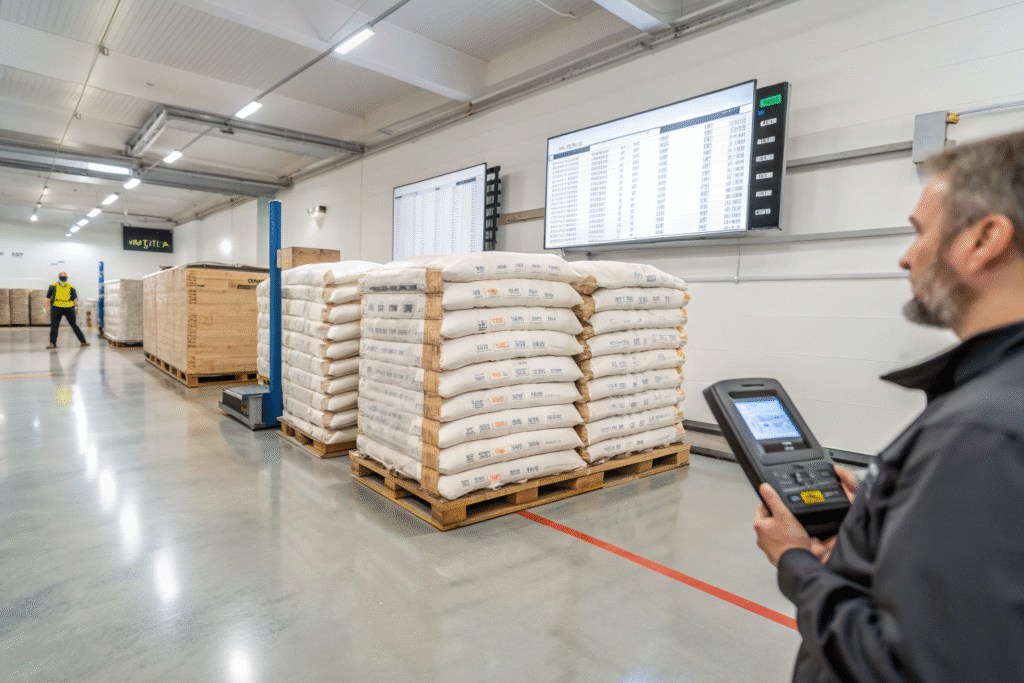
Critically important. Coffee is sensitive to heat, moisture, and strong odors. Ask to visit their warehouse. Is it clean, organized, and climate-controlled? Are FIFO (First-In, First-Out) procedures followed? Poor storage can destroy your coffee's freshness before it even reaches the customer, undermining all your quality efforts. This is fundamental product preservation.
What Reporting and Technology Do They Offer?
You need visibility. A modern distributor should provide a portal where you can track real-time inventory levels, sales data, and order status. Without this, you're flying blind—unable to forecast production or manage cash flow. Ask for a demo of their system. Good technology enables data-driven decisions and proactive business management.
How Should You Evaluate Financial Terms and Stability?
The financial arrangement can determine whether the partnership is profitable for you. Look beyond the commission percentage to understand the full cost structure and payment terms.
Key financial considerations include commission rates (typically 15-30%), payment terms (net 30-60 days), hidden fees (for storage, handling, returns), and the distributor's own financial health.
What's Included in the Commission?
A lower commission might seem attractive, but it might not include essential services like marketing support, sales team training, or merchandising. A higher commission with a distributor who actively sells and promotes your brand is often a better value. Understand exactly what services are included in their fee structure.
Why Does Their Financial Health Matter?
A distributor facing cash flow problems might delay payments to you, regardless of their contract terms. Ask for trade references and consider a credit check on larger partners. You're essentially extending them credit through your products. Their financial stability ensures your payment security and a stable partnership.

How Can You Assess Strategic and Cultural Fit?
The best distributor relationships feel like partnerships. Cultural alignment ensures they'll represent your brand with the same passion and integrity you would yourself.
Look for shared values, communication style compatibility, enthusiasm for your products, and a clear strategic vision for growing your brand together.
Do They Understand and Believe in Your Brand?
Present your brand story and mission. Do they get it? Are they excited? A distributor who simply adds you to their catalog won't drive growth like one who genuinely believes in your products. Ask how they would position and pitch your coffee to buyers. Their answer reveals their strategic alignment with your vision.
What is Their Communication and Support Style?
During negotiations, note their responsiveness and transparency. Are they proactive? Do they provide clear answers? Once you're partnered, this will be your ongoing reality. Establish expectations for regular business reviews—quarterly at minimum. Consistent, honest communication practices prevent small issues from becoming relationship-ending problems.

What Due Diligence Should You Conduct?
Before signing any agreement, verify everything you've been told. Talk to their current partners, visit their facilities, and understand their contract inside and out.
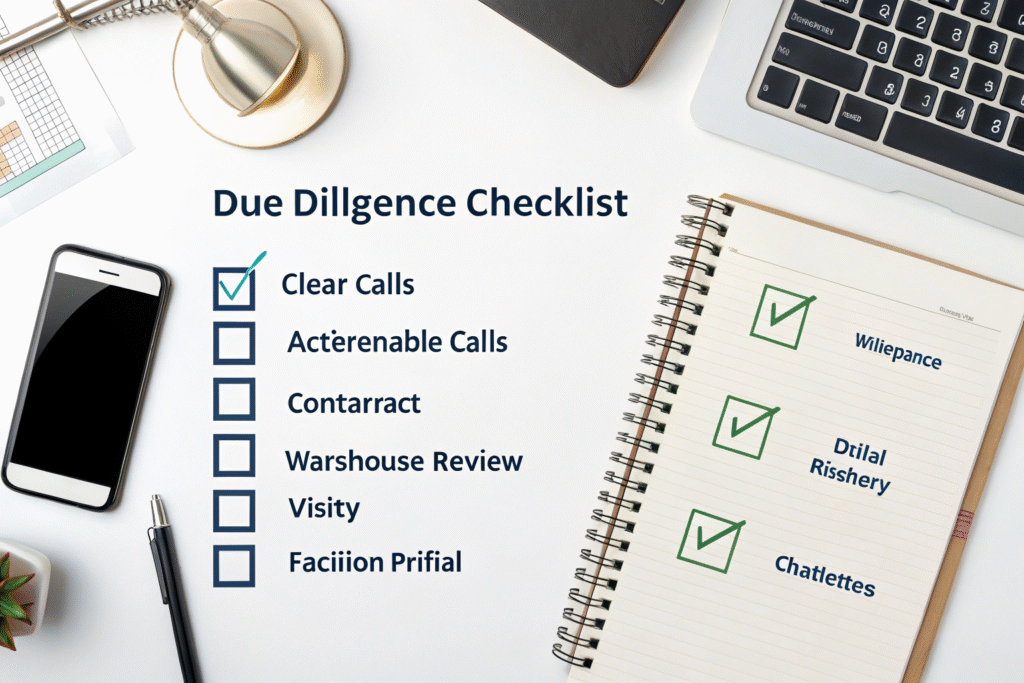
Practical due diligence includes checking references, reviewing the contract with a lawyer, understanding termination clauses, and starting with a trial period in a limited territory.
What Questions Should You Ask Their References?
Don't just ask if they're happy. Ask specific questions: "How quickly do they pay?" "How do they handle out-of-stock situations?" "What kind of sales data do they provide?" "Would you renew your contract with them?" The answers from current partners are often more revealing than any sales presentation.
Why is a Trial Period Essential?
Consider starting with a limited exclusive territory or a 6-12 month trial period before committing to a full multi-year agreement. This allows you to validate their performance with lower risk. It also gives the distributor a chance to prove their value. This phased approach protects both parties while building trust.
Conclusion
Choosing a coffee distributor is one of the most significant decisions your brand will make. The right partner accelerates growth, protects your brand reputation, and becomes a true extension of your team. The wrong one can stall your momentum and damage customer relationships.
Take your time, do thorough due diligence, and remember that you're entering a marriage, not a transaction. The goal is to find a distributor whose capabilities, values, and vision align with yours—one who will champion your coffee as passionately as you do. For brands looking for distribution support with transparent partnerships, we've built relationships with distributors who understand quality. Contact our export manager, Cathy Cai, at cathy@beanofcoffee.com to discuss how we can help connect you with the right partners for your next growth phase.