You've sourced the perfect beans, they're loaded on a ship, and then... they get stuck at customs. Days turn into weeks. Storage fees pile up. That fresh crop you timed perfectly is now aging on a dock. For importers, customs clearance isn't just paperwork—it's the final, critical hurdle between your coffee and your roastery. Delays here erase all your careful planning on price and timeliness.
So, how do you make it quick? Speed isn't about luck or pushing officials. It's about precision, preparation, and partnership. The fastest clearances happen when your documentation is flawless, your product is correctly classified, and you work with partners who know the rules inside and out. At BeanofCoffee, we've built our export process around this principle. We don't just ship containers; we prepare a complete, audit-ready documentation packet that anticipates exactly what US Customs and Border Protection (CBP) needs to see.
The secret isn't a single trick. It's a system that starts long before the container reaches the port of Los Angeles or Seattle. It begins with how the coffee is processed, bagged, and labeled at our warehouse in Yunnan. From that point forward, every document we generate is checked for absolute consistency. A single typo between the commercial invoice and the bill of lading can trigger a manual review that adds days or weeks. Our goal is to make your import so clean and predictable that it clears on arrival.
Let's walk through the concrete steps that separate a smooth, 48-hour clearance from a month-long nightmare.
What Documentation is Non-Negotiable for Fast Clearance?
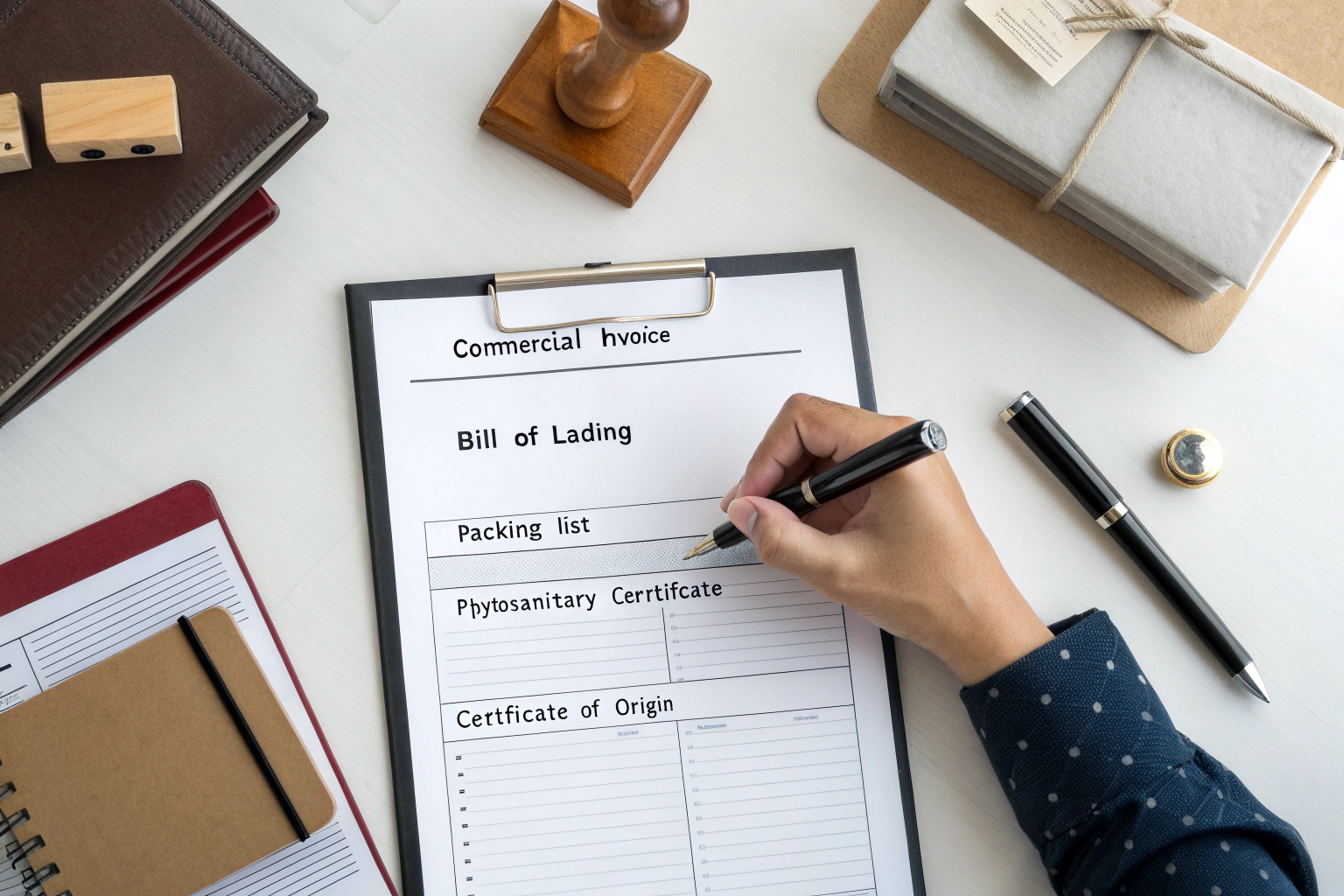
Think of customs clearance as a high-stakes exam. You need to provide the correct answers (documents) before they even ask the questions. Incomplete or incorrect paperwork is the #1 cause of delays. For coffee entering the United States, you must have these five documents perfectly aligned:
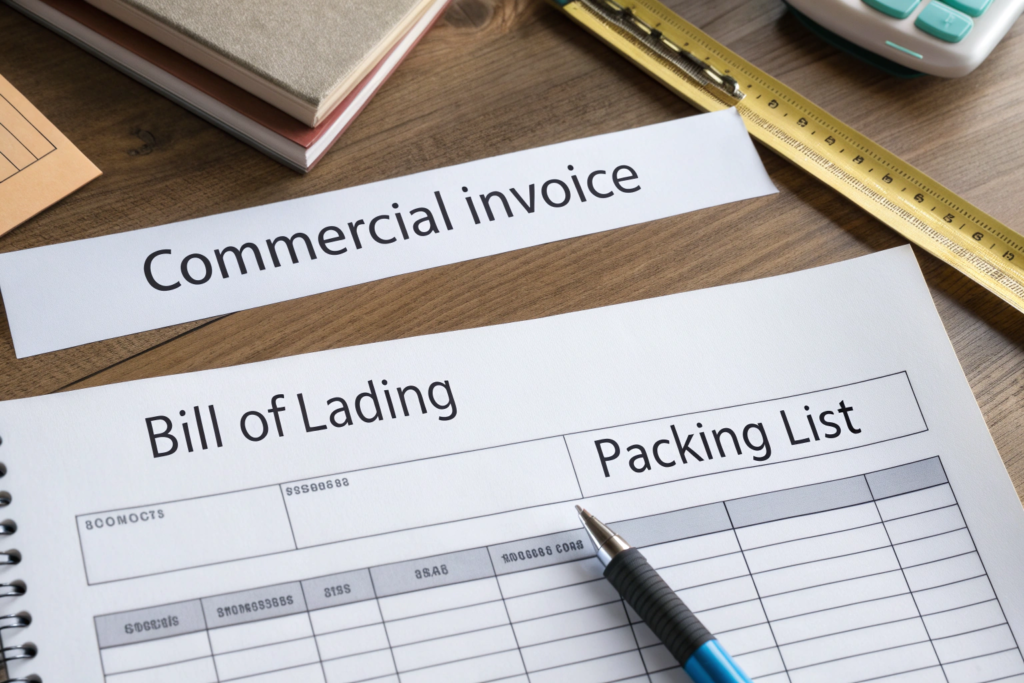
- Commercial Invoice: The financial cornerstone. It must state the exact value, quantity, and description of the goods. The description should match the Harmonized System (HS) code precisely.
- Bill of Lading (B/L): The contract between the shipper and carrier. The details (shipper, consignee, product description, container number) must be identical to the Commercial Invoice.
- Packing List: Details how the coffee is packed (e.g., 250 x 60kg jute bags). The total net/gross weight must match the B/L and Invoice.
- Phytosanitary Certificate: Issued by the Chinese plant health authority (e.g., CIQ). This proves the coffee is free from pests and soil. It's a mandatory health certificate.
- Certificate of Origin: Often Form A, certifying the country of origin (China). This is critical for determining correct tariff rates.
A mismatch is a red flag. If the invoice says "15,000 kg" and the B/L says "15,100 kg," the shipment will be held. Our process at BeanofCoffee uses a single data entry point. All documents are generated from the same master file to eliminate human typing errors. We also provide these documents to you digitally before the ship sails, so you and your broker can pre-review everything.
Why is HS Code Accuracy the Most Critical Detail?
The Harmized System (HS) Code is a universal numeric language for traded goods. For coffee, the code determines your duty rate. The wrong code can lead to underpayment (fines, penalties) or overpayment (lost profit). For roasted coffee, green coffee, decaf, and different processing levels, the codes are different. For example, the common code for green, unroasted coffee is 0901.11.00. Using the correct code isn't just about duty; it signals to customs that you are a knowledgeable, compliant importer, which builds trust and facilitates faster processing. We ensure the correct HS code for coffee is on every invoice we issue.
How Can Digital Document Submission (AMS/ISF) Prevent Delays?
In the modern world, paperwork starts electronically long before the physical papers arrive. For US imports, the Automated Manifest System (AMS) and Importer Security Filing (ISF or "10+2") are mandatory electronic submissions to US Customs. Your freight forwarder or customs broker files these. The ISF must be submitted at least 24 hours before loading at the origin port. The accuracy of the data we provide to you—shipper details, commodity description, HTSUS code, container stuff date—directly impacts this filing. Inaccurate data here causes immediate holds. We provide this data swiftly and accurately after container loading, so your broker can file a perfect ISF, setting the stage for a smooth arrival.
How Does Working with the Right Partners Speed Up the Process?
You can't do this alone. Your clearance speed depends heavily on two partners: your supplier/exporter and your US customs broker. Choosing experts in their respective fields is the ultimate efficiency hack.
Your Supplier controls the first 90% of the data integrity. A professional exporter understands international trade requirements. They know how to fill out a Phytosanitary Certificate correctly, how to declare FOB value properly, and how to pack and label pallets to avoid inspection issues (e.g., no wooden pallets without ISPM-15 treatment). At BeanofCoffee, this expertise is built into our service. We act as your compliance partner in China.
Your US Customs Broker is your legal representative to CBP. A good broker doesn't just file forms; they proactively identify potential issues in your documentation, advise on tariff classifications, and have relationships at local ports. They are your on-the-ground advocate. The synergy between a precise exporter and a proactive broker creates a frictionless pipeline.

What Should You Look for in a Reliable Customs Broker?
Don't just pick the cheapest option. Interview brokers and ask:
- "What is your experience with FDA-regulated products like coffee?" (Coffee is under FDA jurisdiction for food safety).
- "Can you provide references from other coffee importers?"
- "What is your process for reviewing documents before submission?"
- "How do you communicate status updates—am I just a tracking number, or do I get a human point of contact?"
A great broker will ask you detailed questions about your supplier and product to head off problems. They are a strategic partner, not just a filing service. Using a broker familiar with FDA import regulations is crucial.
How Does a Supplier's Export Compliance Help You?
A compliant exporter saves you time and money in hidden ways. For example:
- Accurate Weights: They use certified scales for final weight certificates, avoiding discrepancies.
- Proper Bag Marking: Each bag is clearly marked with origin, lot ID, and gross/net weight, matching the packing list. This simplifies any potential inspection.
- Clean, Treated Pallets: They use heat-treated (HT) pallets stamped with the ISPM-15 mark, preventing delays for wood packaging violations.
- Proactive Communication: They send scanned copies of all original documents (especially the Phytosanitary Certificate) to you and your broker via email as soon as the container sails, allowing for pre-clearance work.
When we at BeanofCoffee say we are a "reliable" partner, this operational precision is what we mean. We reduce the variables that cause customs friction.
What Are the Common Pitfalls That Cause Inspections and Delays?
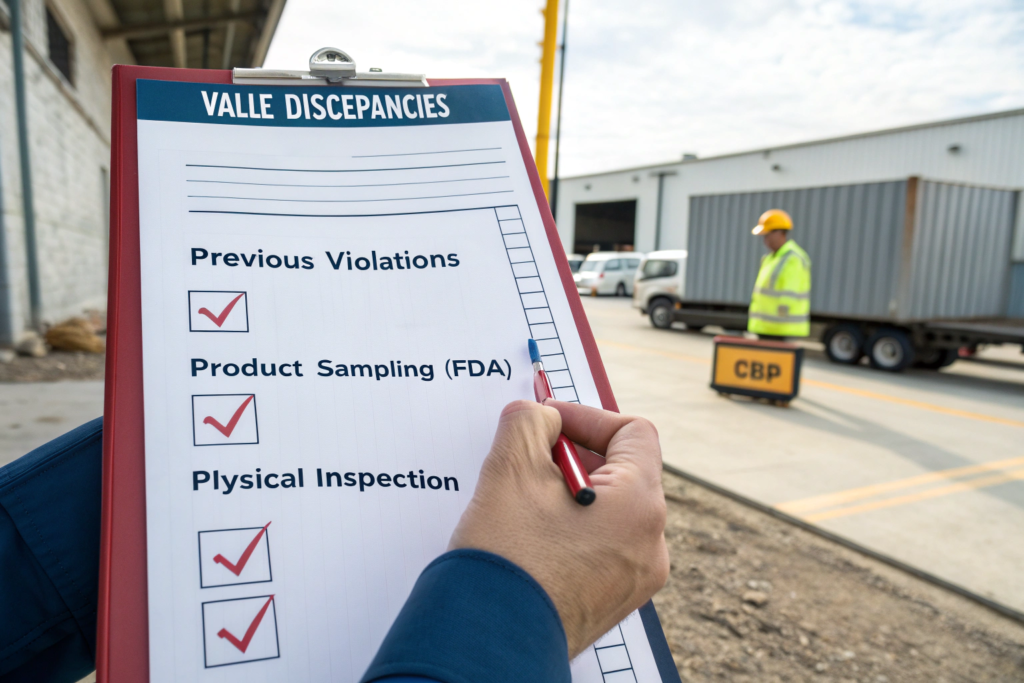
Even with perfect docs, inspections happen. But many are triggered by avoidable red flags. Knowing these helps you mitigate risk:
- Value Discrepancies: Declaring a value significantly lower than the average market price for similar goods invites scrutiny. We base our commercial invoices on actual FOB contract values.
- Previous Violations: If your importer of record (IOR) number has a history of violations, your shipments are more likely to be examined.
- Product Sampling (FDA): The FDA randomly selects food shipments for laboratory analysis to check for contaminants (e.g., ochratoxin A, pesticides). While you can't prevent a random pull, you can ensure your supplier's coffee quality control and lab tests are up to date, providing evidence of safety if asked.
- Physical Inspection: CBP may order a container to be unloaded for a physical exam. This is costly and slow. Perfect documentation and a clean compliance history are your best defense.
The goal isn't to never have an inspection—that's impossible. The goal is to make your shipment so compliant that any inspection is brief and confirms what the paperwork already shows: that this is a legitimate, correctly declared import.
How Can Proper Packaging and Labeling Avoid Holds?
Think from an inspector's perspective. If they open a container and see unmarked bags, spilled beans, or suspect packaging, they will dig deeper. Professional packaging is a sign of a professional operation. We use strong, clean, and clearly labeled bags. The lot numbers on the bags should trace back to our internal processing records. If an inspector has a question, we can immediately provide supporting documentation from our end. This transparency resolves issues quickly.
What is a Customs Bond and Why Do You Need One?
This is a foundational requirement. To import goods into the US, you must have a US Customs Bond. This is an insurance guarantee between you, the surety company, and CBP, ensuring that all duties, taxes, and fees will be paid. There are two main types:
- Single Entry Bond: For one shipment only.
- Continuous Bond: Covers all shipments for a year (much more efficient for frequent importers).
Your customs broker can help you secure this. Without an active bond filed with CBP, your shipment will not be released. It's the first thing your broker will check.
Conclusion
Clearing coffee through customs quickly is a predictable science of preparation, not a roll of the dice. It hinges on flawless documentation starting with your supplier, a strategic partnership with a skilled US customs broker, and an understanding of the common triggers for delay. By mastering these elements, you transform customs from a bottleneck into a smooth, predictable step in your supply chain.
The fastest clearance is the one you prepare for at the point of export. Precision there prevents panic at the port of entry.
At BeanofCoffee, we are your first line of defense against customs delays. Our documented export process is designed to meet US import regulations head-on, providing you with the complete, consistent paperwork that brokers and officials require for swift clearance.
To ensure your next shipment from Yunnan is primed for a fast arrival, contact our logistics specialist, Cathy Cai. We can coordinate with your broker and provide all pre-shipment documentation for review. Email Cathy at cathy@beanofcoffee.com.