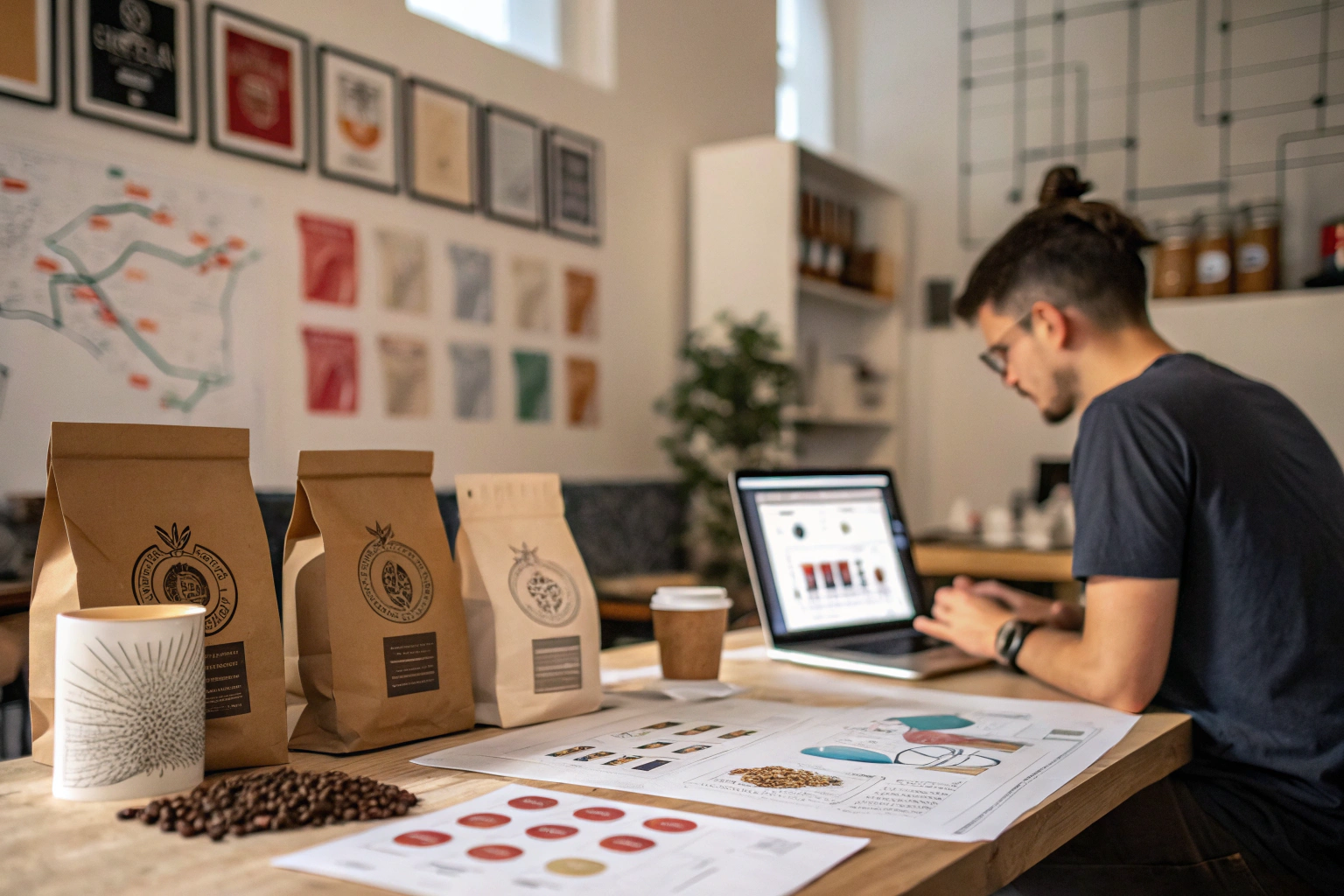
You've seen the success of boutique coffee brands and thought, "I could do this." The market seems saturated, yet new brands keep emerging and thriving. What's their secret? Creating a private label coffee brand isn't just about slapping your logo on generic beans—it's about building a complete ecosystem that connects with a specific audience in a crowded marketplace.
Creating a private label coffee brand involves developing a unique brand identity, sourcing quality beans that match your target market, finding a reliable roasting partner, designing compelling packaging, and building a marketing strategy that tells your story. Success comes from differentiation, not just private labeling existing products.
So, how do you move from idea to shelf presence without the massive infrastructure of major coffee companies? The journey requires equal parts creativity, strategic planning, and operational excellence. Let's map out the pathway from concept to customer.
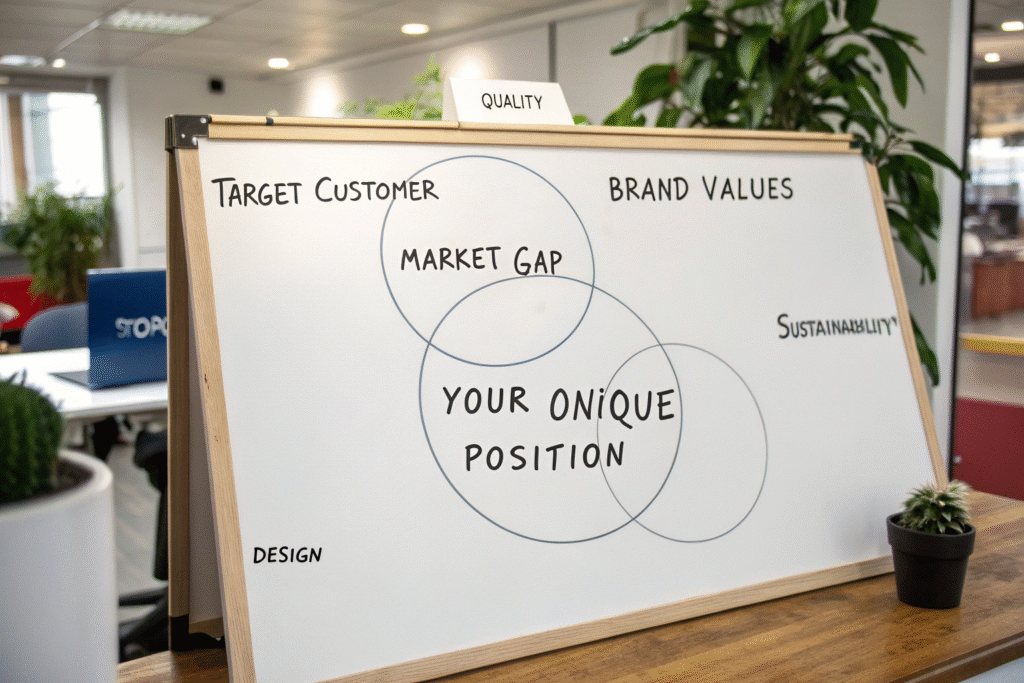
How Do You Develop Your Brand Identity and Positioning?
Before you source a single bean, you need to know who you're selling to and why they should care. Your brand identity is the foundation that everything else builds upon.
Your brand positioning should answer: Who is your target customer? What need are you filling? Why should they choose you over established competitors? How will you communicate your unique value?
What Defines Your Brand Story and Values?
Your story isn't just your origin—it's your "why." Are you focusing on single-origin transparency like many modern brands? Are you creating affordable luxury for busy professionals? Are you an eco-warrior brand with compostable packaging? At BeanofCoffee, we've seen successful brands build around various narratives:
- Origin Stories: "Direct from Yunnan family farms"
- Lifestyle Alignment: "Coffee for modern creatives"
- Social Mission: "Fighting farmer poverty through premium pricing"
- Quality Focus: "Small-batch roasted for maximum freshness"
This core narrative will guide your packaging, marketing, and even product selection.
How Do You Identify Your Target Market?
Get specific. "People who drink coffee" is too broad. Consider:
- Demographics: Age, income, location
- Psychographics: Values, interests, lifestyle
- Behavioral: Where they shop, what they prioritize
Create customer personas. For example: "Eco-conscious Emma, 28, urban professional, shops at farmers markets, willing to pay premium for sustainable products." This customer clarity ensures all your decisions resonate with your actual buyers.
What Are the Key Sourcing and Production Decisions?
Your product must deliver on your brand promise. This means finding the right beans and the right partner to bring them to market under your label.
The sourcing and production phase involves selecting coffee origins and profiles, choosing between roasting partners or establishing your own facility, and ensuring consistent quality control.
How Do You Choose the Right Coffee Profile?
Match your coffee to your brand identity and target market:
- For quality-focused brands: Single-origin specialty beans (85+ SCA score)
- For ethical brands: Fair Trade or direct trade relationships
- For mainstream appeal: Consistent, balanced blends
- For adventurous consumers: Experimental processing (natural, anaerobic)
Consider offering multiple SKUs to appeal to different drinking occasions within your target market. This product portfolio strategy increases customer lifetime value.
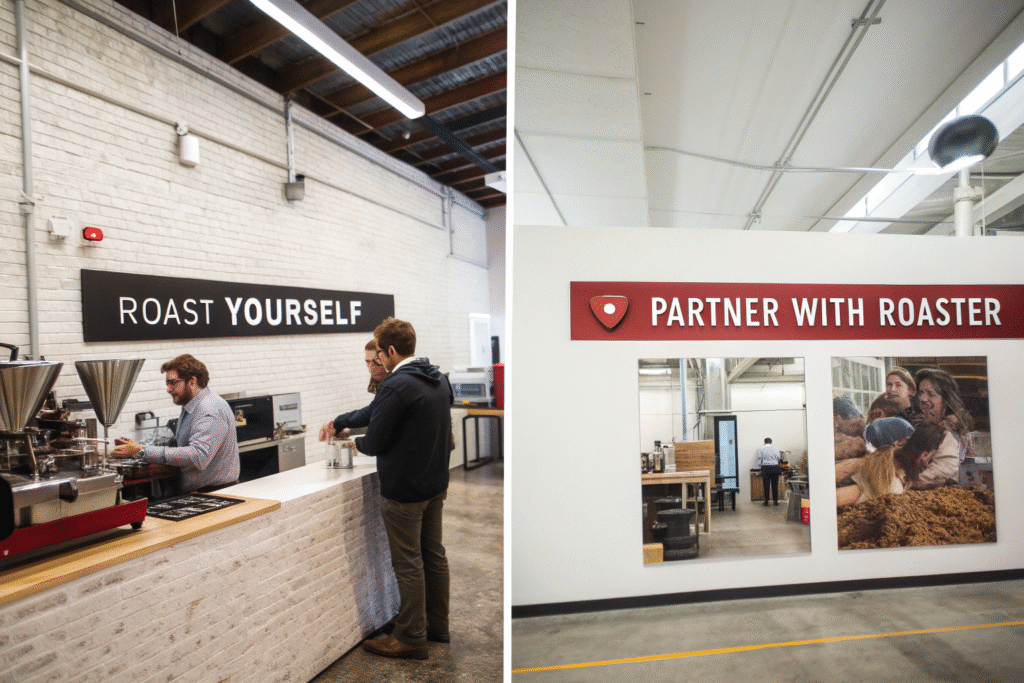
Should You Partner with a Roaster or Roast Yourself?
For most new brands, partnering with an established roaster is the smart choice. They provide:
- Existing infrastructure (roasters, packaging equipment)
- Quality control systems
- Scalability without massive capital investment
- Expertise in consistent roasting
Look for roasters who offer private labeling and share your quality standards. Ask about their minimum order quantities (MOQs), turnaround times, and flexibility. This operational partnership lets you focus on branding and marketing while they handle production.
What Packaging and Design Creates Shelf Impact?
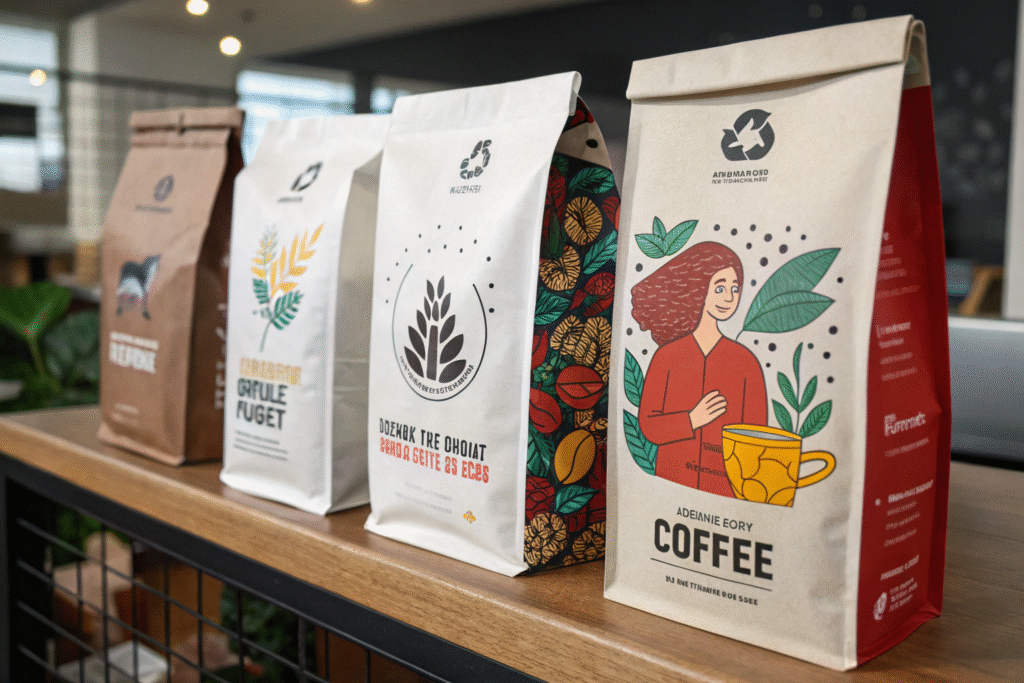
Your packaging is your silent salesperson. In a crowded market, design can be the difference between being noticed and being ignored.
Effective coffee packaging balances aesthetics, functionality, and brand communication. It must protect the coffee while telling your story at a glance.
What Are the Essential Packaging Elements?
- Materials: Stand-up pouches with degassing valves are standard
- Functionality: Resealable zippers, accurate fill lines
- Information: Roast date, origin, flavor notes, brewing suggestions
- Branding: Logo, color scheme, typography that reflects your identity
- Compliance: Net weight, manufacturer information, certifications
Remember that package functionality is as important as aesthetics—poor packaging can destroy your perfect roast.
How Does Design Communicate Quality?
Color psychology, typography, and imagery all signal your brand positioning:
- Premium brands: Minimalist design, premium materials, sophisticated colors
- Eco-brands: Recycled materials, earth tones, simple graphics
- Youthful brands: Bold colors, playful illustrations, modern typography
- Heritage brands: Traditional elements, serif fonts, muted palettes
Your design should immediately communicate who you are before a customer reads a single word. This visual branding is your first impression.
How Do You Build Your Marketing and Distribution Strategy?
Creating a great product is only half the battle—you need to get it in front of buyers and give them reasons to choose you repeatedly.
Your marketing strategy should combine digital presence, retail relationships, and customer experience to build awareness and loyalty.
What Digital Marketing Channels Work Best?
- Website & E-commerce: Your brand home with educational content
- Social Media: Instagram for visual storytelling, Facebook for community
- Content Marketing: Brewing guides, origin stories, behind-the-scenes
- Email Marketing: Customer education, new product launches, loyalty programs
Share your journey transparently—customers love seeing the real people behind brands. This authentic connection builds trust and loyalty.
How Do You Approach Retail Distribution?
Start small and focused:
- Local first: Farmers markets, local cafes, boutique grocers
- Proof of concept: Use local success to approach regional distributors
- Strategic partnerships: Collaborate with complementary brands
- Direct-to-consumer: Build your own e-commerce channel for higher margins
Consider a phased approach: Local → Regional → National. Each success builds your case for the next expansion. This strategic scaling prevents overextension.

What Operational and Financial Planning is Crucial?
The romance of creating a brand meets the reality of business operations. Solid financial planning and systems ensure your brand survives beyond the launch excitement.
Operational excellence includes inventory management, financial forecasting, legal compliance, and customer service systems.
What Financial Realities Should You Prepare For?
- Startup costs: Brand development, initial inventory, packaging design
- Ongoing costs: COGS, marketing, overhead, distribution
- Cash flow: The gap between paying suppliers and receiving customer payments
- Pricing strategy: Must cover all costs while remaining competitive
Create detailed financial projections and maintain a cash buffer—the "coffee business is profitable" myth has bankrupted many undercapitalized founders. This financial discipline separates sustainable brands from flash-in-the-pan ventures.
How Important are Systems and Processes?
From day one, implement systems for:
- Inventory management: Track roast dates, manage SKUs
- Customer service: Response templates, issue resolution
- Order fulfillment: Shipping, returns, subscription management
- Quality control: Regular tasting, customer feedback loops
Systems create consistency and scalability, allowing you to focus on growth rather than daily firefighting. This operational foundation supports sustainable expansion.

Conclusion
Creating a successful private label coffee brand requires blending art and science—creative branding with operational excellence. The brands that thrive understand their customers deeply, deliver consistent quality, tell compelling stories, and build sustainable business models.
Your differentiation won't come from having slightly better coffee than competitors, but from creating a complete brand experience that resonates with a specific audience. The market has room for new voices that understand this holistic approach. If you're ready to develop your private label with a supplier that offers flexible partnership, consistent quality, and origin stories that resonate with modern consumers, we should talk. Contact our export manager, Cathy Cai, at cathy@beanofcoffee.com to discuss how BeanofCoffee can be your roasting and sourcing partner in building a brand that stands out.