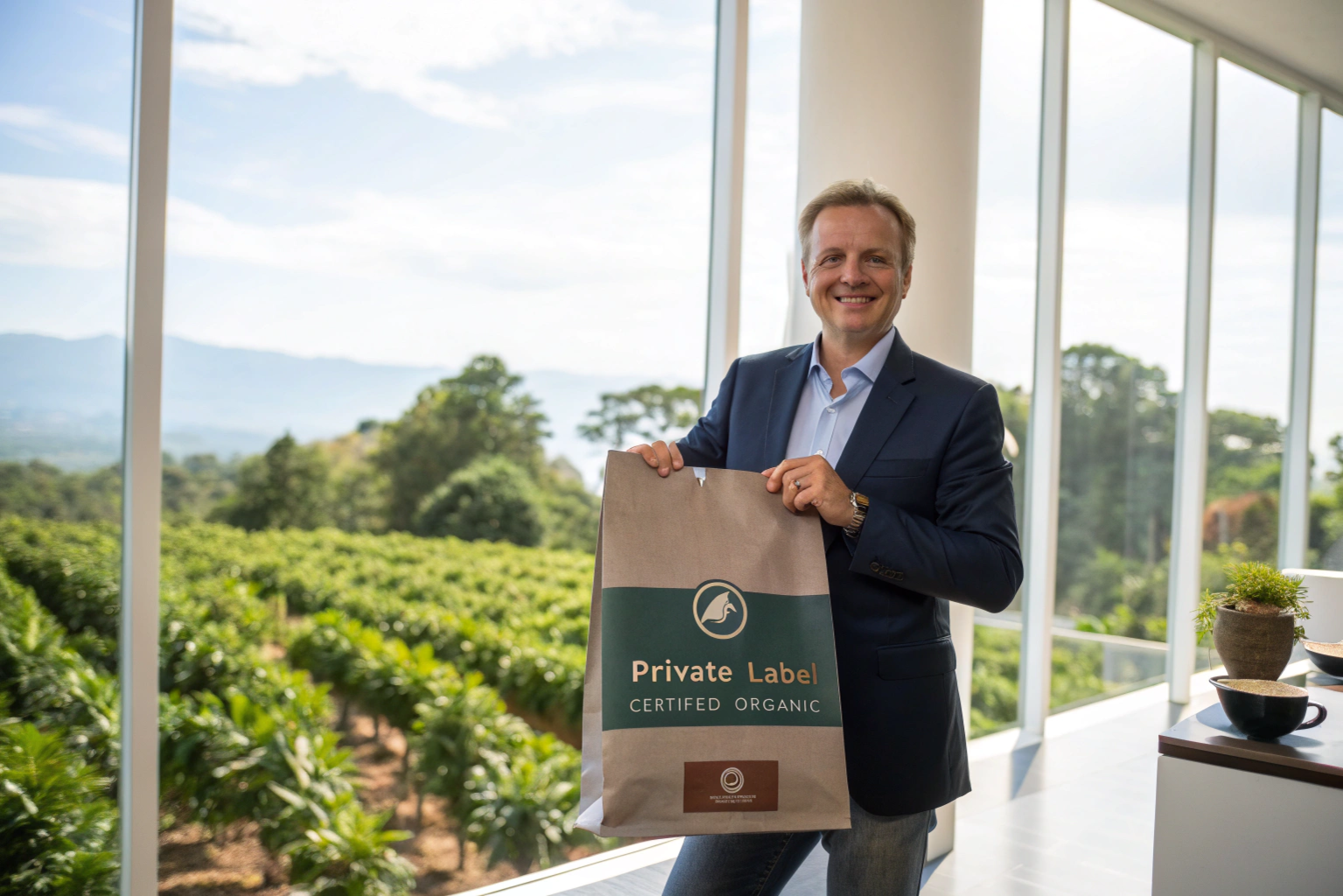
This is a conversation I have regularly with ambitious entrepreneurs like Ron. It's a fantastic and natural next step. They've found a product they trust, and now they want to channel that quality into building their own brand equity. But they're faced with a wall of questions and fears: sourcing, certification, packaging, logistics... it feels like trying to climb a mountain in the dark. It's a pain point I deeply understand.
To create a private label organic coffee line, you must follow a strategic four-step process: 1) Partner with a certified organic supplier who offers private label services, 2) Develop your unique brand identity and blend profile, 3) Design compliant packaging that meets both your brand's aesthetic and organic labeling laws, and 4) Establish a clear logistics and fulfillment plan. The key is finding a vertically integrated partner who can simplify this complex process for you.
Building your own brand is one of the most rewarding journeys you can take. It's how you move from being a reseller to a brand owner. At Shanghai Fumao, we've evolved our business beyond just exporting green beans. We've invested in the roasting, packaging, and certification infrastructure specifically to help partners like you make this leap. We don't just want to sell you coffee; we want to help you build your dream. Let's walk through the path, step by step.
How Do You Find a True Private Label Partner?
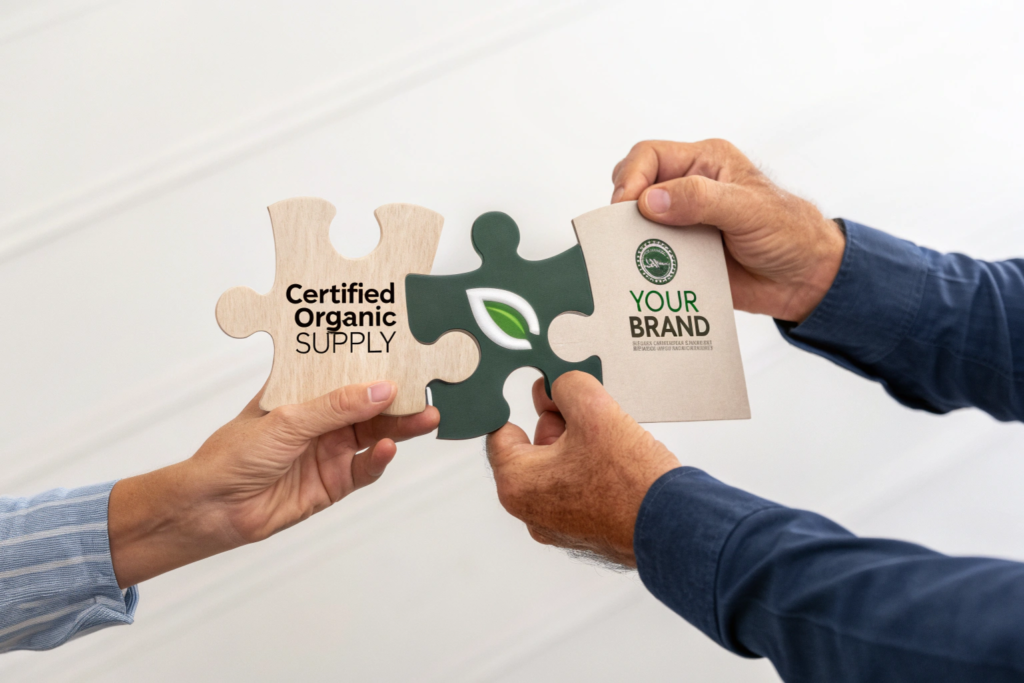
This is the most critical decision you will make. The term "private label" is used loosely, but a true partner offers much more than just putting your sticker on their pre-packaged bag. You're looking for a supplier who is not just a vendor, but an extension of your own company—a silent partner who handles the complex production side so you can focus on marketing and sales.
The first and most non-negotiable requirement is that your partner must be a certified organic producer and handler. This is not something you can take their word for. They must hold a valid certification from a recognized body (like USDA, EU Organic, etc.). This certification needs to cover their farm, their processing facility, and their roasting/packaging plant. Without this unbroken chain of certification, you cannot legally put the "organic" seal on your final product. This is a major point of due diligence for any buyer.
Beyond certification, you need a partner with a proven track-label in private labeling. Do they have the flexibility to create custom blends? Do they have experience with different packaging formats? Can they provide guidance on labeling laws? A true partner has already navigated these challenges and has a streamlined process in place.
What Is a "Vertically Integrated" Supplier?
This is the gold standard. A vertically integrated supplier, like us at Shanghai Fumao, controls the entire supply chain. We own the organic farms, we operate the processing mills, we manage the export, and we run the certified organic roasting and packaging facility. This means we have full control over quality, traceability, and cost at every single step. There are no middlemen. This structure provides you with maximum transparency, reliability, and cost-effectiveness.
What Questions Should You Ask a Potential Partner?
When vetting a supplier, be direct and ask the tough questions:
- "Can you provide me with a copy of your current organic certifications for your farm, mill, and roasting facility?"
- "What are your minimum order quantities (MOQs) for a private label run?"
- "Can you help me create a custom blend, or do I have to choose from your existing offerings?"
- "What is your lead time from placing an order to having it ready for shipment?"
- "Do you have experience exporting finished, packaged goods to my country?"
A good partner will have clear, confident answers to all of these.
How Do You Develop Your Brand and Blend?
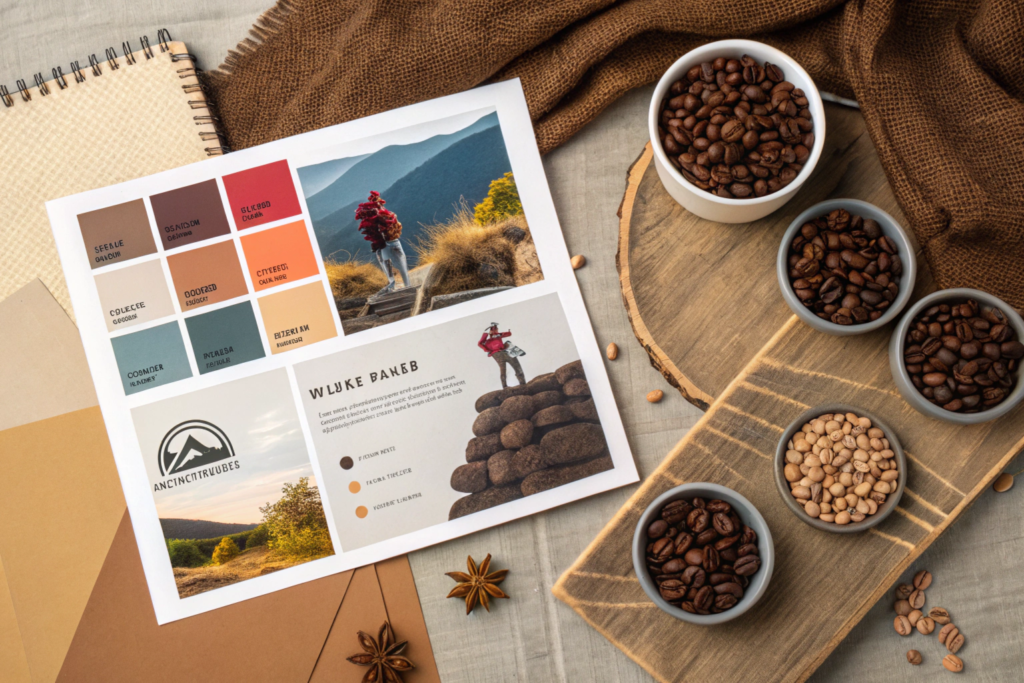
Once you have a trusted production partner, the fun part begins: creating your brand. This is where you infuse the product with your unique story, vision, and personality. Your brand is much more than just a logo; it's the entire experience you offer your customers. It's the promise you make with every bag.
Start by defining your target audience. Who are you selling to? Are they busy professionals who want a reliable morning coffee? Are they connoisseurs looking for unique single origins? Are they health-conscious consumers who prioritize the organic aspect above all else? Your answer to this question will inform every decision you make, from the flavor profile to the packaging design.
Next, work with your private label partner to develop your signature coffee. This is a collaborative process. You can start by cupping different organic single origins they offer. Do you like the nutty, chocolatey notes of one lot? The fruity brightness of another? A great partner will work with you to create a custom blend that perfectly matches the taste profile you want your brand to be known for. This unique blend becomes your intellectual property and a key asset of your business.
Why Is a Unique Blend So Important?
If you simply sell the same single-origin coffee as ten other private label brands from the same supplier, you are only competing on marketing. But if you create a unique blend—say, a 70/30 mix of two different organic lots—you have a product that is exclusively yours. No one else can replicate it. This gives your customers a reason to come back to your brand specifically. It's a powerful tool for building customer loyalty.
What Is a "Brand Story"?
Your brand story is the narrative that connects your customer to the product. Why did you start this brand? What do you believe in? Since you are sourcing from us in Yunnan, your story could be about bringing a unique, high-quality organic coffee from the misty mountains of China to your local community. It could be about sustainability, about direct relationships, about discovering hidden gems. A compelling brand story creates an emotional connection that transcends the product itself.
How Do You Design Compliant Packaging?
Your packaging is your silent salesman. It's the first thing a customer sees and it has to do two jobs perfectly: it must capture their attention with beautiful design, and it must comply with all the strict legal requirements for labeling organic products. Failing at either of these can be disastrous.
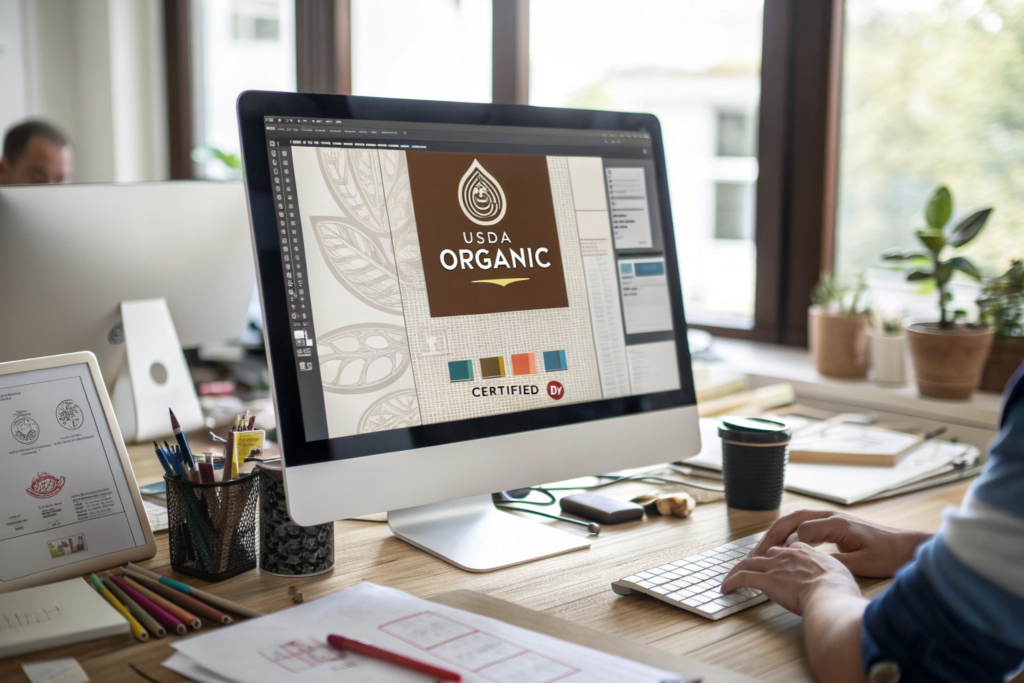
First, the design. This should be a direct reflection of your brand identity. Is your brand minimalist and modern? Rustic and earthy? Bold and energetic? Work with a professional graphic designer to create a look that is attractive, memorable, and stands out on a crowded shelf. Your private label partner can provide you with the exact dimensions and templates for the bags they use, ensuring your design fits perfectly.
Second, compliance. This is where a knowledgeable partner is invaluable. To use the "USDA Organic" seal, for example, your packaging must follow specific rules. You must clearly state the name of the certifying agent (e.g., "Certified Organic by CCOF"). The ingredients list must be clear. The net weight must be displayed correctly. Making a mistake on this can lead to hefty fines or being forced to recall your product. A good partner will review your final design to ensure it meets all the necessary labeling requirements.
What Are My Packaging Options?
A good private label supplier will offer a range of options, such as:
- Stock Bags with Custom Labels: The most cost-effective option, where you apply a custom-designed label to a pre-made stock bag.
- Custom Printed Bags: A more premium option where your design is printed directly onto the bag material before it's formed. This requires a higher minimum order quantity but results in a more professional finish.
- Bag Types: Options like flat-bottom pouches, side-gusset bags, with or without zippers and degassing valves.
Why Is the "Certified By" Statement So Important?
This statement provides the traceability and accountability that underpins the entire organic system. It tells the consumer, and any regulatory body, exactly which accredited agency has verified that your product and the entire supply chain behind it are compliant with organic standards. It is a non-negotiable element for building consumer trust and ensuring legal compliance.
Conclusion
Creating your own private label organic coffee line is a journey from being a coffee seller to becoming a brand builder. It's a step that puts you in control of your own destiny, allowing you to capture more value and build a loyal customer base. While it may seem complex, it becomes manageable when broken down into clear steps and, most importantly, when you choose the right partner.
A true, vertically integrated partner acts as your production backbone, handling the immense complexity of organic certification, sourcing, roasting, and packaging. This frees you up to do what you do best: building your brand, telling your story, and connecting with your customers.
We built our private label program at BeanofCoffee for entrepreneurs like you. We've invested in the certifications and infrastructure so that you don't have to. We offer you the quality and traceability of a single-origin estate, with the flexibility and support of a world-class private label facility.
If you are ready to stop building someone else's brand and start building your own, let's talk. Contact our head of client relations, Cathy Cai, at cathy@beanofcoffee.com. Your brand's journey starts here.