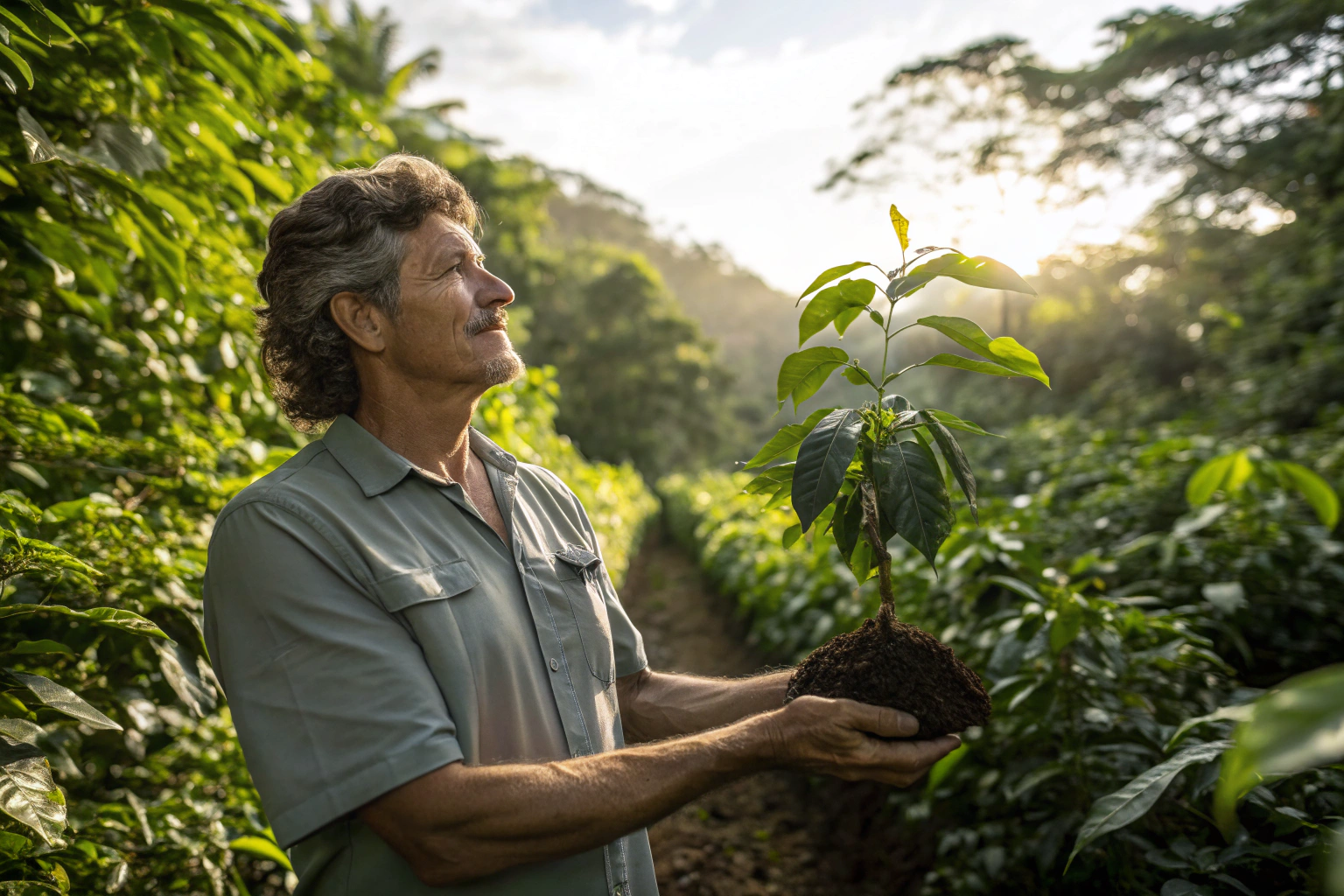
You're passionate about your product. But you're also increasingly aware of the environmental impact of the coffee industry, from deforestation to massive water usage and packaging waste. You want to build a brand that you can be proud of, one that aligns with your values and resonates with a growing number of conscious consumers. The pain point is the overwhelming complexity. What does "eco-friendly" even mean? Is it about organic certification? Recyclable packaging? Carbon offsets? It feels like a confusing, expensive, and potentially disingenuous minefield of "greenwashing."
Honestly, creating a truly eco-friendly coffee brand is not about a single initiative; it's about building a holistic "ecosystem of ethics" into every single business decision you make. It requires a multi-layered commitment to 1) Sourcing beans from verifiably sustainable farms, 2) Minimizing your operational footprint in roasting and packaging, 3) Taking responsibility for your product's end-of-life, and 4) Radically transparent communication with your customers about your journey.
From my vantage point on our 10,000 acres in Yunnan, I see "eco-friendly" not as a marketing angle but as a synonym for "good farming." Healthy soil, clean water, and biodiversity are not just good for the planet; they are the essential ingredients for high-quality coffee. Let's break down the authentic, actionable steps to building a brand that is genuinely green to its core.
How Do You Source Coffee Beans Sustainably?
This is the most important step, and it happens long before the beans ever reach your roastery. The biggest environmental impact of coffee occurs at the farm level. Your choice of supplier is your single most significant eco-friendly decision.
Isn't "organic" the same as "sustainable"? Not necessarily. While organic certification is a great starting point, true sustainability at the farm level is a broader concept. It involves sourcing from farms that practice regenerative agriculture, promote biodiversity (like shade-grown coffee), and manage water responsibly. You need to look beyond the label and ask your supplier tough questions about their actual farming practices.
"Greenwashing" is rampant in sourcing. A supplier might show you a certificate but still operate in a way that harms the local ecosystem. You need to dig deeper.
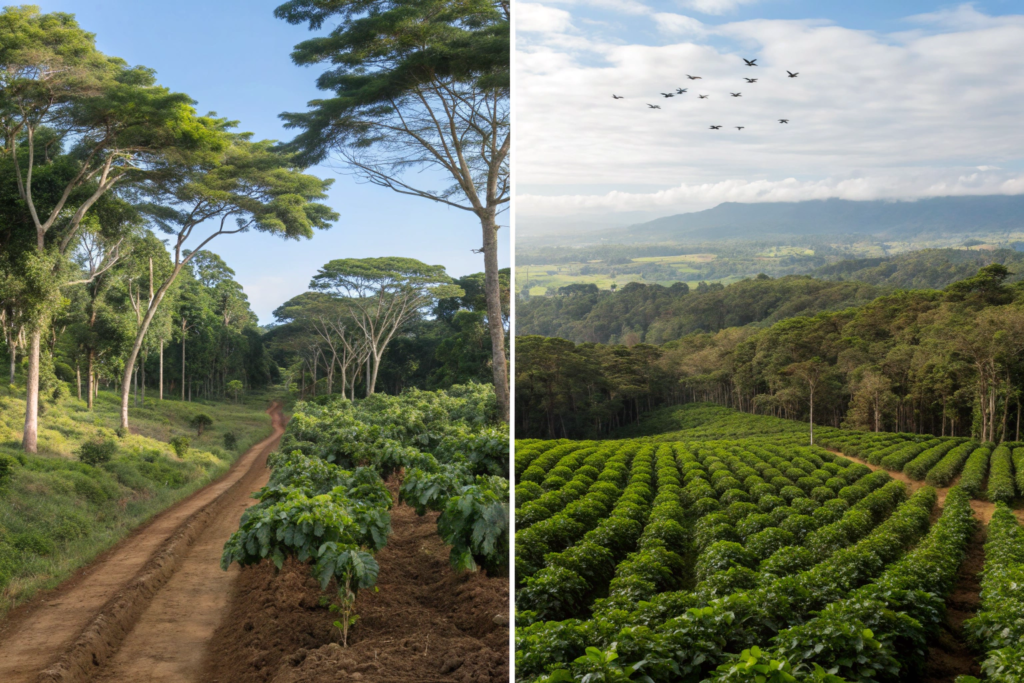
What is the difference between shade-grown and sun-grown coffee?
- Shade-Grown: This is the traditional, more sustainable method. Coffee trees are grown under a canopy of diverse, taller trees. This practice creates a natural habitat for birds and insects, which act as natural pest control. The leaf litter from the canopy enriches the soil, reducing the need for chemical fertilizers. It's a thriving ecosystem. We practice shade-growing techniques on our farms at Shanghai Fumao to enhance biodiversity and improve soil health.
- Sun-Grown: This is a modern, intensive method where forests are cleared to grow coffee in direct sunlight. While it can produce higher yields in the short term, it requires massive amounts of chemical fertilizers and pesticides, leads to soil erosion, and destroys wildlife habitats.
What questions should you ask your supplier?
Go beyond "Are you certified?" Ask specific, operational questions:
- "Can you describe your water management practices? Do you recycle water used in processing?"
- "What percentage of your coffee is shade-grown?"
- "How do you manage soil health and fertility? Do you use cover crops or natural compost?"
- "Can you provide traceability back to the specific cooperative or farm my coffee comes from?"
A truly sustainable partner will be excited and proud to answer these questions in detail.
How Can You Minimize Your Roasting and Packaging Footprint?
You've sourced your beans responsibly. Now, the focus shifts to your own operations. Your roastery and packaging choices are your next biggest opportunity to make a positive impact.
Isn't roasting just... roasting? No, the energy consumption and emissions from roasting are significant. Furthermore, traditional coffee packaging is an environmental disaster. To build an eco-friendly brand, you must invest in energy-efficient roasting technology and choose innovative, truly compostable or recyclable packaging materials.
This is where your commitment is tested. Eco-friendly options are often more expensive upfront. An energy-efficient roaster costs more than a basic model. Compostable bags cost more than standard foil-lined bags. But this investment is a core part of your brand identity and a powerful marketing story.
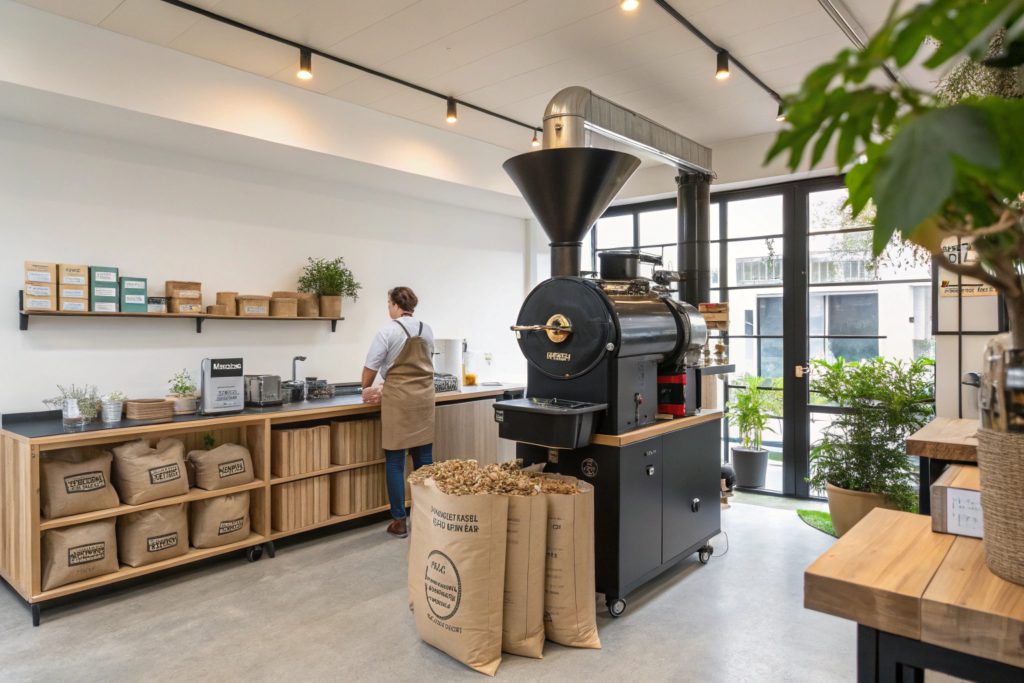
How can you make roasting more eco-friendly?
- Energy-Efficient Roasters: Modern roasting machines are designed to be more energy-efficient, using less gas per batch. Some even have options for heat recirculation.
- Emission Control: A roaster's exhaust contains smoke and volatile organic compounds. Investing in an afterburner or a catalytic converter to eliminate these emissions is a major step for any roaster operating in an urban environment.
- Chaff Collection: Chaff, the papery skin that comes off the bean during roasting, is a great organic material. Instead of throwing it away, donate it to local community gardens or farms for use as compost.
What are the real eco-friendly packaging options?
The world of "eco-friendly" packaging is confusing. Here's a simple breakdown:
- Avoid "Biodegradable": This term is often meaningless. Many "biodegradable" plastics only break down into smaller microplastics and require specific industrial conditions.
- Look for "Compostable": Look for bags made from materials like PLA (plant-based plastic) that are certified BPI-Compostable. This means they will break down into healthy soil in an industrial composting facility. You must educate your customers on how to dispose of them correctly.
- Maximize Recyclability: If compostable isn't an option, choose packaging made from a single material (like LDPE #4 plastic) that is widely recyclable. Avoid multi-layer foil bags, which are almost impossible to recycle. Brands like Savor Brands are offering more sustainable options.
How Do You Take Responsibility for Your Product's "End-of-Life"?
Your responsibility doesn't end when the customer buys your coffee. A truly eco-friendly brand thinks about the entire lifecycle of its product, including what happens to the packaging and the used coffee grounds after the coffee has been enjoyed.
Isn't it the customer's job to recycle? Yes, but it's your job to make it possible and to educate them. Taking responsibility for your product's end-of-life means choosing packaging that can be recycled or composted in your customers' communities and actively running programs to help them do it. This might include an in-store take-back program for packaging or a "grounds for gardeners" initiative.
This is how you close the loop. It demonstrates a level of commitment that goes far beyond simple marketing claims. It shows you genuinely care about your impact on the world.
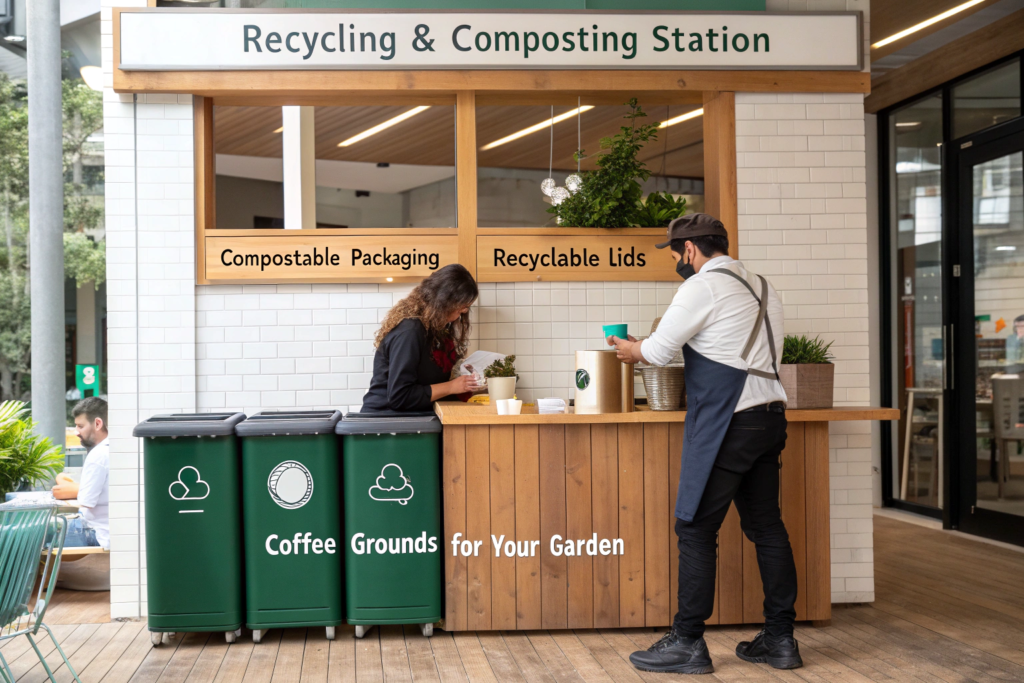
What is a "take-back" program?
If you use packaging that is hard for customers to recycle at home, you can become the solution. Set up a collection bin in your cafe or roastery for your own empty bags. You can then partner with a specialized recycling service like TerraCycle to have them recycled properly. This is a powerful demonstration of brand responsibility.
How can you repurpose coffee grounds?
Used coffee grounds are a fantastic nitrogen-rich fertilizer for gardens.
- "Grounds for Your Garden": Bag up your cafe's used coffee grounds and offer them for free to customers for their gardens. It's a simple, zero-cost program that customers love.
- Partner with Community Gardens: Donate your bulk coffee grounds to local schools or community gardens. It builds goodwill and reduces your waste.
How Do You Communicate Your Eco-Story Authentically?
You're doing all this amazing work behind the scenes. Now, you have to tell your customers about it in a way that is credible, engaging, and doesn't sound like you're bragging.
If you do good work, won't people just notice? No, you have to tell them, but how you tell them is everything. Authentic eco-marketing is about radical transparency, not vague claims. Instead of saying "we're sustainable," show them how: share photos from the sustainable farms you partner with (like our farms in Yunnan), create a detailed "Sustainability" page on your website, and use your packaging to tell a specific, verifiable story.
Avoid generic green buzzwords. Consumers are smart and are tired of being "greenwashed." Specificity is your best friend.
What does "radical transparency" look like?
- Supplier Spotlight: Dedicate a section of your website and social media to telling the story of your coffee's origin. Share the name of the farm or cooperative. Post photos and videos from your sourcing trips. If you source from us at Shanghai Fumao, we are happy to provide you with this content.
- Annual Impact Report: Publish a simple annual report that details your efforts. "This year, we diverted 1,000 lbs of coffee grounds from the landfill" or "We transitioned 50% of our packaging to compostable materials." Real numbers build real trust.
How do you use your packaging to tell the story?
Your coffee bag is your most valuable piece of marketing real estate.
- Be Specific: Instead of a generic recycling symbol, use specific language: "This bag is made from 100% PLA and is commercially compostable. Find a composter near you at..."
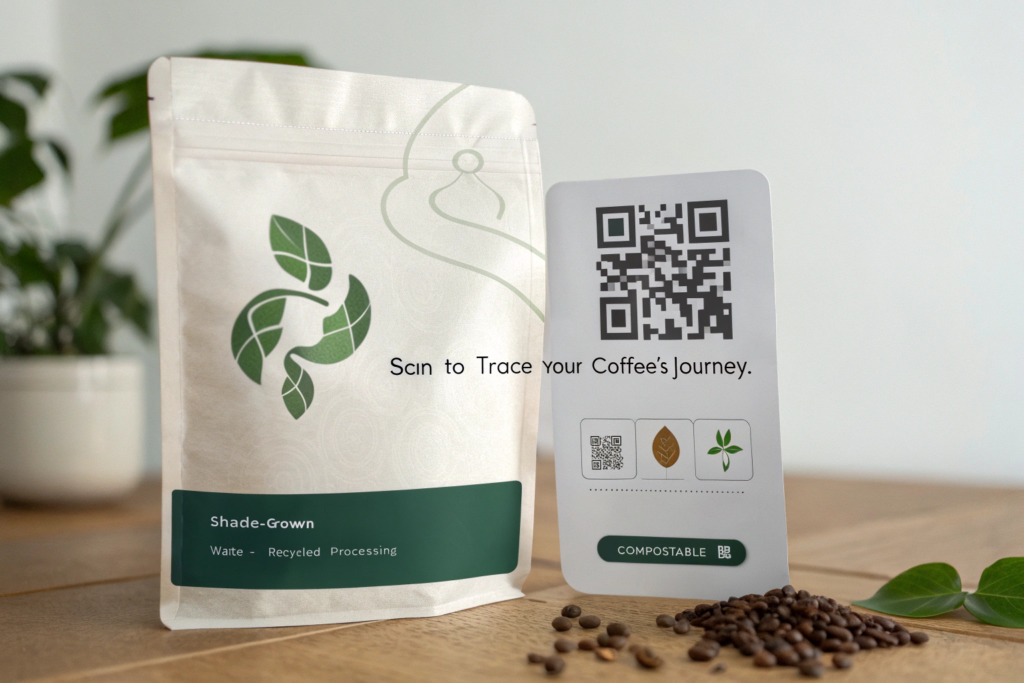
- Use QR Codes: Add a QR code to your bag that links directly to a page on your website telling the story of that specific coffee, complete with photos of the farm and farmers. This connects the final product in their hand directly back to the sustainable source.
Conclusion
Creating an eco-friendly coffee brand is a profound commitment that touches every facet of your business. It's a challenging path that often requires choosing the harder, more expensive option. But the rewards are immense. You build a brand with a soul, one that attracts passionate employees and fiercely loyal customers. You create a product that you can be deeply proud of, knowing that it not only tastes good but also does good. It's a business model for the future, where profit and purpose are not in conflict but are inextricably linked.
We believe that sustainability is the only future for coffee. It's a principle we live by on our farms every day. If you are a brand owner who shares this vision and is looking for a foundational partner who can provide high-quality, traceable, and sustainably grown coffee, we would be honored to be part of your story. Contact our coffee specialist at cathy@beanofcoffee.com to begin building a better future, together.