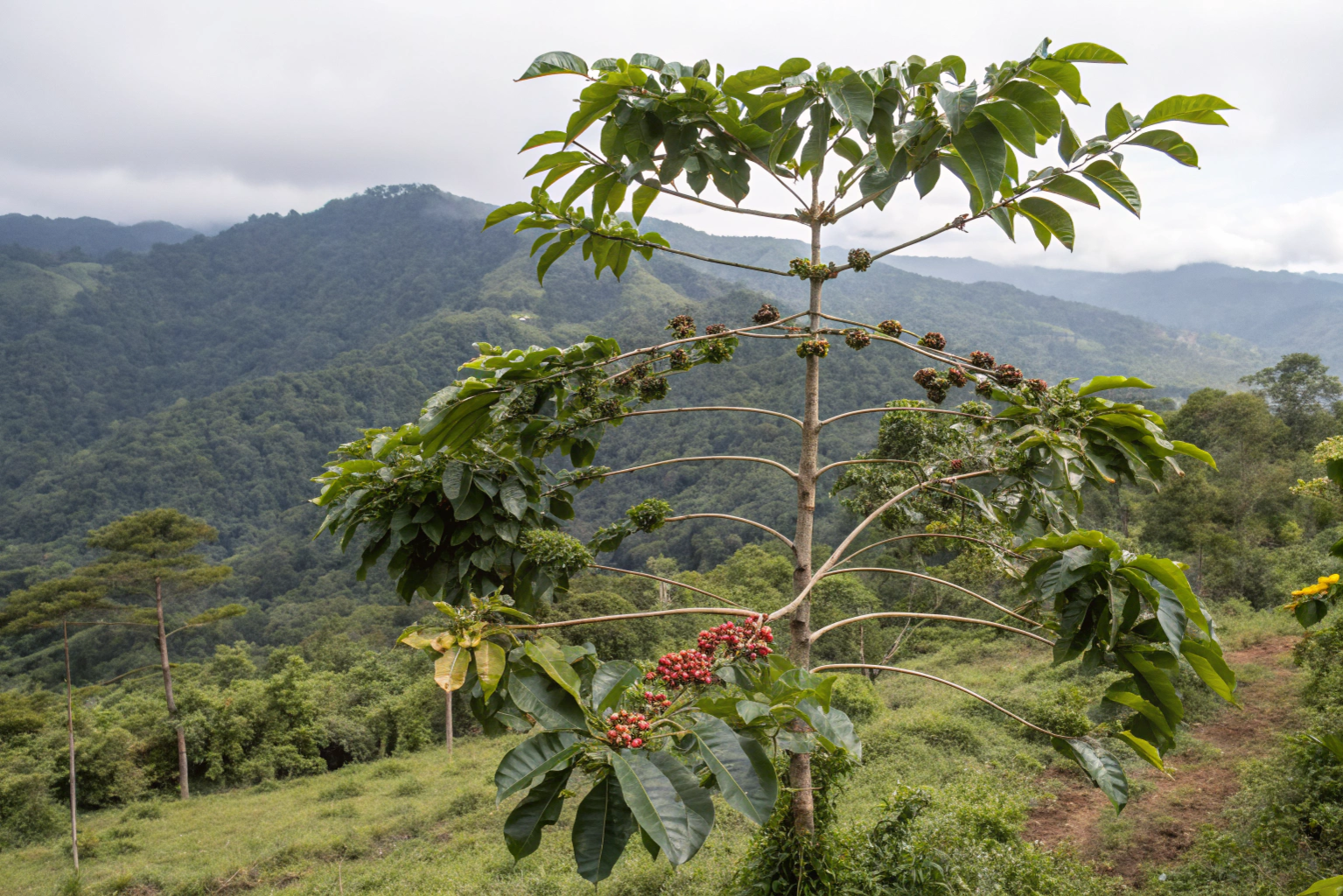
I've heard this sentiment from buyers like Ron more times than I can count. And honestly, I understand the hesitation. For years, the Catimor varietal has carried a heavy burden—a reputation for being a workhorse bean, prized for its high yields and resilience, but often dismissed for its supposedly inferior flavor. This reputation is the single biggest pain point for a proud Catimor grower like me. It creates a wall of prejudice that is difficult to break through.
But here is the truth, forged from years of experience on our 10,000 acres in Yunnan: You distinguish high-quality Catimor from low-quality not by its name, but by its nurture. The difference lies in meticulous farming at high altitudes, precise and innovative processing, and rigorous, zero-defect sorting. High-quality Catimor, when grown and processed with the same care as any other specialty Arabica, delivers a cup profile that is clean, sweet, and complex, shattering its old reputation. It's not the varietal that's the problem; it's how it has historically been treated.
At Shanghai Fumao, we have made it our mission to champion the true potential of Yunnan Catimor. We've proven that with expertise and investment, this resilient bean can produce a truly exceptional cup. Let me show you exactly how to spot the difference, so you can avoid the low-grade beans of the past and discover the high-quality Catimor of the future.
Why Does Catimor Have a Bad Reputation?
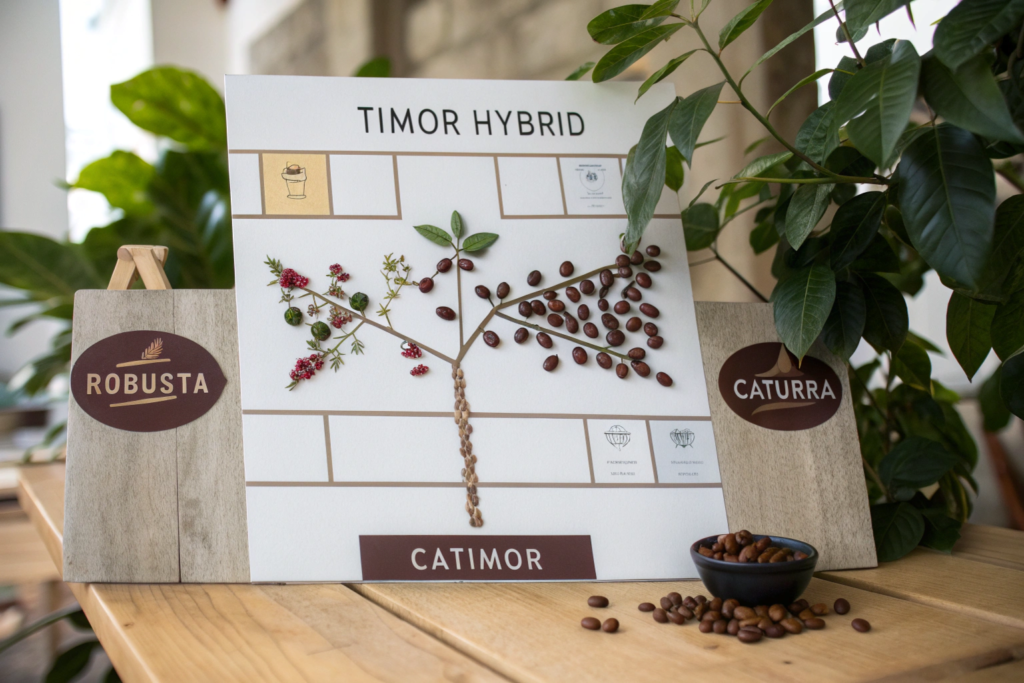
To understand how to find good Catimor, you first have to understand why it got its bad reputation. It's a story of genetics and economics. Catimor is a hybrid varietal, a cross between the high-quality, but delicate, Caturra (an Arabica) and the incredibly hardy, disease-resistant Timor Hybrid (which itself has Robusta genetics). It was created in the mid-20th century with a noble goal: to give farmers a coffee plant that could resist devastating diseases like coffee leaf rust while still producing high yields.
The problem was that Catimor was too successful at being a workhorse. It was often planted in poor conditions, at low altitudes, and processed with a focus on quantity, not quality. Farmers, often struggling with economic pressures, understandably prioritized the bean's resilience over its potential flavor. The result was a flood of low-grade Catimor on the market, which often had a rubbery or earthy taste, a lingering reminder of its distant Robusta ancestry.
This history created a powerful bias in the market. Buyers began to associate the name "Catimor" with these negative flavor profiles, regardless of how or where it was grown. Overcoming this prejudice requires re-educating the market and proving that the bean's potential is unlocked through proper care.
What Is Coffee Leaf Rust?
Coffee leaf rust, or la roya in Spanish, is a devastating fungus that can wipe out entire plantations of susceptible Arabica varietals. It has caused economic crises in coffee-growing regions across the world. The creation of rust-resistant hybrids like Catimor was a vital innovation for the survival of many coffee farmers.
Was the Flavor Always Bad?
No. The genetic potential for good flavor was always there from its Caturra parentage. However, that potential is easily masked or destroyed by poor farming and processing. The "bad" flavor many associate with Catimor is often the taste of stress—the taste of a plant grown in poor soil, at the wrong altitude, or of cherries that were processed improperly. It's the taste of compromise, not the taste of the bean itself.
How Does Farming Practice Create Quality?
You cannot produce high-quality coffee from an unhealthy plant, period. This is where the first and most important separation between high and low-quality Catimor occurs: on the farm itself. A supplier who simply treats Catimor as a commodity will not invest in the agricultural practices necessary to unlock its specialty potential.
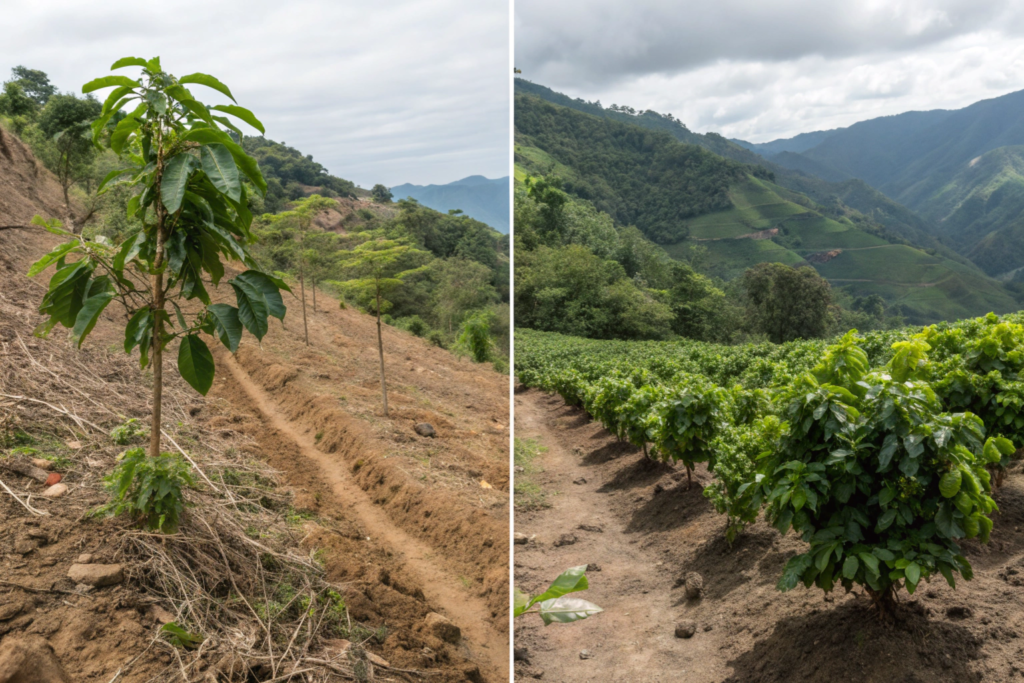
High-quality Catimor begins with high-altitude farming. While the plant can survive at lower altitudes, it truly thrives at elevations above 1,300 meters (4,200 feet). At these heights, the cooler temperatures cause the coffee cherries to mature more slowly. This slow maturation process allows the bean to develop a higher density and a more complex structure of sugars and acids, which are the building blocks of great flavor. This is a fundamental principle of specialty coffee cultivation.
Furthermore, meticulous farm management is key. This includes practicing sustainable methods like shade-growing and proper soil nutrition to ensure the plants are healthy and stress-free. Finally, it culminates in selective harvesting—hand-picking only the perfectly ripe, deep-red cherries. Low-grade operations will often "strip-pick" everything, mixing unripe and overripe cherries, which is a guaranteed way to produce a harsh, astringent cup.
Why Is High Altitude So Important?
The stress of cooler nights at high altitudes is actually a "good" stress. It forces the plant to concentrate its energy on the seed (the bean), leading to a denser, more complex bean. Low-altitude Catimor produces a lighter, less complex bean that simply doesn't have the same potential for nuanced flavor. When you ask a supplier for the altitude of their Catimor farm, you are asking a critical quality question.
What Is Selective Harvesting?
Selective harvesting means sending pickers through the fields multiple times, only picking the cherries that are at their peak ripeness. This is far more labor-intensive and expensive than strip-picking an entire branch at once. A supplier's commitment to this practice is a clear indicator that they are prioritizing quality over quantity. It's a non-negotiable step for any coffee destined for the specialty market.
How Does Processing Unlock Flavor?
If farming is where quality is born, processing is where it is truly defined and unlocked. You can have the most perfectly grown, ripe Catimor cherries, but if you process them poorly, you will destroy all of that potential. This is the second major point of divergence between commodity and specialty Catimor.
Low-grade Catimor is often processed using outdated, inconsistent methods. Cherries might be left to ferment for too long in unclean tanks, developing sour or moldy flavors. They might be dried directly on patios, where they can pick up earthy, dirty tastes and dry unevenly. These shortcuts are all about saving time and money, but they come at the direct expense of cup quality.
High-quality Catimor, on the other hand, is processed with the precision of a science. At Shanghai Fumao, we use the same advanced techniques for our Catimor as we do for our most prized Gesha lots. This includes:
- Clean, controlled fermentation: Using sealed, stainless-steel tanks to carefully manage the fermentation process, preventing unwanted microbial activity.
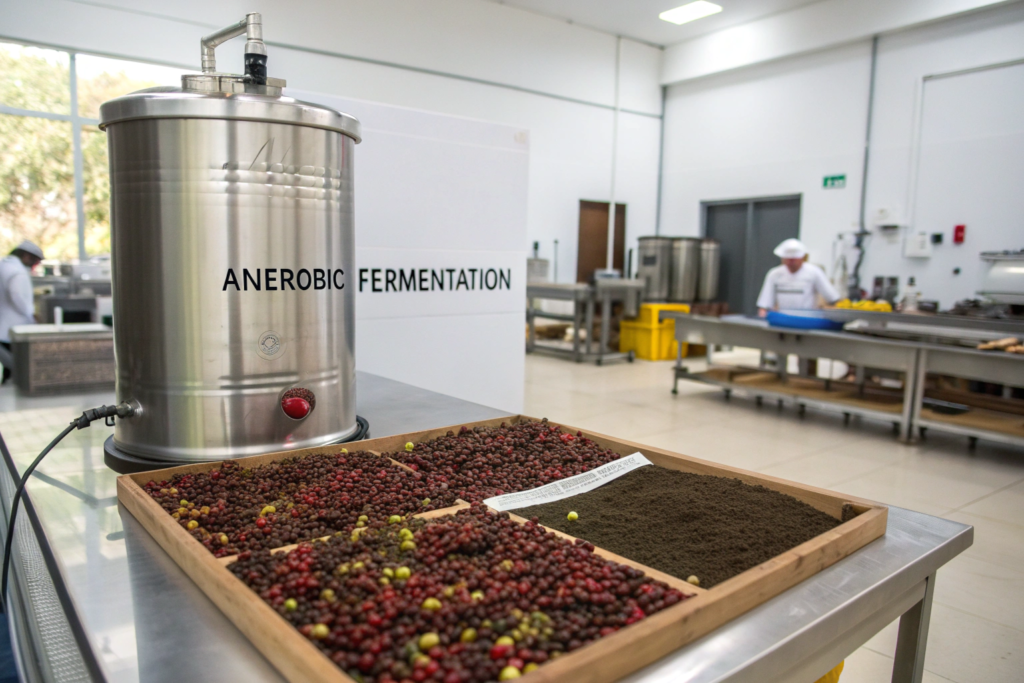
- Innovative methods: Experimenting with techniques like anaerobic or carbonic maceration to create unique and exciting new flavor profiles.
- Raised-bed drying: Drying the coffee on raised "African beds" which allow for even airflow and prevent contact with the ground, resulting in a much cleaner, brighter cup profile.
What Is the Washed Process?
In the washed process, the skin and fruit pulp are removed from the cherry before the bean is dried. When done correctly, this method produces a coffee that is clean, bright, and highlights the bean's inherent acidity and flavor. A clean, well-executed washed Catimor will have none of the rubbery notes of its reputation and will instead have a pleasant, sweet, and often nutty profile.
How Can Experimental Processing Help?
Techniques like anaerobic fermentation (fermenting the coffee in an oxygen-free environment) can transform Catimor's flavor profile. These methods can suppress some of the more traditional "coffee" flavors and amplify the fruit notes, creating a cup that might have surprising hints of strawberry, plum, or wine. A supplier who is investing in these advanced processing methods is clearly focused on pushing the boundaries of quality.
What Should You Look for in the Green Beans?
You've asked the right questions about altitude and processing. Now, the green coffee sample arrives at your lab. The beans themselves will tell you the final part of the story. Visual inspection is a critical step in verifying quality and is something every serious buyer like Ron should perform.
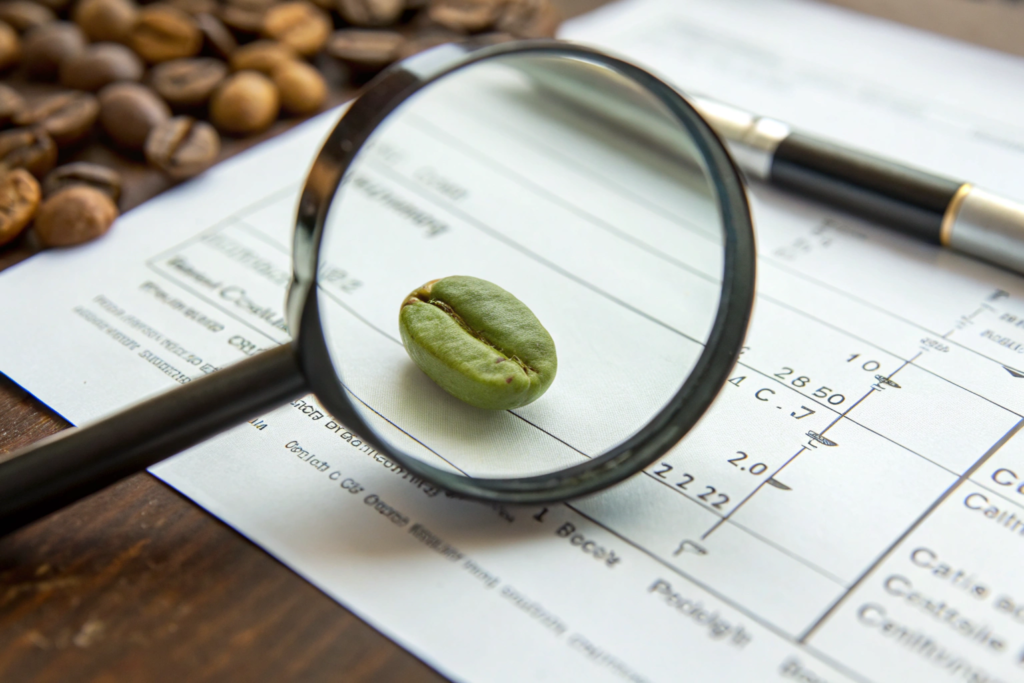
First, look at the color. High-quality, properly dried green coffee should have a uniform, homogenous color, typically a bluish-green or jade hue. Low-quality coffee will often show significant color variation, with yellow, pale, or even black beans mixed in. This is a sign of inconsistent drying or the mixing of unripe and overripe cherries.
Next, look for defects. The Specialty Coffee Association has a strict grading standard based on the number of defects found in a 350-gram sample. Low-grade Catimor will be riddled with defects: insect damage (small holes), broken or chipped beans, "quakers" (unripe beans that don't darken when roasted), and even stones or twigs. A high-quality Catimor, destined for the specialty market, will have been meticulously sorted—often by hand and by optical color sorters—to remove these defects. A "zero-defect" preparation is the goal and a clear sign of a supplier's commitment to quality.
What Does Bean Size and Density Mean?
While not a perfect measure, larger, denser beans (often grown at high altitudes) are generally considered to be of higher quality. They have more of the sugars and organic compounds needed to create a complex flavor during roasting. You can feel this density in your hand; a high-quality green bean feels heavy and hard, like a small stone.
What Is a "Quaker"?
A quaker is an unripened coffee bean that fails to roast properly, remaining pale brown. It imparts a papery, cereal-like, or peanut-shell flavor to the brewed coffee. Even a single quaker in a batch can negatively impact the cup. A high number of quakers is a definitive sign of poor, non-selective harvesting and a low-quality lot. Finding them is a major red flag during a green coffee analysis.
Conclusion
The narrative that Catimor is an inferior varietal is outdated and, frankly, lazy. It ignores the incredible progress and dedication of farmers and processors who have chosen to see its potential. The difference between a bad cup of Catimor and a great one has nothing to do with the bean's name and everything to do with the care, investment, and expertise applied at every single step of its journey.
High-quality Catimor is born at high altitudes, nurtured by selective harvesting, perfected by precise processing, and proven by meticulous, zero-defect sorting. It is a testament to the idea that greatness is not just inherited; it is created.
We invite you to challenge your own perceptions. Let us send you a sample of our high-altitude, meticulously processed Yunnan Catimor. Cup it blind against other Arabicas. The quality in the cup will tell the true story. To begin this journey of discovery, please contact our head of client relations, Cathy Cai, at cathy@beanofcoffee.com.