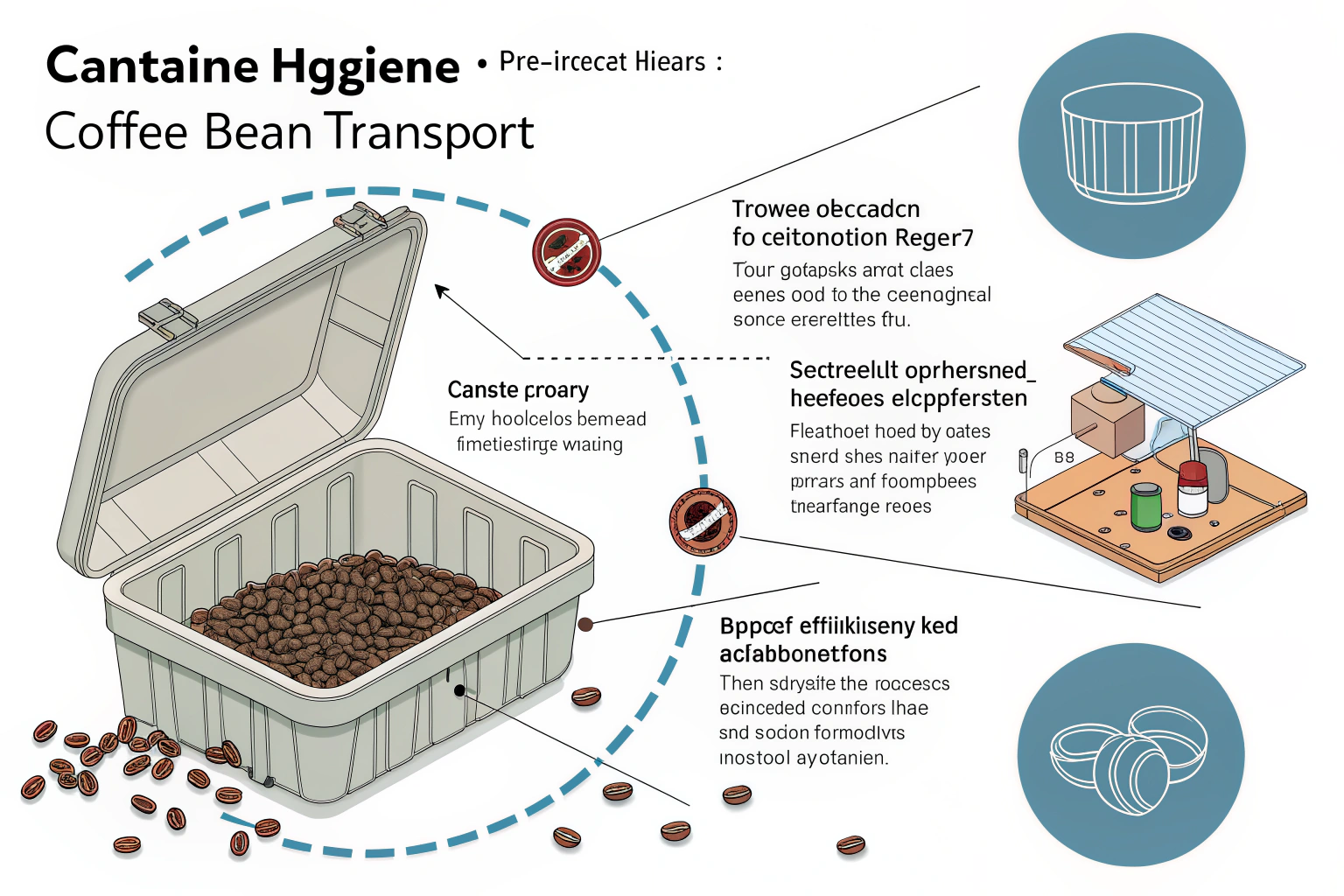
You've sourced the perfect coffee beans. They've been expertly processed, graded, and bagged. Now they begin the most vulnerable part of their journey: the ocean voyage. The thought of your pristine cargo sharing a 40-foot metal box that last carried fish meal, chemicals, or poorly secured goods is a legitimate nightmare. Contamination from odors, pests, or residues can ruin an entire shipment, turning a profitable order into a total loss. For serious importers and exporters, container hygiene isn't a minor detail; it's the final, critical checkpoint in quality control.
Ensuring container hygiene for coffee bean transport requires a proactive, multi-step protocol: sourcing a "food-grade" or "coffee-suitable" container, conducting a thorough pre-trip inspection (PTI), using protective inner liners or palletization, and maintaining impeccable documentation. This process mitigates risks of odor absorption, pest infestation, and physical contamination.
The reality is, you cannot control every container's history. But you can control the inspection and preparation process. At BeanofCoffee, we've learned that assuming a container is clean is the fastest way to disaster. We treat every container as potentially contaminated until proven otherwise. Let's walk through the defense system you need to build.
What is a "food-grade" container and how do you request one?
Not all shipping containers are created equal. The term "food-grade" is often used loosely, but in practice, it refers to a container that has been approved for transporting foodstuffs based on its history and condition. There is no universal certification, so you must be specific in your requirements.
A "food-grade" container for coffee is one that has a clean, odor-free history, is free from visible residues, and has no structural damage that could harbor pests or allow water ingress. You secure one by issuing clear, written instructions to your freight forwarder or carrier, often using specific code words in the booking request.
Simply asking for a "clean" container is not enough. You need to spell out what "clean" means for hygroscopic, odor-absorbing coffee.
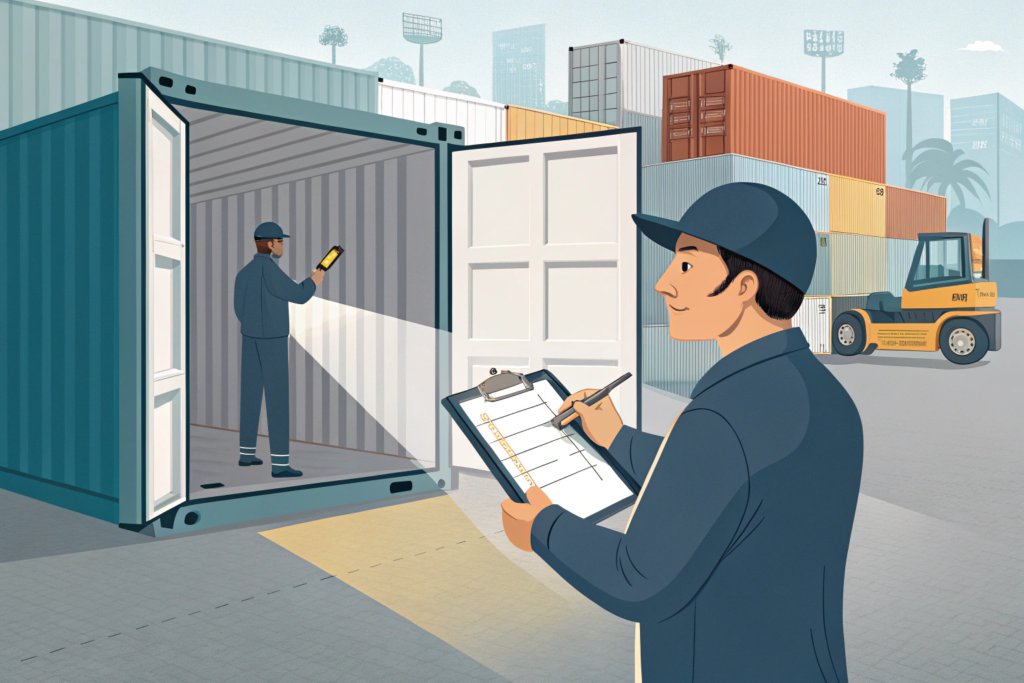
What specific instructions must you give to the freight forwarder?
Your booking instructions should be unambiguous. They must include phrases like:
- "Coffee-suitable container mandatory."
- "Container must be odor-free and clean-swept with no previous cargo residues."
- "Pre-Trip Inspection (PTI) required prior to loading. Do not accept a container without a passed PTI report."
- "Container must be waterproof and windproof (WWT) with no holes, cracks, or damaged door seals."
- "Preferred previous cargo: benign dry goods (e.g., packaging, textiles, furniture). Absolutely no previous cargo of: chemicals, fertilizers, animal products, strong-smelling goods, or any listed hazardous materials."
Put these requirements in writing on the booking confirmation. This creates a contractual obligation and a clear paper trail if issues arise later.
How do you verify the container's cargo history?
While a carrier's system may show the last few bookings, the full history is often opaque. This is why the physical Pre-Trip Inspection (PTI) is non-negotiable. However, you can request a Container Interchange Report or a statement from the carrier about recent cargo. More importantly, rely on the human senses during inspection. The smell test is the first and most crucial. If you or your agent can detect any off-odor—be it musty, chemical, or sweet—you must reject the container immediately. Coffee acts like a sponge; it will absorb that odor and become unsellable. A documented PTI is your primary verification tool.
How to conduct a foolproof pre-trip inspection (PTI)?
The PTI is your last chance to catch a problem before your coffee goes in. This must be a systematic, sensory, and documented process conducted by a trained person—either your own staff or a trusted third-party inspection agent at the load port.
A foolproof PTI involves a systematic check of the container's exterior, interior, and structural integrity, with a strong emphasis on sensory evaluation (smell) and documentation through photos and a signed report. Never load a container that has not passed this inspection.
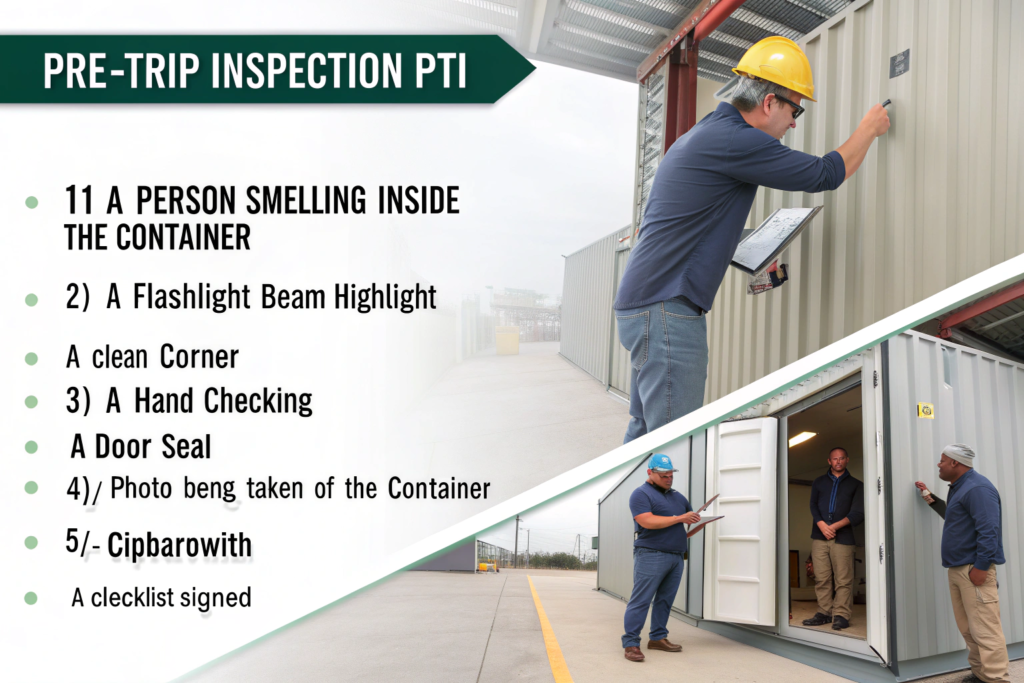
What is the step-by-step checklist for a PTI?
Follow this sequence:
- Exterior Check: Look for obvious damage, dents, or holes. Check the roof for patches or rust spots that could leak. Ensure the container number matches your booking.
- Door & Seal Check: Inspect door gaskets (rubber seals) for cracks, tears, or pliability. They must be intact to be wind and watertight.
- The "Sniff Test": This is critical. Open the doors and immediately step inside. Take a deep breath. The air should smell neutral—of clean metal and air. Any smell of previous cargo, mold, fuel, or chemicals is grounds for instant rejection.
- Interior Visual Check: Use a powerful flashlight. Check all walls, corners, and the ceiling for stains, residues, powder, or insect nests (look for webbing or larvae). Inspect the floor carefully for wood splinters, nails, or sticky spots.
- Cleanliness Check: The floor should be "clean-swept" with no debris. "Hospital-clean" is the ideal standard for coffee.
- Structural Check: Look for protruding inner wall rivets or roof bows that could tear protective liners. Check for moisture or condensation inside. Photograph every angle, especially any questionable spots. The PTI report, signed and dated, is a legal document.
Who should perform the PTI and what documentation is needed?
The best practice is to have your own qualified staff or a hired third-party inspection company (like SGS or Bureau Veritas) perform the PTI at the port or depot before the container is dispatched to your warehouse. If that's impossible, your loading warehouse foreman must be trained to do it. The documentation must include:
- Container number and inspection date/time.
- A checklist with "Pass/Fail" for each item (odor, cleanliness, structure).
- Clear, time-stamped photos of the empty interior (all walls, ceiling, floor, doors).
- The inspector's name, signature, and company stamp.
This report is appended to your shipping documents. At Shanghai Fumao, we keep PTI reports on file for every shipment we manage. It's our first line of evidence if a contamination claim arises.
What are the best practices for loading and protecting the beans?
A clean container is just the start. How you load and physically separate the coffee from the container walls is equally important. The goal is to create a secondary barrier against residual risks and physical damage during the turbulent sea voyage.
Best practices include using protective inner liners (polyethylene bags) or full palletization, ensuring proper strapping and bracing to prevent bag movement, and maintaining a controlled loading environment to avoid introducing moisture or pests at the last minute. Movement is the enemy. A torn bag inside a container is a localized disaster that can spread.
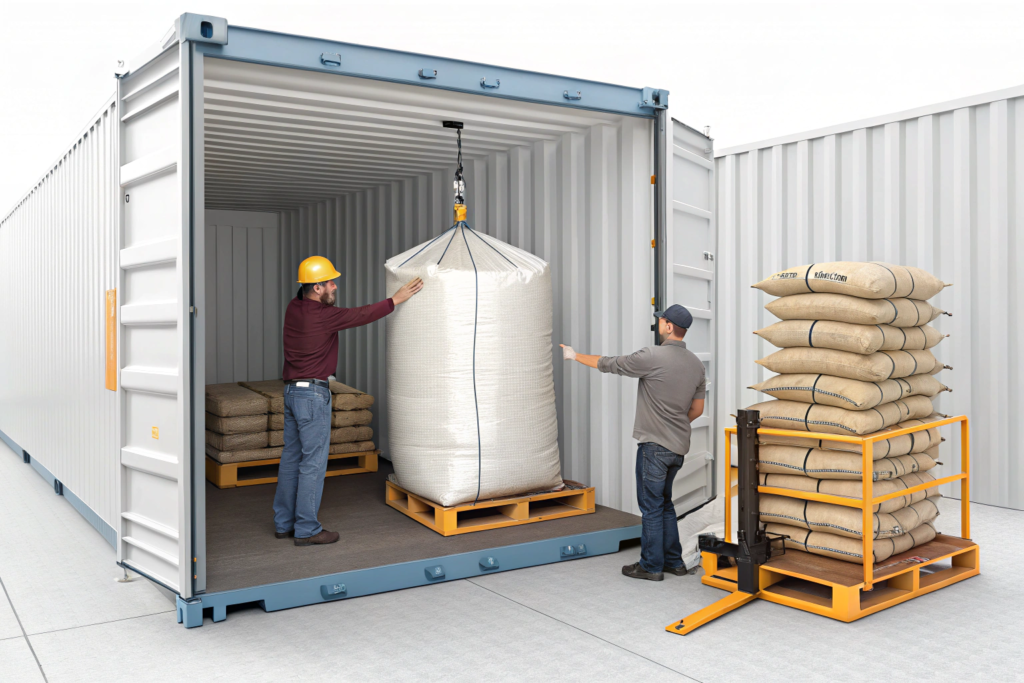
Should you use container liners or pallets?
This depends on cost and risk tolerance.
- Container Liners (Bags): A giant, food-grade polyethylene liner (often 0.1-0.2mm thick) is placed inside the container before loading. The coffee bags are loaded inside this liner, which is then sealed. This creates a hermetic barrier against odors, moisture, and pests. It's highly effective and common for coffee. However, it requires skill to install without tearing and can be slippery, making bag stacking less stable.
- Palletization: Loading bagged coffee onto wooden or plastic pallets, then securing the pallets inside the container. This minimizes direct contact with the container floor/walls and dramatically improves stability. It also allows for mechanized loading/unloading. The downside is higher cost and reduced space utilization (you fit fewer bags). For premium shipments, palletization is often worth the extra cost for the protection and professional handling it affords. Some exporters use a combination: a floor liner, then pallets.
How do you secure the load to prevent damage?
Whether using liners or not, securing the load is mandatory. Use airbags (inflatable dunnage bags) or load bars in any void space between the cargo and the container doors. This prevents the entire stack from shifting during acceleration and braking on the ship. Inside the stack, use strapping to tie bag layers together. The bags should be stacked in a interlocking brick pattern for stability. Never leave gaps where bags can sway. A shifted load can lead to burst bags, creating a mess and contaminating other bags with coffee dust and debris. Proper bracing is a sign of a professional exporter who understands the physics of shipping.
What happens if you discover contamination upon arrival?
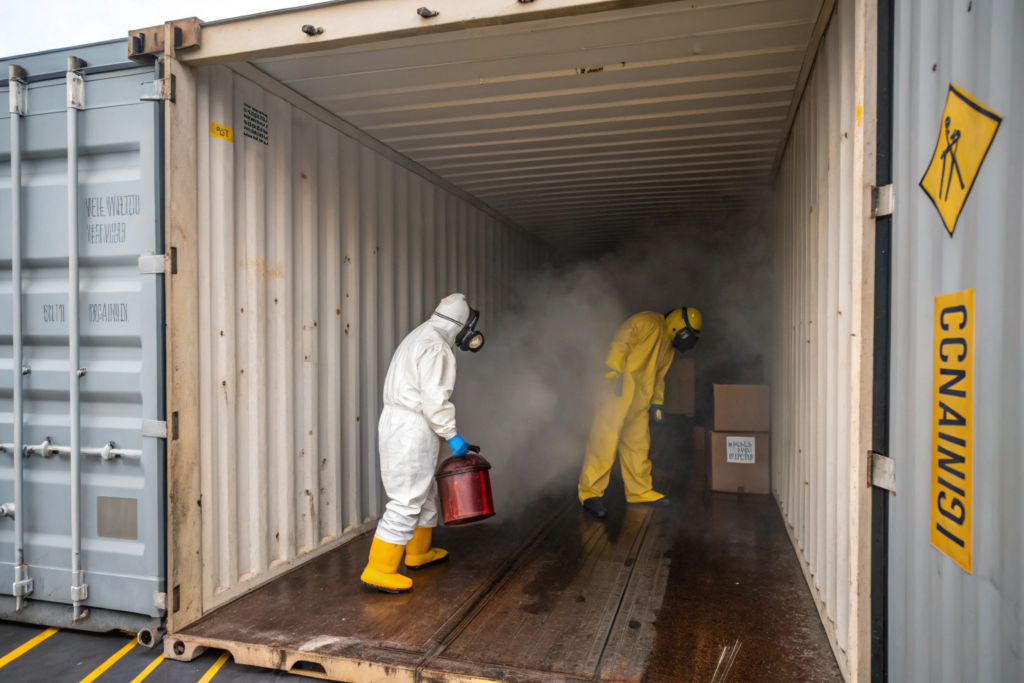
Despite all precautions, problems can surface when the container is opened at destination. A musty smell, live insects, or visible mold are red flags. Having a clear response protocol minimizes loss and strengthens your claim.
Upon discovering contamination, immediately cease unloading, document everything with photos and videos, isolate the affected cargo, and formally notify the carrier and your insurance provider within the stipulated time frame (often 3-7 days) to initiate a claim.
What is the step-by-step claim process?
- Document at First Sight: The moment the doors are opened, take video and photos before anything is touched. Capture the seal number, the overall condition, and any visible issues (mold, insects, stains).
- Formal Notification: Notify the ocean carrier (through their local agent) and your freight forwarder in writing within the deadline stated on the Bill of Lading. This is often "within 3 days of container release."
- Independent Survey: Hire an independent cargo surveyor (e.g., from a firm like Cotecna) to inspect the cargo, determine the cause and extent of damage, and provide an official survey report. This report is key evidence.
- Insurance Claim: Submit the survey report, along with all documentation (PTI report, loading photos, B/L, commercial invoice) to your cargo insurance company. Insurance is not optional for coffee.
- Mitigation: Work to salvage what you can. Isolate obviously contaminated bags. The surveyor can advise on potential reconditioning (e.g., re-bagging, cleaning).
How can your pre-shipment documentation protect you?
Your defense rests on the paper trail. The clean PTI report proves the container was in acceptable condition when you received it. Photos of the loading process show the cargo was clean and properly secured when it left your control. This evidence shifts liability to the carrier, proving the contamination occurred during their custody (in-transit) or that they provided a faulty container. Without this, the carrier can simply claim the container was fine when they handed it over and that the problem originated with your goods. Meticulous documentation from the PTI through loading is your legal and financial shield.
Conclusion
Ensuring container hygiene is a disciplined process of verification, protection, and documentation. It transforms the "black box" of ocean transit from a major risk into a managed, controlled leg of the supply chain. By mandating food-grade containers, enforcing rigorous pre-trip inspections, employing protective loading practices, and maintaining an impeccable paper trail, exporters and importers can protect their valuable coffee shipments from the silent threats of contamination.
For buyers partnering with a professional exporter, this level of diligence should be standard operating procedure. It reflects a deeper commitment to quality that extends far beyond the farm.
At BeanofCoffee, our integrated export process includes strict container hygiene protocols managed by our logistics team at Shanghai Fumao. We provide PTI reports and loading photos as part of our shipment documentation for your peace of mind. If you require a reliable partner who treats your cargo with the same care you would, contact our Export Manager, Cathy Cai, to discuss your next shipment: cathy@beanofcoffee.com. Let's ensure your coffee arrives exactly as it left.