
You've just received a container of green coffee. The paperwork looks perfect, the price was right, but when you roast the beans, the flavor is flat with subtle musty notes. Now you're facing a terrible choice: reject the entire shipment and damage your supplier relationship, or accept inferior quality that will disappoint your customers. This nightmare scenario is why systematic quality control isn't just advisable—it's essential for protecting your business.
Ensuring quality control when importing coffee requires a multi-stage verification process that begins before shipment and continues through delivery. The key steps include pre-shipment sampling and approval, third-party inspection, documentation review, arrival inspection, and laboratory testing. This systematic approach catches quality issues at the earliest possible stage, protecting your investment and brand reputation.
So, how do you build a quality control system that catches problems before they become costly mistakes? The solution lies in creating checkpoints at every stage of the supply chain. Let's examine the specific controls that separate professional importers from hopeful gamblers.
What Pre-Shipment Controls Prevent Most Quality Issues?
The most effective quality control happens before coffee ever leaves the origin country. Catching issues at this stage gives you maximum leverage and minimizes disruption to your supply chain.
Pre-shipment controls include representative sampling, laboratory testing, and professional cupping to verify the coffee matches the quality you agreed to purchase.
How Do You Obtain Truly Representative Samples?
The sample you approve should be drawn from the actual lot you're buying, not a "marketing sample" from a different batch. Require that samples are taken after milling and sorting from multiple bags throughout the lot. For container purchases, your sample should be 1-2 kg to account for natural variation. This representative sampling is your first defense against receiving different quality than you expected.
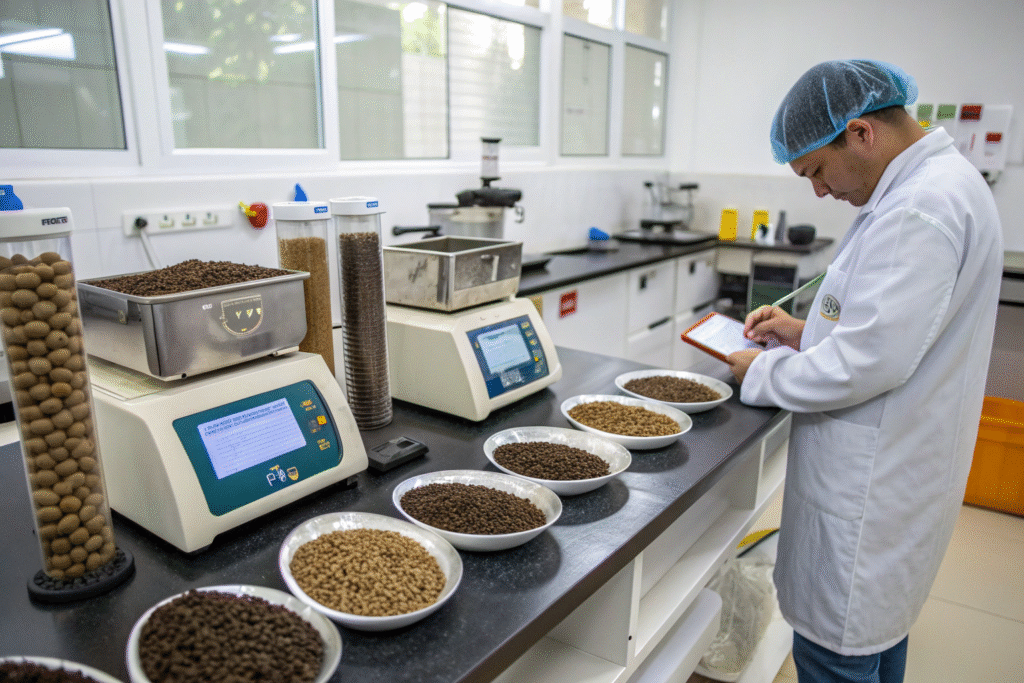
What Laboratory Tests Provide Objective Data?
While cupping evaluates flavor, laboratory tests provide hard data:
- Moisture content: Should be 10-12% (outside this range risks mold or brittleness)
- Water activity: Should be below 0.60 (prevents microbial growth)
- Screen size distribution: Ensures bean size consistency
- Defect count: Verifies the coffee meets specialty grade standards
These objective measurements complement sensory evaluation and provide evidence if quality disputes arise.
How Can Third-Party Inspection Protect Your Investment?
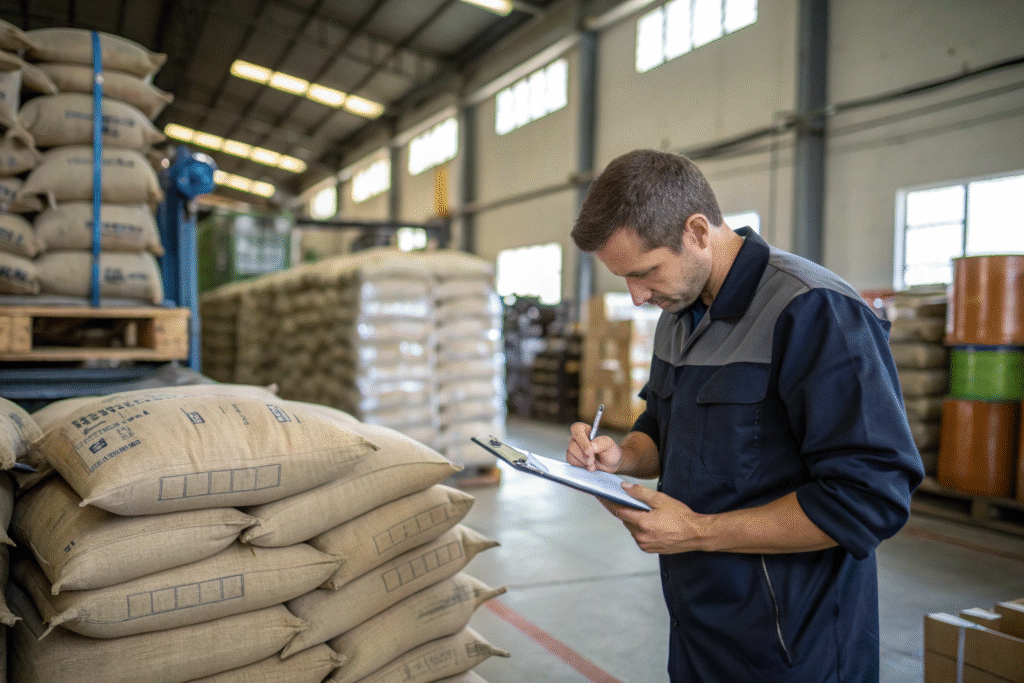
Even with trusted suppliers, independent verification provides crucial protection. Third-party inspectors act as your eyes at the origin, documenting conditions before shipment.
Professional inspection services check that the coffee matches your purchase specifications, verify packaging and labeling, and document the loading process to ensure proper handling.
What Should an Inspection Cover?
A comprehensive pre-shipment inspection should include:
- Visual inspection of a representative number of bags
- Container inspection for cleanliness and odor
- Documentation review for consistency
- Sampling for possible laboratory analysis
- Loading observation to ensure proper handling
The inspector should provide a detailed report with photographs as evidence of compliance. This independent verification is particularly valuable when importing from new suppliers or regions.
When is Inspection Most Critical?
Consider mandatory inspection for:
- First shipments from new suppliers
- High-value specialty lots
- Regions with known quality challenges
- After previous quality issues
The cost of inspection (typically $300-600) is insignificant compared to the value of a rejected container. This risk management investment pays for itself the first time it prevents a quality disaster.
What Documentation Provides Quality Assurance?
Paperwork might seem boring, but it's your legal protection and quality trail. Proper documentation ensures transparency and provides evidence if disputes arise.
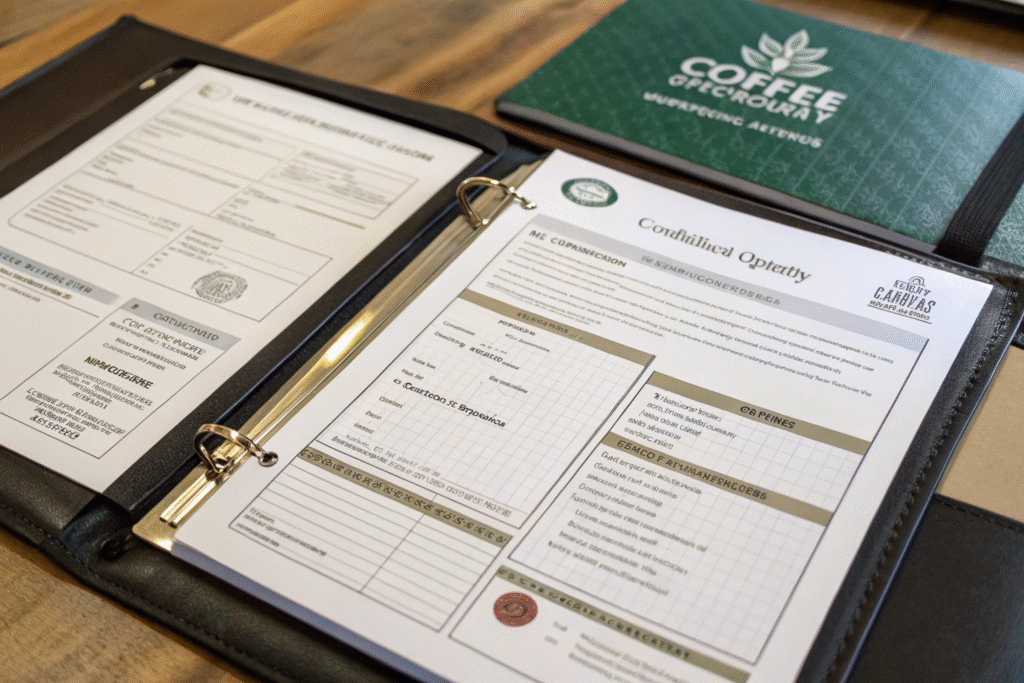
Key documents include the certificate of origin, quality analysis reports, phytosanitary certificate, and detailed packing lists that match what's actually in the container.
Why is the Certificate of Origin Important?
This document verifies the coffee's provenance, which should match what you purchased. If you bought specific Yunnan AA, the certificate should confirm this—not just "Chinese coffee." This provenance verification protects against substitution of inferior coffee.
What Quality Documents Should You Require?
- SCA cupping score sheets from a certified Q Grader
- Laboratory analysis of moisture and density
- Defect count reports showing the coffee meets specialty standards
- Processing and harvest information
At BeanofCoffee, we provide this documentation routinely because transparent quality reporting builds long-term trust with our partners. This quality transparency separates professional suppliers from order-takers.
How Should You Handle Arrival and Post-Delivery QC?
Your quality control responsibility doesn't end when the coffee ships. The journey itself can damage even perfect coffee, making arrival inspection crucial.
Immediately upon container arrival, inspect for obvious damage, odors, or signs of moisture before unloading. Then conduct systematic sampling and testing to compare against your pre-shipment reference samples.
What Are the Key Arrival Checks?
- Container seal number matches documentation
- External condition of container (dents, holes, water stains)
- Internal smell (no chemical or foreign odors)
- Bag condition (no tears, stains, or moisture)
- Temperature inside container (no extreme heat)
These initial observations can alert you to potential problems before you conduct more detailed testing.
How Do You Compare Arrival vs. Pre-Shipment Quality?
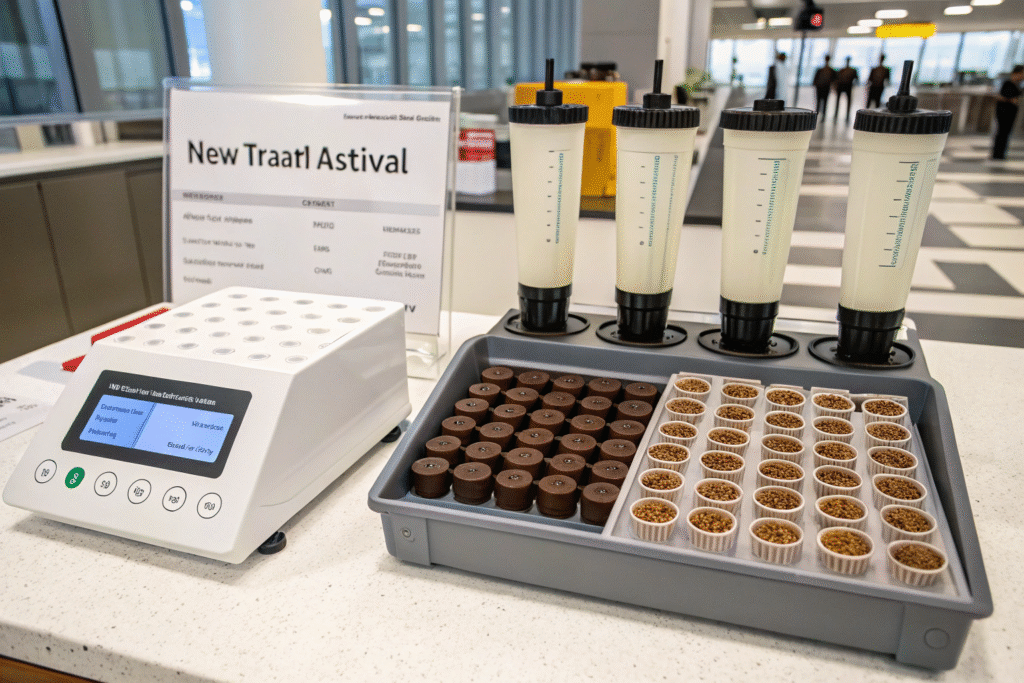
Take new samples from multiple bags and compare them side-by-side with your retained pre-shipment samples. Look for:
- Color changes (yellowing indicates aging)
- Aroma differences (mustiness suggests moisture damage)
- Flavor degradation in cupping comparison
This before-and-after analysis tells you whether quality deteriorated during transit and provides evidence for potential claims.
What Systems Ensure Consistent Quality Over Time?
Quality control isn't a one-time event—it's an ongoing process that requires documentation, analysis, and continuous improvement.
Maintain detailed records of each shipment's quality metrics, supplier performance, and any issues encountered. This data becomes invaluable for making future sourcing decisions.
How Can You Track Supplier Performance?
Create a simple scoring system for each shipment:
- Quality consistency vs. sample (1-5 scale)
- Documentation accuracy (1-5 scale)
- Communication responsiveness (1-5 scale)
- Issue resolution effectiveness (1-5 scale)
Track these metrics over time to identify your most reliable partners. This supplier performance tracking helps you allocate your business to the most dependable sources.
What Continuous Improvement Practices Help?
- Share feedback with suppliers—they can't fix problems they don't know about
- Conduct joint quality training with key suppliers
- Visit origins to understand their processes and challenges
- Develop clear specifications that leave no room for interpretation
This collaborative approach often yields better results than simply rejecting shipments, as it helps suppliers meet your standards more consistently.

Conclusion
Effective quality control when importing coffee requires a systematic, multi-stage approach that begins before shipment and continues through delivery. By implementing pre-shipment sampling, third-party inspection, documentation review, and arrival testing, you protect your business from costly quality issues and build stronger, more transparent relationships with suppliers.
The most successful importers treat quality control not as an expense but as an investment in their brand reputation and customer satisfaction. The few hundred dollars spent on thorough verification can save tens of thousands in rejected shipments and lost customers. If you're looking for a supplier that understands and facilitates this rigorous quality control process, contact our export manager, Cathy Cai, at cathy@beanofcoffee.com. We've built our processes around transparent quality verification because we believe your success depends on consistently receiving the quality you expect.