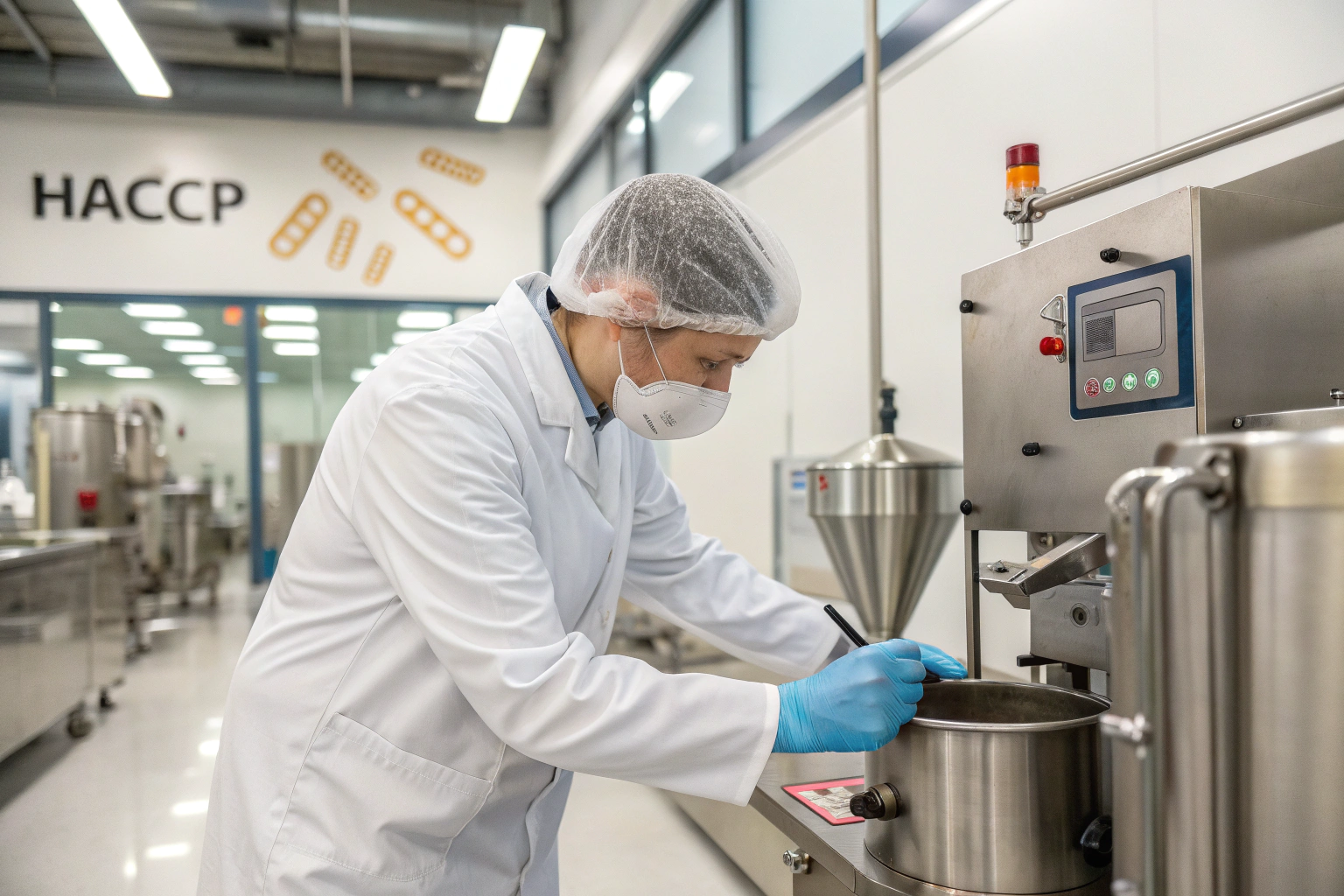
Your primary focus is on flavor, quality, and price. But a terrifying thought can lurk in the back of your mind: "How do I really know this product is safe?" You're importing a food product from thousands of miles away, from a facility you may have never visited. You hear horror stories about contamination, foreign materials, or undeclared allergens. The pain point is a feeling of vulnerability. A single food safety incident, traced back to a supplier, could lead to a product recall, lawsuits, and catastrophic damage to the brand reputation you've worked so hard to build. You need absolute confidence that your supplier treats food safety not as a suggestion, but as a religion.
Honestly, the only way to ensure safety in coffee food processing is to implement and rigorously adhere to a globally recognized, preventative food safety system, most notably HACCP (Hazard Analysis and Critical Control Points). This isn't about simply cleaning the facility at the end of the day. It's a scientific, systematic approach that proactively identifies potential biological, chemical, and physical hazards at every single step of the process—from the raw green bean to the final sealed bag—and implements strict controls to prevent those hazards from ever occurring.
From my perspective as the owner of Shanghai Fumao, this is a non-negotiable cost of doing business. We are not just farmers; we are food manufacturers. Adopting systems like HACCP and pursuing certifications like ISO 22000 is our promise to you that the coffee we produce on our farms in Yunnan is not only delicious but fundamentally safe. Let's break down what a robust food safety system actually looks like in practice.
What Is HACCP and Why Is It the Gold Standard?
Many suppliers might tell you, "Don't worry, we keep our facility clean." This is not a food safety plan. A real plan is a documented, scientific system. HACCP is that system, trusted by food manufacturers worldwide, from meat packing plants to coffee roasteries.
HACCP is a preventative system, not a reactive one. Its core philosophy is to identify every single point in the production process where a safety hazard could possibly be introduced (these are the "Critical Control Points" or CCPs) and then create a strict, monitored control to eliminate or reduce that risk to an acceptable level.
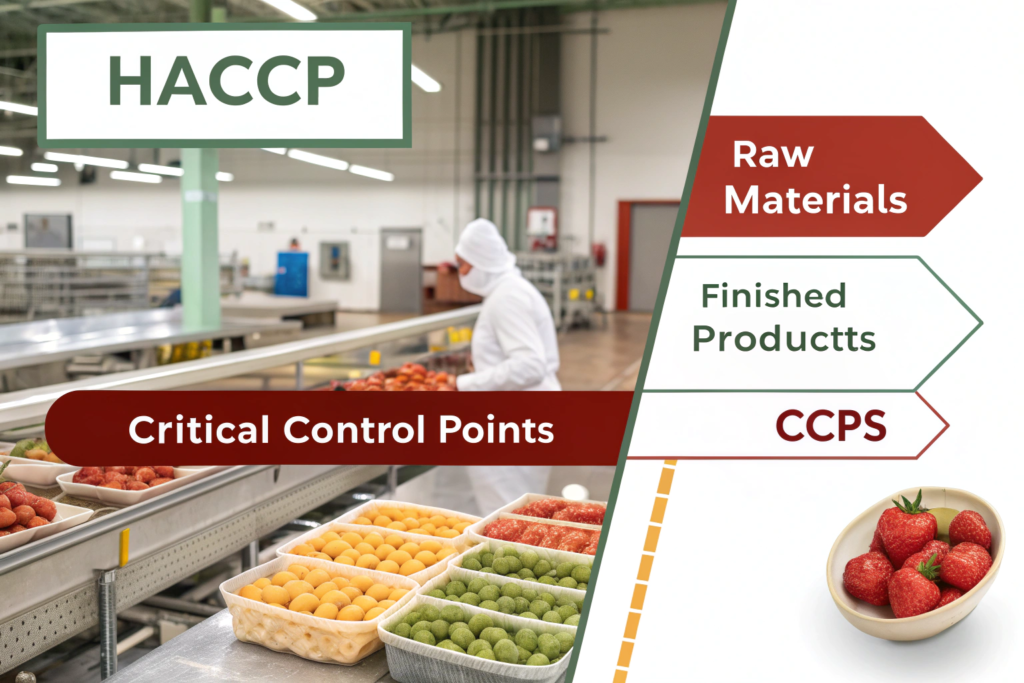
What are the key hazards HACCP identifies in coffee processing?
A HACCP plan for coffee processing would systematically analyze for:
- Biological Hazards: The primary concern is mold and mycotoxins (like Ochratoxin A), which can develop on improperly dried or stored green beans. Bacteria like Salmonella are less common in dry coffee but are still considered.
- Chemical Hazards: This includes potential contamination from cleaning chemicals, pesticides (if not organic), or machine lubricants.
- Physical Hazards: This is a major focus. It includes any foreign material that could end up in the final product: small stones or twigs from the harvest, metal fragments from a grinder or machine, plastic from packaging, or even human hair.
What is a "Critical Control Point" (CCP) in a coffee facility?
A CCP is a point of no return—the last step where you can control a hazard. In a coffee processing or roasting facility, CCPs would be identified at stages like:
- Green Bean Receiving: This is a CCP for controlling mold/mycotoxins and physical hazards like stones. The control might be a mandatory moisture content test and passing the beans through a de-stoner machine.
- Roasting: The high heat of the roaster is a CCP that effectively eliminates biological hazards like bacteria. The control is ensuring the roaster reaches a specific minimum temperature for a specific duration.
- Post-Roast De-stoning/Metal Detection: After roasting, the beans might pass through another de-stoner and a powerful metal detector. This is a final CCP for physical hazards before packaging. The control is testing the metal detector with standardized metal pieces every hour to ensure it's working perfectly.
How Do You Control Physical and Chemical Contamination?
While biological hazards are a concern, for a dry product like coffee, the most common and immediate safety risks often come from physical and chemical contaminants. A robust food safety plan has multiple layers of defense against these.
Controlling physical and chemical hazards requires a combination of dedicated machinery, strict operational protocols, and rigorous staff training. It's about creating a "fortress" around the product stream, ensuring nothing unwanted can get in. This is where investment in proper equipment and creating a culture of cleanliness becomes paramount.
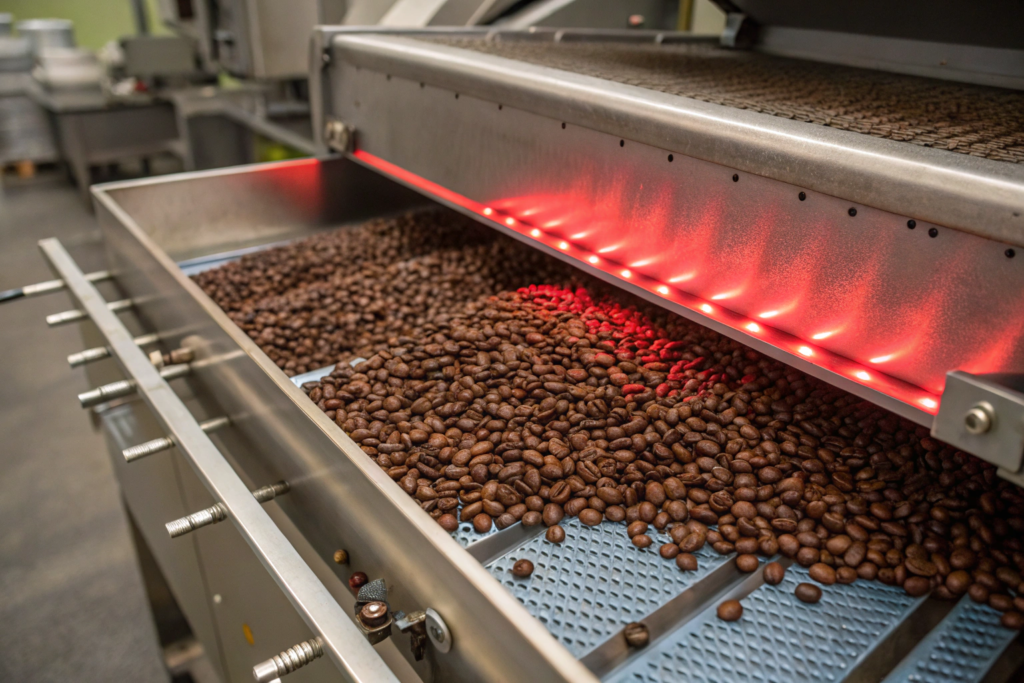
What equipment is essential for preventing physical contamination?
- De-Stoners: These machines use airflow and vibration to separate heavier items like small stones, pebbles, or clumps of hardened dirt from the lighter green coffee beans. A de-stoner is essential at the green bean intake stage.
- Magnets: Powerful magnets are placed at various points in the production line (e.g., in the hopper above the roaster) to catch any ferrous metal fragments (like a stray nut or bolt) that might have come loose from machinery.
- Metal Detectors: This is a crucial final check. After roasting and cooling, the beans pass through a metal detector tunnel that can identify even tiny fragments of both ferrous and non-ferrous metal, automatically rejecting any contaminated portion of the product.
- Screeners/Sifters: These machines use screens of different sizes to sift the beans, removing pieces that are too large or too small, which can include foreign materials.
How are chemical hazards managed?
- Food-Grade Materials: Every surface that comes into contact with the coffee—from conveyor belts to storage bins to machine parts—must be made of certified food-grade material (like stainless steel) that will not leach chemicals into the product.
- Chemical Control Program: All cleaning chemicals, lubricants, and pesticides used in the facility must be approved for use in a food plant. They must be stored in a separate, locked area away from the production line. There must be strict, documented procedures for cleaning equipment to ensure no chemical residue remains.
- Allergen Management: If a facility handles other products besides coffee (like nuts or dairy, for flavored coffees), there must be a strict allergen management plan. This involves using separate equipment or having a rigorous, validated cleaning process between runs to prevent cross-contamination. This is why a dedicated facility like ours at Shanghai Fumao, which processes only pure coffee, offers a higher level of safety assurance.
What Role Do Staff and Facility Design Play?
You can have the best equipment in the world, but if your facility is poorly designed or your staff is not properly trained, you will have safety failures. The human element and the environment are just as important as the machines.
A safe food processing environment is built on two foundations: a facility designed to be easily cleaned and to prevent cross-contamination, and a team that is rigorously trained in and held accountable for Good Manufacturing Practices (GMPs).
What are Good Manufacturing Practices (GMPs) for staff?
GMPs are the basic rules of hygiene and conduct in a food facility. Every employee, from the CEO to the cleaning crew, must follow them.
- Personal Hygiene: This includes mandatory hand washing, wearing clean uniforms, hairnets (and beard nets), and no jewelry.
- Health Screening: Staff must be trained to report any illness to a supervisor and should not work in direct contact with food if they are sick.
- No Food or Drink: There should be a strict policy against eating, drinking, or chewing gum in the production areas.
- Traffic Patterns: Staff should be trained on proper movement through the facility to prevent them from walking from a "dirty" area (like raw material receiving) into a "clean" area (like final packaging) without following proper hygiene procedures.
How does facility design contribute to safety?
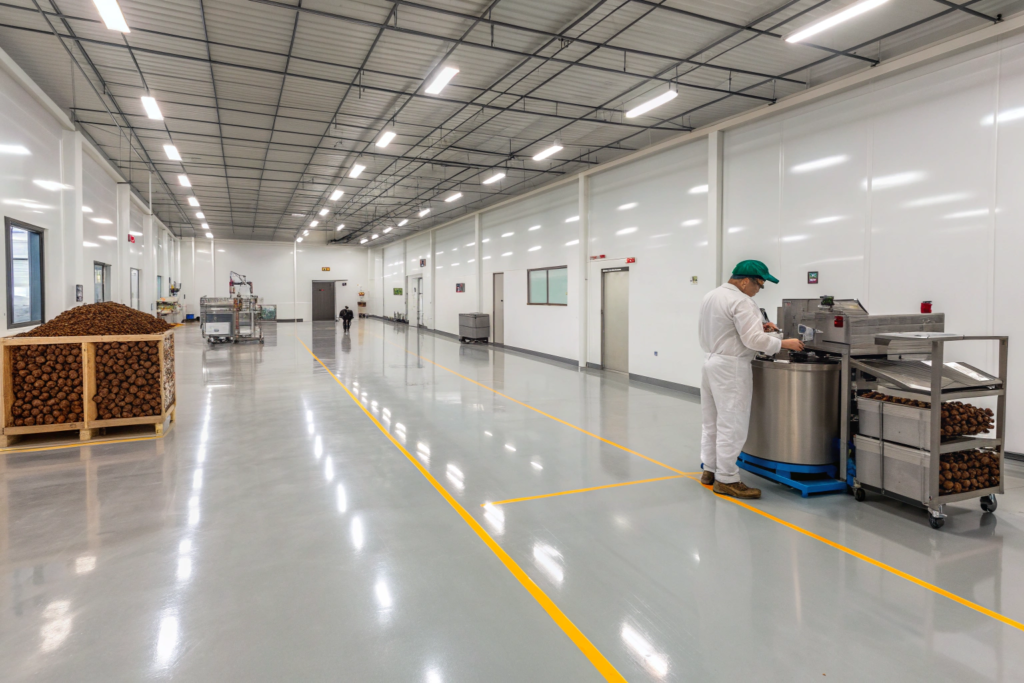
The physical layout of the plant is a critical control.
- Cleanable Surfaces: Floors should be sealed with epoxy or another non-porous material and sloped towards drains for easy washing. Walls should be smooth, non-absorbent, and easy to clean.
- Logical Flow: The facility should be designed to support a one-way product flow, from raw materials at one end to finished goods at the other. This physical separation is a powerful tool to prevent cross-contamination.
- Pest Control: The building must be properly sealed to prevent the entry of pests like insects or rodents. A professional pest control program with regular inspections and documented activity is essential.
- Adequate Lighting: Production areas must be well-lit to allow staff to easily spot any potential contamination or cleaning issues.
How Can a Buyer Verify a Supplier's Safety Claims?
A supplier can make all the promises in the world on their website. As a professional buyer, you need to verify these claims. Trust, but verify.
The most reliable way to verify a supplier's commitment to food safety is to demand third-party certification and to conduct your own audit, either in-person or virtually. A legitimate, professional food manufacturer will welcome this scrutiny and will be proud to show you their systems and documentation. Hesitation or refusal to provide this proof is the biggest red flag you can encounter.
What third-party certifications should you ask for?
- HACCP Certification: This shows that a third-party auditor has reviewed and approved their HACCP plan and has verified that they are following it.
- GFSI-Recognized Certifications: The Global Food Safety Initiative (GFSI) benchmarks various food safety standards. A certification from a GFSI-recognized scheme like SQF, BRCGS, or FSSC 22000 is considered the highest level of food safety assurance in the world. It's a comprehensive audit of the entire system.
- ISO 22000: This is another internationally recognized standard for food safety management systems.
How can you conduct your own audit or verification?
- Request Documentation: Ask for a copy of their food safety certifications. Ask to see their HACCP plan flowchart or their pest control records. A transparent supplier will provide these.
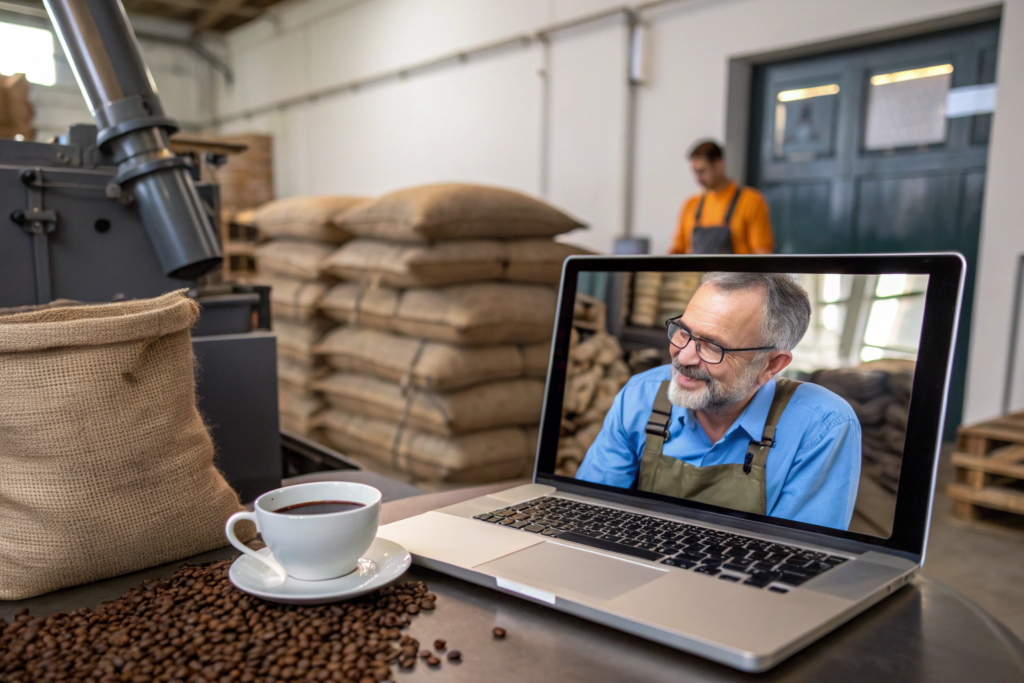
- The Virtual Tour: In today's world, you don't always need to fly across the globe. Request a live video call where a manager walks you through the facility. Ask them to show you the de-stoner, the metal detector, the cleaning stations, and the chemical storage area. Ask them to show you their documentation on the spot.
- Ask Specific, Technical Questions: Don't just ask, "Are you safe?" Ask, "What are the critical limits for your roasting CCP?" or "How often do you test your metal detector, and what size metal spheres do you use for the test?" Their ability to answer these technical questions confidently will tell you everything you need to know about their level of professionalism.
Conclusion
Ensuring food safety in coffee processing is a complex, scientific, and non-negotiable responsibility. It goes far beyond simple cleaning. It requires a deep commitment to preventative systems like HACCP, investment in specialized equipment to control hazards, a facility designed for cleanliness, and a team rigorously trained in Good Manufacturing Practices. For a buyer, the peace of mind that comes from partnering with a supplier who has verifiably mastered these practices is invaluable. It protects your customers, your brand, and your business, allowing you to focus on what you do best: roasting and sharing beautiful, and safe, coffee.
At Shanghai Fumao, we have built our processing facilities and our company culture around these principles of food safety. We welcome your questions and your scrutiny because we are proud of the systems we have in place. If you are looking for a supplier who can provide not only exceptional coffee but also the certified assurance of safety that your brand deserves, we invite you to start a conversation. Contact our coffee specialist at cathy@beanofcoffee.com.