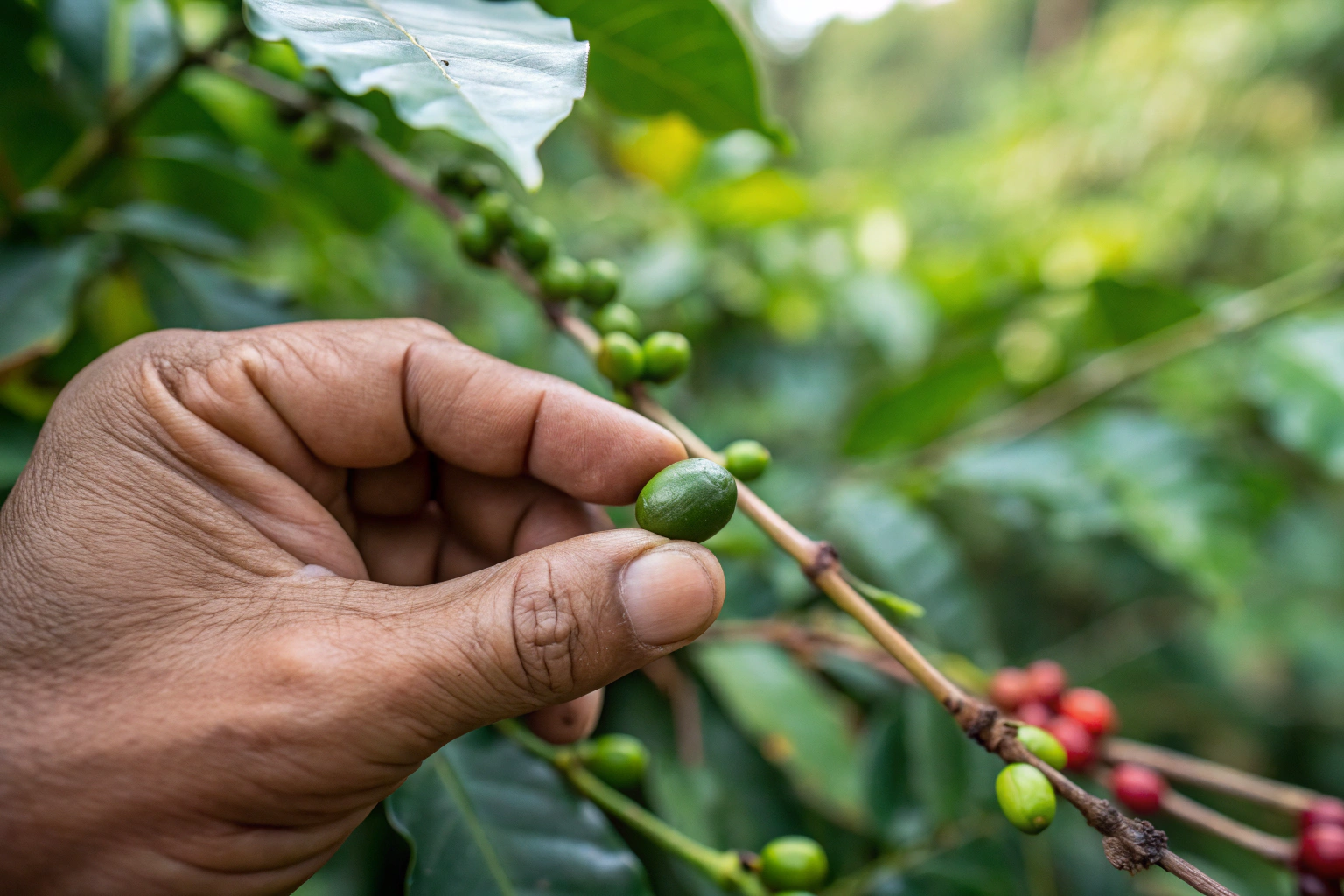
Have you ever paid a premium for "single-origin specialty coffee," only to take a sip and be met with a flat, generic taste that makes you question everything? It’s a disheartening feeling. You've invested in what you believed was an authentic, unique flavor experience, but the reality in the cup doesn't match the story on the bag. For buyers like Ron in the US, this isn't just a disappointment; it's a business risk. If he can't trust the authenticity of the coffee he sources, he can't build his brand on it. This fear of "coffee fraud" is a major pain point in our industry.
To ensure the authenticity of specialty coffee, you must implement a robust system of traceability from seed to cup, backed by transparent documentation, third-party certifications, and direct-trade relationships. This means tracking the coffee's journey from a specific farm or cooperative in a designated region, verifying its varietal and processing methods, and confirming its quality through standardized cupping scores. This multi-faceted approach is the only way to guarantee that the coffee you're buying is exactly what it claims to be.
As someone who has dedicated my life to cultivating coffee on our 10,000-acre plantation in Baoshan, Yunnan, I can tell you that authenticity isn't just a buzzword for us; it's our entire identity. It's the unique terroir of our land and the specific character of our Arabica and Catimor beans. We've built our business, Shanghai Fumao, on the promise of genuine quality. Let's explore the concrete steps we take, and that you should look for, to ensure the coffee you source is the real deal.
What Does "Traceability" Really Mean?
"Traceability" gets thrown around a lot in the coffee world, but what does it actually involve? It sounds complex, and honestly, it can be. It's the difference between a vague label that says "Product of China" and a detailed record that tells you your coffee came from Lot 7B of our southern-facing slope in Baoshan, was harvested the first week of December, and was processed using the washed method. One is a guess; the other is a guarantee.
At its core, traceability is the ability to track your coffee's entire journey. It’s the documented proof of its origin, path, and processing. For a serious buyer, this isn't just a nice story; it's crucial data for quality control and marketing. It's the evidence that proves you're not just buying a commodity, but a specific, high-quality product from a reliable source. It’s the antidote to the pain point of uncertainty and the foundation of trust.
So, what does this mean in practical terms? It means a supplier must have systems in place to record and share this information. It’s about creating a transparent chain of custody that a buyer can verify. Let's dive into the specific components of a truly traceable system and why they are non-negotiable for ensuring authenticity.
Why Is Farm-Level Origin So Important?
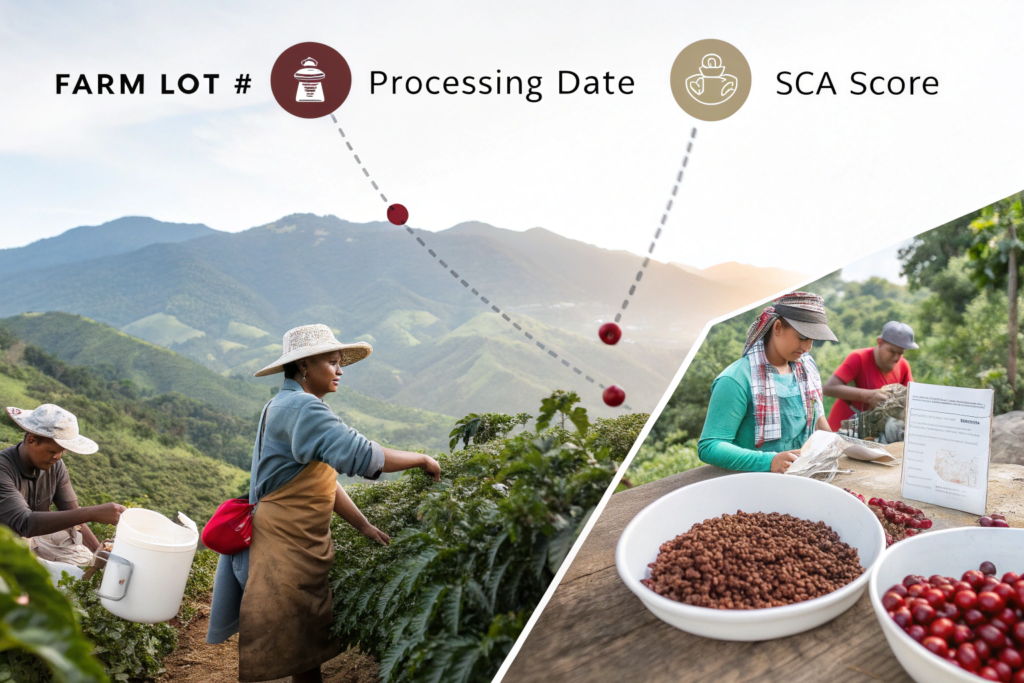
The story of a specialty coffee begins with its terroir—the unique combination of soil, climate, and altitude of the farm where it was grown. This is what gives a coffee its distinct flavor profile. A generic "regional blend" can hide lower-quality beans. True authenticity comes from farm-level or cooperative-level traceability. This means your supplier should be able to tell you the exact farm or the small group of farms that produced your coffee. This level of specificity is the first and most crucial step in verifying a coffee's premium status. It’s a concept central to organizations like the Specialty Coffee Association (SCA), which sets the standards for the industry. Knowing the origin is fundamental to understanding the coffee's quality.
How Do We Document the Journey?
Documentation is the backbone of traceability. At every stage, from picking to export, data should be recorded. This includes:
- Harvesting logs: Which lots were picked and on what dates?
- Processing records: Was it washed, natural, or honey processed? How long was the fermentation and drying time?
- Lot tracking numbers: A unique identifier that follows a specific batch of coffee through milling, grading, and bagging.
This creates a paper trail that connects the physical coffee to its story. When we at Shanghai Fumao prepare a shipment, we can provide this documentation, giving the buyer complete transparency. It’s not just about trust; it’s about providing verifiable proof.
Can Certifications Guarantee Authenticity?
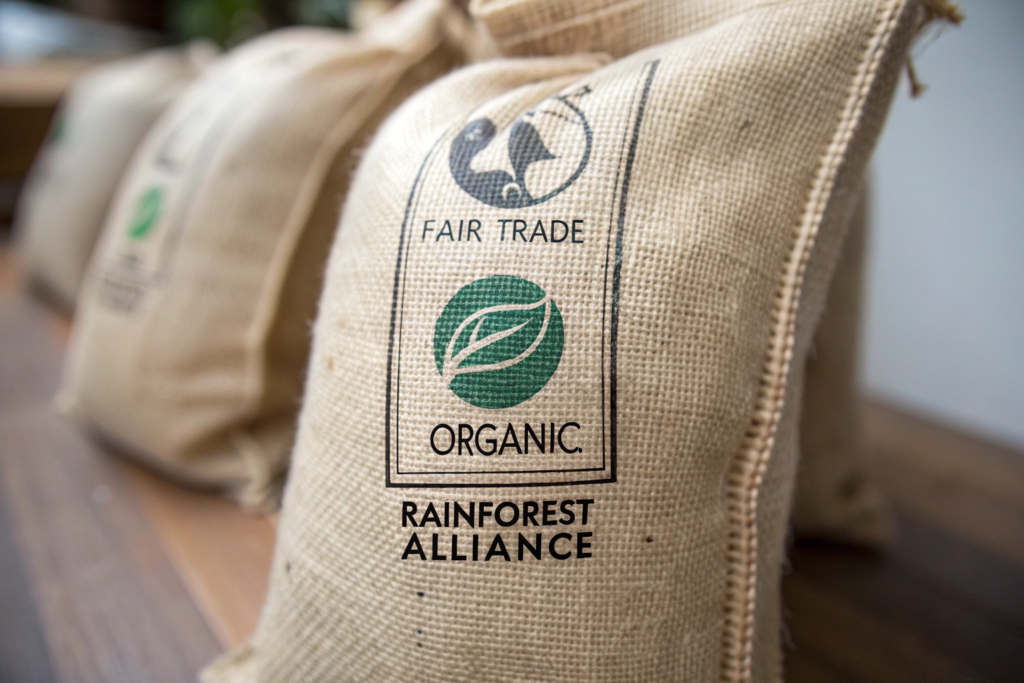
You see them on coffee bags all the time: Rainforest Alliance, Fair Trade, Organic. These logos can feel like a simple shortcut to trust. And in many ways, they are designed to be just that. But do they truly guarantee the authenticity of the coffee's unique flavor and origin? The answer is a bit more nuanced. It's a question I've discussed with many buyers over the years.
Certifications are powerful tools that verify specific aspects of the coffee's production, primarily focusing on environmental, social, and ethical standards. They are incredibly important and provide a baseline of trust and compliance. A Fair Trade certification, for example, ensures that farmers received a fair price, while an Organic certification verifies that the coffee was grown without synthetic pesticides. These are crucial assurances for any responsible buyer.
However, a certification alone doesn't always guarantee the sensory quality or the specific micro-lot origin that defines a high-end specialty coffee. A coffee can be certified organic but still be of average quality. Therefore, certifications should be seen as one important piece of a larger puzzle of authenticity, not the entire solution. They build a foundation of trust but must be paired with other verification methods.
What Do Different Certifications Verify?
It's important to understand what each seal means.
- Fair Trade: Focuses on economic fairness. It ensures farmers receive a minimum price and a premium to invest in their communities. It's about ethical sourcing.
- Rainforest Alliance: Concentrates on environmental sustainability. It certifies that farms meet standards for biodiversity conservation, natural resource protection, and improved livelihoods.
- Organic (e.g., USDA, EU): This certification verifies that the coffee was grown and processed without the use of synthetic fertilizers, pesticides, or herbicides. It's about the purity of the agricultural process.
Each of these provides a valuable, third-party audited guarantee about a certain aspect of the coffee's production, which is a key point for buyers concerned with corporate social responsibility. You can learn more about these standards on sites like the Fair Trade Certified website.
Are There Certifications for Quality?
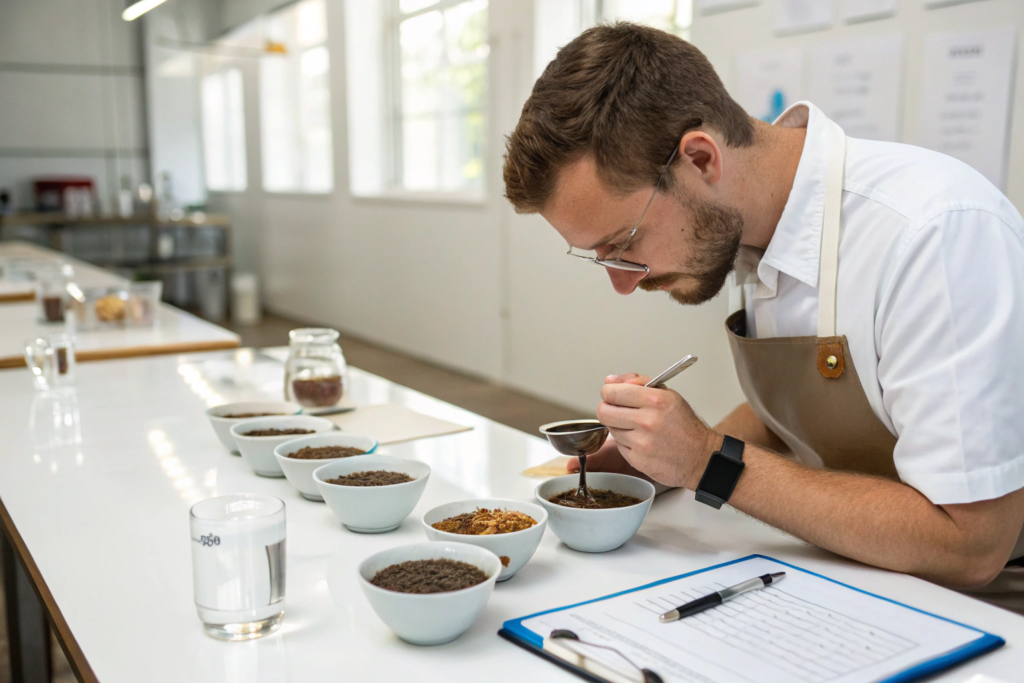
Yes, though it works a bit differently. The closest thing to a "quality certification" is a coffee's cupping score, typically graded on a 100-point scale by a certified Q Grader. According to the Specialty Coffee Association (SCA), coffee that scores 80 points or above is considered "specialty." This score is a standardized, objective measure of a coffee's sensory quality—assessing its aroma, flavor, acidity, body, and balance. When a supplier provides a cupping score from a reputable Q Grader, they are offering a verifiable assessment of its quality. This is often more important for a buyer focused purely on the taste profile than any other certification. This cupping protocol is the universal language of quality in the coffee industry.
How Can Buyers Verify Authenticity Themselves?
As a supplier, I can provide all the documentation and certifications in the world, but at the end of the day, trust has to be earned and verified. A savvy buyer like Ron won't just take my word for it, and frankly, he shouldn't. The ultimate proof is in the product itself. So, how can a buyer on the other side of the world actively verify the authenticity of a coffee sample that lands on their desk?
The most powerful tool a buyer has is the sample itself. The verification process begins the moment the package arrives. It involves a physical inspection of the beans, a meticulous evaluation of the roast, and, most importantly, a formal cupping. This hands-on evaluation allows a buyer to match the coffee in their hands with the story and data provided by the supplier. Discrepancies between the provided tasting notes and the actual flavor profile, or between the claimed bean grade and the physical sample, are immediate red flags.
This verification step is critical for mitigating risk and is a cornerstone of professional sourcing. It empowers the buyer to make an informed decision based on their own expert assessment. It’s about moving from "trust me" to "let me show you." Let's break down the practical steps a buyer can take.
What Is the Role of Sample Cupping?
Sample cupping is the single most important verification step. It's where the promises made on paper are tested in the cup. A buyer will roast the green bean sample to a specific, light profile to avoid masking any of the coffee's inherent flavors. They will then perform a standardized cupping, evaluating everything from the fragrance of the dry grounds to the final aftertaste. They will compare their own tasting notes to the ones we provided. If we claim our Yunnan Arabica has notes of "black cherry and dark chocolate," they should be able to detect those flavors. If the flavors don't align, it raises questions about the sample's authenticity or the supplier's expertise. This process is the ultimate quality control measure in the coffee industry.
How Do Direct Relationships Help?
Building a direct relationship with your supplier is a powerful way to ensure authenticity over the long term. When you communicate directly with the farm or the exporter, like our team at Shanghai Fumao, you can ask detailed questions and build a rapport based on transparency. Over time, you learn to trust their consistency. Visiting the farm, if possible, is the ultimate step. Seeing the coffee trees, meeting the people, and observing the processing firsthand removes all doubt. While not always feasible, even video calls and regular communication can build a strong, trusting partnership that transcends paper documents. This direct trade model is becoming increasingly important for buyers who want a deeper connection to their supply chain.
Conclusion
Ensuring the authenticity of specialty coffee is not a single action but a continuous commitment to transparency and quality. It's a chain of trust built link by link, from the soil of the farm to the final sip in the cup. It requires robust traceability systems, honest documentation, meaningful certifications, and, most importantly, a relationship between the grower and the buyer built on mutual respect and a shared passion for great coffee. The fear of inauthenticity is real, but it can be overcome with diligence and by partnering with suppliers who are proud to prove their coffee's story.
At Shanghai Fumao, we don't just sell coffee; we offer a guarantee of authenticity forged in the unique terroir of Yunnan. We invite you to put our claims to the test. We are confident that the quality and character of our beans will speak for themselves.
To start a conversation and receive a fully traceable sample of our latest harvest, please get in touch with our head of client relations, Cathy Cai, at cathy@beanofcoffee.com. Let us show you what makes our coffee genuinely special.