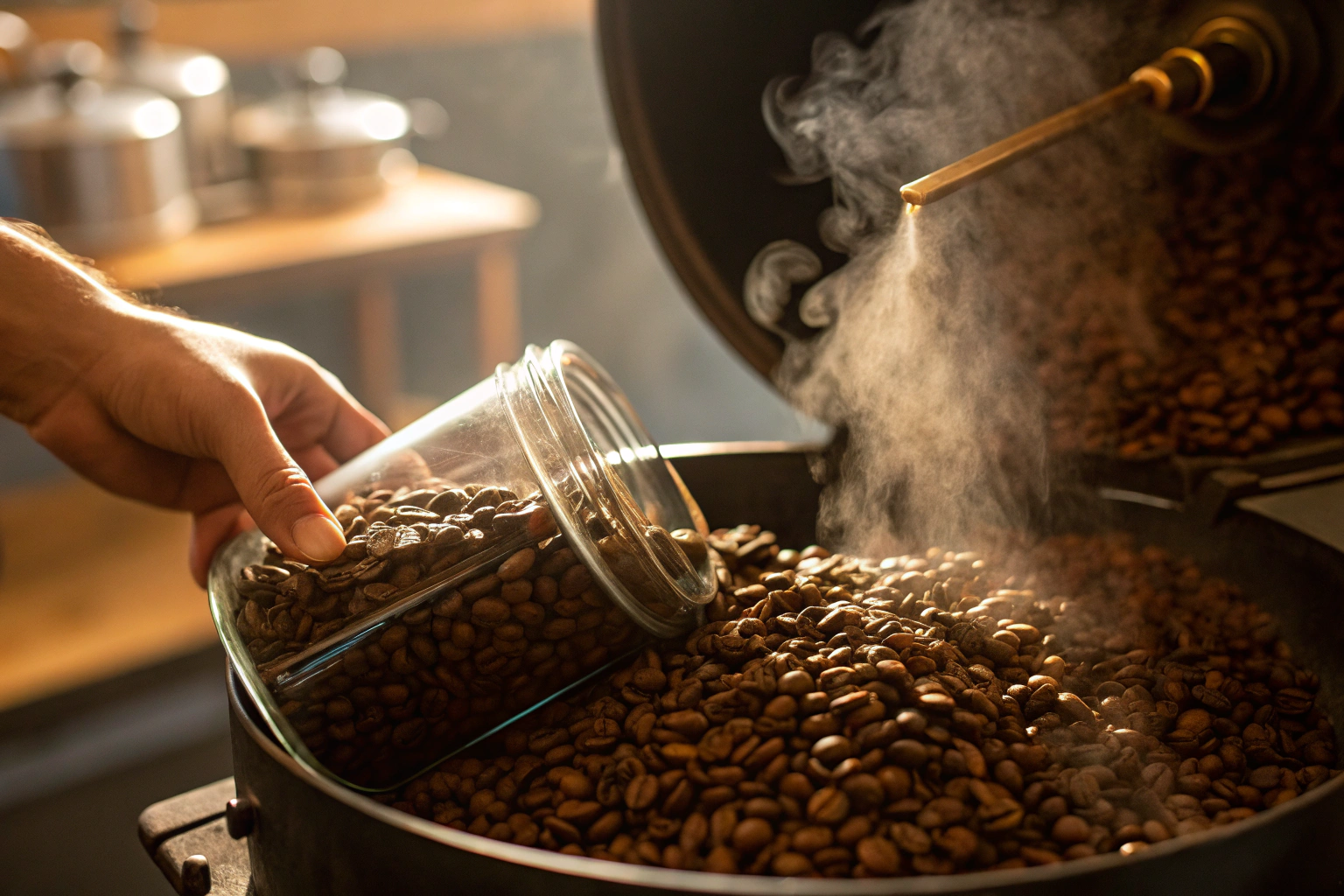
I will never forget the first time I walked into a specialty coffee roastery in Seattle. The smell hit me before I saw anything. It was sweet, fruity, and deep. I closed my eyes and just breathed. That moment taught me something. Aroma is not a bonus. It is the soul of coffee. When a customer opens a bag, the first thing they notice is the smell. If it smells flat or like cardboard, they will not come back. So how do you make sure your coffee smells amazing every single time?
To ensure your coffee is aromatic, you need to control every step from harvest to brewing. Start with ripe cherries. Process them quickly. Dry them evenly. Store green beans in a cool, dry place. Roast fresh. Grind just before brewing. Use clean, hot water. Each step adds or removes aroma compounds. The best coffee smells bright, clean, and complex because someone cared at every stage.
I have spent years learning this on our farms in Baoshan. Let me share what works. I will break it down by stage so you can see where aroma comes from and where it gets lost.
How Does Harvesting Affect Coffee Aroma?
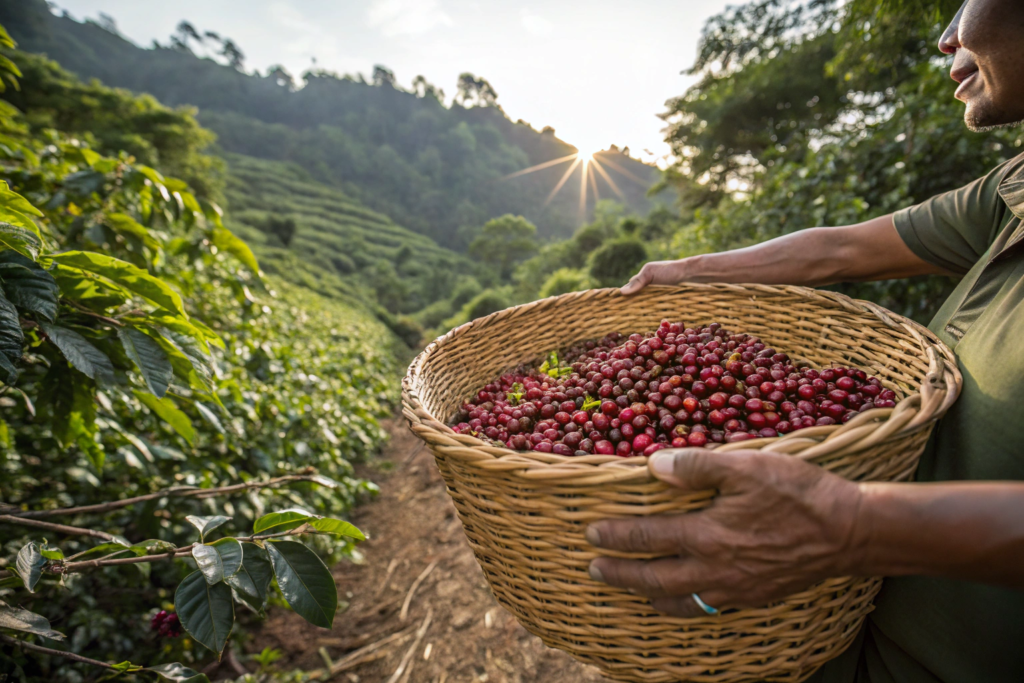
Aroma starts in the cherry. If you pick too early or too late, the smell suffers. I have walked our fields with our pickers. They know which cherries are ready. You can see it in the color.
Harvesting affects aroma because the cherry's sugar and acid levels change as it ripens. Under-ripe cherries give grassy, green smells. Over-ripe cherries give fermented, winey smells. The best aroma comes from cherries picked at peak ripeness. That is when the fruit is deep red and firm. Pick only the red ones. Leave the green and the over-ripe for another pass.
We train our pickers to do selective picking. We go through the same trees every 10 days. This is more work. But the aroma is worth it.
What Happens If You Pick Too Early?
Under-ripe cherries have low sugar. They also have high levels of chlorophyll. That is the green pigment in plants.
When you roast under-ripe beans, you get vegetal smells. Think cut grass or raw peas. That is not what anyone wants in their morning coffee. You also get less of the sweet, caramel notes. The coffee smells thin.
What Happens If You Pick Too Late?
Over-ripe cherries start to ferment on the tree. The skin gets soft. The fruit inside breaks down. The smell becomes sour or vinegary. Some people call it "winey" as a positive. But there is a fine line. Too much fermentation smells like rotting fruit.
We pick our Arabica cherries at exactly 22 to 24 Brix. That is a measure of sugar content. It gives the best aroma.
How Does Processing Method Change Aroma?
Processing is where you choose your coffee's aroma direction. Different methods create different smell profiles. I have tried them all on our farm.
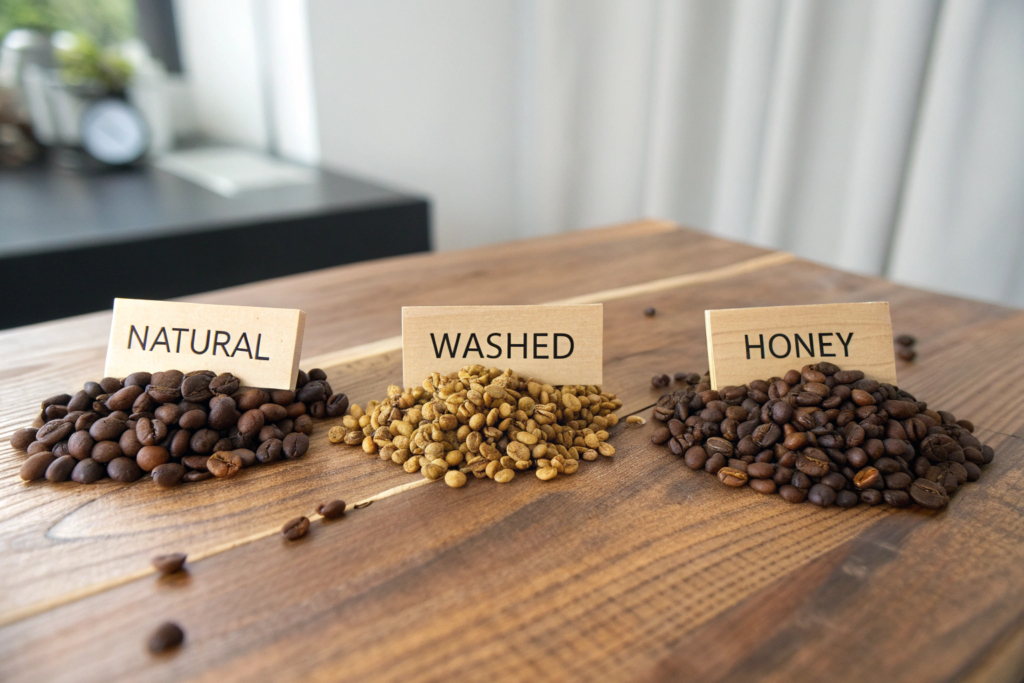
Processing method changes aroma because it controls how much fruit flesh stays on the bean during drying. Natural processing leaves the whole cherry. It gives fruity, winey, berry-like smells. Washed processing removes the fruit before drying. It gives cleaner, brighter, floral smells. Honey processing removes some fruit but not all. It gives sweet, syrupy smells. Each method is a tool for a different aroma goal.
We offer all three methods at BeanofCoffee. Let me explain what each one does to the smell of your coffee.
What Aromas Come from Natural Processing?
Natural processing is the oldest method. You dry the whole cherry in the sun. The fruit ferments a little. That fermentation creates fruity smells. Think of blueberries, strawberries, or tropical fruit. Some natural coffees smell like jam.
The risk is over-fermentation. That gives a dirty or sour smell. Our natural processed Catimor has a heavy berry aroma. It is popular in North America for cold brew.
What Aromas Come from Honey Processing?
Honey processing is in between. You remove the skin but leave some of the sticky fruit mucilage. That mucilage is called honey. It is not actual honey. Just a name. The aroma is sweet. Think of brown sugar, caramel, or dried fruit.
Honey processed coffee smells richer than washed but cleaner than natural. We use a honey processing guide to train our team. It takes practice to get the right thickness of mucilage.
How Does Roasting Preserve or Destroy Aroma?
Roasting is where aroma really comes to life. But it is also where you can lose it. Too dark, and you smell only smoke. Too light, and you smell grass. The sweet spot is medium to medium-light for most specialty coffee.
Roasting preserves aroma when you develop the beans slowly and stop before second crack gets too aggressive. Light roasts keep floral and fruity smells. Medium roasts bring out caramel and nutty smells. Dark roasts smell like smoke and charcoal. The best aroma comes from roasting to the bean's peak, not to a fixed color. Freshness matters too. Roasted coffee loses 40% of its aroma compounds in the first two weeks.
I work with roasters who buy our green beans. The ones who get the best aroma roast small batches and ship fast.
What Happens During Second Crack?
Second crack is louder and faster. It happens around 224°C (435°F). The bean structure breaks down. At this point, you lose most of the origin aroma. You get roast aroma instead. That means smoky, burnt, and spicy smells.
Some people like that. But you cannot taste the difference between a coffee from Yunnan or Brazil at this roast level. The roast hides everything.
How Fast Should You Use Roasted Coffee?
Roasted coffee releases carbon dioxide and aroma compounds constantly. After 7 days, you have lost a noticeable amount of smell. After 14 days, the aroma is half gone. After 30 days, the coffee smells flat. It might still taste okay. But the bag smell is weak.
We recommend using fresh roasted coffee within 3 weeks for the best aroma. Our dropshipping partners ship within 24 hours of roasting.
How Does Grinding and Brewing Release Aroma?
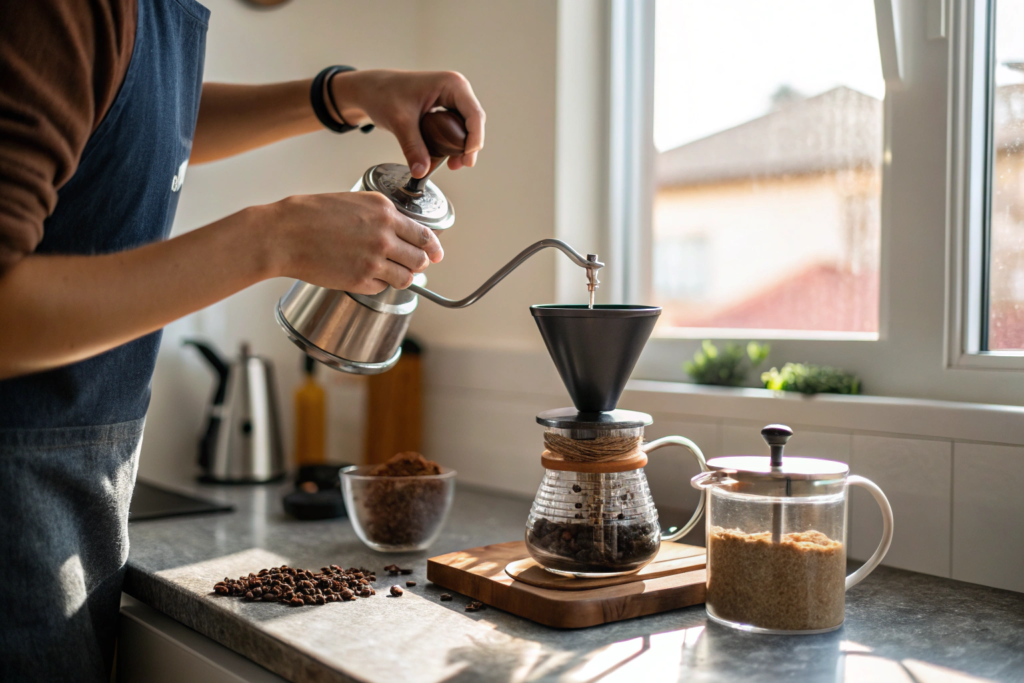
You can do everything right on the farm and in the roastery. But if you grind too early or brew with bad water, the aroma never reaches the cup. This is the final step. Do not mess it up. Grinding and brewing release aroma by exposing the inside of the bean to air and water. Grind just before brewing. Use a burr grinder for even particles.
Use water between 90°C and 96°C (195°F to 205°F). Too hot, and you burn the oils. Too cold, and the aroma stays trapped. Brew immediately after grinding. Every minute you wait, you lose smell. I test this every week in our lab. Coffee ground 30 minutes before brewing smells noticeably weaker than coffee ground fresh.
Why Does Grind Size Matter?
Different brew methods need different grind sizes. Fine grind (like table salt) is for espresso. It releases aroma quickly because the water pushes through under pressure.
Medium grind (like sand) is for pour-over or drip. It gives a balanced release. Coarse grind (like sea salt) is for French press. It releases aroma slowly. If your grind is too fine for your method, the water sits too long. You get bitter smells. If it is too coarse, the water rushes through. You get weak, sour smells. Use a coffee grind size chart to match your method.
How Does Water Quality Affect Aroma?
Water is 98% of your cup. Bad water ruins good coffee.Chlorine in tap water kills aroma. It smells like a swimming pool. Use filtered water. Hard water has too many minerals. It mutes the delicate floral and fruity smells.
Soft water is better. But very soft water can make coffee taste flat. The Specialty Coffee Association recommends water with 150mg/L of total dissolved solids. That is a good target. We work with Shanghai Fumao to ship water filtration systems to our wholesale buyers. Clean water makes a huge difference.
Conclusion
Aromatic coffee is not luck. It is a chain of good decisions. Pick ripe cherries. Process with care. Dry evenly. Store green beans cool. Roast fresh to the right level. Grind just before brewing. Use clean, hot water. Every step adds to the smell or takes away from it.
At Shanghai Fumao , we control the chain from our 10,000 acres in Yunnan to your door. We grow Arabica, Robusta, and Catimor. We process with natural, washed, or honey methods. We ship fresh through partners like Shanghai Fumao. And we help our buyers brew it right.
If you want coffee that smells as good as it tastes, reach out. Let me show you what we can do. Contact Cathy Cai. My email is cathy@beanofcoffee.com. Tell me you love aromatic coffee. I will send you samples. You can smell the difference yourself.