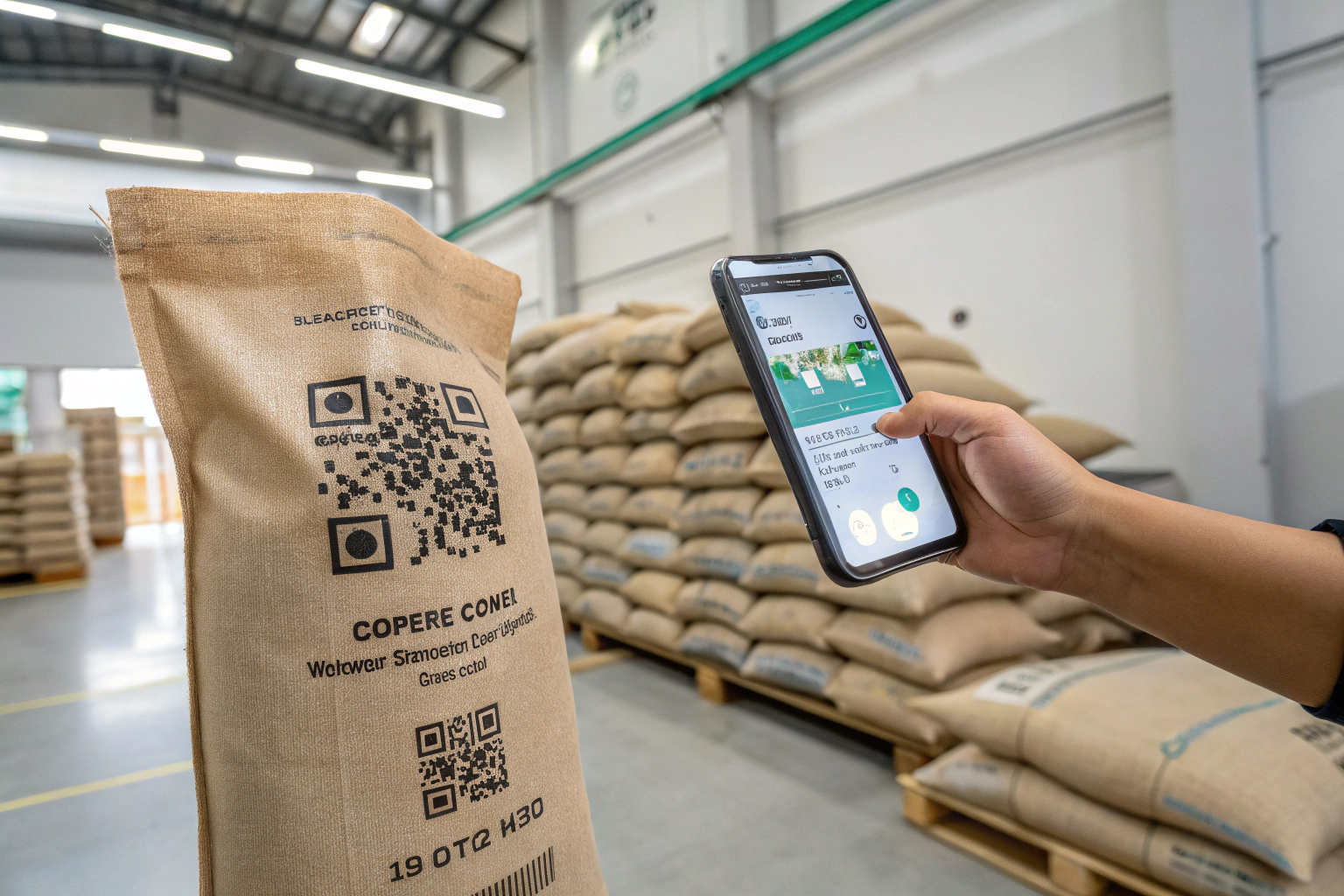
The word "traceability" gets thrown around a lot in coffee. But what does it actually mean? And why should you, as a buyer, care? I learned the hard way. Years ago, I had a client in Europe who received a shipment of what was supposed to be our premium Arabica. But something was off. The flavor didn't match our cupping notes. We traced it back and found that a mistake at the port had mixed our lot with another farm's coffee. It was an honest error. But it cost us trust. That experience pushed me to build a traceability system that leaves nothing to chance. Now, every bag we ship has a story. And that story is verifiable.
To ensure your coffee is traceable, work with suppliers who own their supply chain or have direct relationships with farms. Demand lot numbers that link to specific harvest dates, processing details, and cupping scores. Use technology like QR codes or blockchain platforms to track shipments. And always ask for documentation—certificates of origin, export papers, and third-party audit reports. Traceability isn't just about knowing where coffee came from. It's about proving it.
Now, you might be thinking, "I'm a buyer, not a detective." And that's fair. But traceability is becoming table stakes. Your customers want to know the story behind their coffee. They want assurance that it's ethically sourced, fairly traded, and genuinely high-quality. If you can't provide that, you're at a disadvantage. Let me walk you through how we do it at BeanofCoffee, and how you can protect yourself and your brand.
What Is Coffee Traceability and Why Does It Matter?
Let's start with the basics. Traceability is the ability to track coffee from the farm where it was grown all the way to the cup. It sounds simple. But in a global supply chain with multiple middlemen, it's surprisingly hard.
Coffee traceability is the documented journey of coffee from its origin farm to the end consumer. It includes information about the farm location, harvest date, processing method, export documentation, and shipping history. Traceability matters because it builds trust, ensures quality control, supports ethical sourcing claims, and allows for premium pricing. For buyers, traceability is a risk management tool. It protects against fraud, contamination, and reputational damage.
How Does Traceability Build Trust?
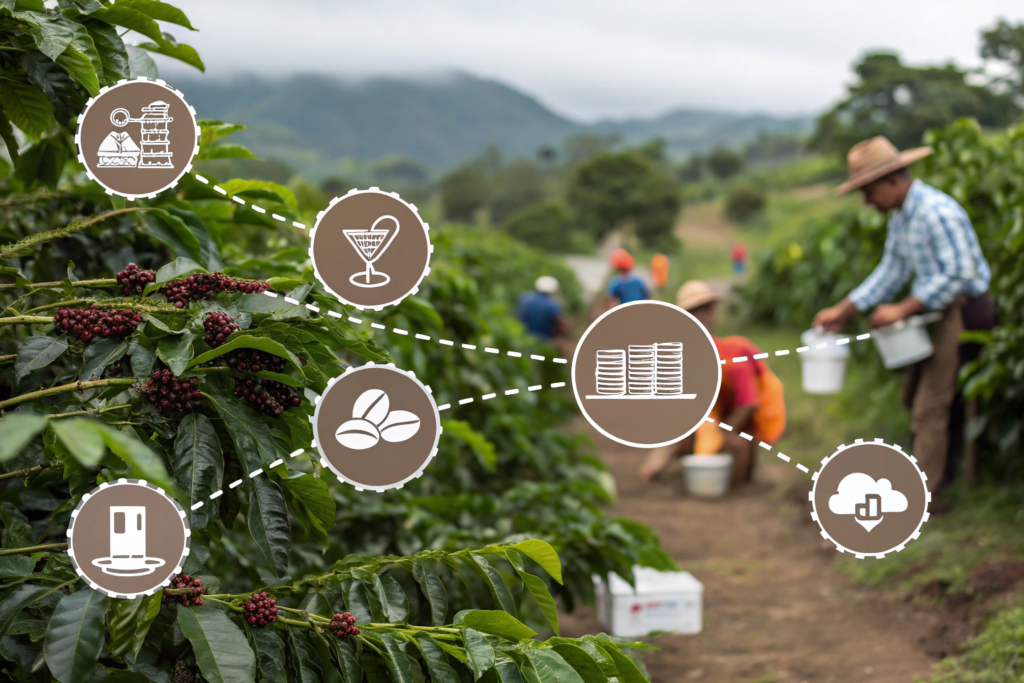
Think about the last time you bought something expensive. You probably wanted to know where it came from. Coffee is no different. When a roaster can tell a cafe owner, "This coffee came from a specific 50-acre plot in Yunnan, harvested in December, processed using the washed method," that's powerful. It's not just coffee. It's a story with evidence.
I've seen this firsthand. A client in Canada started putting QR codes on his bags. Customers scanned them and saw photos of our farm, our harvesters, our processing station. His repeat sales increased. People weren't just buying coffee. They were buying a connection. And that connection started with traceability.
What Are the Risks of No Traceability?
Here's the scary part. Without traceability, you have no idea what you're actually buying. Coffee from different farms can be mixed at processing stations. Shipments can be mislabeled. In some cases, cheaper beans are substituted for expensive ones. You could be paying for premium Arabica and getting a blend of low-grade Robusta.
I've heard horror stories from other buyers. A roaster in the UK thought he was buying organic certified coffee. He was paying a premium. Turned out, the supplier had lost their certification years ago but kept using the label. The roaster got caught by a customer audit. He lost the account. And he had no recourse because the supplier was a middleman who had since disappeared. Traceability would have prevented that.
What Should You Look for in a Traceable Supplier?
Not all suppliers are created equal. Some have robust traceability systems. Others are still using paper notebooks and memory. As a buyer, you need to know what to look for. I've developed a checklist over the years.
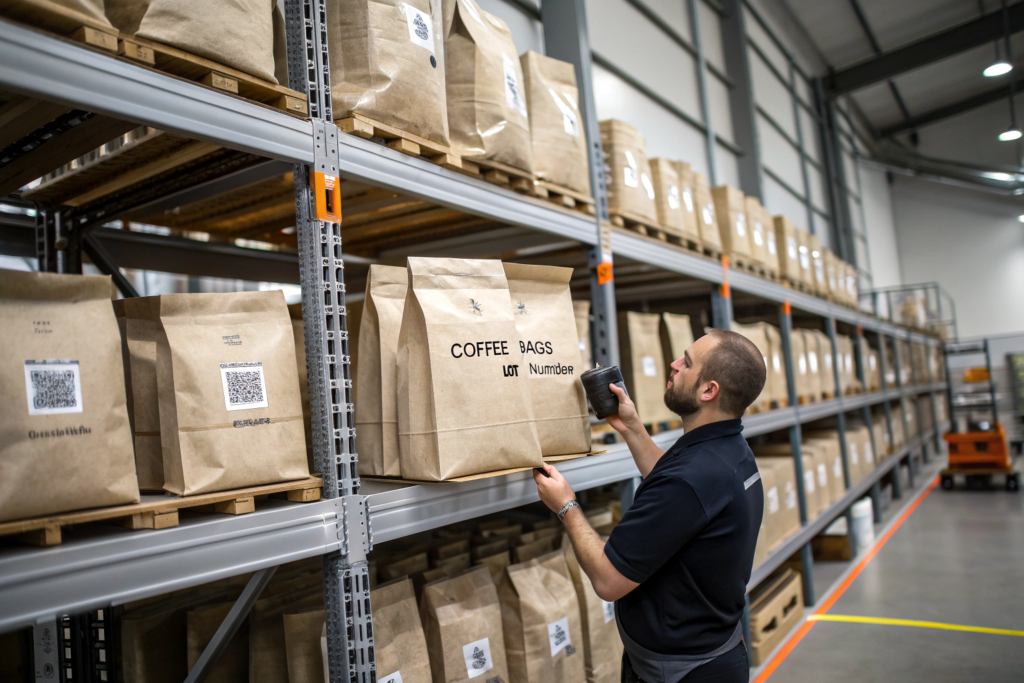
When evaluating a supplier's traceability, look for lot numbers that link to specific harvest data. Ask for documented cupping scores for each lot. Request certificates of origin. Inquire about their traceability technology—QR codes, blockchain, or internal databases. And most importantly, ask for a sample traceability report. A good supplier can tell you the story of a specific bag, from farm to shipping container.
What Documentation Should You Request?
Paperwork matters. A serious supplier will have documentation ready. Start with the certificate of origin. This should list the farm or cooperative name, the region, and the harvest year. Next, ask for processing details. Was it washed, natural, or honey? Ask for cupping scores and tasting notes from that specific lot. Ask for export documentation that shows the lot number and the container number.
If a supplier hesitates or says they don't have that information, that's a red flag. We provide all of this to our clients. For our Arabica, we share lot numbers, harvest dates, processing methods, and cupping scores. We want our buyers to have the full story.
How Does Technology Enable Traceability?
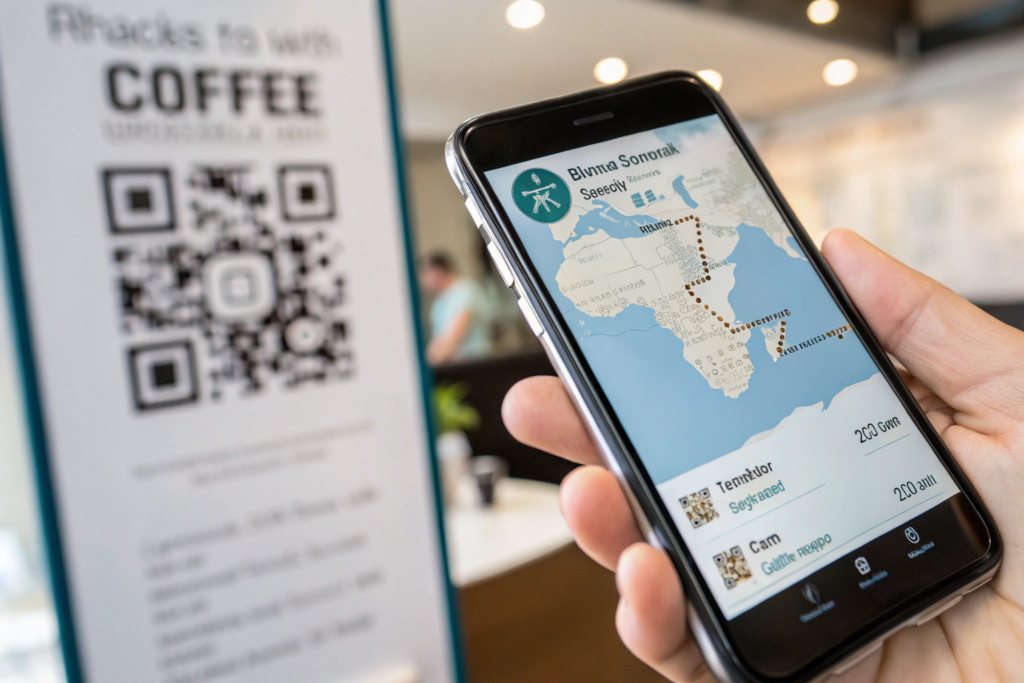
Technology is making traceability easier and more reliable. QR codes on bags can link to a webpage with the coffee's journey. Blockchain platforms create permanent, unalterable records of each transaction. Some suppliers use internal databases that allow buyers to look up a lot number and see everything about that coffee.
We've started implementing QR codes for our premium Catimor lots. When a roaster scans the code, they see photos of the farm, the harvest date, the processing method, and the cupping score. It's not just traceability. It's marketing. Roasters love sharing that story with their customers.
How to Verify Traceability Claims?
Trust but verify. That's my motto. A supplier can tell you they're traceable. But you need to check. I've learned to be thorough. It's not about being suspicious. It's about being professional.
To verify traceability claims, request a sample traceability report for a specific lot. Cross-reference the lot number with the supplier's documentation. If possible, visit the farm or processing station. Ask for third-party audit reports. Use technology to scan QR codes or check blockchain records. And finally, cup the coffee. The flavor should match the supplier's description. If the story doesn't match the cup, something is wrong.
How to Use Sample Testing for Verification?
This is my favorite method. Ask for a sample of a specific lot. Get the lot number and the traceability documentation. Then cup the coffee. Does it taste like the description? Does the flavor profile match the origin and processing method?
I once had a supplier send me samples of what they claimed was high-altitude Arabica. The flavor was flat and had no acidity. That's not characteristic of high-altitude Arabica. We asked for more documentation. They couldn't provide it. We walked away. The sample told us everything we needed to know.
What Should You Look for During a Farm Visit?
If you can, visit the farm. It's the ultimate verification. Walk the fields. See the coffee trees. Talk to the harvesters. Look at the processing station. Check the records.
I've had buyers visit our farms in Yunnan. They see the altitude. They see the shade trees. They see our wet mill and our drying patios. They leave confident. There's no substitute for seeing it yourself. And if a supplier isn't willing to let you visit, that's a red flag.
What Role Do Certifications Play in Traceability?
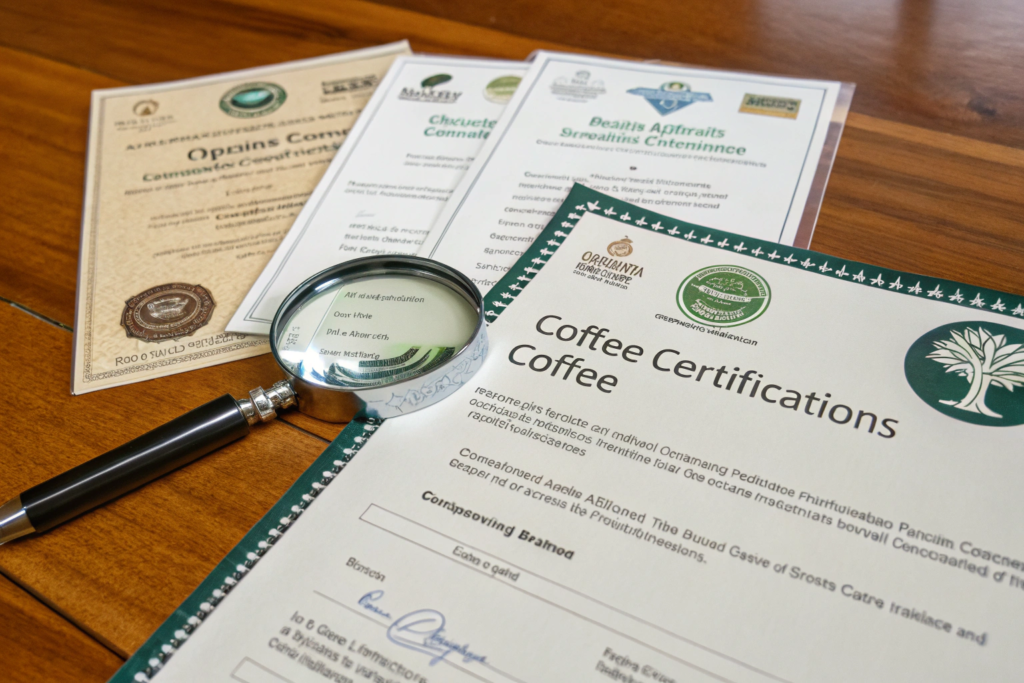
Certifications aren't perfect. But they do provide a layer of independent verification. When a coffee is certified, a third party has audited the supply chain. They've checked that the coffee comes from the claimed origin.
Certifications like Organic, Rainforest Alliance, and Bird Friendly require traceability as part of their standards. Certified farms must keep records of their production and sales. Certified supply chains are audited regularly. For buyers, choosing certified coffee is a shortcut to verified traceability. It doesn't replace your own due diligence, but it adds confidence.
How Does Organic Certification Support Traceability?
Organic certification requires documented supply chains. The certifying body needs to see that organic coffee is kept separate from conventional coffee. That means lot numbers, cleaning records, and audit trails. When you buy organic certified coffee, you're getting a traceability system as part of the package.
We maintain organic certification for some of our Catimor lots. The certification process is demanding. But it gives our buyers confidence that they know exactly what they're getting.
What About Rainforest Alliance and Bird Friendly?
Rainforest Alliance certification (which includes UTZ) has strong traceability requirements. Bird Friendly, administered by the Smithsonian, is even more rigorous. Both require documented supply chains and regular audits.
For buyers who want the highest level of assurance, Bird Friendly is a great choice. The certification requires not just organic practices and shade canopy, but also traceability from farm to roaster. When you see the Bird Friendly seal, you know the coffee has been tracked.
How Can Technology Improve Traceability?
The coffee industry is catching up with technology. And that's good news for traceability. New tools make it easier to track coffee from farm to cup. As a buyer, you should look for suppliers who are investing in these tools.
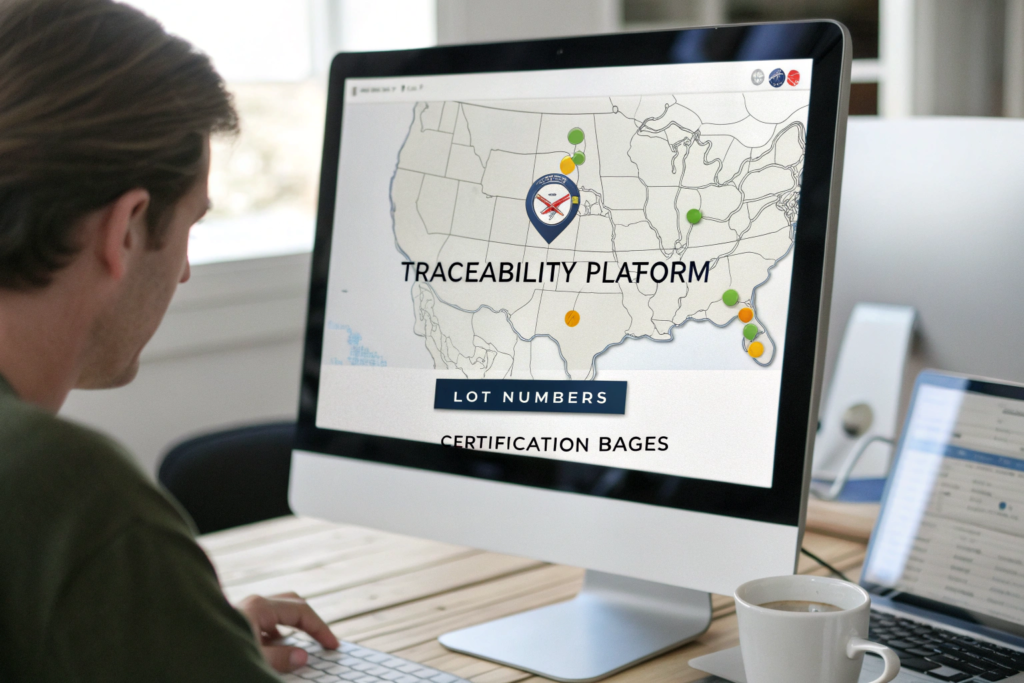
Technology is transforming coffee traceability. Blockchain platforms create immutable records of each transaction. QR codes allow consumers to scan and see the coffee's journey. GPS tracking and IoT sensors can monitor coffee in real time. Digital cupping databases link flavor profiles to specific lots. Suppliers who invest in these technologies are demonstrating a commitment to transparency.
How Does Blockchain Work for Coffee?
Blockchain is a digital ledger that records transactions in a way that can't be altered. Each time coffee moves from one party to another, a record is added. The buyer can then see the entire chain of custody.
We've started implementing blockchain for our premium Arabica lots. It's an investment. But it gives our buyers unprecedented visibility. They can see when the coffee was harvested, when it was processed, when it was shipped, and when it arrived. No more mysteries.
What About Simple QR Codes?
Not every supplier needs a full blockchain system. A QR code can do a lot. Scan it, and it takes you to a webpage with the coffee's story. Photos, harvest dates, processing details, cupping notes. It's not as rigorous as blockchain, but it's a huge step up from nothing.
We use QR codes on our packaging. When a customer scans it, they see our farm in Yunnan, our harvesters, our processing station. It builds trust. And it's simple to implement.
Conclusion
Traceability isn't a luxury anymore. It's a necessity. Your customers demand it. Your brand depends on it. And your supply chain needs it to manage risk. By working with suppliers who own their supply chain, demanding documentation, using technology, and verifying claims, you can ensure that your coffee is exactly what you think it is.
At BeanofCoffee, we've built our business on traceability. We own our 10,000 acres in Yunnan. We control our processing. We document every lot. We use QR codes and blockchain for verification. And we work with logistics partners like Shanghai Fumao to ensure that traceability extends all the way to your door. From our Arabica to our Catimor to our Robusta, every bag has a story. And we're happy to share it.
If you're ready to source coffee with complete traceability—coffee you can stand behind with confidence—let's talk. Contact our team lead, Cathy Cai, at cathy@beanofcoffee.com. She can provide documentation, arrange a farm visit, and help you build a traceability program that works for your business. Let's make sure your coffee's story is as good as its taste.