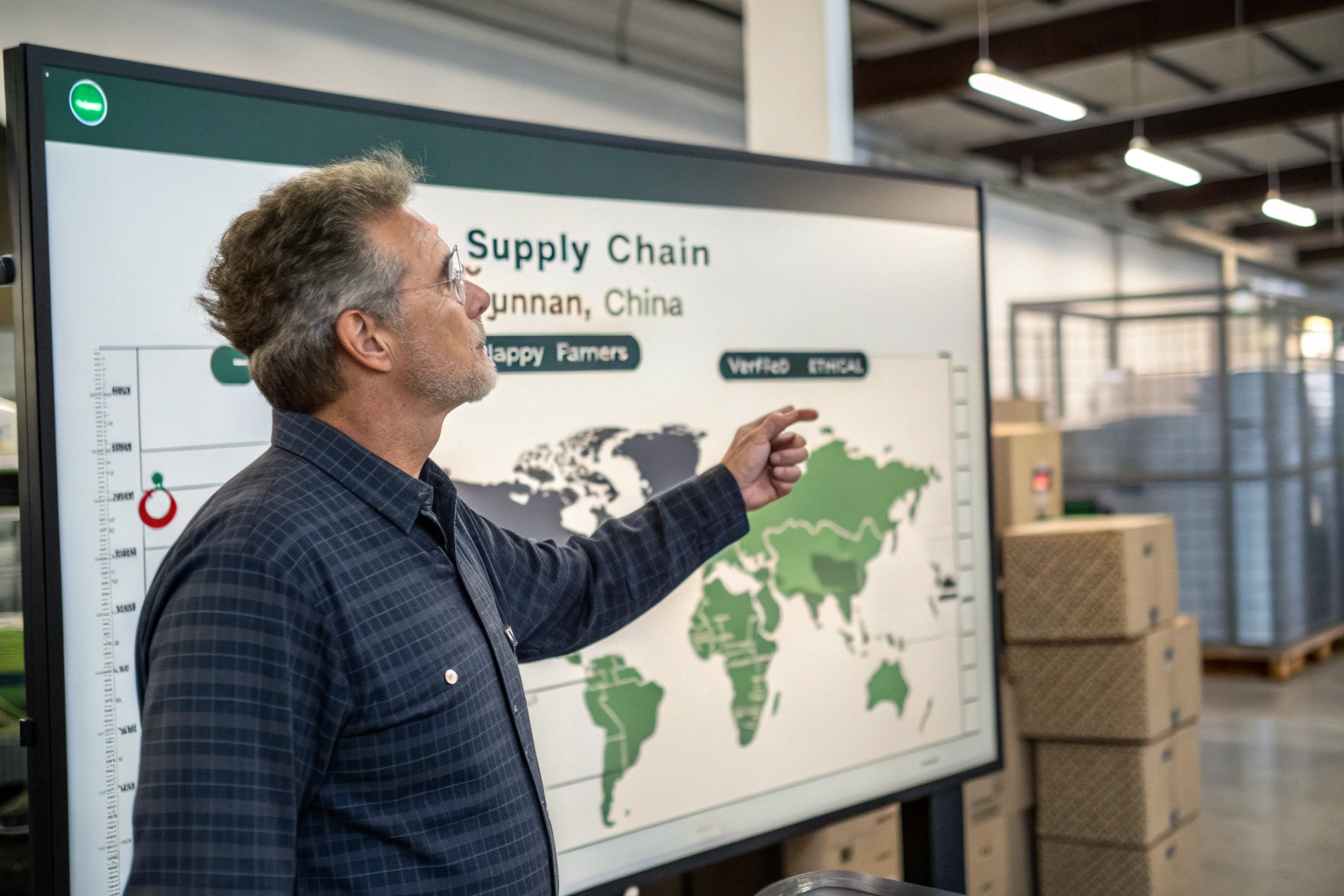
You're selling more than just a beverage; you're selling a story. Your customers, now more than ever, want to know that the story behind their coffee is a good one. You see terms like "ethical" and "sustainable," but you're haunted by the fear of "greenwashing." How do you really know that the farmers who grew your beans were paid fairly? How can you be sure your coffee isn't contributing to environmental damage? This uncertainty is a major pain point. The last thing you want is for your brand to be associated with exploitation, however unknowingly.
Honestly, the only way to ensure your coffee supply chain is ethical is to demand radical transparency and traceability from your suppliers. This goes beyond just certifications; it means asking tough questions, seeking multi-layered proof (like photos, documents, and farm-level data), and building relationships with partners who are willing and proud to open up their entire process to you. An ethical supply chain isn't built on trust alone; it's built on verifiable proof.
This is a conversation I welcome. At Shanghai Fumao, our direct ownership of over 10,000 acres in Yunnan gives us a unique ability to provide this very transparency. We're not just traders; we are the stewards of the land and the employers of our community. Let's break down the practical, actionable steps you can take to build a supply chain you can be truly proud of.
Aren't Certifications Like Fair Trade Enough?
Certifications are an excellent and often essential starting point. They provide a third-party audited framework that confirms a supplier meets a certain baseline of standards. However, relying on them as your only proof of ethical practices can leave you with significant blind spots.
Shouldn't you look beyond just the logo on the bag? Absolutely. While certifications like Fair Trade and Rainforest Alliance are crucial for establishing a baseline of social and environmental standards, a truly ethical supply chain requires a deeper level of due diligence. Certifications are the floor, not the ceiling.
Think of a certification as a driver's license. It proves the person has passed a basic test, but it doesn't tell you if they are a truly skilled, responsible, and safe driver. To know that, you need to see how they drive every day. Similarly, to know if your supplier is truly ethical, you need to look beyond the certificate and see their practices in action.

What are the limitations of certifications?
Certifications audit against a specific set of standards at a specific point in time. They may not capture the nuances of a farmer's daily life, the full scope of a region's environmental challenges, or the continuous improvement efforts of a supplier. Furthermore, some excellent, ethical producers may not be able to afford the high cost of certification, so relying on it alone can exclude potentially great partners.
How should you use certifications?
Use them as a screening tool. A supplier having a credible certification is a strong positive signal that they take these issues seriously. It shows they are willing to open their operations to outside scrutiny. Ask for the certificate, verify its validity online, and then use it as the starting point for a deeper conversation about their practices that go above and beyond the certified standard.
How Can You Verify Fair Labor Practices?
This is often the most pressing ethical concern: ensuring the people who produce your coffee are treated with dignity and paid fairly. This is also the hardest thing to verify from thousands of miles away. You need to become a digital detective.
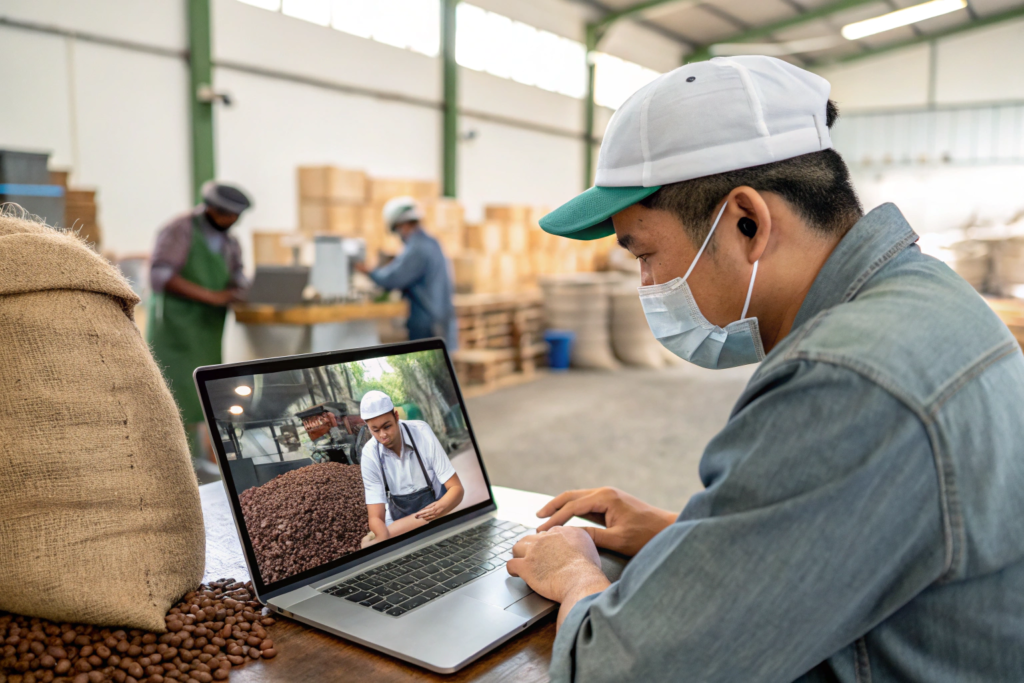
Isn't it impossible to know if workers are treated well from your office? It's difficult, but not impossible. You must ask your supplier for specific evidence of fair labor practices. This includes requesting information on their wage structure, asking for photos or videos of worker housing and facilities, and inquiring about their health and safety protocols.
A supplier who is proud of how they treat their people will be eager to share this information. A supplier who is evasive or makes vague claims should be a major red flag. It's not rude to ask these questions; it's responsible business.
What specific questions should you ask?
- "Can you tell me how your farm workers' wages are structured? Are they paid a daily wage or by the amount they pick?"
- "How do your wages compare to the local minimum wage and the average local cost of living?"
- "What kind of health and safety training and equipment do you provide for your workers, especially during processing?"
- "Could you share some recent, dated photos or a short video of the housing and sanitation facilities you provide for your seasonal workers?"
What is "Direct Trade" and how does it help?
Direct Trade is a sourcing model where a roaster buys coffee directly from a farmer or a specific cooperative, cutting out the traditional chain of middlemen. This model fosters a direct relationship, allowing for much greater transparency. You get to know the farmer by name, understand their costs, and can be much more confident that the higher price you pay is going directly into their pocket.
How Do You Ensure Environmental Responsibility?
An ethical supply chain isn't just about people; it's about the planet. Coffee farming can be a force for good, promoting biodiversity, or it can be a source of deforestation and water pollution. Verifying a supplier's environmental claims is critical.
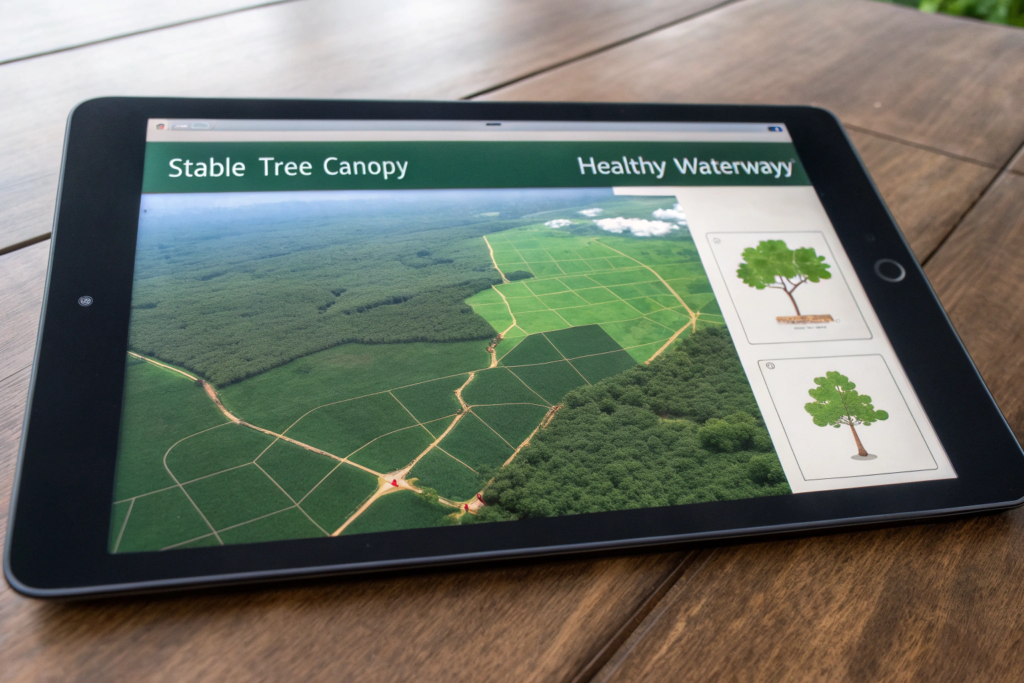
Don't you need proof of sustainable farming, not just claims? Yes. You should ask your supplier about their specific practices regarding water management, biodiversity, and soil health. Ask for details on how they process their coffee and what they do with the waste. A truly sustainable producer will be able to talk about this in great detail.
Again, it's about moving from vague statements like "we're eco-friendly" to concrete practices. As a vertically integrated company at Shanghai Fumao, we can tell you exactly how we manage our water, how we use coffee cherry pulp to create organic fertilizer, and how our shade trees provide a habitat for local bird species.
What are the key environmental questions?
- "What are your water conservation practices during coffee processing? How do you treat your wastewater?" (Coffee processing can use a lot of water and create significant pollution if not managed correctly).
- "Do you practice shade-grown coffee? If so, what kinds of trees do you use?"
- "How do you manage soil health and prevent erosion on your farms?"
- "What are your methods for pest and disease control? Do you use integrated pest management to minimize chemical use?"
What is a "carbon footprint" in coffee?
The carbon footprint of coffee refers to the total amount of greenhouse gases emitted throughout its lifecycle, from farming and processing to shipping and brewing. Asking a supplier if they measure or have taken steps to reduce their carbon footprint (e.g., by using renewable energy or reforesting parts of their land) is a sign of a forward-thinking, environmentally conscious partner.
How Can Traceability Tie It All Together?
Traceability is the technology-enabled backbone that holds an ethical supply chain together. It's the ability to track a coffee bean from a specific bag in your warehouse all the way back to the specific plot of land where it was grown.
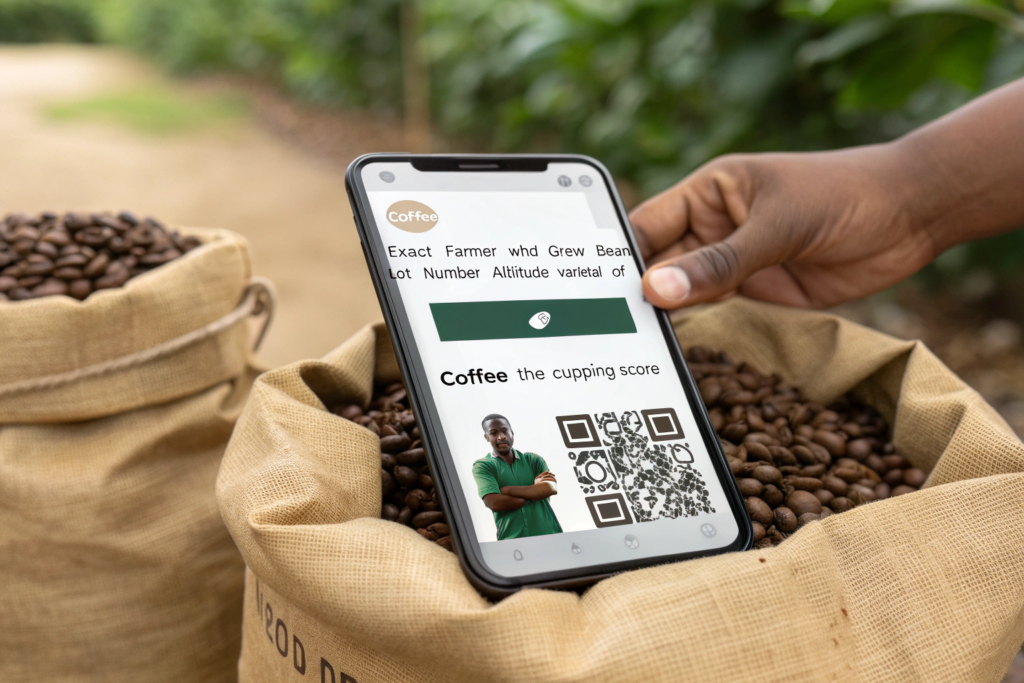
Isn't knowing the exact origin the ultimate proof? It is the ultimate goal. True traceability means moving beyond just knowing the country of origin to knowing the region, the washing station, the farm, and even the specific lot number. Ask your suppliers if they can provide this level of detail. The more traceable the coffee, the more accountable the supply chain.
When a supplier can tell you that the coffee you are buying came from "Lot #23, harvested on November 15th from the northern slope of our 'Mountain View' farm," it gives you incredible confidence. It proves they have a sophisticated system for tracking their product, which is a prerequisite for tracking their ethical practices. This level of detail makes it much harder to hide unethical practices within a large, anonymous blend.
What is lot separation?
Lot separation is the practice of keeping coffee from different farms, different picking days, or different processing methods separate throughout its journey. This is the foundation of traceability. A supplier who can offer distinct "micro-lots" demonstrates a high level of operational control and a commitment to preserving the unique character and story of each coffee.
How can technology help?
New technologies are making traceability easier than ever. Many suppliers are now using QR codes on their bags that link to a webpage with detailed information about the coffee's origin. Blockchain technology is also being explored as a way to create an unchangeable, transparent digital ledger of a coffee's journey from farm to cup.
Conclusion
Building an ethical coffee supply chain is an active, ongoing process, not a one-time checklist. It requires you to be curious, skeptical, and demanding. By looking beyond certifications, asking for specific proof of fair labor and environmental practices, and prioritizing radical traceability, you can build a supply chain that is not only defensible but is a powerful part of your brand's story. It transforms your business from a simple commodity seller into a true partner to the farmers who make your work possible.
We built our business on the principle of transparency because we are proud of our practices and have nothing to hide. We invite you to ask us the tough questions. If you are looking for a partner who can provide the proof and traceability you need to build a truly ethical supply chain, we are ready to open our doors to you. Contact our coffee specialist at cathy@beanofcoffee.com to start the conversation.