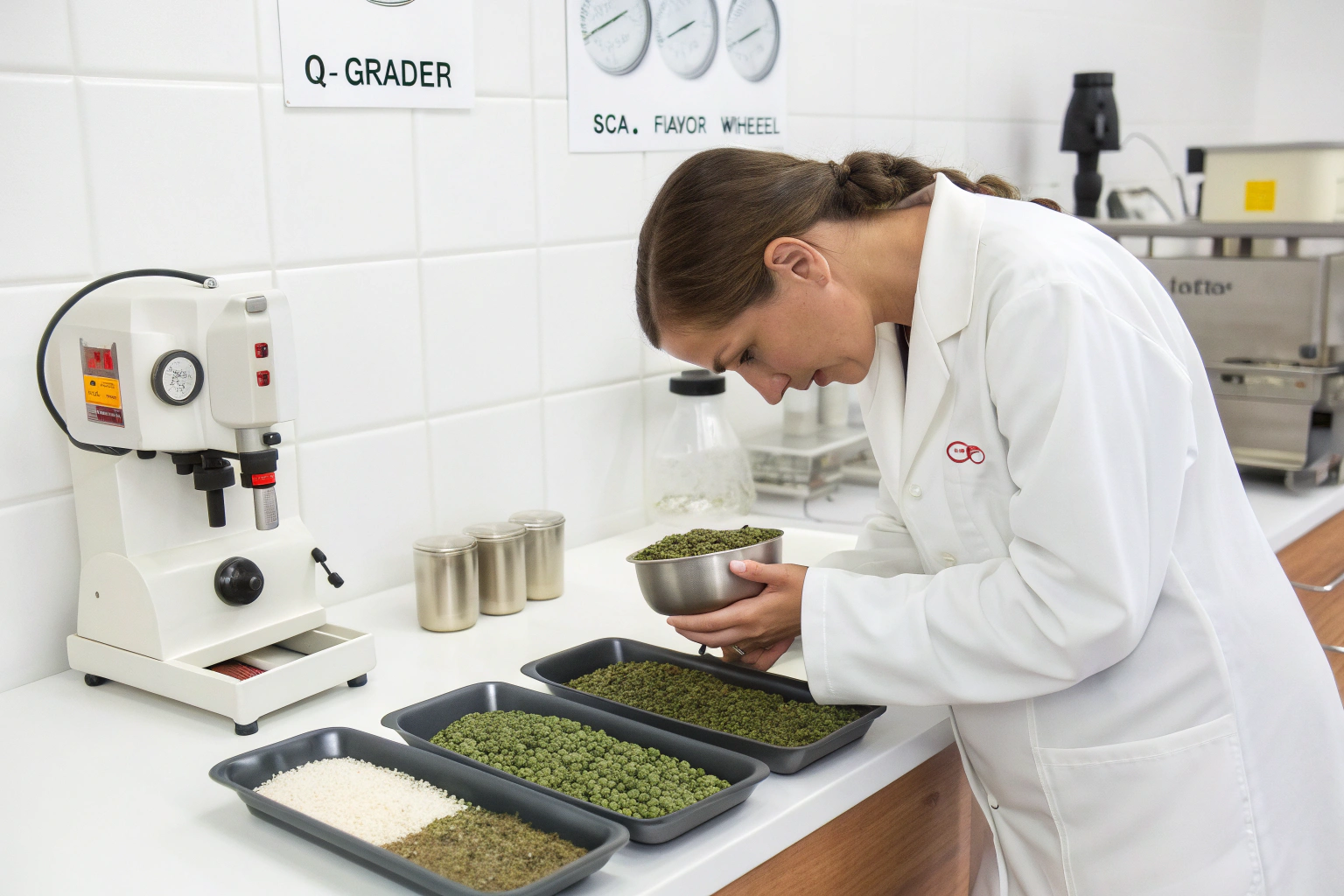
You receive a new batch of green beans. The packing list says "Floral & Citrus." You roast a sample, but when you grind it... nothing. No burst of fragrance, just a faint, flat smell. This isn't just disappointing; it's a critical quality control failure. Aroma is the first, most immediate signal of a coffee's inherent quality and freshness. Evaluating it systematically isn't a luxury for connoisseurs—it's a non-negotiable checkpoint for any professional buyer, roaster, or quality manager who wants to avoid costly mistakes and ensure product consistency.
Evaluating aroma intensity for QC involves a structured, multi-stage process that assesses the beans at key points: as green coffee, during grinding (fragrance), and during brewing (aroma). The goal is to quantify the strength and quality of volatile compounds using standardized protocols, not just personal impression. This requires controlled conditions, calibrated tools (like the SCA Flavor Wheel), and trained personnel to detect defects, predict cup quality, and verify adherence to purchase specifications.
Let's move beyond simply "sniffing the coffee" and build a reproducible QC protocol that protects your business and delights your customers.
Why is Aroma the First Critical Checkpoint in QC?
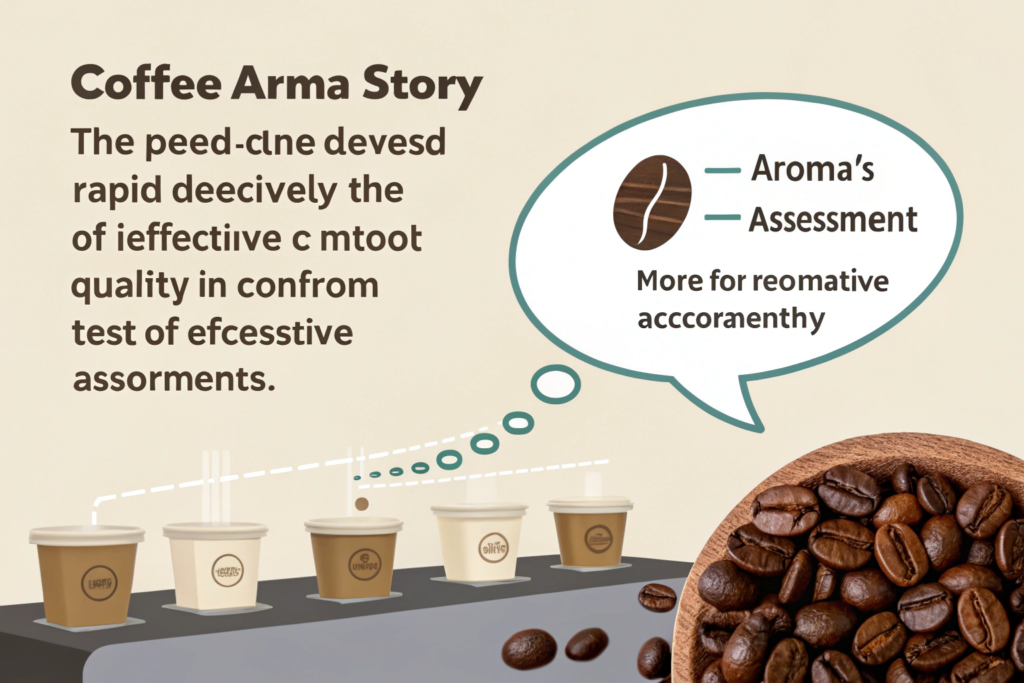
Think of aroma as the headline of the coffee's story. If the headline is weak or wrong, you already know the story beneath will be flawed. In QC, aroma assessment is a rapid, non-destructive test that can flag major issues before you invest time in roasting, brewing, and cupping. It's your early warning system.
A strong, positive aroma indicates healthy bean development, proper processing, and good storage. It directly correlates with the presence of desirable volatile organic compounds (VOCs) like aldehydes, ketones, and pyrazines. Conversely, a weak or off-putting aroma can reveal a multitude of problems: staling (loss of volatiles), poor drying or storage (leading to musty, moldy notes), over-fermentation (vinegary, boozy notes), or baking during roasting (bready, flat smell). Catching these at the fragrance stage saves you from brewing a bad batch.
What can green bean aroma tell you before roasting?
Smelling green coffee is about detecting defects and processing flaws. Take a handful of green beans, warm them slightly in your palms, and inhale deeply. You should smell a fresh, vegetal, sometimes peanutty or grainy scent—this is normal. Red flags include:
- Musty/Earthy: Indicates probable mold growth from wet storage.
- Chemical/Medicinal: Suggests contamination from pesticides or improper storage bags.
- Fermented/Sour: Points to over-fermentation during washing or drying.
A clean, neutral green bean aroma is the ideal starting point. At Shanghai Fumao, our pre-shipment QC includes this exact check to ensure only clean, defect-free beans are packed.
How does roast level affect what aromas you can detect?
Roasting is what unlocks the aroma potential. Light roasts tend to preserve more of the origin's delicate, enzymatic aromas (floral, tea-like, citrus). Medium roasts develop more sugar-based, caramelization notes (nutty, chocolatey). Dark roasts bring out dry distillation aromas (spicy, woody, smoky). For QC, you must evaluate the aroma relative to the intended roast profile. A light-roasted Yunnan Catimor shouldn't smell smoky; if it does, the roast is off-spec. A dark roast for espresso shouldn't smell grassy; if it does, it's under-developed.
What is the Standardized Protocol for Aroma Evaluation?
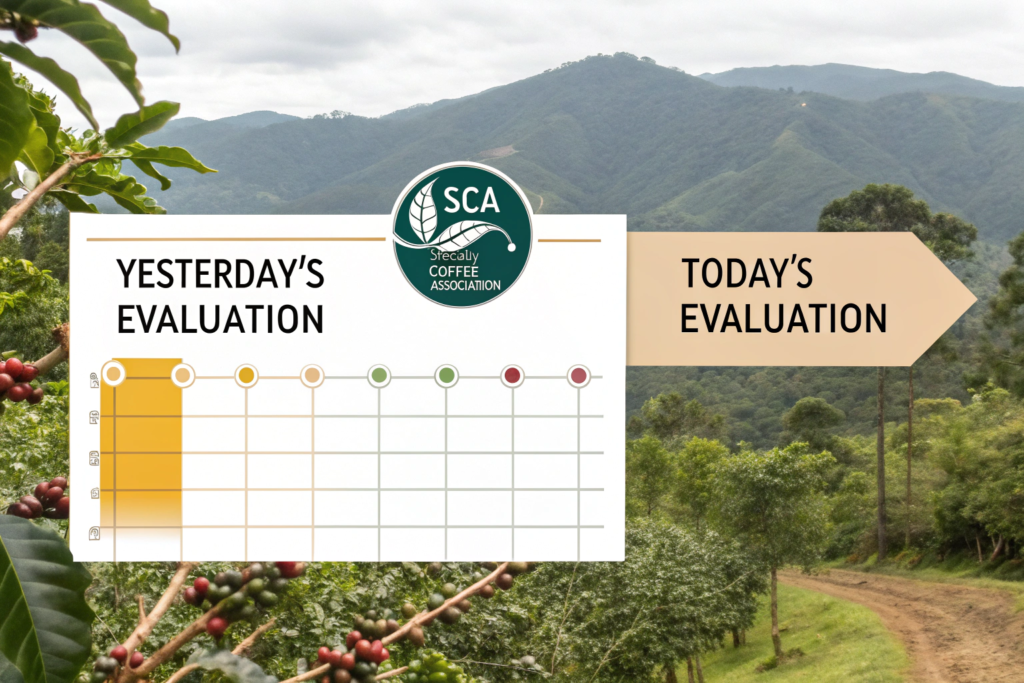
Consistency is king in QC. You cannot compare yesterday's evaluation with today's if the methods were different. The Specialty Coffee Association (SCA) provides a globally recognized protocol that standardizes the variables, allowing for objective comparison across batches, origins, and time.
The core of the protocol is the Cupping Form and the Coffee Taster's Flavor Wheel. Aroma is evaluated in two distinct phases: 1. Fragrance: The smell of the dry grounds. 2. Aroma: The smell of the wet crust after adding hot water. Each is scored on intensity and quality. The environment must be clean, well-ventilated, and free of competing odors (no perfume, no cooking smells). Water must be at a consistent, precise temperature (typically 93°C/200°F).
How do you score "Fragrance" vs. "Aroma" on the SCA cupping form?
On the SCA form, both are scored on a 0-10 point scale (with 10 being the highest intensity and purity).
- Fragrance (Dry Aroma): After grinding, let the coffee rest for 15 minutes to allow volatile compounds to release. Then, deeply sniff each cupping bowl. Score based on the strength and pleasantness of the dry scent. A high score indicates fresh, well-preserved beans.
- Aroma (Wet Aroma): After breaking the crust (a three-minute steep), stir gently and inhale the vapors rising from the wet grounds. This is often more intense and complex than fragrance, as heat and water release different compounds. Score separately. A big disparity between a strong fragrance and a weak wet aroma can indicate roast defects or rapid staling.
What is the role of the Coffee Taster's Flavor Wheel in QC?
The wheel is your translator. It provides a common, precise vocabulary. Instead of saying "fruity," you can identify "berry" and then specify "blackberry." This specificity is crucial for QC. It allows you to create a reference aroma profile for each of your products (e.g., "Our House Blend Target: Fragrance - Medium-High intensity, notes of dark chocolate and walnut. Aroma - High intensity, notes of caramel and cedar"). Every new batch is evaluated against this target profile using the wheel's terminology, ensuring objective pass/fail decisions.
How Can You Build an Internal Aroma Calibration Program?
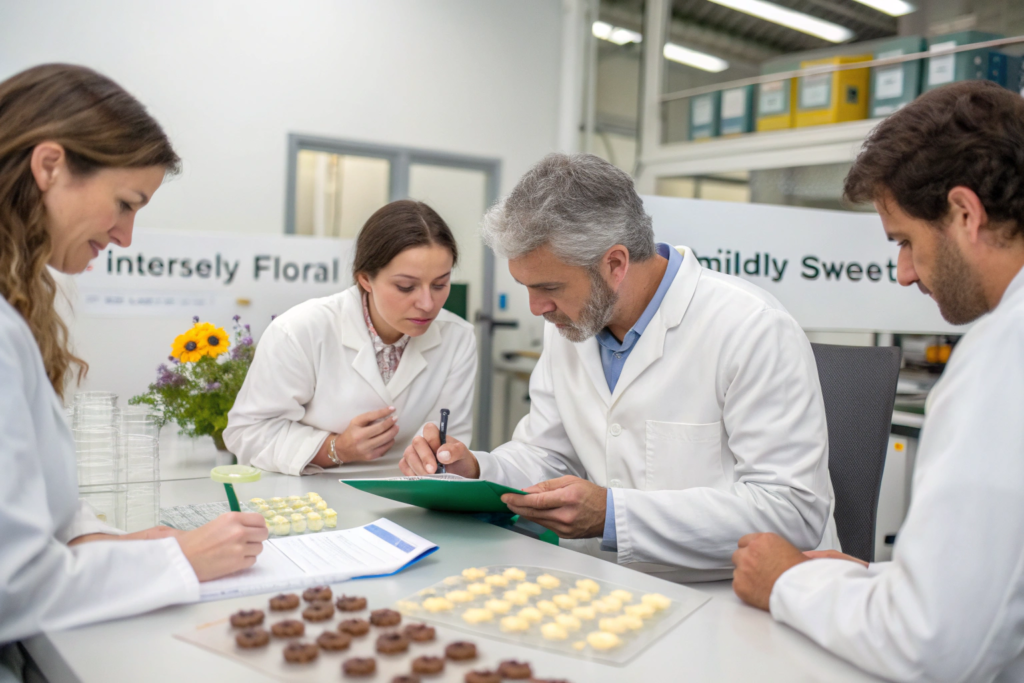
Your QC is only as good as your team's calibrated senses. One person's "intensely floral" is another's "mildly sweet." An internal calibration program ensures everyone on your QC team is speaking the same language and detecting the same attributes with similar sensitivity. This turns subjective opinion into reliable, company-wide data.
A calibration program involves regular training cuppings with known reference samples, defect kits, and blind triangulation tests. The goal is to achieve a high degree of consensus scoring among team members. This is especially critical for evaluating aroma intensity, as it is highly perceptive and can be influenced by individual olfactory sensitivity and fatigue.
What should be in a basic aroma defect kit for training?
A defect kit is essential for training your team to recognize "off" aromas. It should include small samples of beans with clear, singular defects. Common references include:
- Rioy/Rio flavor: A medicinal, phenolic smell (can be sourced from certain Brazilian lots).
- Musty/Potato Defect: Often from specific bacteria in East African coffees.
- Fermented/Vinegar: From over-fermented naturals.
- Moldy/Earthy: From wet, poorly stored beans.
Regularly smelling these defects in isolation helps your team identify them instantly when they appear subtly in a production batch, preventing tainted coffee from reaching the customer.
How does a triangulation test improve aroma assessment skills?
A triangulation test is the ultimate skill sharpener. Prepare three cups: two from the same coffee batch (the control), and one from a different batch or a slightly altered version (the outlier). Present them blind. The taster must identify the odd cup solely by fragrance and aroma, then describe the difference. This forces deep, comparative analysis and hones the ability to detect subtle variations in intensity and quality. It's a pass/fail test for your QC team's olfactory precision. We use similar rigorous checks at Shanghai Fumao to maintain consistency in our own export grading.
What Are Common Pitfalls and How to Avoid Them?
Even with a good protocol, common mistakes can invalidate your aroma evaluations. The two biggest enemies are olfactory fatigue and environmental contamination. Ignoring them leads to unreliable data and poor QC decisions.
Olfactory fatigue (or nose blindness) happens when your scent receptors become saturated. After continuously smelling coffee, your sensitivity plummets. Environmental contamination from external smells (cleaners, food, smoke) can mask or alter the coffee's true aroma. Both can cause you to miss critical defects or mis-score intensity.
How do you manage olfactory fatigue during a QC session?
The key is to smell in short, focused bursts and take frequent breaks. Do not inhale deeply over and over. Sniff, then pull away. Between samples, smell your own skin or the inside of your elbow—this helps "reset" your olfactory palate with a neutral scent. Keep evaluation sessions short (e.g., 30-45 minutes max). For extensive cuppings, smell coffee grounds or fresh beans from a different origin as a palate cleanser. Never rush; a fatigued nose is a useless QC tool.
What are the best practices for a dedicated QC space?
Your QC area must be a sensory sanctuary. It should have:
- Powerful, non-odorous ventilation to remove coffee vapors between tests.
- Strict no-food, no-perfume, no-smoking policies.
- Sealed storage for green and roasted samples to prevent cross-contamination.
- Controlled, neutral ambient temperature and humidity.
Investing in this dedicated space is not an overhead cost; it's an investment in the reliability of your entire quality assurance program, ensuring every aroma evaluation you perform is accurate and actionable.
Conclusion
Systematically evaluating aroma intensity is the cornerstone of professional coffee quality control. It transforms an ephemeral sensory experience into a concrete, data-driven checkpoint that guards against defects, ensures batch-to-batch consistency, and validates your sourcing and roasting decisions. By implementing a standardized protocol (like the SCA's), investing in team calibration, and controlling the evaluation environment, you build a robust QC system that protects your product's integrity and your brand's reputation.
Mastering aroma evaluation means you are not just reacting to problems—you are proactively ensuring that every bag of coffee you sell tells a compelling, high-quality story from the very first sniff.
If you seek a supply partner whose QC rigor matches your own, providing coffees with documented, consistent aroma profiles, we should talk. At Shanghai Fumao, we employ these exact protocols to grade our Yunnan Arabica, Catimor, and Robusta, ensuring you receive beans that meet your precise sensory specifications. To receive samples and our detailed QC reports, contact our export manager, Cathy Cai. Let's ensure your first impression is always the right one. Reach Cathy at: cathy@beanofcoffee.com.