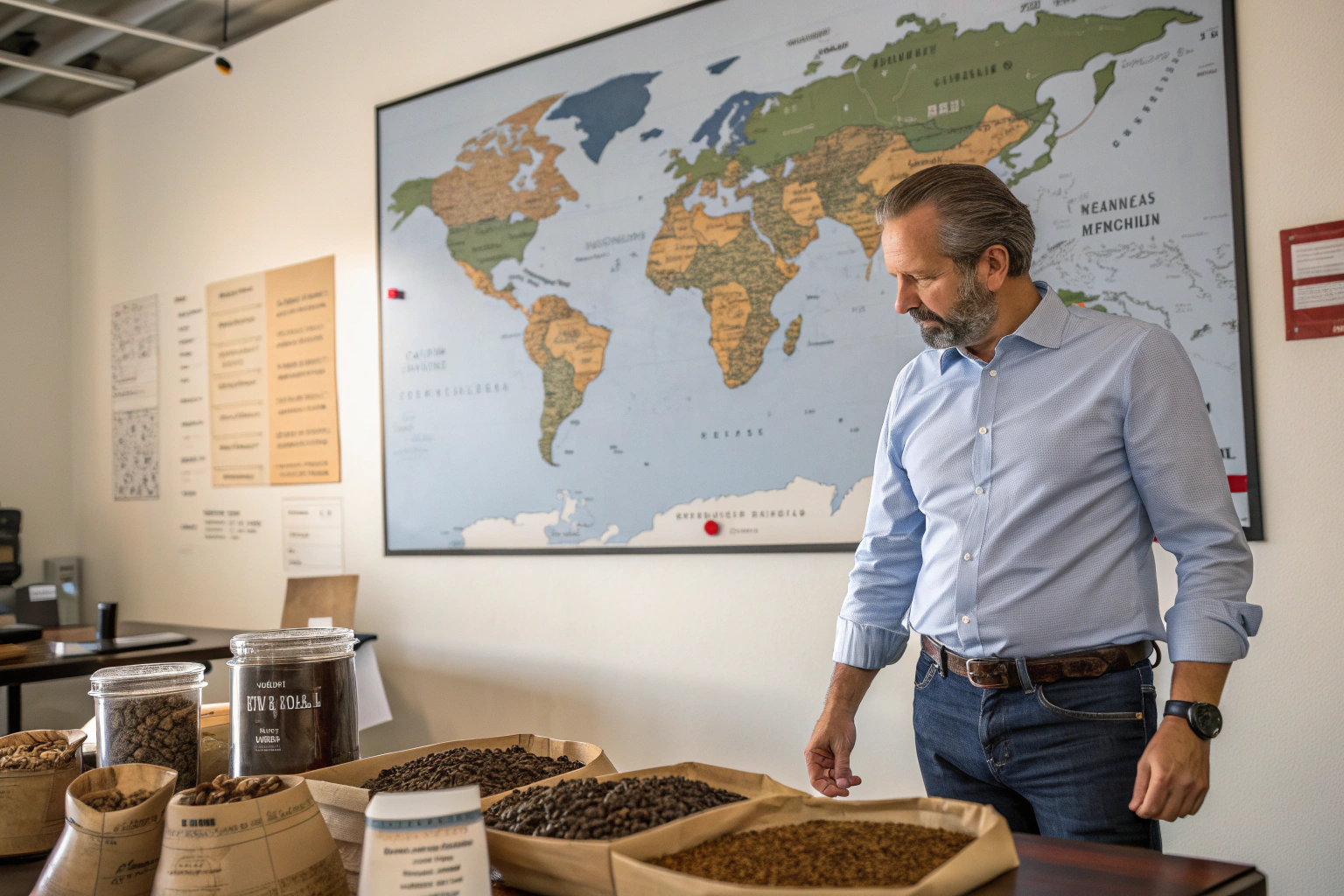
As a successful coffee business owner, you've conquered your local market. Your brand is strong, your customers are loyal, and your operations are smooth. But a voice in your head is asking, "What's next?" The idea of expanding into new markets—perhaps even internationally—is both thrilling and terrifying. You're faced with a wall of unknowns: different consumer tastes, complex logistics, unfamiliar regulations, and intense local competition. This uncertainty is a major pain point. A wrong move could be incredibly costly, wasting time, money, and damaging the brand you've worked so hard to build.
Honestly, the key to successfully expanding your coffee business into a new market is to replace ambition with a rigorous, data-driven strategy. This involves four critical stages: 1) Deep market research to identify a viable opportunity, 2) Adapting your product and brand to fit local tastes, 3) Building a solid, compliant logistics and distribution plan, and 4) Executing a targeted, culturally-aware market entry strategy. It's not about planting a flag; it's about planting a seed in fertile ground.
I've been on this journey myself, taking our coffee from our farms in Yunnan, China, to roasters and distributors across the globe. Each new market has been a unique lesson in humility and adaptation. It's a process that demands patience and precision. Let's walk through the strategic framework that can turn your global ambition into a profitable reality.
How Do You Know Which Market to Enter?
The world is a big place. The temptation is to go after the biggest or most obvious markets, but that's not always the smartest move. Your first and most critical task is to conduct deep market research to find a market where your specific brand and product have the highest probability of success.
Isn't it just about finding where people drink a lot of coffee? Not entirely. You need to look for a "product-market fit." This means conducting detailed research on a market's coffee culture, competitive landscape, and economic viability. You're looking for the sweet spot where a market has a healthy appetite for coffee, a growing interest in the type of coffee you sell, and a competitive environment you can realistically penetrate.
Think like a detective looking for clues. A country with high per-capita coffee consumption is a good start, but what kind of coffee do they drink? Is it mostly cheap instant coffee, or is there a thriving specialty cafe scene? Are they interested in new origins, like our unique beans from Yunnan, China?
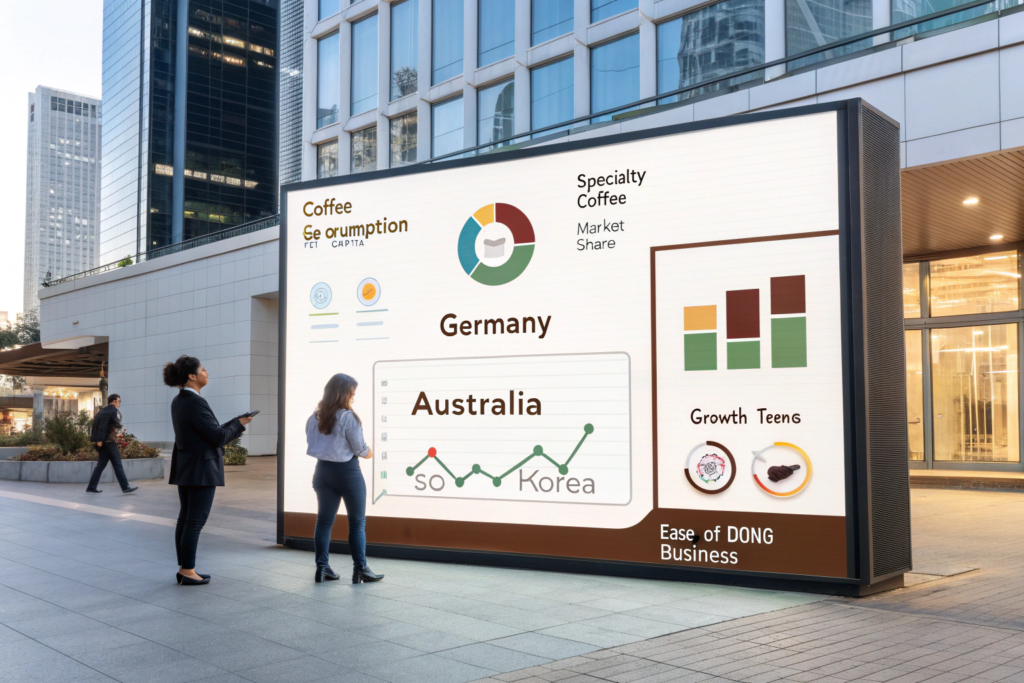
What data should you research?
- Consumption Habits: Look at data from the International Coffee Organization (ICO) or market research firms. How much coffee is consumed per capita? What's the split between at-home vs. cafe consumption? Is it mostly espresso-based, filter, or instant?
- Competitive Landscape: Who are the dominant local roasters and cafes? What are their price points? What are their brand messages? Look for a gap. Maybe the market is saturated with dark roasts, creating an opportunity for your lighter, single-origin offerings.
- Economic & Logistical Factors: What are the import tariffs and regulations? How complex are the logistics of shipping there? What is the average consumer's disposable income? A market might look great on paper until you realize the tariffs make your product uncompetitively expensive.
How do you test a market without a huge investment?
Before going all-in, you can conduct a small-scale test. Partner with a single, well-respected local distributor or cafe to feature your coffee as a "guest" offering. This allows you to get real-world feedback on your product and pricing from local consumers with minimal risk.
Do You Need to Change Your Product and Brand?
What made you a success in your home market might not translate directly to a new one. The assumption that "everyone will love my coffee just as it is" is a dangerous one. You must be willing to adapt.
Shouldn't a great product be great everywhere? Not necessarily. You must be prepared to adapt your product, packaging, and brand message to align with the cultural preferences and regulations of the new market. This could mean adjusting your roast profile, changing your packaging design, or even translating your brand name.
For example, when we at Shanghai Fumao export to the U.S., we might highlight the bold, chocolatey notes that are popular in espresso blends. When we export to Scandinavia, we might emphasize the bright, clean, acidic notes that are prized for filter coffee. It's the same high-quality bean, but presented in a way that resonates with the local palate.
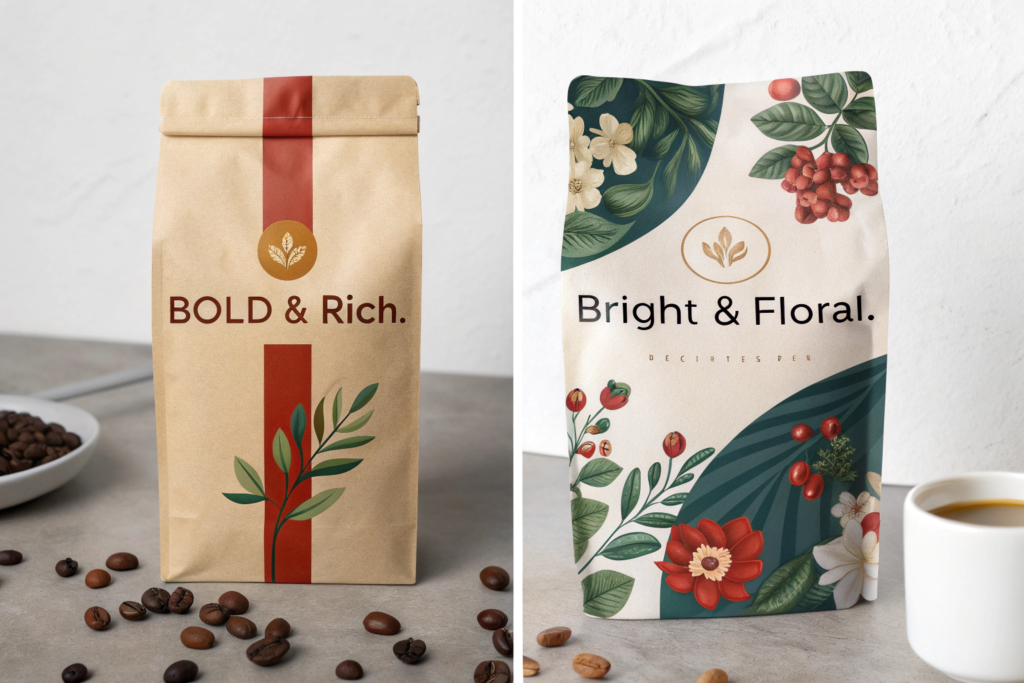
How do you adapt your product?
- Roast Profile: European tastes can vary dramatically. Italians often prefer darker roasts, while Scandinavians are famous for their preference for very light roasts. You may need to work with your roaster or a local partner to develop a specific roast profile for the target market.
- Blend Composition: If you sell blends, you might need to adjust the ratios. A blend for the Australian market, which has a strong espresso and flat white culture, might need more body and richness than a blend for the German market, where long black filter coffee is more common.
What about packaging and branding?
- Regulatory Compliance: This is non-negotiable. As we've discussed before, the EU has incredibly strict food packaging regulations. Your packaging must be fully compliant.
- Aesthetics and Language: Your branding might need a facelift. A design that looks bold and exciting in the U.S. might look loud and garish in Japan. All text must be professionally translated, capturing the nuance and tone of your brand, not just the literal words.
What's Your Entry and Distribution Strategy?
You've identified your market and adapted your product. Now, how do you physically get your coffee onto the shelves and into the cups of your new customers? Your distribution strategy is the bridge between your business and the new market.
Isn't it easiest to just sell online? That's one option, but you need to choose a market entry strategy that matches your capital, risk tolerance, and long-term goals. The main options are selling directly to consumers (D2C) via e-commerce, partnering with a local distributor, or establishing a direct physical presence through licensing or a joint venture.
Each path has significant pros and cons. D2C gives you full control and higher margins but comes with huge logistical and marketing challenges. Partnering with a distributor is faster and leverages local expertise, but you sacrifice margin and some brand control.
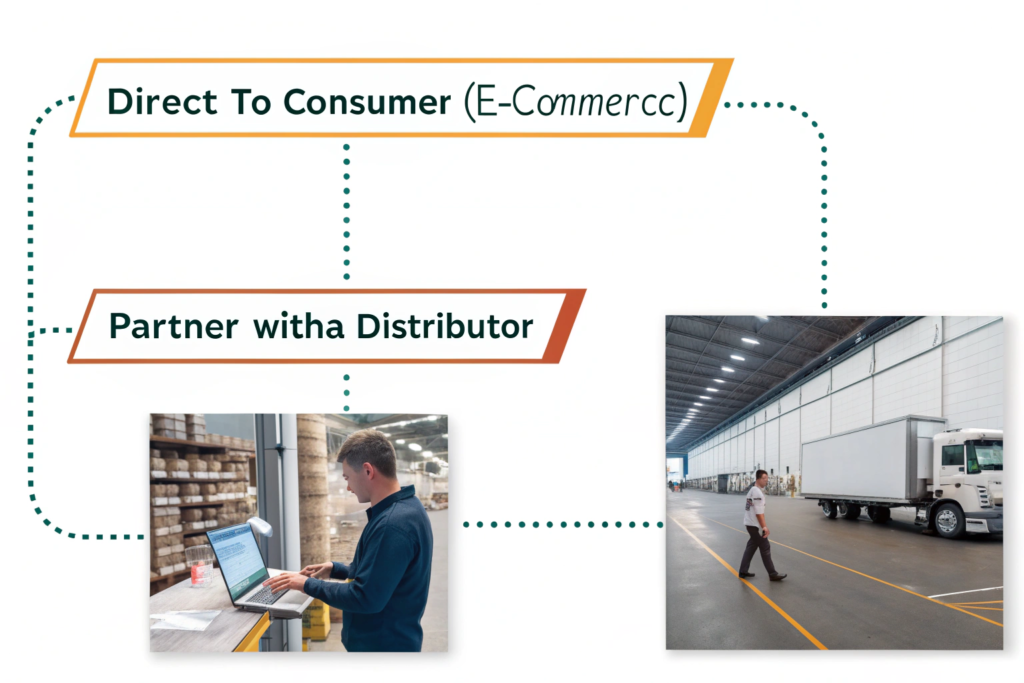
What are the pros and cons of using a distributor?
- Pros: They have an existing network of customers (cafes, retailers), they understand the local market, and they handle the warehousing and logistics within the country. This is often the fastest and most capital-efficient way to enter a new market.
- Cons: They take a significant cut of the profit margin. You have less control over how your brand is presented. Finding and vetting a good, trustworthy distributor is a major challenge in itself.
When does selling direct (D2C) make sense?
Selling directly to consumers in a new country via your own website is incredibly complex. You have to deal with international shipping for small orders, customs duties for each package, and digital marketing in a new language. This model typically only works for high-end, premium products where customers are willing to pay a significant premium for shipping and exclusivity.
How Do You Launch and Grow Your Presence?
You've landed your first pallet of coffee in the new market. The work has just begun. A successful launch requires a coordinated marketing push to build awareness and drive those crucial first sales.
Don't you just need a good product to sell itself? That's a myth. You need to invest in a targeted launch strategy that builds brand awareness and credibility within the local community. This involves a mix of digital marketing, public relations with local food media, and on-the-ground activations like tasting events.
You can't just run the same ads you run at home. You need to build trust from the ground up. Partnering with a local marketing or PR agency can be invaluable. They understand the local media landscape and can connect you with the right influencers and journalists who are respected by your target audience.

What are effective launch tactics?
- Collaborate with Local Influencers: Find local food bloggers, Instagrammers, or YouTubers who are genuinely respected for their taste. Send them a beautifully curated PR package and invite them to share their honest opinion.
- In-Store Demos and Tastings: If you're selling through retailers or cafes, be present. Run tasting events. Let people try your coffee. There is no substitute for getting your product directly into people's mouths.
- Targeted Digital Ads: Use social media platforms to run ads targeted specifically at coffee lovers in your new city or region. Use language and imagery that is culturally relevant.
How do you measure success and adapt?
Define your Key Performance Indicators (KPIs) before you launch. This could be sales volume, number of new wholesale accounts, website traffic from the new region, or social media engagement. Track these metrics closely. Be prepared to be patient—building a brand in a new market takes time. Listen to the feedback you receive and be willing to continue adapting your strategy based on what the market tells you.
Conclusion
Expanding your coffee business into new markets is a marathon, not a sprint. It's a complex, challenging, and deeply rewarding journey that can propel your brand to new heights. By approaching it with a disciplined strategy—grounded in research, adaptation, careful planning, and a culturally-sensitive launch—you can mitigate the risks and dramatically increase your chances of success. It's the ultimate test of a business's maturity and a testament to the universal love of a great cup of coffee.
As a global supplier, we at Shanghai Fumao have been a key partner for many brands on their expansion journey. We provide not only consistent, high-quality coffee but also the logistical support and market insights needed to navigate new territories. If you're planning your next big move, we're here to help ensure your supply chain is the strongest part of your strategy. Contact our coffee specialist at cathy@beanofcoffee.com to discuss your global ambitions.