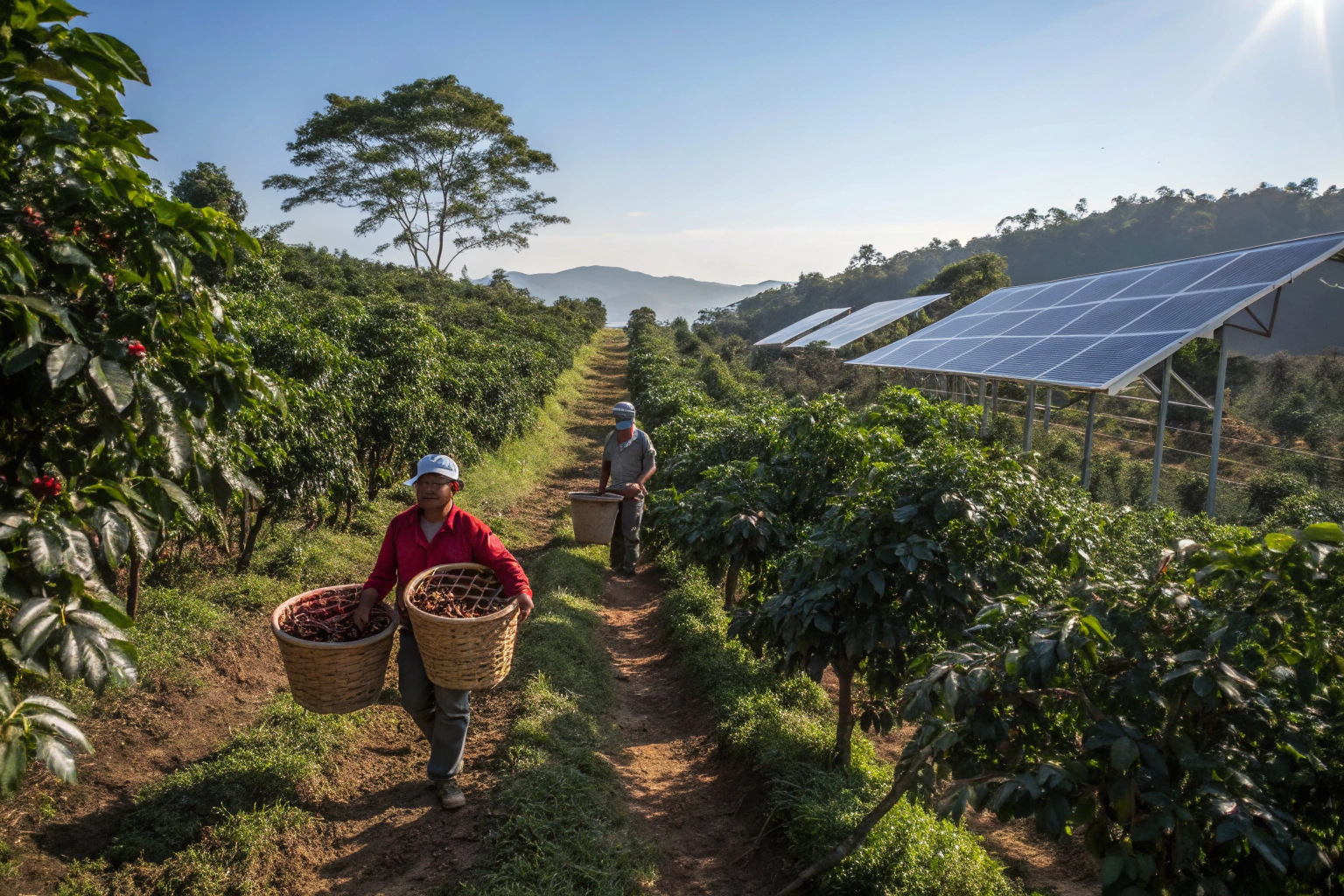
I remember sitting with a buyer from Germany at a trade show in Shanghai. He asked me a question that stopped me. "Cathy, is your coffee carbon neutral?" I did not have a good answer. I knew we did things right. We used natural processing. We planted trees. But I had never measured our carbon footprint. That conversation pushed me to change. Now, after two years of work, we track our emissions. We reduce what we can. We offset the rest. And I want to help you find suppliers who do the same.
To find coffee suppliers with carbon neutral options, look for third-party certifications like Climate Neutral Certified, Carbon Trust, or Gold Standard. Ask for their carbon accounting reports. Check if they use renewable energy on their farms. See if they invest in reforestation or community projects. Also, look for suppliers who are transparent about their shipping emissions and offer ocean freight carbon offset programs.
I have learned a lot on this journey. Let me share what works and what does not. I will help you separate real action from green marketing.
What Certifications Prove a Supplier Is Carbon Neutral?
Certifications are not perfect. But they are a good starting point. They show that a supplier has gone through an audit. They are not just making claims on their website.
The most trusted carbon neutral certifications are Climate Neutral Certified, Carbon Trust Standard for Carbon, and Gold Standard. These organizations require suppliers to measure their emissions across scope 1, 2, and 3. They also require a reduction plan. Offsetting comes last. A good certification proves the supplier is serious, not just buying cheap offsets.
I looked into getting certified for BeanofCoffee. The process was hard. That is why I trust it. It took us six months to measure our emissions from our farms, our processing, and our shipping.
How Do You Verify a Certification?
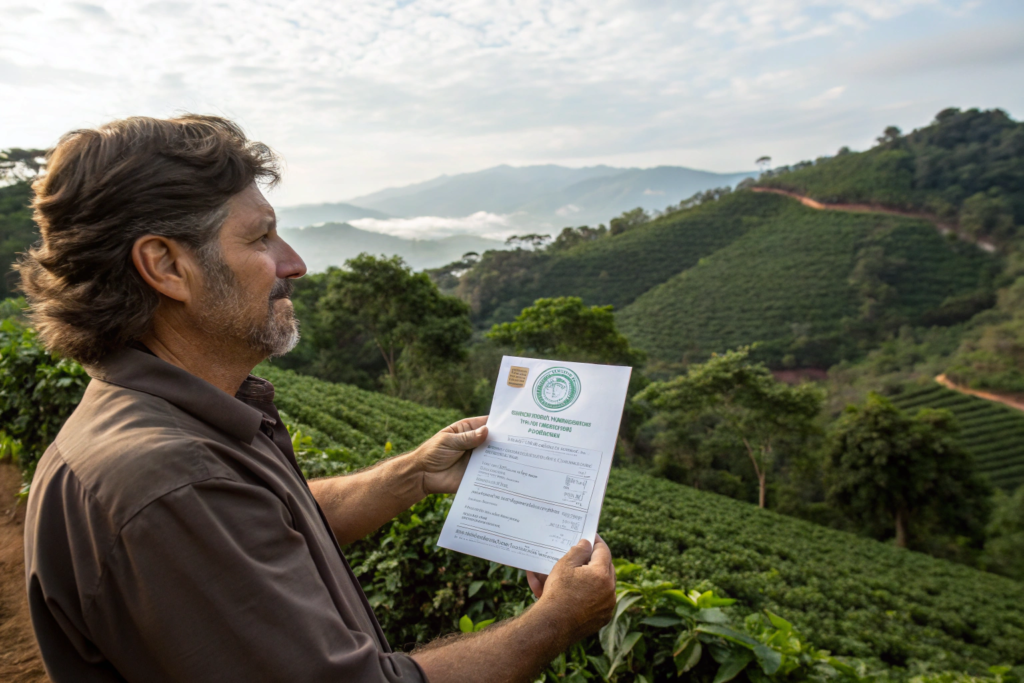
Do not just trust the logo. Go to the certifier's website. Search for the supplier's name. Climate Neutral Certified has a public directory. So does Gold Standard.
If the supplier is not listed, ask why. Sometimes the certification is pending. That is fine. But be careful. We are working on our Climate Neutral Certification now. I can show you our progress report if you ask.
What About Organic or Rainforest Alliance?
These are not carbon neutral certifications. But they are related. Organic farming uses less synthetic fertilizer. That reduces emissions. Rainforest Alliance has climate modules. So these certifications are good signs. But they are not proof of carbon neutrality.
A supplier with organic and a carbon certification is a strong choice. We offer certified coffee options for buyers who need specific standards. Just tell us what you need.
How Do You Ask Suppliers the Right Questions?
Certifications help. But not every supplier has them. Especially smaller farms in origin countries. So you need to ask good questions. I will give you the exact questions I would ask if I were a buyer.
Ask these five questions: 1) Do you measure your carbon footprint? If yes, ask for the report. 2) What scopes do you cover? (Scope 1: direct emissions. Scope 2: electricity. Scope 3: supply chain and shipping.) 3) What have you done to reduce emissions before offsetting? 4) What offsets do you buy? Look for Gold Standard or Verra. 5) Do you include shipping emissions? Many suppliers ignore ocean freight. That is a big hole.
I had a buyer from Australia ask me these questions last year. I was impressed. She knew more about carbon accounting than I did at the time. Now I use her questions when I evaluate our own progress.
What Is a Good Offset Project?
Not all offsets are equal. Some are junk. Others are real. Look for projects certified by Gold Standard or Verra. These have strict rules. Good examples: reforestation projects, community solar installations, or methane capture from farms. Avoid cheap offsets from tree planting schemes with no follow-up. Trees get planted. Then they die. That is not real removal.
We invest in verified carbon offset projects in Yunnan. We plant native trees on our own land. We can show you the GPS coordinates.
How Do You Handle Shipping Emissions?
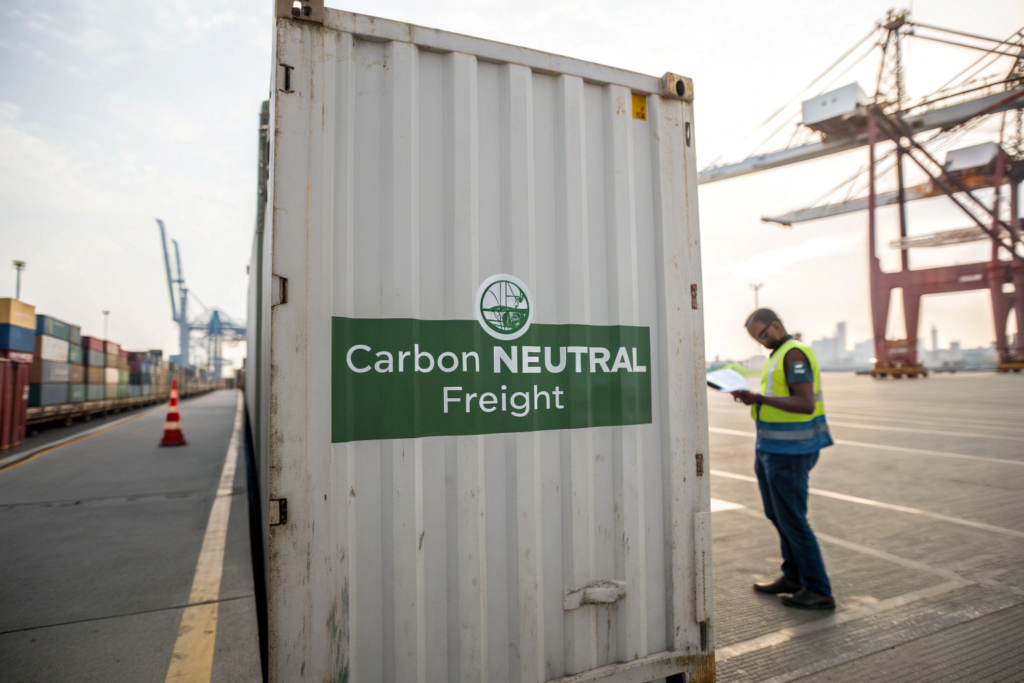
This is the hardest part for most buyers. One option: ask the supplier to offset the freight. We do this for some clients. We calculate the container's emissions. Then we buy offsets.
Another option: use a freight forwarder with a green program. Some forwarders offer carbon-neutral shipping for an extra fee. We work with Shanghai Fumao to offer carbon-neutral shipping options. They help us calculate and offset the ocean freight.
What Farm Practices Reduce Carbon Footprint?
Offsetting is good. But reduction is better. The best suppliers reduce their emissions at the source. Let me tell you what that looks like on a coffee farm.
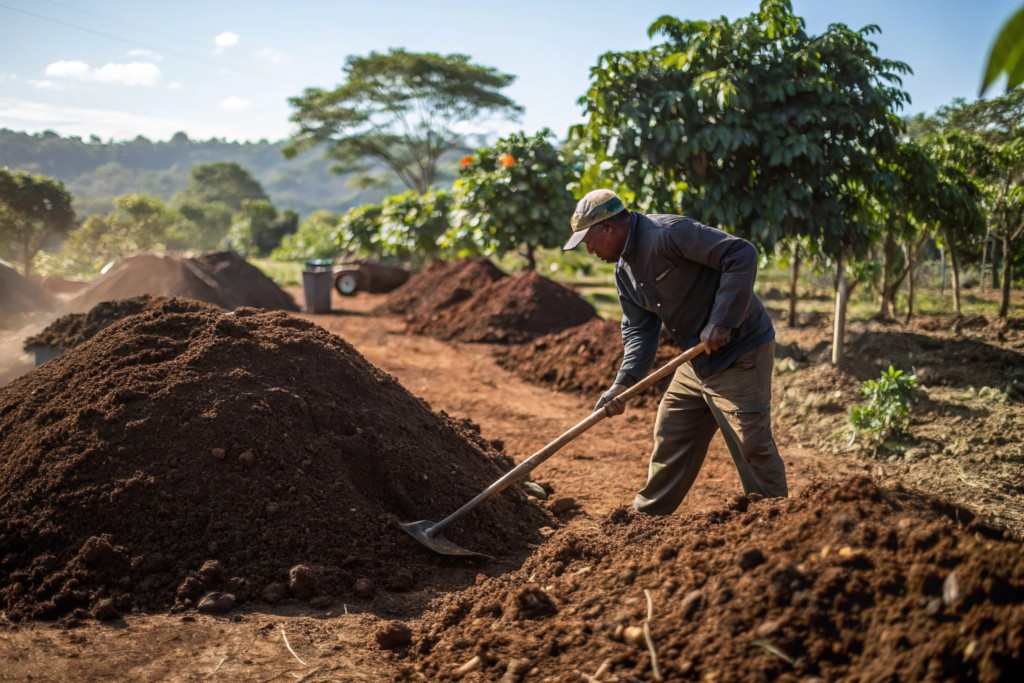
Farm practices that reduce carbon footprint include: shade-grown coffee, composting cherry pulp instead of sending it to a landfill, using renewable energy for processing, reducing synthetic fertilizer, and planting trees between coffee rows. These practices also improve coffee quality. Shade slows down cherry ripening. That gives more sugar. Compost adds nutrients to the soil.
We use all of these on our farms in Baoshan. I did not start them for carbon reasons. I started them for quality. The carbon benefit came as a bonus.
How Does Shade-Grown Coffee Help?
Shade trees capture carbon. That is obvious. But they also cool the farm. Cooler temperatures mean slower growth. Slower growth means more flavor. The trees also drop leaves. Those leaves become compost. That reduces the need for fertilizer.
We grow our Arabica under native shade trees. The trees are over 50 years old. They store a lot of carbon.
What Is the Impact of Processing?
Wet processing uses water and energy. The cherry pulp needs to be managed. If you throw it in a pile, it releases methane. That is a strong greenhouse gas. We compost our pulp. We turn it into fertilizer. That reduces methane. It also cuts our fertilizer bill.
Dry processing uses less water. But it uses more space. The cherries dry in the sun. That is low carbon. We offer both methods. Our natural processed Catimor has a lower carbon footprint than our washed Arabica.
How Do You Compare Carbon Neutral Suppliers?
You have found two suppliers. Both say they are carbon neutral. How do you choose? Let me give you a simple framework. Compare carbon neutral suppliers on three things: the year they started measuring, the percentage of emissions they offset, and whether they include scope 3. Also compare the quality of their offsets. Avoid suppliers who only offset a small part of their footprint or who use very cheap, unverified offsets. Transparency is the best sign of a serious program.
I helped a buyer in New York compare three suppliers last month. One had a beautiful website but no data. One had a certification but no reduction plan. One had a full report. She chose the one with the report.
What Should a Good Carbon Report Include?
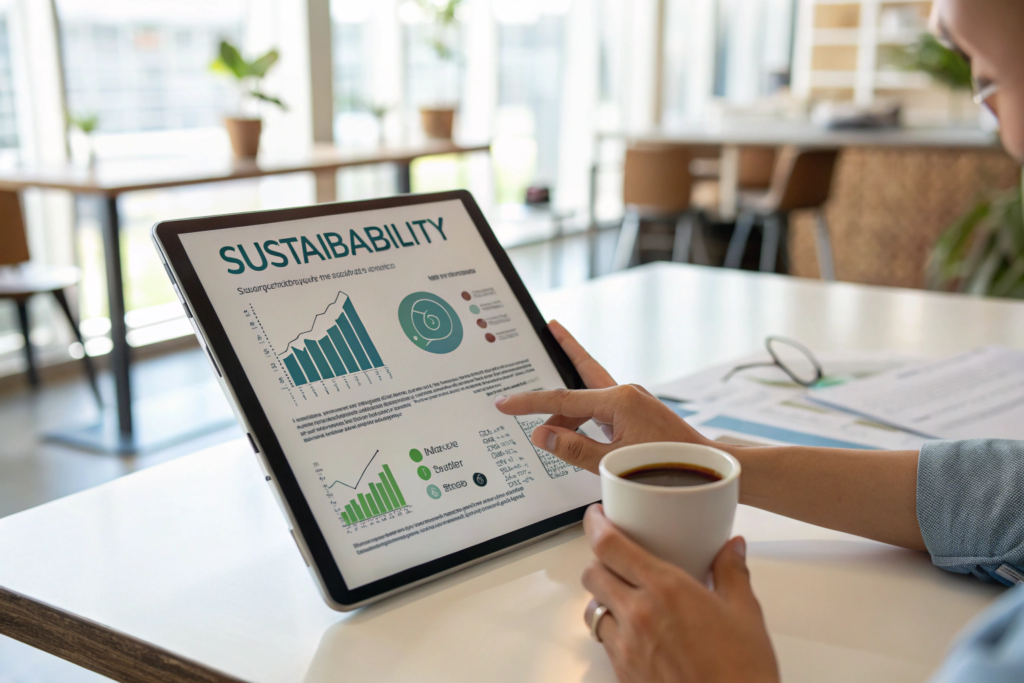
A good report lists emissions by source. It shows a baseline year. It shows reductions over time. It lists the offsets and where they were bought. If a supplier cannot produce this, they are not serious.
We publish our annual carbon report on our website. It is not perfect. But it is honest.
What Is Greenwashing?
Greenwashing is when a company looks green but is not. They use words like "eco-friendly" with no proof.
To spot greenwashing, look for vagueness. "We care about the planet" means nothing. "We reduced our emissions by 30% from 2020 to 2024" means something. Ask for numbers. If they cannot give numbers, walk away.
Conclusion
Finding coffee suppliers with carbon neutral options takes work. But it is worth it. You protect the climate. You meet customer demand. You build a better supply chain.
Start with certifications like Climate Neutral Certified. Ask the right questions. Look for scope 3 coverage. Check the offset quality. And pay attention to farm practices like shade-growing and composting.
At BeanofCoffee, we are on this journey. We measure our emissions. We reduce what we can. We offset the rest. We work with logistics partners like Shanghai Fumao to handle shipping emissions. And we are honest about where we stand. We are not perfect. But we are trying. And we want to work with buyers who care about the same things.
If you are looking for a carbon neutral coffee supplier, reach out. Let me share our data. Let me show you our farms. Contact Cathy Cai. My email is cathy@beanofcoffee.com. Tell me you care about carbon. I will send you our sustainability report.