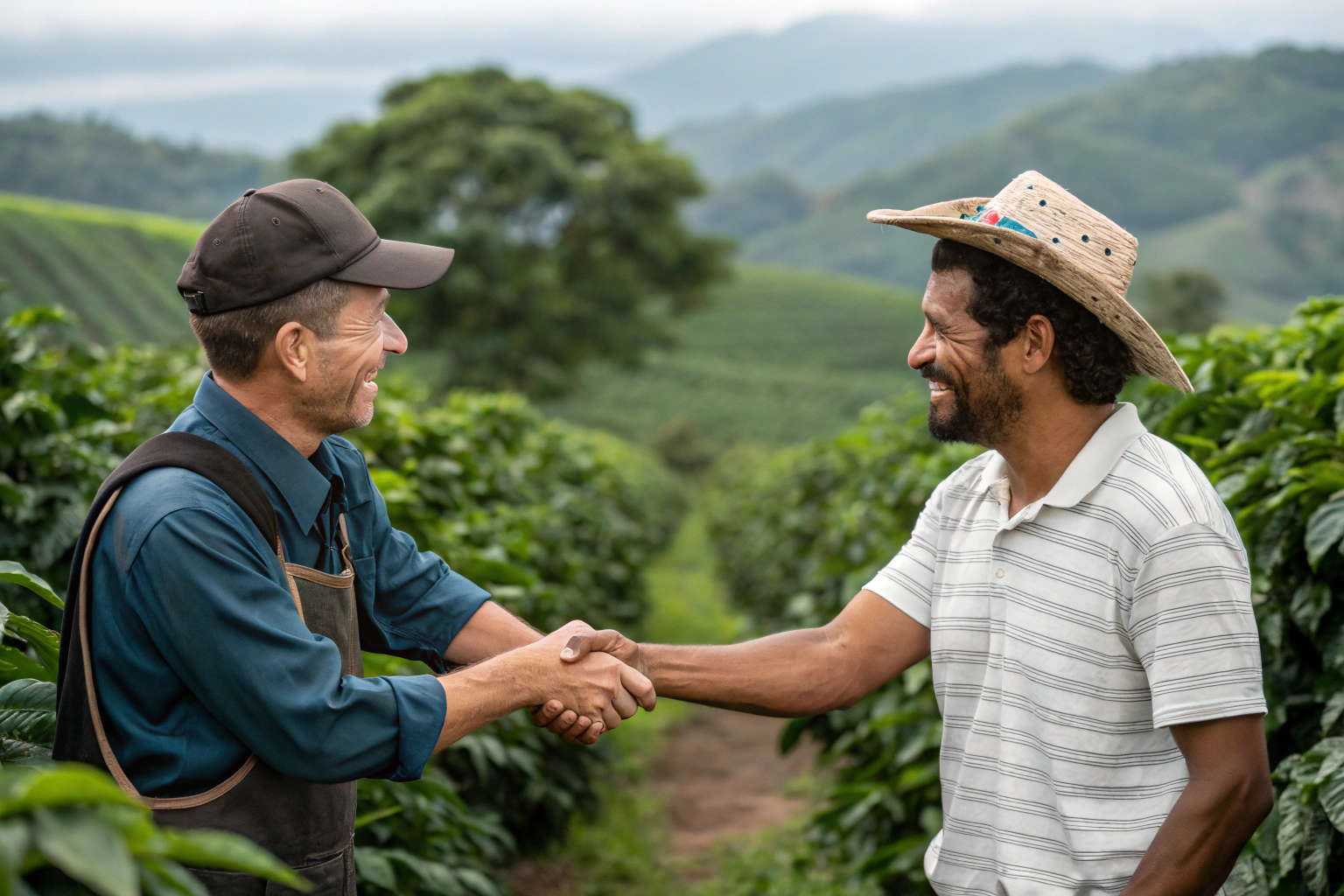
Are you a buyer like Ron, tired of navigating the murky, multi-layered traditional coffee supply chain? You're dealing with brokers, importers, and distributors, and with each layer, the price goes up while transparency goes down. It's a massive problem. You have no real connection to the coffee's origin, and you're worried about inconsistent quality, hidden markups, and the ethical implications of a system where the farmer often gets the smallest piece of the pie. You want to get closer to the source, but you don't know where to start looking.
The best way to find suppliers with direct trade options is to actively seek out producers, vertically integrated exporters, and specialized importers who champion transparency and shorter supply chains. This requires a shift in your sourcing strategy—moving away from traditional middlemen and towards platforms, events, and research methods that connect you directly with the people who grow the coffee. It's about intentionally looking for partners who are proud to show you where your coffee comes from.
As a coffee plantation owner in Yunnan, the concept of "direct trade" is the very essence of what we do. We are the source. We've seen the frustration of buyers who feel disconnected and want a more honest, efficient way to buy coffee. It’s not just about a better price; it's about building a real, sustainable partnership. In this article, I'll guide you through the practical strategies and platforms you can use to find these direct trade partners and build a supply chain you can be proud of.
Why Is the Traditional Supply Chain So Complicated?
You're looking at an invoice for green coffee, and you see line items for freight, import duties, and warehouse fees, but the biggest part of the cost is just the price of the bean itself, a price that has been marked up multiple times. You're probably wondering, "Where is all my money actually going?" The problem is the traditional coffee supply chain, which is notoriously long and opaque. You're worried that you're overpaying and that the quality is being compromised at each step.
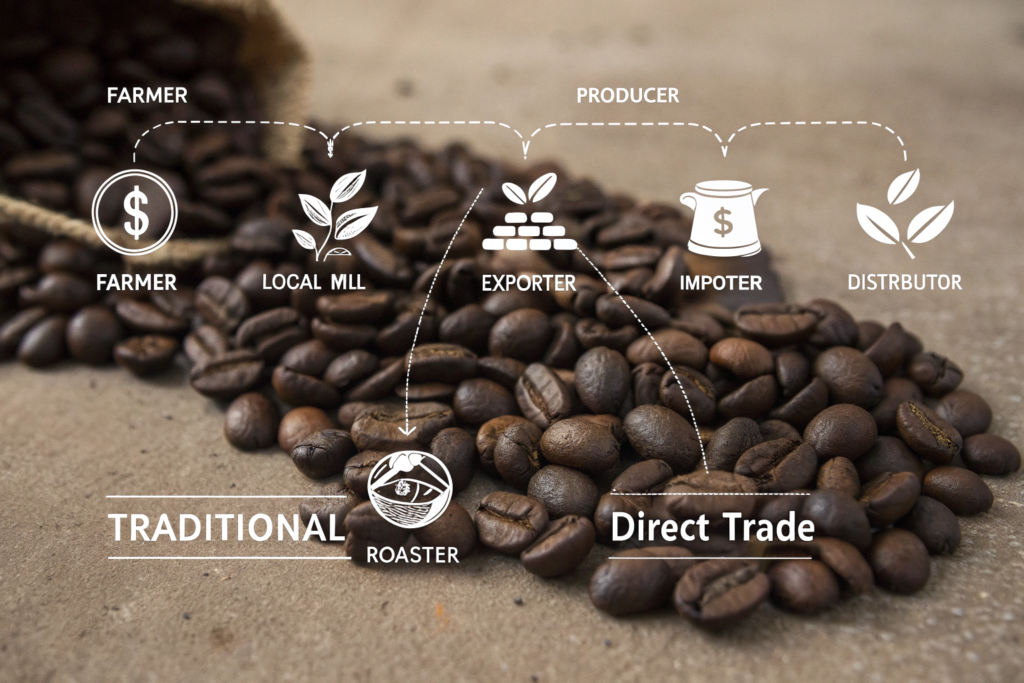
The traditional coffee journey is a long one. A bean might pass through the hands of a local collector, a washing station, a regional miller, an exporter in the origin country, an importer in the destination country, and finally a distributor before it ever reaches you, the roaster. Each of these middlemen provides a service—be it logistics, financing, or market access—and each takes a cut, adding to the final cost.
This multi-layered system creates two major problems. First, it inflates the price without necessarily adding to the quality of the bean. In fact, quality can degrade as the coffee sits in various warehouses along the way. Second, it severs the connection between you and the farmer. You have no visibility into the farming practices, the processing methods, or the price the farmer was actually paid. It's a system that often lacks transparency and accountability. Direct trade was born as a philosophy to fix this broken model.
Who are the main players in the traditional chain?
The chain can be complex, but the key players usually include:
- Producers/Farmers: The people who grow the coffee.
- Exporters: Companies in the origin country that buy from farmers, process the coffee, and handle the logistics of getting it to the port.
- Importers: Companies in the consuming country that buy large volumes from exporters, handle customs and ocean freight, and then sell to roasters.
- Brokers: Intermediaries who connect buyers and sellers without ever owning the coffee themselves.
Understanding these roles helps you see where costs and complexities are added.
What is a "commodity coffee"?
"Commodity coffee" refers to coffee that is traded on a massive scale, purely as a raw material, with its price determined by the global stock market (the "C" market). This is the coffee that flows through the most traditional, multi-layered supply chains. Its quality is standard, not exceptional, and its origin is often blended and untraceable. The direct trade movement was created as a direct alternative to this anonymous, price-driven commodity system, focusing instead on quality and relationships.
Where Can You Find Direct Trade Suppliers Online?
In today's digital world, you don't have to fly to the origin to find a direct trade partner. You're a savvy buyer who uses online tools, but you need to know where to look. The problem is that a simple Google search for "coffee supplier" will give you thousands of results, most of whom are traditional distributors. You're worried about wasting time sifting through irrelevant results.
To find direct trade options online, you need to use more specific search terms and look for specialized platforms that are designed to facilitate these connections.
- Use Specific Search Terms: Instead of "coffee supplier," search for phrases like "direct trade coffee roaster," "single origin coffee exporter [Country Name]," or "farm direct coffee." This will help you filter out the generic middlemen.
- Explore B2B Marketplaces: While large platforms like Alibaba can be a starting point, look for more specialized B2B coffee marketplaces. Websites like Algrano or Cropster Hub are explicitly designed to connect producers directly with roasters, providing detailed information about the farm, the coffee lots, and transparent pricing.
- Follow Producers on Social Media: Many progressive farms and vertically integrated exporters, like my company Shanghai Fumao, use platforms like Instagram and LinkedIn. We share photos of the harvest, details about our processing methods, and connect with buyers. Following hashtags like #directtradecoffee or #specialtycoffee can lead you to amazing producers.
- Read Coffee Publications: Online magazines and blogs like Perfect Daily Grind or Barista Magazine often feature stories about specific farms or producers. This can be a great way to discover new and interesting direct trade-focused suppliers.
Are online marketplaces reliable?
Yes, the specialized ones are generally very reliable. Platforms like Algrano build their entire business model on trust and transparency. They vet the producers on their platform and handle the complex logistics and financing, making it much safer and easier for a roaster to buy directly from a farm for the first time. They act as a facilitator for the direct trade relationship, not another middleman.
What should I look for on a supplier's website?
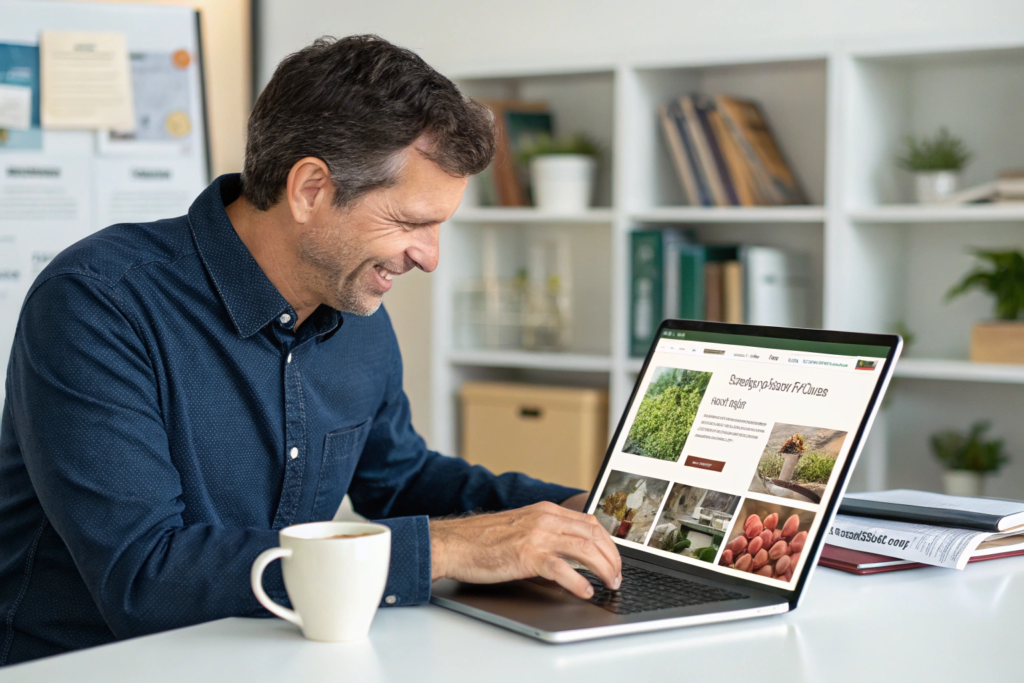
A supplier who is genuinely focused on direct trade will make it obvious on their website. Look for an "About Us" or "Our Farm" page with pictures and stories about their specific location and people. They will talk about their varietals, their processing methods, and their commitment to quality. If a website is vague about the origin or only shows generic pictures of coffee beans, they are likely just a traditional trader. Transparency is the hallmark of a direct trade partner.
How Can You Connect with Producers in Person?
While online tools are powerful, sometimes there's no substitute for a face-to-face conversation and tasting the coffee yourself. You're a relationship-driven buyer, and you want to look your supplier in the eye. The problem is that traveling to every coffee-growing region in the world is impossible. You need to find events where the producers come to you.
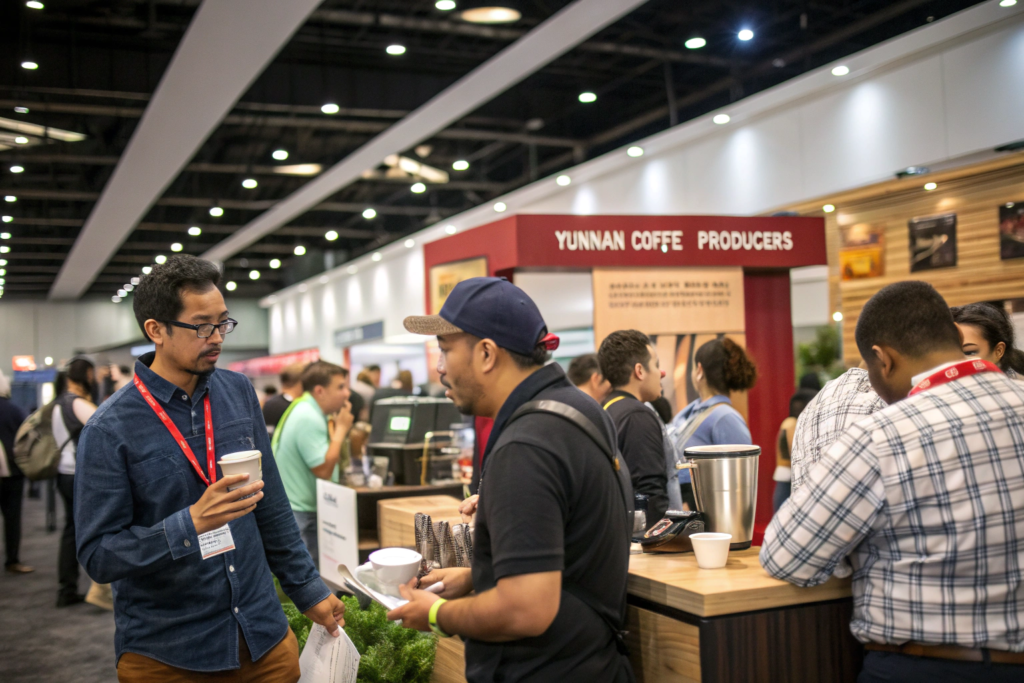
The single best way to meet direct trade suppliers in person is by attending major specialty coffee trade shows. Events like the Specialty Coffee Expo in North America, World of Coffee in Europe, or other regional expos are where producers, exporters, and cooperatives from around the world gather to showcase their beans.
When you attend these shows, make a plan.
- Look for "Origin" Pavilions: Many shows have pavilions dedicated to specific countries (e.g., a "Yunnan Coffee" or "Colombia Coffee" booth). This is where you'll find groups of farmers and direct-from-farm exporters.
- Attend "Cupping" Sessions: Cupping is the formal process of tasting and evaluating coffee. These sessions are where you can taste dozens of coffees side-by-side and talk directly to the person who produced it.
- Network: Don't just stay on the show floor. Attend the parties, the lectures, and the social events. The coffee industry is built on relationships, and many of the best connections are made over a beer after the show floor closes. These events are an invaluable opportunity for building your network.
What is the Specialty Coffee Expo?
The Specialty Coffee Expo, organized by the Specialty Coffee Association (SCA), is the largest specialty coffee trade show in North America. It brings together thousands of professionals from every part of the coffee industry, from farmers to baristas. It's a one-stop-shop for sourcing beans, discovering new equipment, and learning about the latest trends. For a serious buyer, it's an essential annual event.
Can I visit the farm?
Yes! Once you've established a relationship with a direct trade supplier, visiting the farm is the ultimate step. Many producers, including us at Shanghai Fumao, welcome our partners to visit our plantations in Yunnan. An origin trip allows you to see the entire process, deepen your relationship with the producer, and gain a profound understanding of the coffee you buy. It creates a powerful story that you can share with your customers.
Conclusion
Finding a coffee supplier with direct trade options is about making a conscious choice to pursue a more transparent, equitable, and high-quality supply chain. It requires a proactive approach—using specific search terms online, exploring modern B2B marketplaces, and attending industry trade shows to meet producers face-to-face. It's a shift from passively accepting what a distributor offers to actively seeking out the source.
The journey to building a direct trade relationship may require more initial effort, but the rewards are immense. You gain access to unique, high-quality coffees, achieve greater cost transparency, and build powerful, lasting partnerships with the people who grow your beans. It allows you to build a brand with a story rooted in authenticity and a commitment to a better way of doing business.
If you are looking to build a direct, transparent, and reliable partnership with a coffee producer, we invite you to start a conversation with us. At BeanofCoffee, we are the source. We proudly offer our premium Arabica, Catimor, and Robusta beans directly from our family of farms in Yunnan, China. Please reach out to my colleague, Cathy Cai, at cathy@beanofcoffee.com to learn how we can become your trusted direct trade partner.