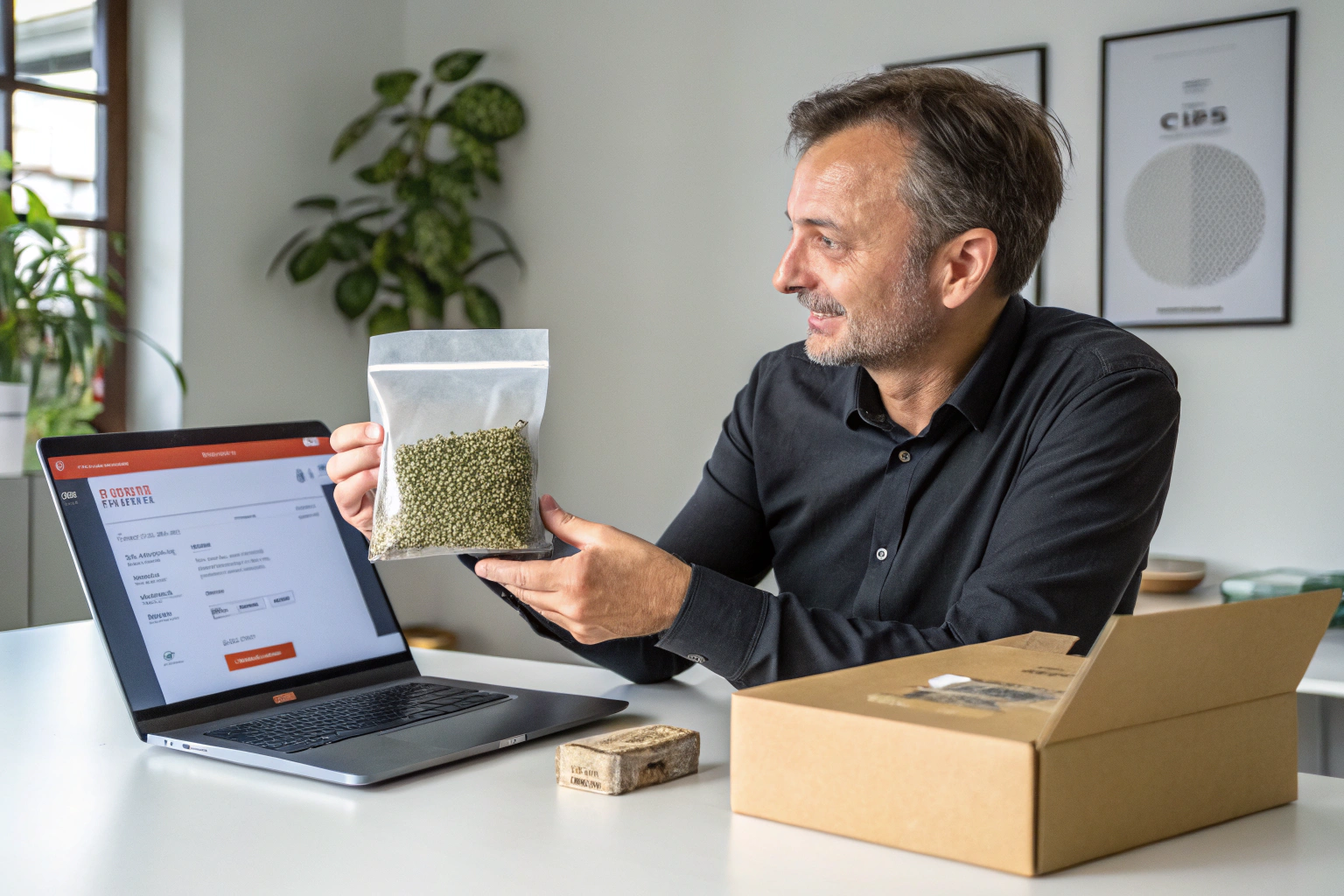
I remember my first order. Not as a seller—as a buyer. Back in 2008, I was trading small lots of Indonesian coffee. Every supplier I found wanted a 20-foot container minimum. That was 19 metric tons. I did not need 19 tons. I needed 5 bags. Nobody would talk to me. Honestly, it made me angry. How was a small roaster supposed to start? How was a bakery testing coffee supposed to sample without committing to a full container? So, when I started BeanofCoffee, I made one rule: we accept orders as low as one 60kg bag. Not because it is profitable—it is barely profitable. But because I remember being that buyer.
So, how do you find coffee suppliers with low minimum orders without getting scammed? You look for three signals: flexible MOQs advertised openly on their website or B2B storefront, willingness to send pre-shipment samples via courier, and verifiable third-party certifications attached to small-lot orders. Avoid suppliers who demand 100% payment upfront for sample orders. Avoid those who refuse to name their washing station or cooperative. And always—always—verify their export license through China Customs or your local trade office.
But let me be direct with you. "Low MOQ" is a red flag to some buyers. They assume low minimum means low quality. That is not true. It means the supplier has invested in flexible logistics. It means they have relationships with consolidators. It means they are willing to earn your trust slowly. At BeanofCoffee, we ship small lots through Shanghai Fumao's consolidation program. We combine your 5 bags with other small orders into one container. You pay for your space, not the whole container. This is how you scale up without overpaying. So, let me walk you through the exact steps I teach my own clients.
What Is a Realistic Minimum Order Quantity for Green Coffee?
Here is the honest truth. A "low" MOQ means different things to different suppliers. To a multinational exporter, low is 19 metric tons. To a mid-size estate, low is 5 tons. To us at BeanofCoffee, low is 60 kilograms. One bag. But I am not the industry average. So, let me give you realistic benchmarks.
For green coffee beans shipped from origin, a realistic low MOQ is 60kg to 300kg (1 to 5 bags) if the supplier works with a consolidator. For roasted and packaged coffee, realistic MOQs range from 500 to 2,000 units depending on packaging complexity. For private label, expect 1,000 to 3,000 bags minimum. Any supplier offering less than 60kg of green coffee is likely a reseller, not a direct exporter.
Can You Import Just One Bag of Coffee Beans?
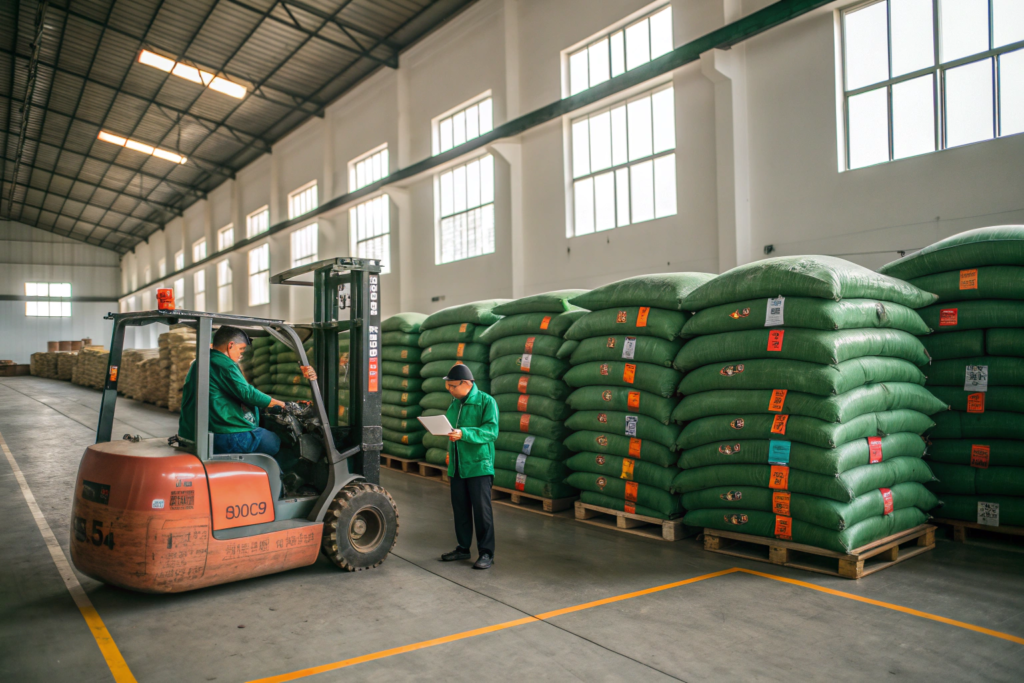
Yes. We do it every week. But you need the right freight strategy. Air freight is expensive—roughly $4 to $6 per kilogram to the US West Coast. Sea freight is cheap but requires consolidation. So, what do we do? We hold small orders at our warehouse in Baoshan until we have 10 to 15 small buyers. Then we consolidate through Shanghai Fumao's LCL service. You pay for 0.5 CBM, not 20 CBM. Your freight cost drops from $3,000 to $150. Is it slower? Yes. You wait 2 to 3 weeks for consolidation. But you get your one bag. Here is the Flexport guide to LCL shipping. Also, check the USDA's guide to personal coffee imports—it applies to commercial samples too.
What Is the Difference Between Sample MOQ and Production MOQ?
This confuses many new buyers. Sample MOQ is for approval. Production MOQ is for fulfillment. A good supplier offers sample MOQ of 1kg to 10kg sent by DHL or FedEx. You pay the freight and a nominal product cost. Production MOQ is the minimum you must order to get the commercial price and sea freight terms. At BeanofCoffee, our sample MOQ is 5kg. Our production MOQ is 60kg. Some suppliers hide this distinction. They quote you a low MOQ but it is only for samples—then the real MOQ is 10 tons. Ask directly: "What is your production minimum after samples are approved?" If they dodge, walk away. Read this Sourcing Journal article on MOQ negotiation tactics. Also, this Alibaba guide to supplier MOQ verification is practical.
How Do You Verify a Low-MOQ Supplier Is Legitimate?
Low MOQ attracts scammers. I hate saying that because we are legitimate. But the math is simple: scammers offer low minimums because they have no inventory. They take your money, send nothing, disappear. So, how do you separate us from the frauds?
You verify low-MOQ suppliers by checking three documents: their business license matching the name on your contract, their export license issued by China Customs, and a third-party inspection report from a recent shipment—not from two years ago. You also demand a video call inside their warehouse. Not their office. The warehouse. If they refuse, stop negotiating.
What Red Flags Should You Watch for With Small-Order Suppliers?
I train our sales team to avoid these behaviors. But you should know them too. First red flag: no physical address on their website. Just a PO box. Second: they only communicate via WhatsApp or Signal, never email with a company domain. Third: they offer 1kg samples for free but charge $200 for shipping. That is not a sample—that is a profit center. Fourth: they cannot name their washing station or farm cooperative. We list our Baoshan coordinates on Google Maps. Anyone can verify. Fifth: they rush you. "Pay today, ship tomorrow." Real coffee takes time to condition, grade, and bag. Here is the International Coffee Organization's guide to verifying supplier credentials. Also, this Better Business Bureau alert on coffee sourcing scams is worth reading before you wire money.
Should You Use Alibaba's Trade Assurance for Small Orders?
Yes. Absolutely yes. Alibaba Trade Assurance is not perfect. I have seen claims disputes. But for small orders under $5,000, it is your best protection. The supplier puts funds in escrow. You release payment when you receive the goods. Does it cost us suppliers more? Yes, we pay 1% to 2% in fees. But we offer it because we want you to feel safe. If a supplier refuses Trade Assurance or insists on PayPal Friends & Family, that is a hard stop. We also accept letters of credit for larger orders, but for 60kg bags, L/C fees eat the profit. So, Trade Assurance or wire transfer with 30% deposit is the standard. Here is Alibaba's official Trade Assurance policy page. And here is a third-party review of Trade Assurance claim success rates.
Which Countries Offer the Best Low-MOQ Coffee Export Options?
Geography matters for small orders. Some origins are structured for large estates. Others have strong cooperative systems that aggregate small lots. I source from Yunnan because we own the land. But I also buy from other origins. Here is what I have learned.
China, Colombia, and Peru currently offer the best low-MOQ coffee export options for US and European buyers. China has strong consolidation networks through Shanghai and Guangzhou. Colombia has many small producer associations willing to ship 5-bag lots. Peru has aggressive export promotion programs for specialty microlots. Brazil and Vietnam, by contrast, are volume origins—their minimums are typically much higher.
Why Is China Becoming a Hub for Small-Order Coffee Buyers?
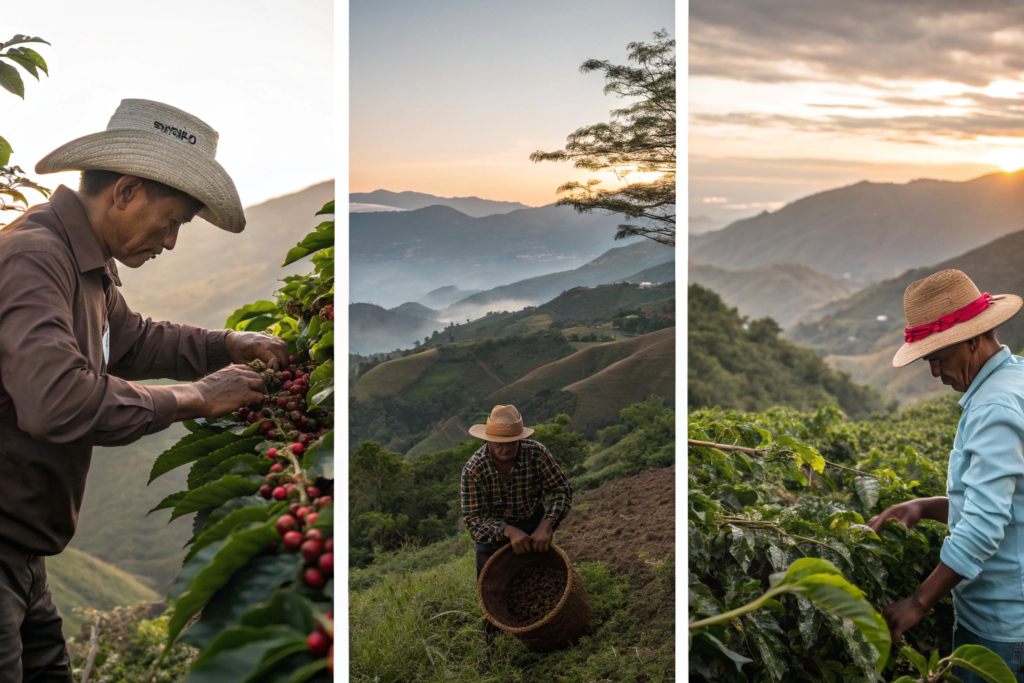
I am biased, but let me give you facts. China has the world's largest port infrastructure. We move small packages efficiently because we move everything efficiently. Also, Yunnan coffee farms are relatively small—average 2 to 5 acres per family. These farmers are accustomed to selling in small lots to domestic roasters. Exporting 60kg bags is a natural extension. Plus, the Chinese government offers export rebates that make small shipments viable. Our Catimor, for example, qualifies for a 9% VAT rebate. That rebate covers the extra paperwork cost of small orders. Here is the China Customs export rebate policy for agricultural products. Also, this SCA article on Yunnan's microlot potential explains the farm structure.
Can You Mix Origins to Meet a Higher MOQ?
Yes. This is a pro move. If a supplier requires 5 tons but you only want 2 tons of Yunnan and 3 tons of something else, ask if they can source the balance from another origin. Some suppliers, especially trading companies, can do this. We occasionally do this for clients who want a blend of our estate beans and beans from our partner network in Southeast Asia. It keeps your MOQ low while giving the supplier volume. You just pay a slight premium for the sourcing service. Here is the ITC's guide to multi-origin sourcing strategies. And here is a case study on blend sourcing from multiple origins.
How Do You Negotiate Lower MOQs Without Paying Higher Prices?
This is the skill that separates successful importers from frustrated ones. You can ask for a lower MOQ. But you must offer something in return. Suppliers are not charities. We have fixed costs per shipment: documentation, fumigation, palletizing, customs clearance. If you want a smaller piece of the pie, you must help cover the baking cost.
To negotiate lower MOQs, offer a higher per-unit price, faster payment terms (100% L/C at sight or T/T deposit), or a longer-term commitment spread across multiple small shipments. Do not ask for "low MOQ + lowest price + net 60 days." That combination is not sustainable for any legitimate exporter. Pick two of the three, and you will find flexibility.
What Is the "Sample First, Scale Later" Strategy?
This is how I advise every new buyer. Start with a 5kg to 10kg sample order via DHL. Cup the coffee. Approve the quality. Then place your first production order at the supplier's stated MOQ—even if it feels high. Prove you are serious. Then, after two or three successful containers, ask: "Can we do half-container loads now that we have trust?" Most suppliers will say yes. We do. Our first order with Shanghai Fumao was a full container. Now we ship partials weekly. Trust is earned. You cannot demand flexibility on day one. Here is the Harvard Business Review guide to supplier negotiation. Also, this Coffee Tech blog on building long-term supplier relationships outlines the sample-to-scale pathway.
Should You Work With a Sourcing Agent for Small Orders?
Maybe. A good sourcing agent aggregates demand across multiple small buyers. They place one large order with the exporter and split the container. You pay the agent a commission, usually 5% to 10%, but you avoid high MOQ barriers. The downside? You lose direct relationship with the producer. The agent controls the quality narrative. I have seen agents hide defects to protect their margin. So, if you use an agent, insist on visiting the farm or at least video-calling the producer directly. Here is the Specialty Coffee Association's registry of verified sourcing agents. And here is a warning from Global Coffee Report about agent conflicts of interest.
Conclusion
Finding coffee suppliers with low minimum orders is not about hunting for the cheapest option. It is about finding suppliers who have built the operational flexibility to serve small buyers without cutting corners.
I built BeanofCoffee specifically for buyers like Ron—the 44-year-old company owner who does not need 19 tons but refuses to accept low quality. We offer 60kg bags. We offer SGS reports on every shipment. We offer Trade Assurance. We offer consolidation through Shanghai Fumao. And we offer direct access to our farm coordinates.
Does it cost us more to operate this way? Yes. But we believe the future of coffee trade is not just massive contracts. It is also the roaster in Ohio who needs one bag to test a new blend. It is the bakery in London launching a coffee program. It is the distributor in Sydney adding a Yunnan single-origin to their catalog.
If you need a supplier who respects small orders and big dreams, email Cathy Cai. She manages our low-MOQ program personally. She will send you samples, share our inspection reports, and help you consolidate freight. No pressure. Just coffee. Her address is: cathy@beanofcoffee.com.