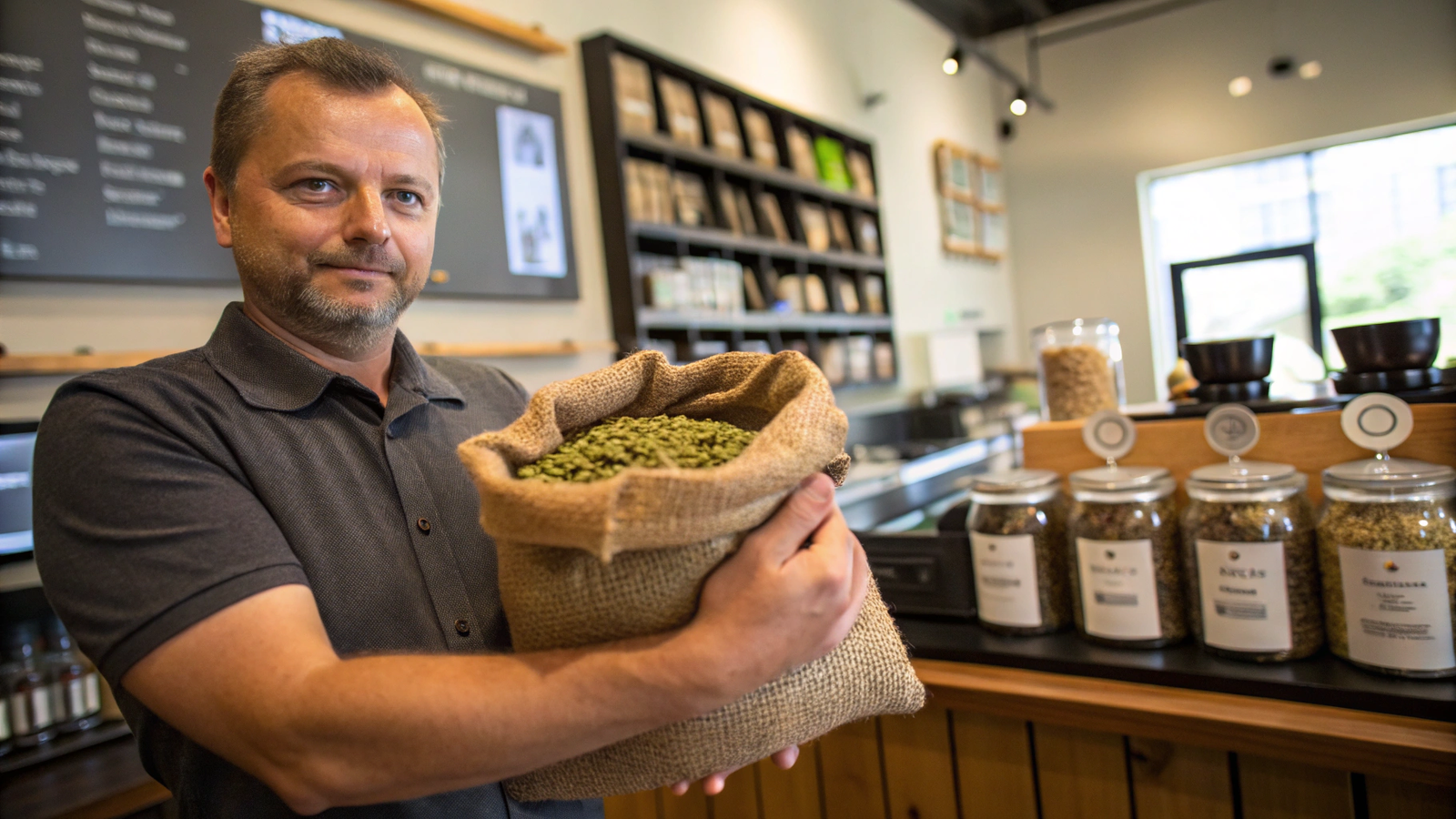
You are not Starbucks. You don’t need a full container. You need 500 kg or maybe one pallet. But most suppliers say “no.” They want big orders. Minimums are high. And honestly? I was that supplier once. I only wanted large buyers. Then I met a small roaster from Portland. He changed my mind. Now I see the value of small batch buyers. Let me tell you why most suppliers say no—and how you can find the ones who say yes.
Most large coffee exporters avoid small batches because the paperwork is the same. A 500 kg order needs the same phytosanitary certificate, bill of lading, and export declaration as a 20,000 kg order. But the profit is much lower. So they say no. But some suppliers—like us—have built a system for small batches. We group small orders into one container. Then we split them at our Shanghai Fumao warehouse. This way, you get small volumes at fair prices.
So, where do you start? And what should you look for? I will walk you through four key areas. First, why small batch buyers struggle. Second, where to find suppliers online. Third, how to test them. And fourth, the hidden costs you need to know. Let’s get into it.
Why Do Small Batch Coffee Buyers Struggle to Find Suppliers?
You are not Starbucks. You don’t need a full container. You need 500 kg or maybe one pallet. But most suppliers say “no.” They want big orders. Minimums are high. And honestly? I was that supplier once. I only wanted large buyers. Then I met a small roaster from Portland. He changed my mind. Now I see the value of small batch buyers. Let me tell you why most suppliers say no—and how you can find the ones who say yes.
Most large coffee exporters avoid small batches because the paperwork is the same. A 500 kg order needs the same phytosanitary certificate, bill of lading, and export declaration as a 20,000 kg order. But the profit is much lower. So they say no. But some suppliers—like us—have built a system for small batches. We group small orders into one container. Then we split them at our Shanghai Fumao warehouse. This way, you get small volumes at fair prices.
Another way to look at this is through the lens of logistics. A supplier who only sells full containers is not “bad.” They just have a different business model. But you need a partner who matches your scale. So, where do you find them? And what questions should you ask? Let’s break it down.
What minimum order quantities (MOQs) should you look for?
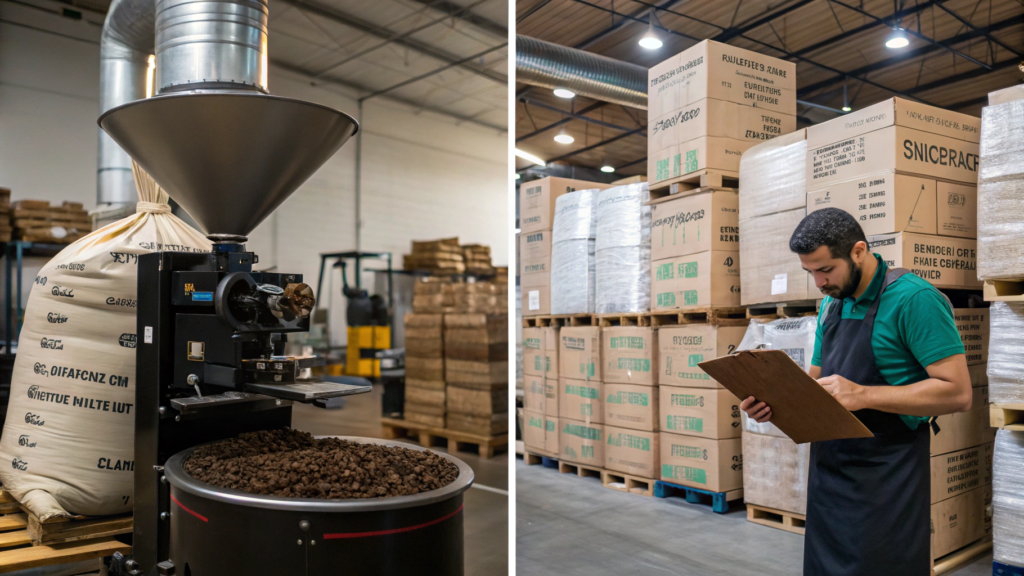
For green coffee beans, a good small batch MOQ is one pallet (about 500–700 kg). For roasted beans, look for 50–100 kg. For sample packs? As low as 5 kg. Here is a real example. One of our Australian buyers started with 200 kg per month. That was too small for most exporters. But we said yes. Two years later, he buys 2,000 kg per month. Small batch buyers often grow. Smart suppliers know this. So, when you search on Alibaba or Google, filter by “MOQ: 500 kg” or “small batch coffee.” Then message the supplier. Ask: “Can you do 500 kg FOB Shanghai?” Their answer tells you everything.
How to verify a supplier actually accepts small orders?
Many suppliers list low MOQs on their website. But when you contact them, they change the number. So, here is a simple test. Send this exact message: “I need 500 kg of green Arabica, FOB Shanghai, payment by letter of credit. Can you do it?” A real small batch supplier will say yes—or offer a solution. A fake one will say “minimum 5 containers” or ignore you. Also, check their shipping partners. Suppliers who work with Shanghai Fumao for consolidation are usually serious about small batches. We use this method for over 30 small buyers in the US and Europe.
Where Can You Find Reliable Small Batch Coffee Suppliers Online?
You searched Google. You tried Alibaba. You even looked on Facebook. But every supplier looks the same. Big photos. Big claims. But no proof of small batch experience. I’ve been selling coffee for over a decade. I know where the real small batch suppliers hide. Let me show you the best places to look—and the red flags to avoid.
The best online sources for small batch coffee suppliers are Alibaba (with “ready to ship” filter), specialty coffee B2B platforms like CoffeeDirectory.com, and LinkedIn company pages. On Alibaba, look for suppliers with “small order” badges and transaction history under 5,000 kg. On LinkedIn, search “small batch coffee exporter China” and check their posts. Real suppliers post photos of small pallets and split containers.
So, what does this mean for your search? It means you need to dig deeper than the first page of Google. Let me give you specific strategies for each platform. And I’ll share a trick that most buyers don’t know.
How to use Alibaba’s filters for small batch sourcing?
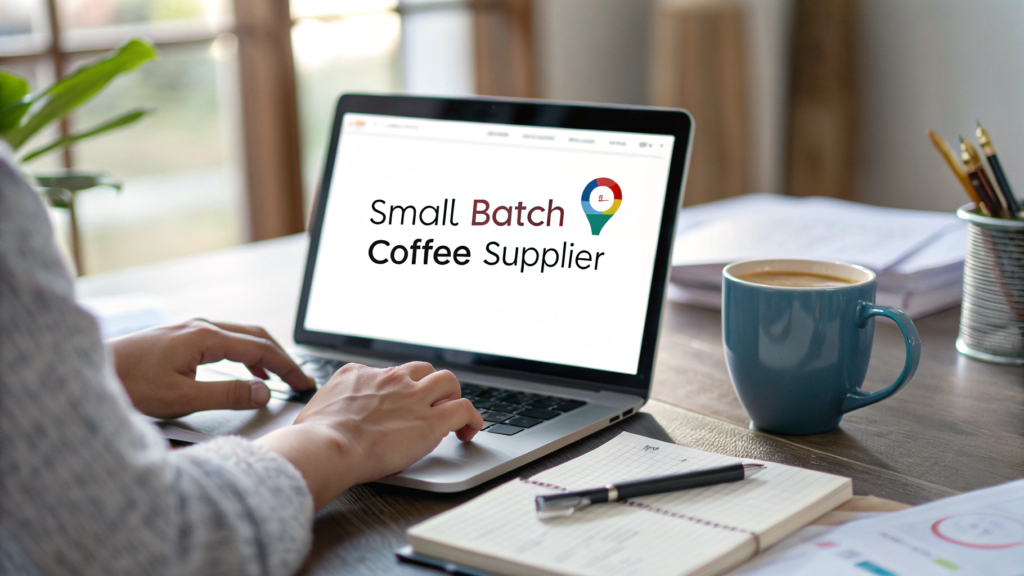
Most buyers just type “coffee beans” and click search. That gives you 10,000 results. Too many. Instead, do this. First, select “Green coffee beans” or “Roasted coffee beans.” Second, under “Order,” click “Ready to Ship.” Third, set “MOQ” to “Below 1000 kg.” Fourth, check “Trade Assurance.” Now you have a short list. Next, look at the supplier’s transaction history. If they have many orders under 1,000 kg, that’s a good sign. Also, send a message. Ask for photos of their last small batch shipment. A real supplier will have them. We send these photos to our Alibaba clients all the time. One more tip: avoid suppliers who only show big warehouse photos. Ask for a photo of the actual small batch you will receive.
What questions to ask on LinkedIn and Facebook?
LinkedIn and Facebook groups are goldmines. Join groups like “Coffee Importers & Exporters” or “Specialty Coffee Buyers Network.” Then, do not post “ISO coffee supplier.” That attracts spam. Instead, search within the group for “small batch” or “low MOQ.” See who replies. Then message them privately. Ask these three questions. First, “What is your smallest export quantity to the US?” Second, “Can you provide a sample before I order?” Third, “Do you consolidate small orders with other buyers?” A good supplier will answer clearly. A bad one will say “call me” or give vague answers. Also, check their profile. Do they post photos of their farm or warehouse? Real suppliers show their coffee plantation. Fake ones only post stock photos.
How to Test a Small Batch Supplier Before Committing?
You found a supplier. They say yes to small batches. But how do you know they are reliable? You don’t want to lose money on bad coffee. I don’t blame you. I’ve seen buyers send $5,000 for a sample order. Then the coffee never arrives. Or it arrives with bugs. So, here is my three-step test. Use it every time.
Test a small batch supplier with three steps: (1) order a sample pack (2–5 kg), (2) request a video call to see your actual batch being packed, and (3) ask for references from two other small batch buyers. A real supplier will do all three without hesitation. A fake one will make excuses.
Another way to look at this is as an investment. Spending $100 on samples and calls can save you $5,000 on a bad order. Let me walk you through each step. And I’ll give you specific things to look for.
What should a sample pack include?
A good sample pack is not just beans. It includes: (a) 250g of green coffee (so you can roast it yourself), (b) 250g of roasted coffee (so you can taste their roast profile), (c) a moisture report, and (d) a photo of the exact lot the sample came from. Why the photo? Because some suppliers send a great sample, then send you different beans. The photo proves the lot number. We include a QR code linked to our plantation with every sample. Also, check the packaging. Is it sealed properly? Does it have a label? If the sample comes in a plain bag with no info, that’s a red flag. A professional supplier treats samples like real orders.
How to conduct a video call inspection?
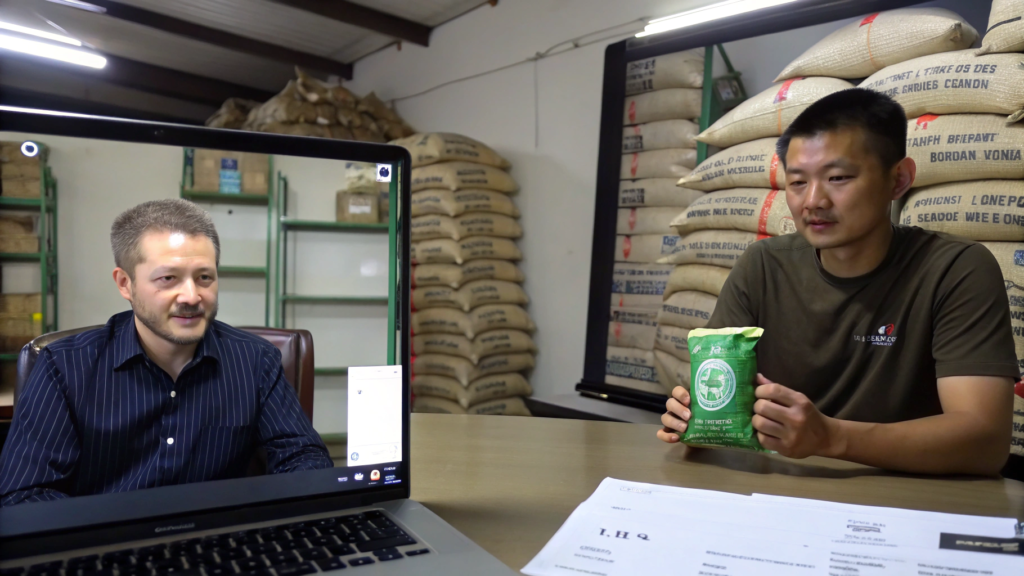
A video call is not just “hi, nice to meet you.” It is an inspection. Here is your checklist. First, ask to see the warehouse floor. Look for cleanliness. Second, ask to see your sample lot. They should walk to a specific pallet or bag. Third, ask them to show you the moisture meter reading on a random bean. Fourth, ask to see the packing process for a small batch. Are they using clean bags? Are they sealing them correctly? I do these calls every week with small buyers. It takes 15 minutes. And it builds trust. One buyer from Canada told me, “Seeing my 500 kg on the pallet made me feel safe.” That’s the goal. If a supplier refuses a video call, move on.
What Are the Hidden Costs of Small Batch Coffee Orders?
You found a supplier. The price per kg looks good. You place a small order. Then the invoice comes. And it’s 40% higher. What happened? Hidden costs. I’ve seen this happen too many times. Buyers blame the supplier. But sometimes, the buyer just didn’t ask the right questions. Let me show you the four hidden costs. And how to avoid them.
The four hidden costs of small batch coffee are: (1) LCL (less than container load) freight fees, (2) documentation fees per order, (3) small batch packaging surcharges, and (4) inland trucking to port. A full container might cost $3,000 to ship. A small batch LCL might cost $1,200 for just 500 kg. That’s much higher per kg. So, always ask for “all-in landed cost” not just FOB price.
So, what does this mean for your budget? It means a $4.00/kg FOB bean can become $6.50/kg landed for a small batch. But a $3.80/kg FOB bean in a full container might land at $4.50/kg. The math changes. Let me break down each cost and give you exact questions to ask.
How does LCL shipping affect your per-kg cost?
LCL means your coffee shares a container with other products. You pay for the space you use (per cubic meter). But here is the catch. You also pay terminal handling fees, documentation fees, and customs clearance fees. These fees are almost the same for LCL and FCL. But for LCL, you spread them over fewer kg. Example: a $200 documentation fee on a 20,000 kg container is $0.01/kg. On a 500 kg order, it is $0.40/kg. That’s 40 times higher. So, ask your supplier: “Can you consolidate my order with other small buyers?” Some suppliers, like us, do this at Shanghai Fumao warehouse. We combine 5-6 small orders into one container. Then we split it in the destination port. Your per-kg shipping cost drops by 30-40%.
What packaging costs more for small batches?
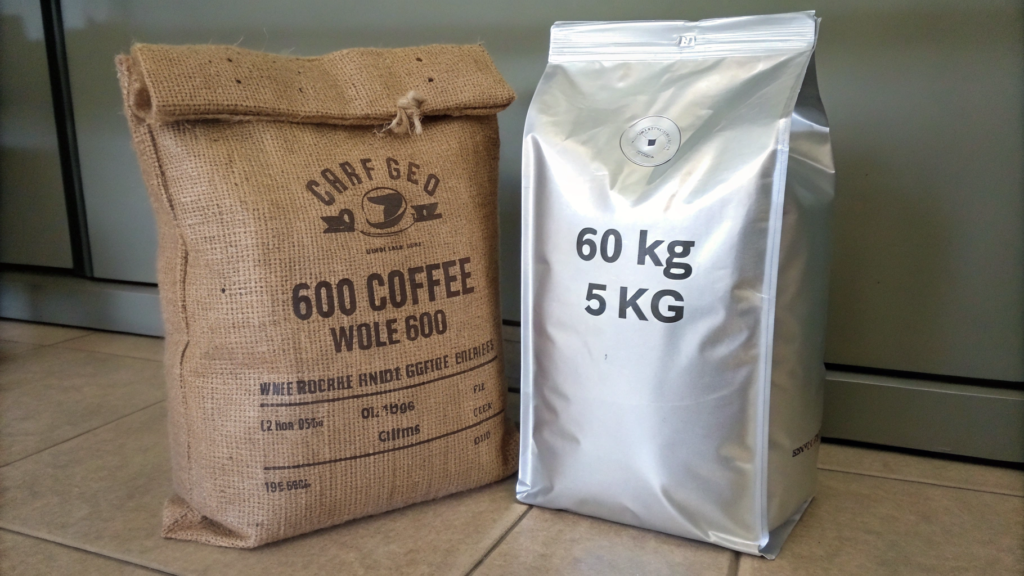
Most exporters pack in 60-70 kg jute or grain-pro bags. That’s fine. But if you want small bags (like 5 kg, 10 kg, or 20 kg), the cost goes up. Why? Because someone has to repack. And the bag itself costs more. For example, a 60 kg jute bag costs about $1.50. That’s $0.025/kg. A 5 kg foil bag with a valve costs $0.80 each. That’s $0.16/kg—six times higher. Also, small bags take more warehouse space. So, some suppliers add a “small batch handling fee” of $50-$100. Always ask: “What is your standard packaging? And what is the surcharge for custom small bags?” A transparent supplier will give you a clear price list. A hidden-cost supplier will say “don’t worry, it’s cheap.” That’s a trap.
Conclusion
Finding a coffee supplier for small batches is not easy. Most exporters want big orders. The paperwork is the same. The profit is lower. But small batch buyers are important. You are the future of specialty coffee. And there are suppliers—like us—who want to grow with you.
So, here is your action plan. First, search on Alibaba with low MOQ filters. Second, join LinkedIn coffee groups and ask specific questions. Third, test every supplier with samples, video calls, and references. Fourth, watch out for hidden LCL and packaging costs. And fifth, build a relationship with one or two reliable suppliers.
We built our business around small batches. We own our farms in Yunnan. We control quality. And we work with Shanghai Fumao to consolidate small orders into full containers. You get fair prices. You get safe, reliable coffee. And you get a partner who answers your calls.
Ready to try a small batch? Start with a sample. Contact our export manager, Cathy Cai, at cathy@beanofcoffee.com. Tell her your target volume—even 100 kg is fine. Tell her your roast preference. She will send you pricing and a sample within 24 hours. Let’s grow your business together. One small batch at a time.