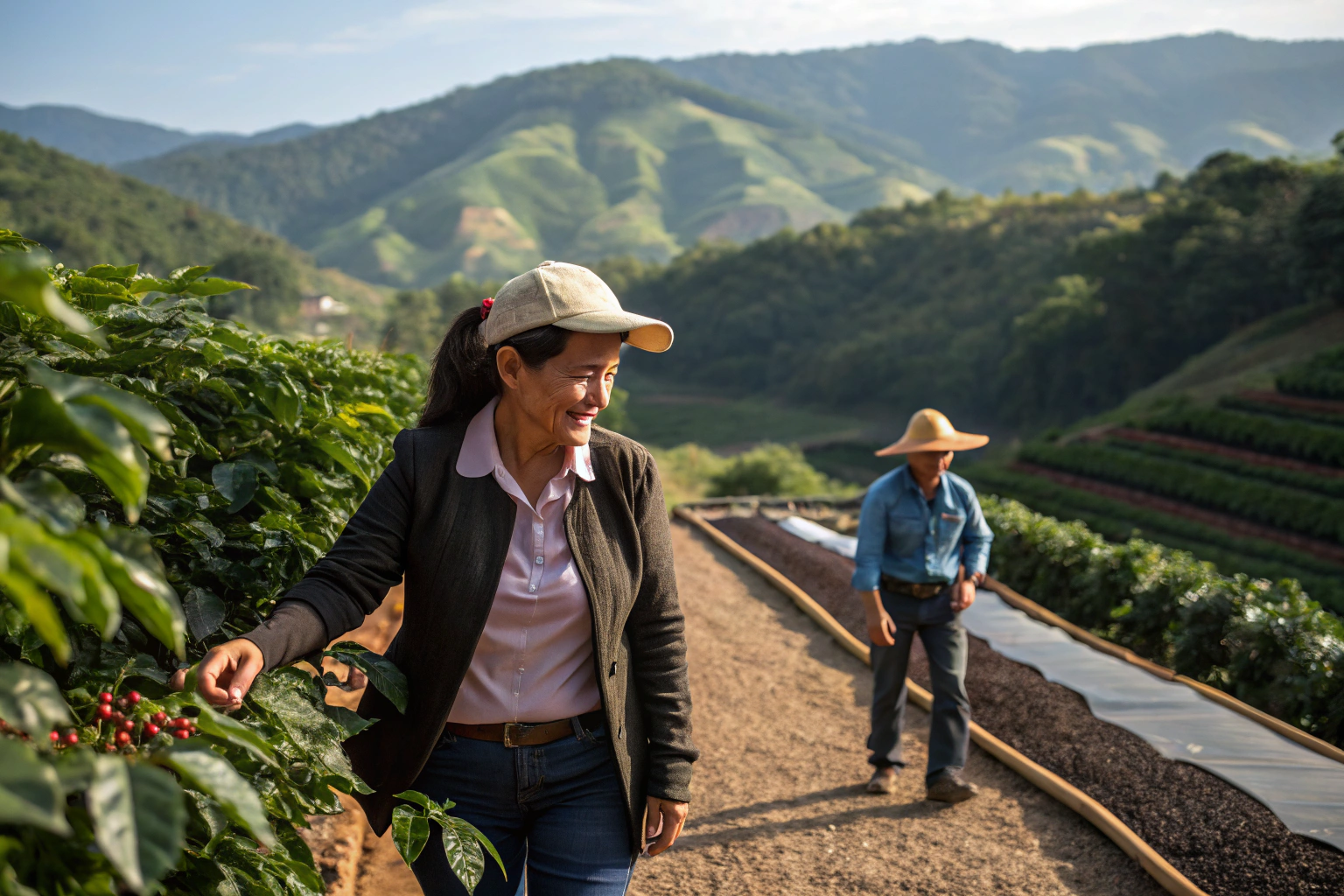
When I first started in the coffee business, people often assumed the owner was a man. I would show up to meetings, and buyers would ask to speak to the “boss.” I smiled. I told them, you are talking to her. That is me. My name is Cathy, and I run BeanofCoffee. Over the years, I have seen more buyers look for woman-owned suppliers. They want to support diversity. They want to work with someone who brings a different perspective to the table. But finding these suppliers? That can be tricky. So let me share how you can find them, and why it matters.
To find coffee suppliers with woman-owned options, you need to look beyond the standard B2B platforms. Start by checking certifications like WBENC (Women's Business Enterprise National Council) or looking for companies that openly share their leadership team. You can also attend specialty coffee trade shows where diversity initiatives are highlighted. Direct outreach on LinkedIn to women in leadership positions is another effective way.
So, what does this mean for you as a buyer? It means you have more choices than you think. The coffee industry is changing. More women are stepping into ownership roles, especially in origin countries like China, Colombia, and Ethiopia. I want to help you navigate this space. Let us break it down.
What Certifications Prove a Supplier Is Woman-Owned?
Certifications are the first thing buyers ask me about. They want proof. And honestly, I get it. Anyone can say they are woman-owned. But a certification adds credibility. It also helps you meet your own corporate diversity goals.
The most recognized certification in the U.S. is WBENC. For global suppliers, there is also WEConnect International. These organizations verify that a business is at least 51% owned, controlled, and operated by a woman. When you see these certifications, you know the business has gone through a formal audit process.
I remember a buyer from a large European roastery. He found us through a trade show. The first question he asked was not about price. It was about ownership. He told me his company had a target to source from women-owned businesses. We provided our documentation. That started a partnership that is still strong today.
How Do We Get Verified as Woman-Owned?
The process is not simple. And that is a good thing. It protects the integrity of the certification.
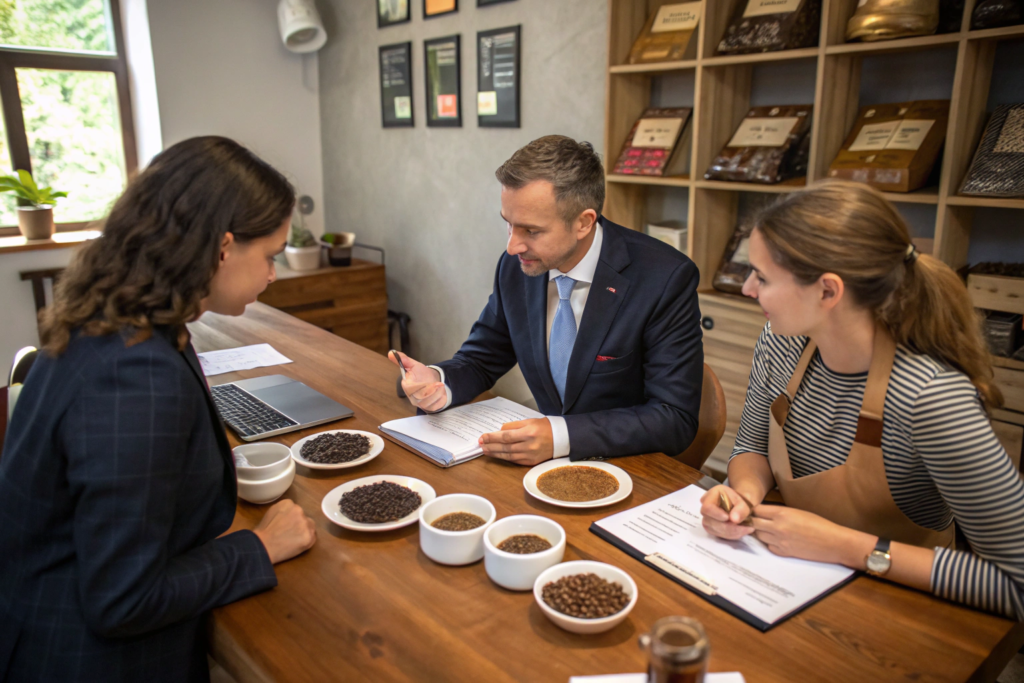
We had to provide legal documents showing ownership structure. We had to show that the woman owner has control over daily operations and strategic decisions. There is an interview process. There is a site visit sometimes.
For buyers, this means you can trust the certification. It is not just a sticker. It is a commitment.
If you are sourcing from China, look for suppliers who are certified through WEConnect International. They have a strong presence in Asia. They verify businesses like ours. You can search their directory directly.
What If a Supplier Is Not Certified but Woman-Owned?
This is a common situation. Many small to medium-sized coffee exporters in origin countries are woman-owned but do not have formal certification. The cost and time can be barriers.
So, how do you verify? Ask for the business license. Ask for the company registration documents that list the shareholders. A legitimate supplier will share this with you under an NDA.
Another way is to look at the company's leadership page. Do they show the founder? Do they talk about their story? When you see a genuine narrative, it is often real.
I built BeanofCoffee from the ground up. I started with a small team. Now we manage over 10,000 acres. My story is on our website. So when you read it, you know it is not a marketing trick. It is my life.
Where Can You Find Woman-Owned Coffee Suppliers Online?
We live in a digital world. And honestly, finding the right supplier online can feel like searching for a needle in a haystack. But if you know where to look, the search becomes much easier. Let me share the platforms and strategies that work.
You can find woman-owned coffee suppliers on platforms like WBENC's supplier directory, WEConnect International's database, and even on LinkedIn by using filters for women-owned businesses. Alibaba also allows you to search for certified suppliers, though you will need to verify the claims yourself. Another great resource is the Specialty Coffee Association (SCA) community, where diversity initiatives are growing.
I have seen buyers use these tools with success. One buyer from Australia found us through a combination of LinkedIn and a trade show referral. She was looking specifically for a woman-owned exporter in Asia. She reached out. We talked. Now we ship to her every quarter.
How Do We Use LinkedIn to Connect with Buyers?
LinkedIn is my favorite tool. It is direct. It is professional. And it shows real people.
I post about our harvest. I share photos from our farms in Baoshan. I talk about our quality control process. When buyers see that, they know I am the one running the business.
For you, use LinkedIn to search for terms like “woman-owned coffee exporter” or “female founder coffee.” You can also look at the “People” section under companies you are interested in. See who the CEO or owner is.
Do not be shy. Send a connection request. Write a short message. Say you are looking for woman-owned suppliers. Most of us will respond. We want to work with buyers who value diversity.
What Role Do Trade Shows Play in This?
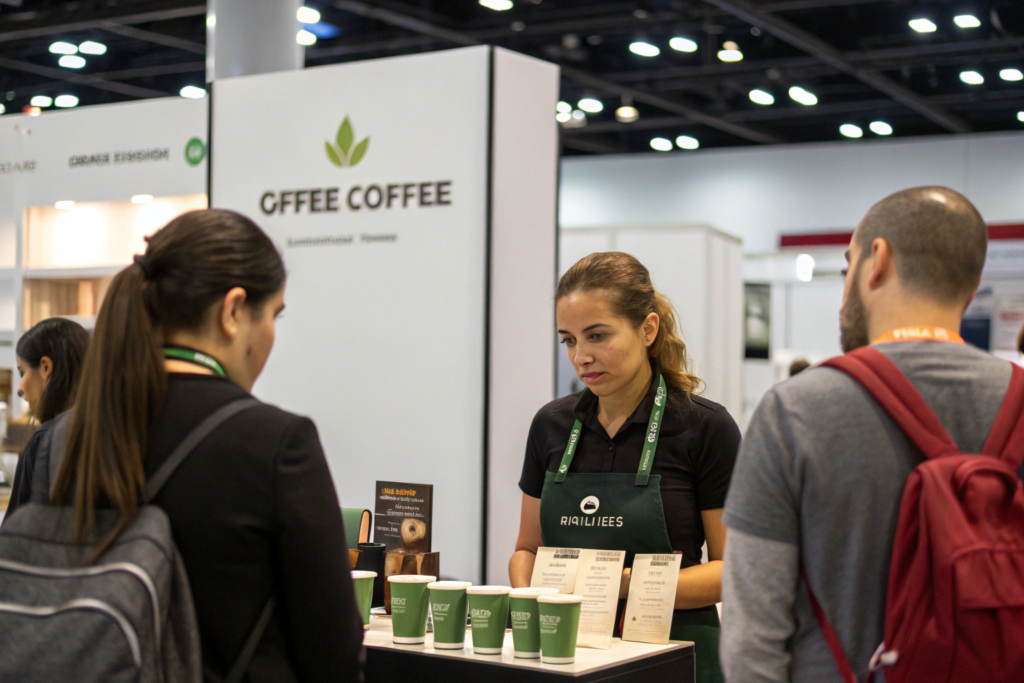
Trade shows are where real connections happen. I attend events like the SCA Expo and Gulfood. These shows often have sessions on diversity and inclusion.
At these events, you can meet the owners face to face. You can see the product. You can ask questions directly.
A tip for you: look for the diversity pavilions. Many shows now have sections dedicated to women-owned businesses or minority-owned businesses. It makes your search faster.
Also, ask the organizers. They often have lists of woman-owned exhibitors. They can point you in the right direction.
We attend these shows because we want to meet buyers like you. It is not just about selling. It is about building long-term relationships.
Why Does Sourcing from Woman-Owned Suppliers Matter for Your Business?
Some buyers ask me, why does it matter? Isn't quality the only thing? I tell them quality is always first. But sourcing from woman-owned suppliers brings additional value. It is not just about checking a box for diversity reports.
Sourcing from woman-owned suppliers supports economic development in origin countries. It brings diverse perspectives to the supply chain. It often means working with leaders who focus on long-term relationships and community impact. For your brand, it is a story you can tell. Consumers today care about where their coffee comes from and who grows it.
I have seen this firsthand. When we work with a buyer who values our ownership structure, the partnership feels different. It is more collaborative. We talk more. We solve problems together.
How Does Woman Ownership Affect Supply Chain Stability?
This is a practical point. Women-led businesses often focus on stability. We think about sustainability. We think about the team.
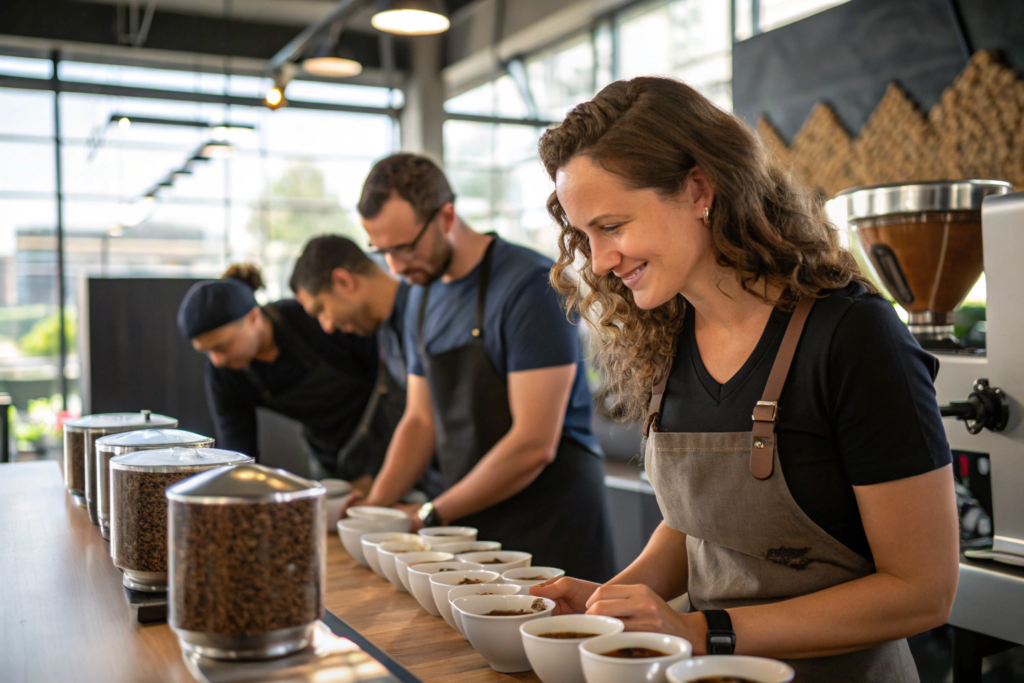
At BeanofCoffee, I built a team that stays. Our farm managers have been with us for years. Our processing staff is consistent. That stability shows in the product. You do not get surprises.
Another way to look at this is risk management. When you work with a supplier who is personally invested, they care about every shipment. It is not just a transaction. It is their reputation.
I check every container before it leaves. I review the lab reports. I approve the samples. That is the level of attention you get.
What Stories Can You Share with Your Customers?
Your customers want to know the story behind the coffee. They want to feel connected.
When you source from a woman-owned supplier, you have a story. You can talk about the woman who started the company. You can share photos of the farms. You can talk about the community impact.
I had a buyer in New York who used our story in their marketing. They put my photo on their website. They talked about our partnership. Their customers loved it. Sales went up.
How to Verify the Authenticity of Woman-Owned Claims?
Not everyone is honest. I hate to say it, but it is true. Some companies will claim to be woman-owned when they are not. So how do you protect yourself? You verify. Let me show you how we support our buyers in this process.
You can verify woman-owned claims by requesting business licenses, ownership documents, and third-party certifications. A legitimate supplier will have no problem providing these under a confidentiality agreement. You can also look for consistency in their public presence. Do they feature the woman founder in their marketing? Do they speak at industry events? These are good signs.
I always tell buyers, ask me anything. If I say I own this company, I can prove it. I am proud of what I built. So I do not hide.

What Documents Should You Ask For?
Start with the business license. In China, this shows the legal representatives and shareholders. It is a public document but usually shared privately.
Ask for the company registration certificate. Ask for a letter from the owner confirming ownership structure.
If they have a certification, ask for the certificate number. You can verify it on the certifying body's website.
We provide all of this to our serious buyers. We want you to feel confident.
How Can You Spot Red Flags?
Look for vague language. If they say “woman-led” but not “woman-owned,” that is different. Led means they manage it. Owned means they have the equity.
Also, look at the leadership team on their website. Is there a woman listed as founder or CEO? Or is it just a photo of a woman in the “about us” page with no name?
Another red flag is when they cannot provide clear answers during calls. I have had buyers tell me stories of suppliers who got nervous when asked for ownership proof.
Conclusion
Finding woman-owned coffee suppliers is not hard once you know where to look. Use certifications like WBENC and WEConnect International. Search LinkedIn and trade shows. Ask the right questions. Verify the claims.
But beyond the search, think about what you gain. You gain a partner who is invested in quality, stability, and relationships. You gain a story that resonates with your customers. You gain access to a growing network of women in coffee who are changing the industry.
I built Shanghai Fumao with this vision. I wanted to show that a woman from China could own and operate a large-scale coffee export business. Today, we export to North America, Europe, and Australia. We work with brands, distributors, and trading companies who value what we bring.
If you are looking for a woman-owned coffee supplier, I invite you to reach out. Let me show you our farms. Let me share our quality reports. Let us build something together. Contact Cathy Cai directly. She is me. My email is cathy@beanofcoffee.com. Send me a note. Tell me what you are looking for. I will take care of the rest.