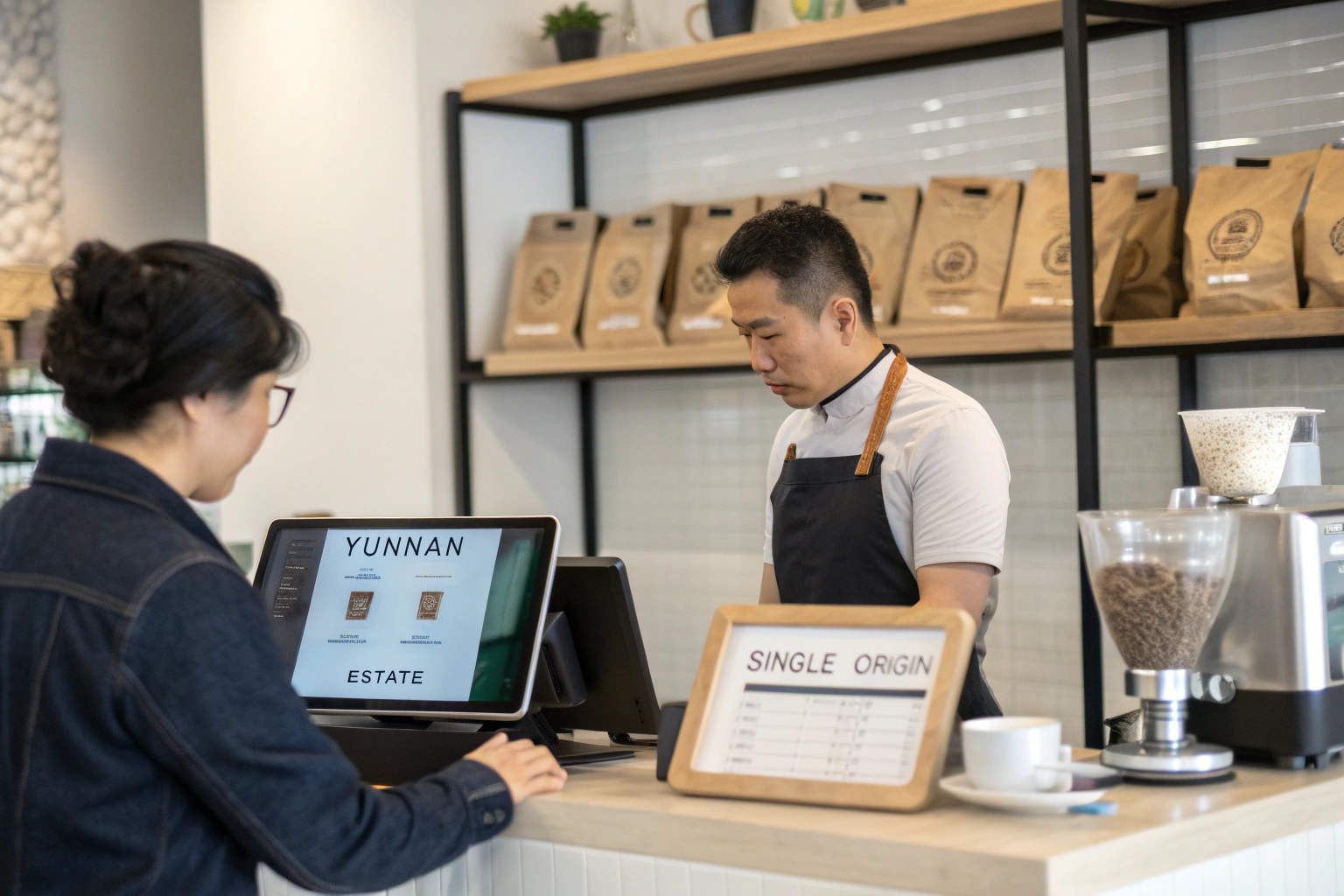
The global coffee market is vast, yet many producers feel trapped in a race to the bottom on price. For a premium specialty coffee exporter like us, focusing on broad, commodity-driven markets is a strategic dead end. The real growth—and the real profit—lies in identifying and serving specific, passionate communities of consumers. These are buyers who don't just want caffeine; they seek an experience, a story, and values that align with their identity.
Finding a niche market for specialty coffee is a strategic process of targeting specific, passionate consumer segments rather than the mass market. It involves identifying groups with unique needs—like health-focused lifestyles, creative professions, or cultural interests—and aligning your coffee's story, quality, and values precisely with those needs. Success comes from deep understanding, not just broad marketing.
Let's explore the actionable ways to discover and connect with these valuable, focused markets.
What Are the Most Profitable Consumer Niches for Specialty Coffee?
The first step is to look beyond basic demographics like age or income. Today's most valuable niches are defined by shared lifestyles, passions, and values. These groups are often underserved by mainstream brands and are willing to pay a premium for products that truly resonate with them.
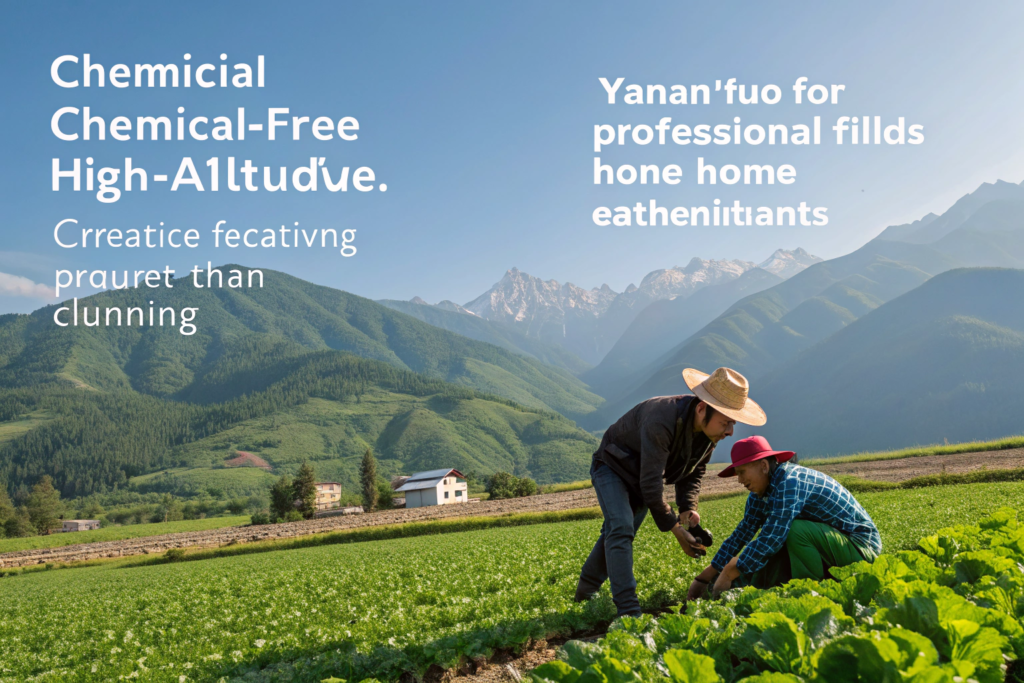
One powerful niche is the Health and Wellness Community. This isn't just about "healthy" coffee; it's about serving consumers who see food and drink as integral to their well-being. They actively seek out low-acidity coffee, single-origin beans with transparent growing practices, and may be interested in specific processing methods that preserve antioxidants. For them, the story of our chemical-free farming in Yunnan's high-altitude fields is a key selling point. Another is the Creative Professional and Home Enthusiast niche. These individuals, from designers to serious home baristas, view coffee as a craft. They are obsessed with brewing methods, flavor profiles, and origin traceability. They buy based on tasting notes, processing details (like honey or natural process), and the narrative of the farm.
How Can You Target the Luxury and Experiential Buyer?
This niche is less about daily consumption and more about rare, curated experiences. Think of luxury hospitality (high-end hotels, boutique resorts), connoisseur clubs, and gourmet food pairing events. These buyers look for exclusive microlots, unique varietals (like specific heirloom strains of Arabica), and coffees with award-winning pedigrees. The appeal is exclusivity and a story that enhances a luxury experience. For a supplier, this means reserving your very best, most distinctive batches for these channels and providing extensive documentation, from harvest dates to the names of the farmers who tended the lot.
Is the "Sustainable and Ethical" Consumer a Reliable Niche?
Yes, and it's one of the most resilient. This segment makes purchasing decisions based on verified impact. They look for certifications, but often dig deeper, wanting proof of direct trade relationships, fair wages, and regenerative agricultural practices. For an exporter like us at Shanghai Fumao, our control over 10,000 acres allows us to tell a complete story of environmental stewardship and community investment. This niche often overlaps with others but serves as a powerful primary motivator for a growing segment of the market, particularly in North America and Europe.
How Do You Use Digital Tools to Discover and Validate a Niche?
In the past, finding a niche was guesswork. Today, digital tools provide data and direct channels for discovery and validation. This process turns intuition into evidence.
Start by listening online. Use social listening tools and platform analytics to monitor conversations. Look for hashtags like #specialtycoffee, #homebarista, #pourover, #ethicalcoffee, or #lowacidcoffee on Instagram, TikTok, and Reddit. Pay attention to the questions people are asking, the problems they have with mainstream coffee, and the brands they celebrate. This unfiltered feedback is a goldmine for identifying unmet needs. For instance, frequent discussions about "coffee that doesn't upset my stomach" directly point to the health-conscious niche.

Can You Test a Niche Before Fully Committing?
Absolutely, and you should. The most effective method is to create a Minimum Viable Product (MVP) offer for a specific niche. For example, if you suspect a market for Yunnan coffee among tea enthusiasts who appreciate floral notes, create a small lot, design storytelling packaging that highlights this connection, and sell it through a targeted channel. Use a direct-to-consumer (DTC) website or a dedicated landing page to sell this MVP. Then, measure everything: website traffic, conversion rates, customer feedback, and repeat purchase intent. Tools like Google Analytics and simple post-purchase surveys can tell you if you've found a receptive audience. This low-risk test is far better than assuming a niche exists.
How Does Content Marketing Attract a Niche Audience?
Content is your magnet. Instead of generic ads, create content that speaks directly to the interests of your target niche. For the home barista niche, produce high-quality videos on brewing Yunnan coffee with a V60 or Chemex. Write blog posts about the unique climate of Baoshan and how it affects flavor. For the sustainability niche, publish transparent reports on your farming practices. By providing genuine value, you attract a highly qualified audience that already trusts your expertise. This approach turns your website and social channels into niche community hubs, not just sales platforms.
What Are the Key Steps to Enter and Serve a Niche Market?
Finding a niche is one thing; successfully serving it is another. It requires a tailored approach across your entire operation, from product selection to messaging to partnership.
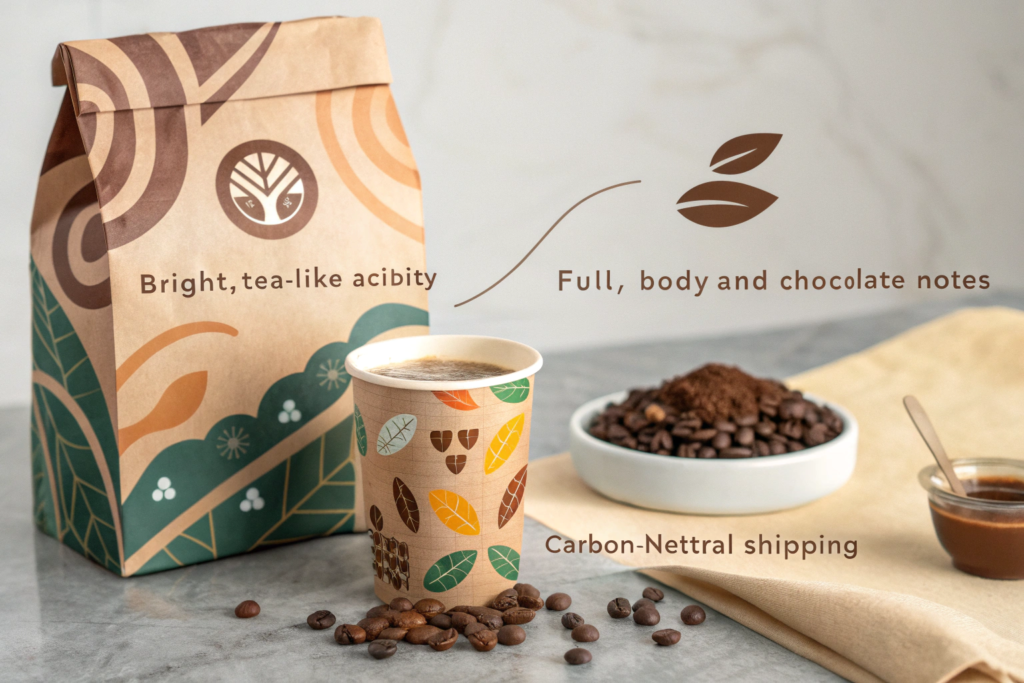
First, adapt your product and messaging. A niche market expects a product tailored to its needs. This could mean offering a specific roast profile preferred by espresso enthusiasts, creating a custom blend for a high-end restaurant, or providing smaller, premium packaging for online DTC sales. Your messaging must use the language of the niche. Talk about "bright, tea-like acidity" to tea converts, "full body and chocolate notes" to traditional espresso drinkers, and "carbon-neutral shipping" to eco-conscious buyers. Consistency here is critical.
How Do You Build Distribution Channels Within a Niche?
Avoid mass-market distributors. Instead, seek out channel partners who are influencers within the niche. This could be:
- Specialty Roasters: Target roasters who already cater to a specific community (e.g., those focused on direct trade or rare varietals).
- Boutique Retailers: Gourmet food stores, high-end kitchenware shops, or wellness boutiques.
- Online Community Leaders: Partner with respected YouTube baristas, food bloggers, or sustainability advocates for curated offerings.
- Niche Subscription Boxes: Supply beans for subscription services focused on global coffee discovery, rare lots, or healthy living.
The goal is to be where your niche audience already shops and trusts recommendations.
Why Is Authenticity and Storytelling Non-Negotiable?
For a niche audience, authenticity is everything. They can spot marketing spin from a mile away. Your story must be real, detailed, and human. As a plantation owner, your greatest asset is your direct connection to the land. Tell the story of the specific micro-lot, the harvest season, the people who work the fields. Share photos and videos from the farm. Highlight the differences between your Catimor and your Arabica. This depth of story is what a niche buyer pays for—it's the "special" in specialty coffee. It transforms a bag of beans from a commodity into a passport to a place and a people.
Conclusion
Discovering a niche market for specialty coffee is a deliberate shift from being a supplier to becoming a curator for a specific community. It leverages deep consumer insight, targeted digital engagement, and an unwavering commitment to authentic storytelling and product specialization. By focusing on the passionate few rather than the disinterested many, you build a more resilient, profitable, and meaningful business.
At BeanofCoffee, our entire model is built to serve discerning niches. From our estate-controlled quality to our commitment to transparency, we provide the foundation you need to connect with health enthusiasts, craft coffee lovers, ethical consumers, and luxury experience seekers. If you are ready to move beyond commodity trading and build a brand around a truly distinctive coffee, let's talk about how our Yunnan beans can be your cornerstone. Contact our sales lead, Cathy Cai to start the conversation: cathy@beanofcoffee.com.