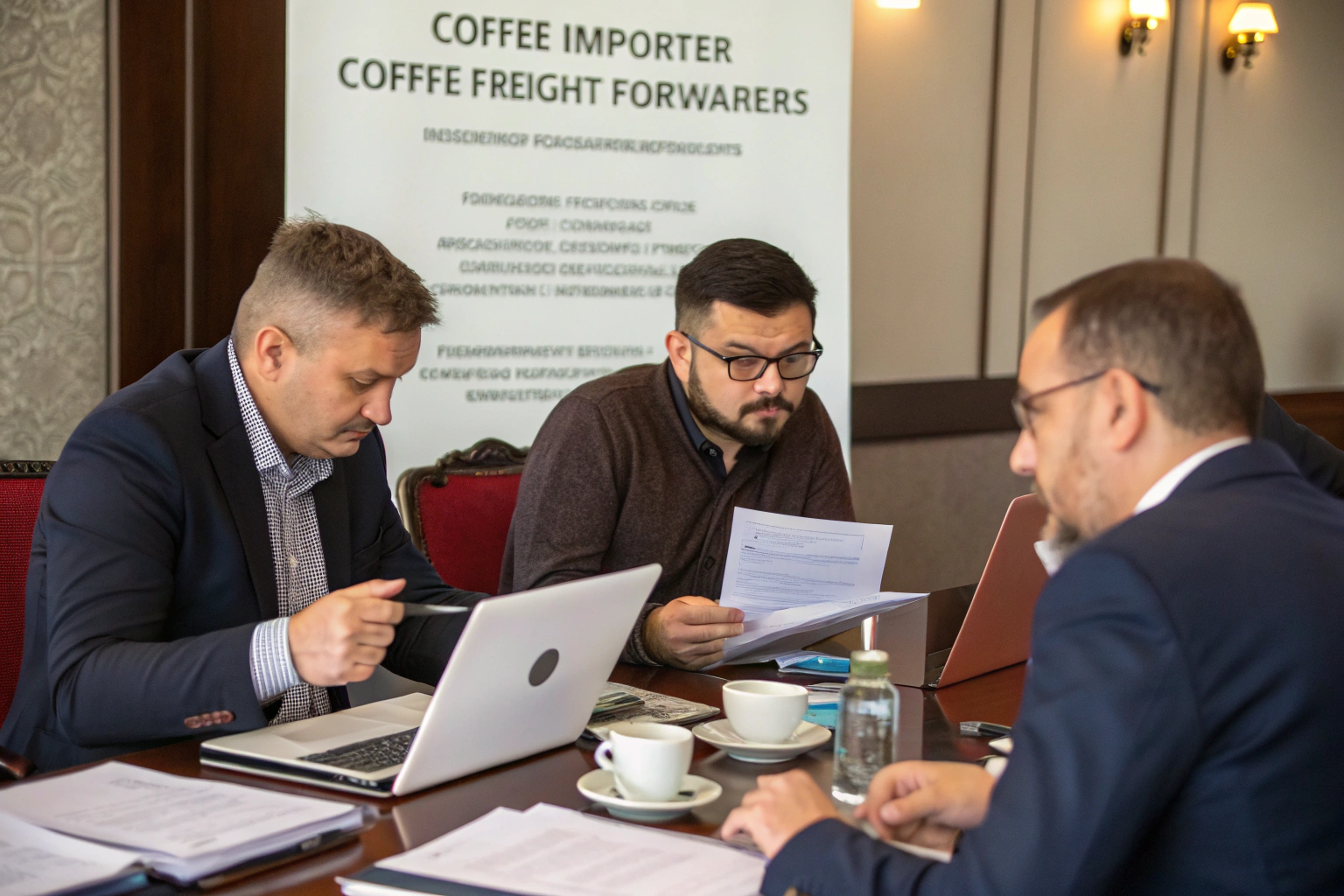
You've secured a perfect lot of specialty green beans. The cupping score is excellent, the price is right, and your roasting schedule is set. But now you need to get those beans from a remote farm to your roastery halfway around the world. One wrong choice in logistics could turn your premium investment into a moldy, stale, or delayed disaster. Finding a freight forwarder who understands coffee's unique fragility isn't just about cost—it's about protecting your entire investment.
Finding reliable freight forwarders for coffee shipments requires seeking specialists in perishable agricultural goods, verifying their coffee-specific experience, checking references from other coffee companies, evaluating their global network and partnerships, and assessing their understanding of coffee's specific handling requirements. The ideal partner combines logistics expertise with genuine knowledge of coffee as a sensitive agricultural product.
So, how do you separate general freight forwarders from those who truly understand that coffee isn't just another dry good in a container? The process involves looking beyond basic shipping capabilities to find partners who grasp the nuances of temperature, humidity, documentation, and timing that make or break coffee quality. Let's examine the specific criteria and process for identifying true coffee logistics specialists.
What Specific Coffee Experience Should You Look For?
General freight experience isn't enough. Coffee has unique requirements that many forwarders don't understand until problems arise. You need partners who already speak the language of coffee logistics.
Look for forwarders who can discuss moisture barriers, degassing, quarantine procedures for agricultural products, and coffee-specific documentation requirements without you having to educate them.
What Questions Reveal Coffee Expertise?
Ask potential forwarders:
- "What's your experience with GrainPro vs. traditional jute bags for coffee?"
- "How do you monitor container temperatures during transit for coffee?"
- "What's your process for handling phytosanitary certificates for coffee?"
- "Can you explain the difference in documentation for green vs. roasted coffee?"
- "How do you coordinate with coffee inspectors at origin?"
Their answers will reveal whether they have coffee-specific knowledge or are just applying general perishable goods principles.
What Evidence of Coffee Experience Matters?
Request:
- Case studies of coffee shipments they've handled
- Client references from other coffee importers/roasters
- Photos or documentation of coffee-specific logistics setups
- Training materials they use for coffee shipments
- Partnership certificates with coffee associations or origins
At BeanofCoffee, we work exclusively with forwarders who can demonstrate this proven coffee experience because we've seen the difference it makes in arrival quality.

How Do You Verify Their Global Network and Capabilities?
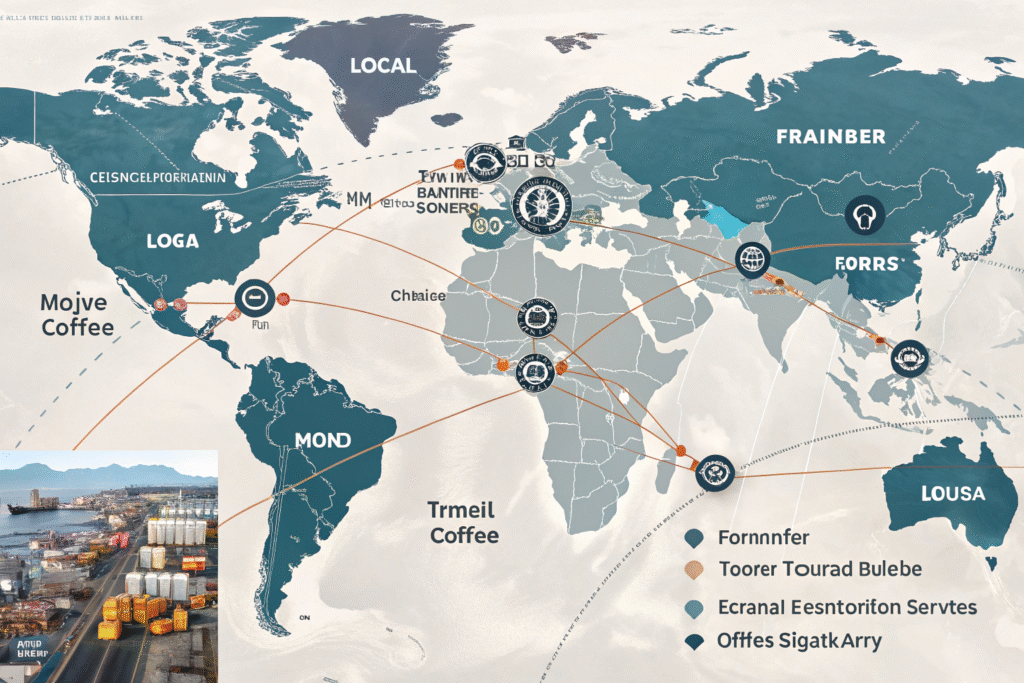
Coffee shipments often move through complex routes involving multiple transport modes and handoffs. Your forwarder needs robust partnerships at origin, transit points, and destination.
A strong network means more than just offices in major ports—it means relationships with local agents who understand regional coffee logistics nuances.
What Origin Capabilities Are Critical?
For coffee, origin capabilities include:
- Local agents in coffee-growing regions who speak the language
- Relationships with origin customs and agricultural inspectors
- Understanding of harvest seasons and port congestion patterns
- Experience with origin documentation requirements
- Local trucking partnerships for farm-to-port transport
These origin competencies ensure smooth departure, which is often where the first delays or handling issues occur.
How Important Are Destination Capabilities?
At destination, you need:
- Customs brokerage expertise specific to food imports
- FDA prior notice filing experience for US imports
- Quarantine coordination if inspections are required
- Temperature-controlled storage options if delays occur
- Last-mile delivery to your facility
A forwarder with weak destination capabilities can undo all the good work done at origin. This end-to-end capability is non-negotiable for reliable coffee logistics.
What Operational Systems Ensure Coffee Quality?
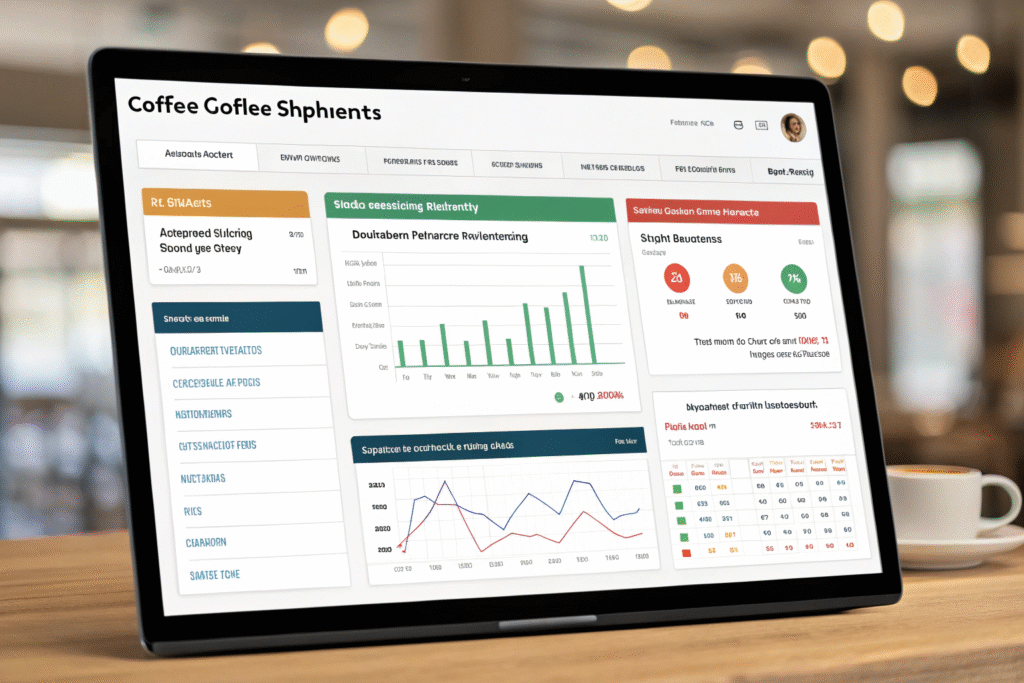
Technology and processes separate amateur forwarders from professional ones. Look for systems that provide visibility and control throughout the shipment journey.
Real-time tracking, document management, and proactive notification systems are essential for managing coffee's time-sensitive nature.
What Technology Platforms Should They Offer?
- Real-time container tracking with temperature/humidity monitoring
- Document management portal for easy access to all paperwork
- Automated alert system for delays or issues
- Customs status dashboard showing clearance progress
- Mobile access for monitoring shipments on the go
These digital capabilities provide the transparency needed to manage expectations and respond to issues promptly.
What About Quality Control Processes?
Ask about their:
- Container inspection procedures before loading
- Loading supervision to prevent damage
- Document verification processes before submission
- Crisis response protocols for temperature excursions
- Quality handoff procedures at destination
Forwarders with documented quality management systems for perishables are more likely to protect your coffee's integrity.
How Do You Assess Their Financial Stability and Insurance?
Freight forwarders handle significant financial responsibilities. Their stability affects their ability to resolve problems and their commitment to service quality.
Financial due diligence isn't about prying—it's about ensuring your partner can withstand market volatility and properly insure your shipments.
What Financial Indicators Matter?
- Years in business with consistent coffee focus
- Trade credit references from banks or financial institutions
- Client retention rates especially among coffee companies
- Investment in technology and specialized equipment
- Transparent fee structures without hidden charges
A forwarder's financial health directly impacts their service reliability during market disruptions.
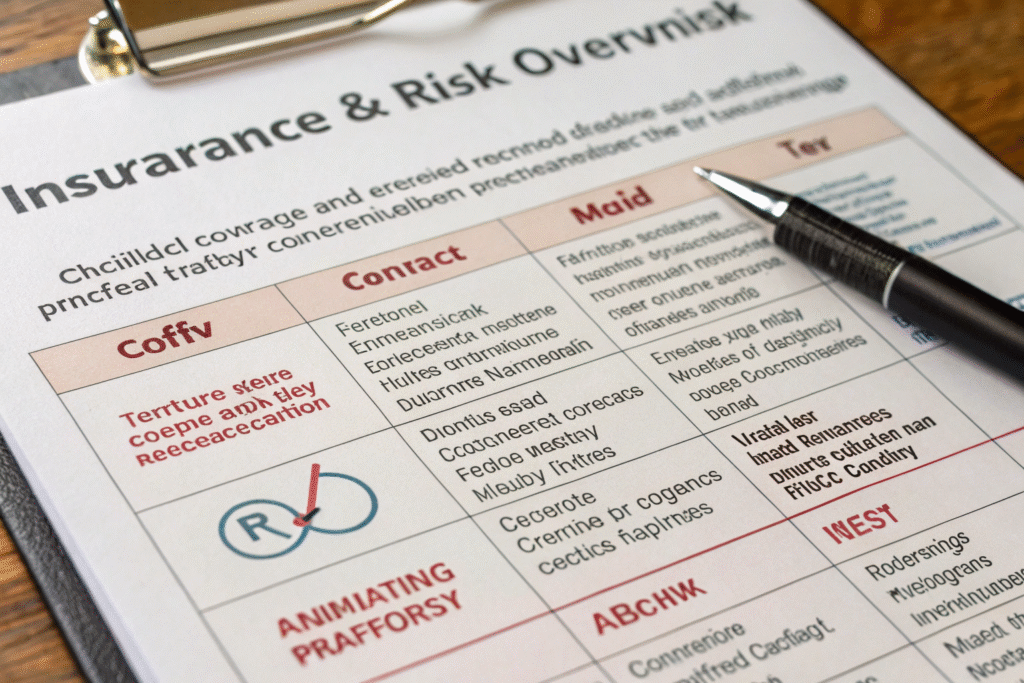
How Should Coffee Insurance Work?
Coffee requires specialized insurance coverage:
- Marine cargo insurance that specifically includes coffee
- Coverage for temperature/humidity damage not just physical loss
- Mold and contamination coverage for agricultural products
- Transit delay coverage accounting for coffee's shelf life
- Clear claims process with coffee expertise
Ensure your forwarder either provides appropriate insurance or helps you secure it. This risk protection is especially important for high-value specialty lots.
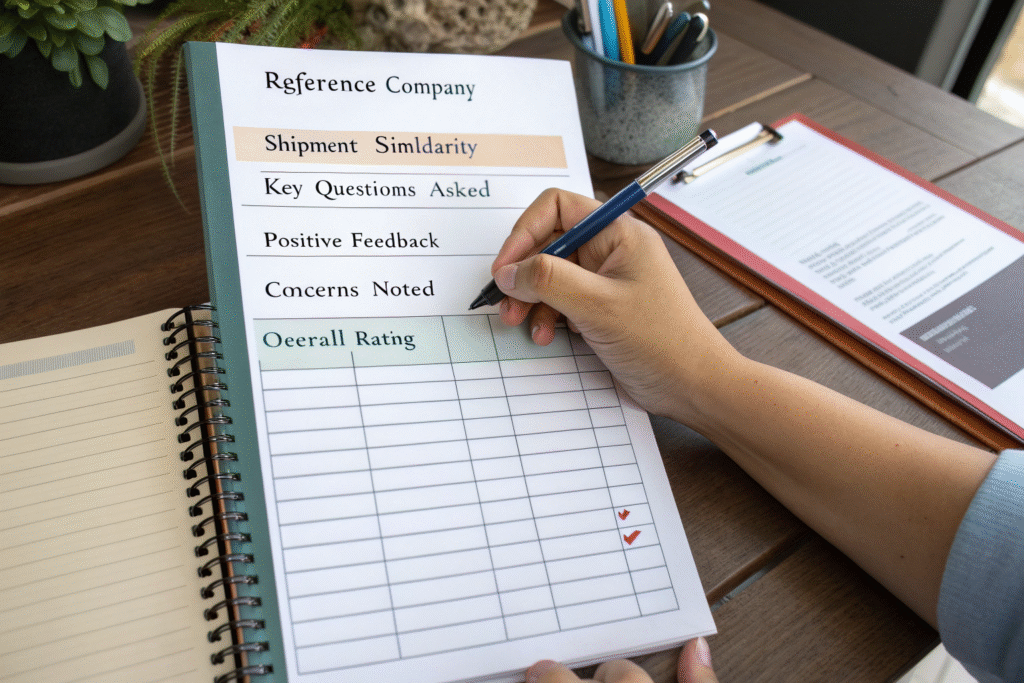
What Reference Checking Process Works Best?
Other coffee companies' experiences provide the most reliable evidence of a forwarder's capabilities. But not all reference checks are equally revealing.
Strategic reference checking involves speaking with companies similar to yours and asking specific questions that reveal performance patterns rather than isolated experiences.
Who Should You Ask for References?
Seek references from:
- Companies with similar shipment volumes to yours
- Businesses importing from the same origins you use
- Roasters with similar quality requirements
- Importers who've used them for 2+ years (shows staying power)
- Companies that had problems resolved (tests crisis management)
This targeted reference checking provides relevant insights rather than generic praise.
What Questions Reveal the Most?
Ask references:
- "What was their response time during your last crisis?"
- "How transparent were they about problems and solutions?"
- "Did they meet their quoted transit times consistently?"
- "How knowledgeable were they about coffee-specific issues?"
- "Would you renew your contract with them today?"
These performance-focused questions uncover real-world reliability beyond sales presentations.
How Should You Structure the Trial Period?
Even with excellent references, start with a trial period before committing to a long-term partnership. Structure this trial to test the specific capabilities that matter most for your business.
A well-designed trial evaluates performance under normal conditions and tests crisis response capabilities without putting your entire supply chain at risk.
What Makes an Effective Trial?
- Start with a smaller shipment to limit risk
- Use a representative origin-destination route
- Test their documentation accuracy and speed
- Evaluate their communication frequency and quality
- Assess arrival condition against your quality standards
Document everything during the trial to support your go/no-go decision. This structured evaluation prevents emotional decisions based on a single data point.
How Do You Define Success Metrics?
Establish clear metrics before the trial:
- Transit time variance from quoted estimates
- Document accuracy rate (errors per shipment)
- Communication response time for queries
- Problem resolution effectiveness
- Cost transparency and billing accuracy
Quantifiable performance metrics make evaluation objective rather than subjective.

Conclusion
Finding reliable freight forwarders for coffee shipments requires looking beyond general logistics capabilities to identify partners with specific coffee expertise, global networks that include coffee origins, technology systems that provide transparency, financial stability to ensure reliability, and proven performance with other coffee companies.
The most successful partnerships come from thorough due diligence, structured trials, and clear performance expectations. While the search process requires significant effort, the payoff is a logistics partnership that protects your coffee quality, reduces stress, and supports your business growth. If you're evaluating freight forwarders and want to discuss what capabilities matter most for coffee from our Yunnan origin, contact our export manager, Cathy Cai, at cathy@beanofcoffee.com. We've developed criteria based on years of shipping experience and can share what we've learned about protecting coffee throughout its journey.