As a premium coffee exporter, your packaging is the final guardian of quality and a direct reflection of your brand's values. In today's market, sustainable packaging is no longer a niche preference but a core expectation from global buyers and end consumers alike. Transitioning to eco-friendly options presents a unique opportunity to enhance your brand story, meet stringent international regulations, and contribute to a circular economy, all while ensuring the product integrity of your prized Yunnan Arabica, Catimor, and Robusta beans.
Finding the right sustainable packaging for wholesale coffee is a strategic sourcing process that balances four critical pillars: advanced material science that protects coffee freshness, verified environmental credentials that build trust, practical supply chain considerations for wholesale operations, and robust sourcing channels that offer scalability. The modern solutions extend far beyond simple recyclable paper to include high-barrier mono-materials, innovative plant-based composites, and certified compostable options that meet the specific demands of coffee's long, complex journey from your warehouse to the roaster's door.
Let's navigate the key decision points and proven pathways to secure packaging that safeguards both your coffee and your commitment to the planet.
What Are the Most Effective Sustainable Materials and Technologies?
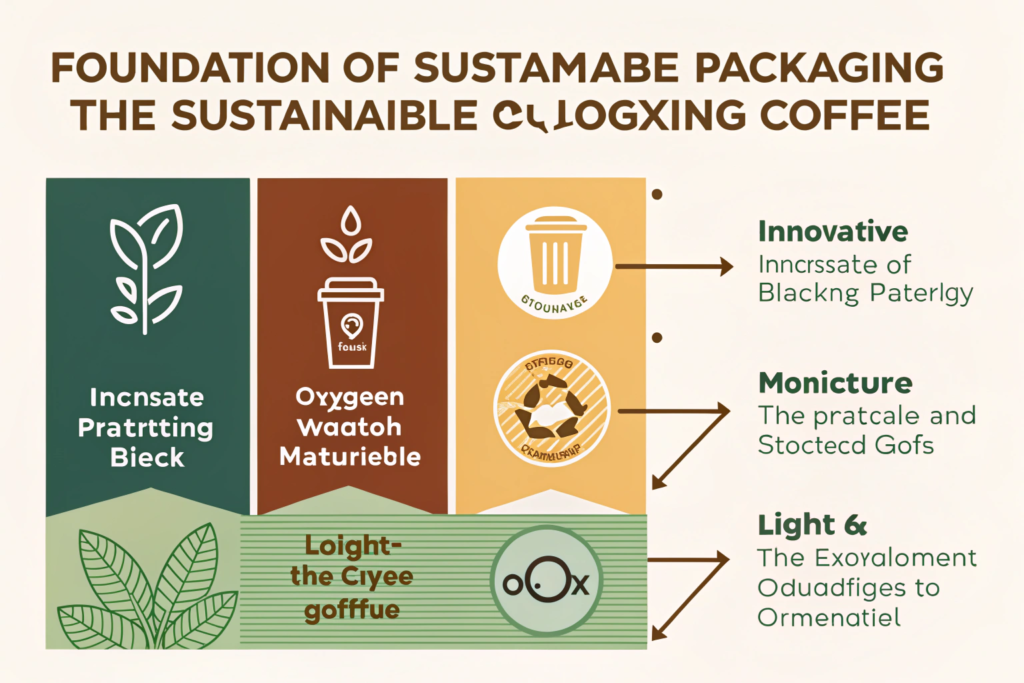
The foundation of sustainable packaging is the material itself. Today's innovations offer a spectrum of choices, each with specific advantages for coffee's need to block oxygen, moisture, and light while aligning with end-of-life environmental goals.
The most significant trend is the shift from complex, multi-layer laminates (like PET/Alu/PE) to mono-material structures. These are packages made primarily from a single type of material, such as paper or one type of plastic polymer, which makes them far easier to recycle in mainstream systems. Leading packaging companies are pioneering high-performance mono-paper solutions that offer excellent barrier properties while being widely recognized as recyclable.
How Do High-Barrier Coatings Replace Traditional Foils?
A key technological breakthrough is the development of advanced paper coatings that eliminate the need for aluminum foil laminates. Materials like aluminum vapor-deposited paper provide equivalent oxygen and moisture barrier performance as thin foil layers but on a paper base that is easier to process and recycle. Similarly, recyclable, food-safe barrier papers using advanced coating technologies protect sensitive products like coffee and spices. These solutions address the primary contradiction in coffee packaging: the need for a high barrier without creating a multi-material recycling nightmare.
What Role Do Plant-Based and Circular Materials Play?
Beyond recyclable papers, the frontier of sustainability includes materials derived from agricultural by-products. Innovations include packaging made with coffee grounds or sugarcane bagasse integrated into the pulp. Furthermore, the development of certified industrially compostable materials, such as PLA (polylactic acid) coatings derived from corn starch, offers an end-of-life alternative for regions with industrial composting facilities. These materials represent a move towards a circular model, turning waste into a resource for the packaging itself.
How to Verify Environmental Claims and Ensure Compliance?
In a market with growing "greenwash" concerns, third-party certifications are the essential currency of trust. They provide independent verification of a supplier's environmental and ethical claims, which you can then confidently communicate to your B2B clients.
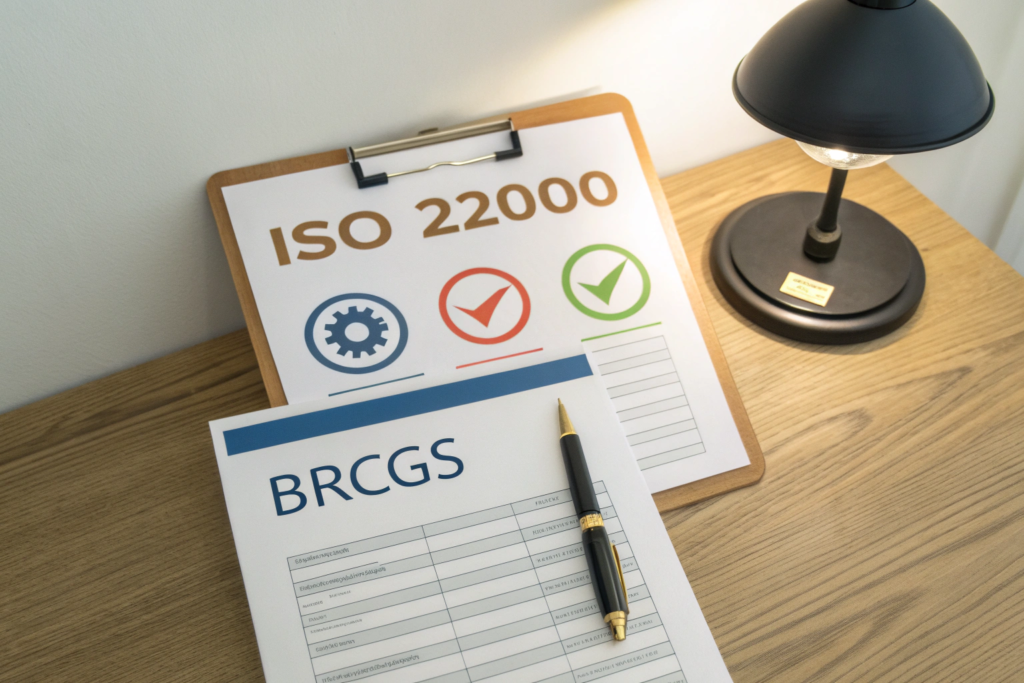
When sourcing, prioritize suppliers who can provide verifiable documentation for key certifications. The Forest Stewardship Council (FSC) label ensures the paper fibers come from responsibly managed forests. For compostability, look for certifications like DIN CERTCO (Europe) or ABA (Australasia) that validate claims under specific industrial or home composting conditions. For overall quality and food safety management systems, ISO 22000 and BRCGS are critical benchmarks. Always request to see the actual certificates and understand their scope and validity dates.
What About Regulations Like the EU's PPWR?
Forward-thinking suppliers will already be preparing for major regulatory shifts. The European Union's new Packaging and Packaging Waste Regulation (PPWR) is a major driver, setting ambitious targets for recyclability and recycled content by 2030. Partnering with suppliers who understand these regulations and are developing compliant solutions (like the mono-material papers highlighted earlier) will future-proof your supply chain and maintain your access to key markets like Europe.
How to Assess True Lifecycle Impact?
Look for suppliers who provide data from Life Cycle Assessments (LCA). Some advanced paper pouches can reduce the carbon footprint of a dry food pack by up to 73% compared to a standard multi-layer plastic pouch, based on an assessment certified by the Carbon Trust. This level of data-driven evidence is far more powerful than generic "eco-friendly" claims and can be a strong selling point for your own brand's sustainability story.
What Sourcing Channels and Supplier Types Are Best for Wholesale?
Securing a reliable supply of high-quality, sustainable packaging at wholesale volumes requires tapping into the right channels. The optimal path depends on your need for customization, order size, and desired level of supplier partnership.
For large-volume custom orders, connecting directly with manufacturers is most efficient. Chinese industrial hubs like Zhejiang and Guangdong host many specialized packaging plants. Platforms like Alibaba are effective for finding and vetting these manufacturers, with many offering Trade Assurance for transaction security. Minimum order quantities (MOQs) here can start from 500 pieces for standard options but may reach 10,000 pieces for fully customized designs.
Where Can You Find Vetted and Specialized Suppliers?
B2B sourcing platforms like the Hong Kong Trade Development Council (HKTDC) Sourcing portal list pre-profiled manufacturers with verified business and certification information, offering a higher degree of reliability. For specialized, innovative solutions, it is worthwhile to research and contact leading global material science companies directly, who often work through distributors or have dedicated teams for industrial clients.
How to Navigate the Sampling and Negotiation Phase?
Never skip the sampling stage. Reputable suppliers should provide physical samples for you to test. Key checks include: seal integrity, valve function (if applicable), material feel, and print quality. Use this phase to negotiate based on volume. Industry benchmarks suggest that orders exceeding 5,000 units can often secure discounts of 8-15%. Clearly communicate your sustainability requirements (e.g., FSC-certified paper, soy-based inks) upfront to ensure they are included in the quote and final product.
How to Balance Sustainability with Functional Coffee Packaging Needs?
The ultimate test of any packaging is its ability to preserve coffee freshness throughout the wholesale logistics chain. The most sustainable package is useless if it allows your coffee to stale. Therefore, functionality cannot be compromised.
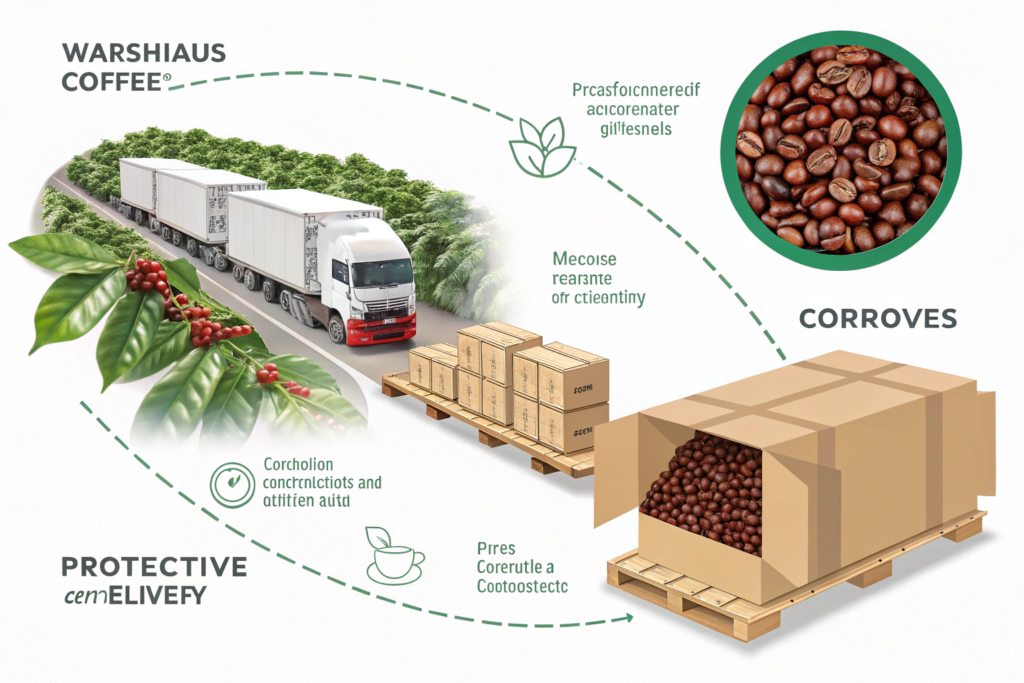
Degassing valves remain non-negotiable for whole bean coffee. Ensure your sustainable bag supplier can integrate a high-quality, functional one-way valve. Robust seal integrity is critical, with heat-sealed or eight-sided sealed options offering superior protection against moisture and oxygen ingress compared to traditional stitching. For wholesale, consider the durability of the material during palletization, shipping, and storage; some reinforced paper or composite structures offer better puncture and tear resistance.
Can Sustainable Packaging Be Cost-Effective for Wholesale?
While sustainable materials often have a higher upfront unit cost than conventional plastics, a total cost analysis reveals mitigating factors. Reduced EPR Fees: In regions with Extended Producer Responsibility (EPR) schemes, using certified recyclable packaging can slash associated fees by 70-90%. Brand Value & Market Access: Sustainable packaging can be a powerful differentiator, potentially justifying a premium and securing business with environmentally conscious roasters. Operational Efficiencies: Some modern paper solutions are designed to run efficiently on existing filling equipment and are lightweight, reducing shipping costs.
What Are Key Performance Metrics to Validate?
When evaluating samples, go beyond look and feel. Request technical data sheets from suppliers and, if possible, conduct simple tests. Key metrics to validate include the Oxygen Transmission Rate (OTR) and Water Vapor Transmission Rate (WVTR), which quantify the barrier's effectiveness. For bags, test the heat seal strength by trying to pull the seams apart. Simulate warehouse conditions by storing filled sample bags in a warm, humid environment for a few weeks and then cupping the coffee to check for staling or off-flavors.
Conclusion
Securing sustainable packaging for wholesale coffee is a strategic investment that aligns operational excellence with environmental stewardship and market demand. By focusing on high-performance mono-materials like advanced barrier papers, insisting on credible third-party certifications, and leveraging the right B2B sourcing channels to find reliable manufacturers, you can build a packaging strategy that truly reflects the premium quality of your beans. This approach not only future-proofs your business against tightening global regulations but also strengthens your brand narrative in an increasingly values-driven marketplace.
At Shanghai Fumao, we are committed to implementing sustainable practices at every stage of our vertically integrated supply chain. We are actively evaluating and integrating these next-generation packaging solutions to ensure that our premium Yunnan coffees are presented to the world in a manner that honors both their flavor and their origin. To discuss how we can supply your business with great coffee in packaging that meets the highest standards of quality and responsibility, please contact our sales lead, Cathy Cai, at cathy@beanofcoffee.com.