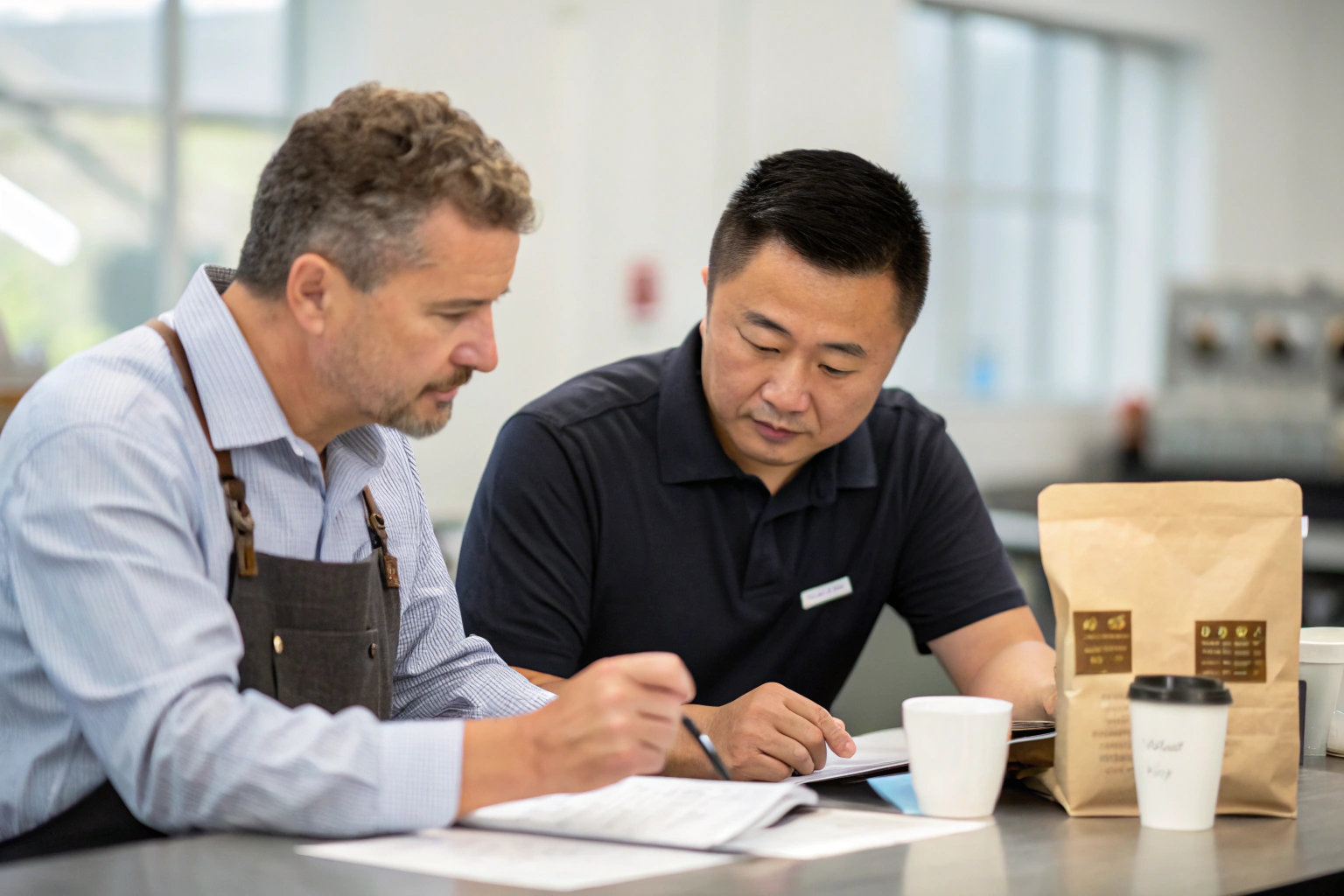
Have you ever had that sinking feeling in your stomach? The one you get when a client calls, not to reorder, but to complain. A container of coffee beans you were proud of has arrived at their roastery, and something is wrong. Maybe it's the moisture content, an off-aroma, or damage from shipping. Your mind immediately races: How bad is it? What will this cost? Will I lose this client? It's one of the most stressful situations a business owner can face, turning a partnership into a point of conflict.
The best way to handle returns and disputes is to have a clear, fair, and pre-agreed-upon process before any problems arise. The moment a dispute occurs is the worst time to figure out the rules. A solid framework for inspection, reporting, and resolution is the key to transforming a potential disaster into an opportunity to build trust. It shows your client that you stand behind your product and are a reliable partner, even when things don't go perfectly. Honestly, how you handle a problem is often more important than the problem itself.
I've been exporting coffee from our 10,000-acre farms in Yunnan for years, and believe me, I've learned this lesson. In the beginning, a single dispute could derail a relationship because everything was reactive and emotional. Now, at Shanghai Fumao, we've built a proactive system based on clarity and partnership. It's a core part of our promise to be a safe, reliable, and trustworthy supplier. I want to share the framework we use, because it has saved us and our clients, like Ron, countless headaches and has strengthened our business relationships for the long term.
What Should a Fair Claims Process Look Like?
When a client has a problem, the last thing they want is a confusing, drawn-out argument. They're worried about their own production schedules and inventory. They need to know what happens next. If your process is vague, it creates uncertainty and frustration, making a bad situation worse. The fear is that they'll be left with a container of unusable beans and a massive financial loss.
A fair claims process must be clear, time-bound, and evidence-based. It should outline exactly what the buyer needs to do, the timeframe for doing it, and the kind of evidence required to validate the claim. This removes emotion and subjectivity from the equation and focuses everyone on a shared goal: to objectively understand the problem and find a fair solution. It provides a predictable roadmap for navigating a difficult situation.
I remember one specific incident with a shipment to Europe. The container arrived, and the client reported a "musty" smell in some of the bags. In our early days, this would have sparked a panic. But because we had a process, we just initiated Step 1. "Please send photos of the affected bags and draw representative samples as per the protocol," we requested. The client knew exactly what to do. So, what does this mean? It means we weren't arguing; we were collaborating to gather data. This immediately lowered the temperature and set a professional tone for the entire resolution.
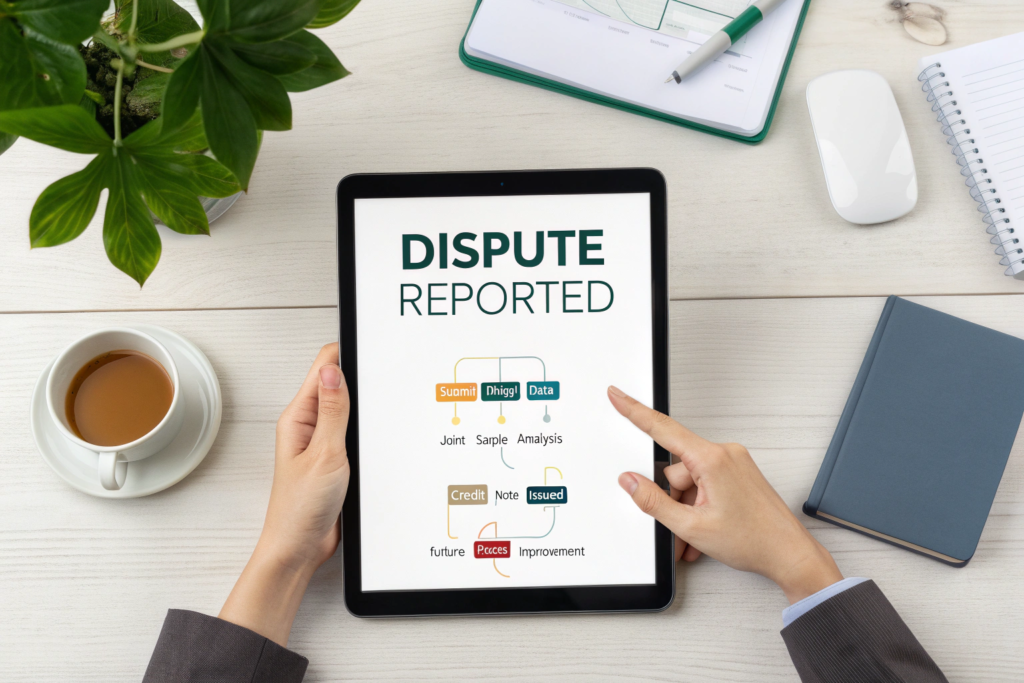
What is the standard timeframe for making a claim?
This is a critical detail that must be in your sales contract. The industry standard is typically 7 to 14 days after the coffee arrives at the client's warehouse. This gives the buyer enough time to inspect the shipment but is short enough to ensure the issue is related to the coffee's condition upon arrival, not a problem that developed due to poor storage on their end. The claim should be submitted in writing (email is standard) and should immediately trigger the process. This is a key clause in any international sales contract.
What evidence is required to support a claim?
A claim can't just be "I don't like it." It needs to be backed by objective evidence. The minimum requirements should be:
- Photographs: Clear photos of the container upon opening, any visible damage to bags, and the beans themselves.
- Lot Numbers: The specific lot numbers of the affected bags, so you can trace them back through your system.
- A Written Description: A clear, detailed explanation of the perceived defect (e.g., "mold on beans in 15 bags," "moisture meter reading of 13.5%," "chemical odor").
- Representative Samples: This is the most important part. The buyer should draw samples from the disputed bags according to a pre-agreed protocol and send them back to you for analysis. This is a fundamental part of coffee quality control.
How Do You Objectively Assess a Quality Dispute?
So, you've received the claim and the samples have arrived back at your lab. Now what? This is where things can get contentious. The buyer says the coffee tastes "flat," but you cup it and think it tastes fine. Subjectivity is the enemy of a fair resolution. How do you bridge the gap between your perception and your client's? The fear is getting stuck in a "he said, she said" stalemate with no clear path forward.
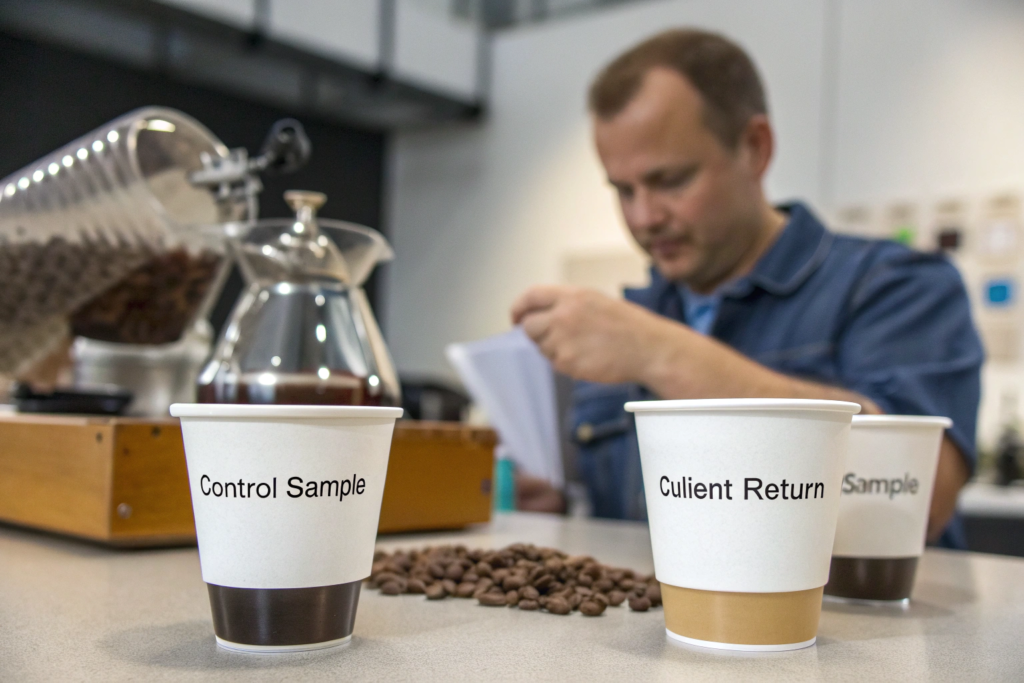
You must assess a quality dispute by comparing the returned sample against the original pre-shipment sample (PSS). The PSS is the benchmark for the entire transaction. This is the sample the buyer approved before the container ever left your warehouse. A side-by-side "blind" cupping—where the tasters don't know which sample is which—is the most objective way to determine if there has been a genuine degradation in quality during transit.
This is the cornerstone of our dispute resolution at Shanghai Fumao. We retain a PSS from every single lot we ship until well after the coffee has been received and accepted by the client. When a dispute sample arrives, our quality control team sets up a blind cupping. We invite a third party, often another experienced Q-grader, to participate. We're not trying to "win" the argument; we're trying to find the truth. Another way to look at this is we are using the exact same quality standard the buyer used to approve the coffee in the first place. It's the most impartial method possible.
What if the samples taste different?
If the blind cupping confirms that the returned sample is materially different from and inferior to the pre-shipment sample, the claim is valid. This indicates that something likely happened during transit—a temperature spike, moisture exposure, etc. At this point, you move to the resolution phase. The goal is not to assign blame but to acknowledge the issue and make it right for the client. This is where a supplier's integrity is truly tested. It's a moment to prove you are a long-term partner, not just a one-time seller.
What if the samples taste the same?
This is a more delicate situation. If your objective analysis shows that the returned sample is consistent with the approved PSS, it suggests the issue may not be a quality defect from transit. It could be a change in the client's roast profile, equipment issues, or a simple change of heart. In this case, you must present your findings transparently. Share the results of the blind cupping, including the notes from the third-party taster. The conversation then shifts from a quality claim to a discussion about expectations. It's a tough conversation, but one that must be had with professionalism and respect, referencing the SCA cupping standards as a common language.
What Are Fair and Practical Resolutions?
Once a claim has been validated, the focus shifts to resolution. What is a fair outcome? The buyer has lost value, and you need to compensate them. But how? A full refund and return of the entire container is often logistically impossible and financially catastrophic for an exporter. This is where inflexible policies can break a business relationship. The client wants to be made whole, and you need a solution that is practical and sustainable for your business.
Fair resolutions should be proportional to the scale of the problem and can include replacement, discounts, or credit notes for future orders. A one-size-fits-all approach doesn't work. The right solution depends on the nature of the defect, the amount of coffee affected, and the relationship you have with your client. The goal is to restore the client's financial position and their confidence in you as a supplier.
In my experience, flexibility is everything. For the "musty" coffee incident, we determined that about 20% of the bags were affected. Returning the container was out of the question. Instead, we immediately issued a credit note for 20% of the invoice value. The client was able to use the unaffected 80% of the coffee, and they applied the credit to their very next order. What did this do? It solved the immediate problem quickly, showed we stood behind our product, and secured future business. It turned a potential loss of a client into a loyalty-building event.

When is a replacement appropriate?
A full replacement is rare and usually only happens in cases of catastrophic damage, such as a total loss of the container or widespread contamination affecting the entire shipment. More commonly, if a small number of bags are damaged (e.g., torn during loading), you might offer to replace that specific quantity on their next order. This is a simple and effective solution for minor physical damage.
How do you calculate a financial discount?
For quality issues that affect the cup profile, a financial discount is the most common solution. The size of the discount is a negotiation, but it should be based on the diminished value of the coffee. For example, if a high-grade specialty Arabica has lost some of its complexity and now cups like a standard commercial-grade coffee, the discount should reflect the price difference between those two grades in the current coffee market. Offering a fair discount shows you respect the client's business and understand the value they've lost. This can be issued as a direct refund or, more commonly, as a credit note, which has the added benefit of encouraging future business.
How Can You Prevent Future Disputes?
Resolving a dispute is only half the battle. The most important step is the last one: learning from it. If you simply issue a credit and move on, you're doomed to repeat the same mistakes. A dispute is a costly but valuable piece of feedback. It's a spotlight showing you a weakness in your process. The real goal is to use that information to get better and ensure this problem never happens to another client again.
The best way to prevent future disputes is to perform a root cause analysis and implement corrective actions in your quality control and logistics processes. Don't just treat the symptom (the bad coffee); find the disease. Was it a problem at the drying station? Was the container loaded on a particularly hot day? Was the wrong type of container liner used? Every dispute is a chance to refine your system and make it more robust.
Every time we have a validated claim at our company, we hold a post-mortem meeting. We trace the journey of that specific lot number from the farm in Baoshan all the way to the client's door. We look at every data point: processing records, shipping line performance, temperature logs, everything. For the "musty" coffee, we traced it back to a specific container that had been flagged for a small leak in the door seal but was approved by a junior inspector. As a result, we implemented a new, stricter container inspection protocol and retrained the entire logistics team. This is what we mean by continuous improvement.
How do you update your contracts and protocols?
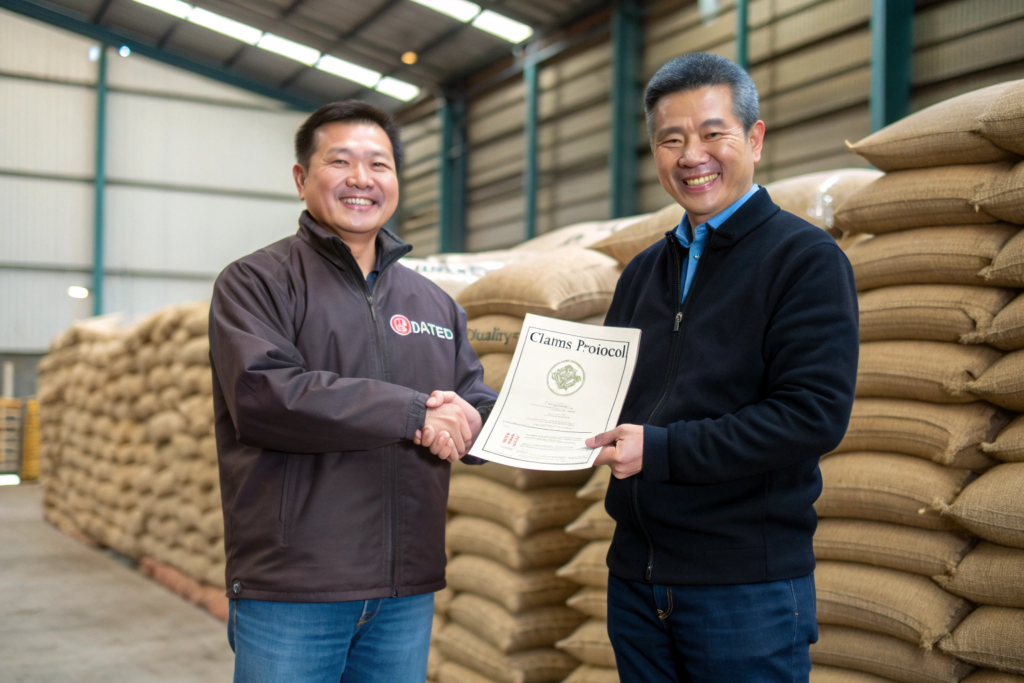
After a dispute, review your sales contract and claims protocol. Was there any ambiguity that made the process difficult? For example, after one dispute, we realized our definition of "representative sample" was too vague. We updated our protocol to specify the exact number of beans to be drawn from a precise number of bags, using a standardized sampling trier. This makes the evidence-gathering process much more scientific and less open to interpretation. Sharing these updated protocols with all your clients shows that you are a learning organization committed to excellence.
Why is transparency the ultimate prevention tool?
Ultimately, the best prevention is a deeply transparent partnership with your clients. This means providing them with as much information as possible upfront: pre-shipment samples, photos of the bags before loading, pictures of the container seal, and tracking information. When a client feels like they have full visibility into the process, it builds immense confidence. It shows you have nothing to hide and are confident in your operations. This transparency, combined with a robust, fair claims process, is the foundation of a lasting and profitable relationship in the global coffee trade.
Conclusion
Handling coffee bean returns and disputes is an inevitable part of the export business, but it doesn't have to be a destructive process. By establishing a clear, fair, and evidence-based claims process before any issues arise, you create a predictable path for resolution. The key lies in objectively assessing quality against pre-shipment samples, offering practical resolutions that are proportional to the problem, and, most importantly, using every dispute as a learning opportunity to strengthen your operations. This approach transforms a moment of conflict into a powerful demonstration of your integrity and reliability.
At the end of the day, a client knows that problems can happen. What they truly care about is how you respond when they do. A well-handled dispute can build more loyalty than a dozen perfect shipments because it proves you are a true partner who will be there for them when it counts.
If you are looking for a coffee supplier who not only delivers premium beans from Yunnan but also stands behind them with a transparent and fair process, we invite you to connect with us. Let's build a partnership based on quality and trust. Please reach out to Cathy Cai, our lead for North American accounts, at cathy@beanofcoffee.com to learn more about our quality assurance protocols and to request a sample.