You've loaded the drum with a pristine batch of high-scoring green beans. The roast profile is set. But then it happens—a power flicker, a misjudged temperature curve, an equipment quirk. The beans come out too dark, too light, scorched, or baked. That sinking feeling is visceral; you've just turned valuable inventory into potential waste. For any roaster, from a small craft operation to a large-scale producer, roast defects are an expensive reality. But how you handle them defines your professionalism, impacts your bottom line, and can even affect your brand's reputation.
Effectively handling damaged coffee beans requires a swift, systematic assessment to classify the defect type and severity, followed by strategic decisions: salvage through rigorous sorting and re-blending for specific product lines, repurposing for non-beverage uses, or controlled disposal. The core strategy is to minimize total loss while protecting the quality of your primary product lines.
Panic is the enemy. The first step is to calmly diagnose the problem. As an exporter, we see the end of this chain. The roasters who succeed long-term are those with clear protocols for when things go wrong, not just when they go right. Let's build that protocol.
How do you quickly assess and classify roast damage?
Not all roast defects are equal. A slightly uneven roast is different from a fully scorched batch. Immediate, objective assessment prevents good beans from being thrown out with the bad and guides your next steps.
Assess roast damage by conducting a visual and tactile inspection of the cooled beans, followed by a controlled cupping session. Classify the defect by type (scorching, tipping, baking, under-development, quakers) and severity (light, moderate, severe) to determine salvageability.
What are the visual signs of scorching, tipping, and baking?
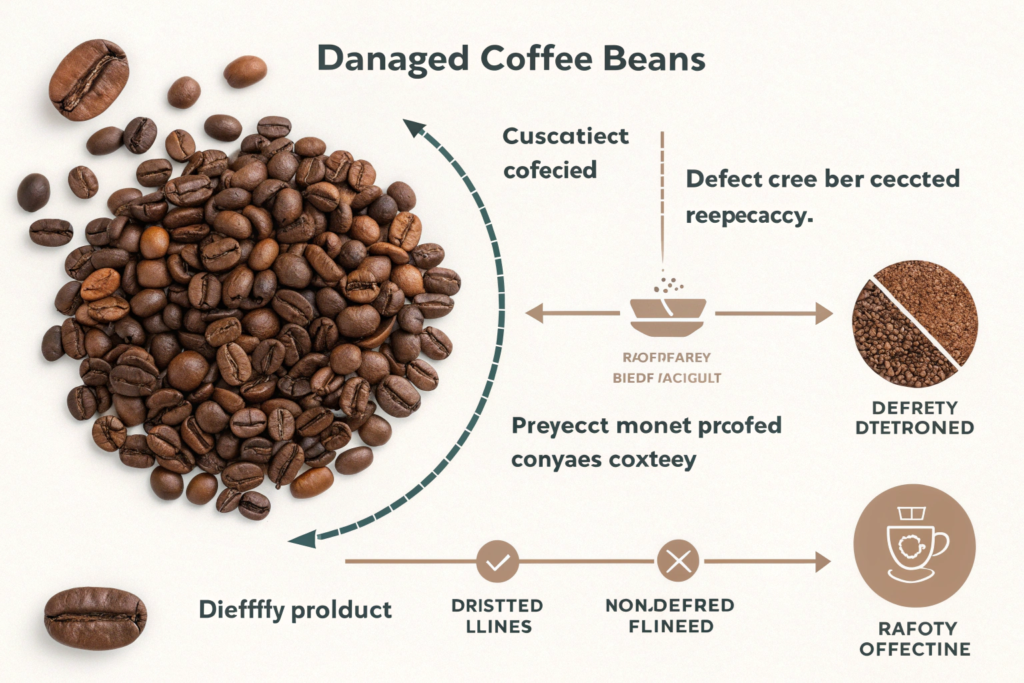
- Scorching: Dark, often black, patches or blisters on the flat surfaces of the beans (the "face"). Caused by excessive drum temperature at charge or too high an initial heat input. Feels rough.
- Tipping: Darkened, burnt tips and edges of the bean. Caused by excessive heat application, especially with high airflow, or needles on the drum. It's like the bean's extremities got "frostbite."
- Baking: The beans look flat, muted, and lifeless in color—lacking the rich, oily sheen of a proper roast. They are uniformly light brown but taste papery, grassy, and bland. Caused by roasting at too low a temperature for too long, essentially "cooking" rather than roasting.
- Under-development (Quakers): These are pale, yellowish beans visible post-roast. They never developed properly. They taste peanutty, grassy, and astringent. They are a green bean defect revealed by roasting, but if a batch is full of them, it indicates a roast that didn't generate enough energy to develop the beans.
How does cupping reveal hidden flavor defects?
Visual inspection only goes so far. You must cup the damaged batch. Brew it exactly as you would a good batch. The cupping will reveal:
- Scorched/Tipped Beans: Harsh, bitter, ashy, or smoky flavors that dominate.
- Baked Beans: A lack of sweetness and acidity; flat, cereal-like, or bread-dough flavors.
- Under-developed Beans: Sourness (not bright acidity), vegetal, and grassy notes.
Take detailed notes. Is the defect a background note or does it overpower every sip? This tells you if blending might work, or if the batch is a total loss.
What are the best methods for sorting and salvaging?
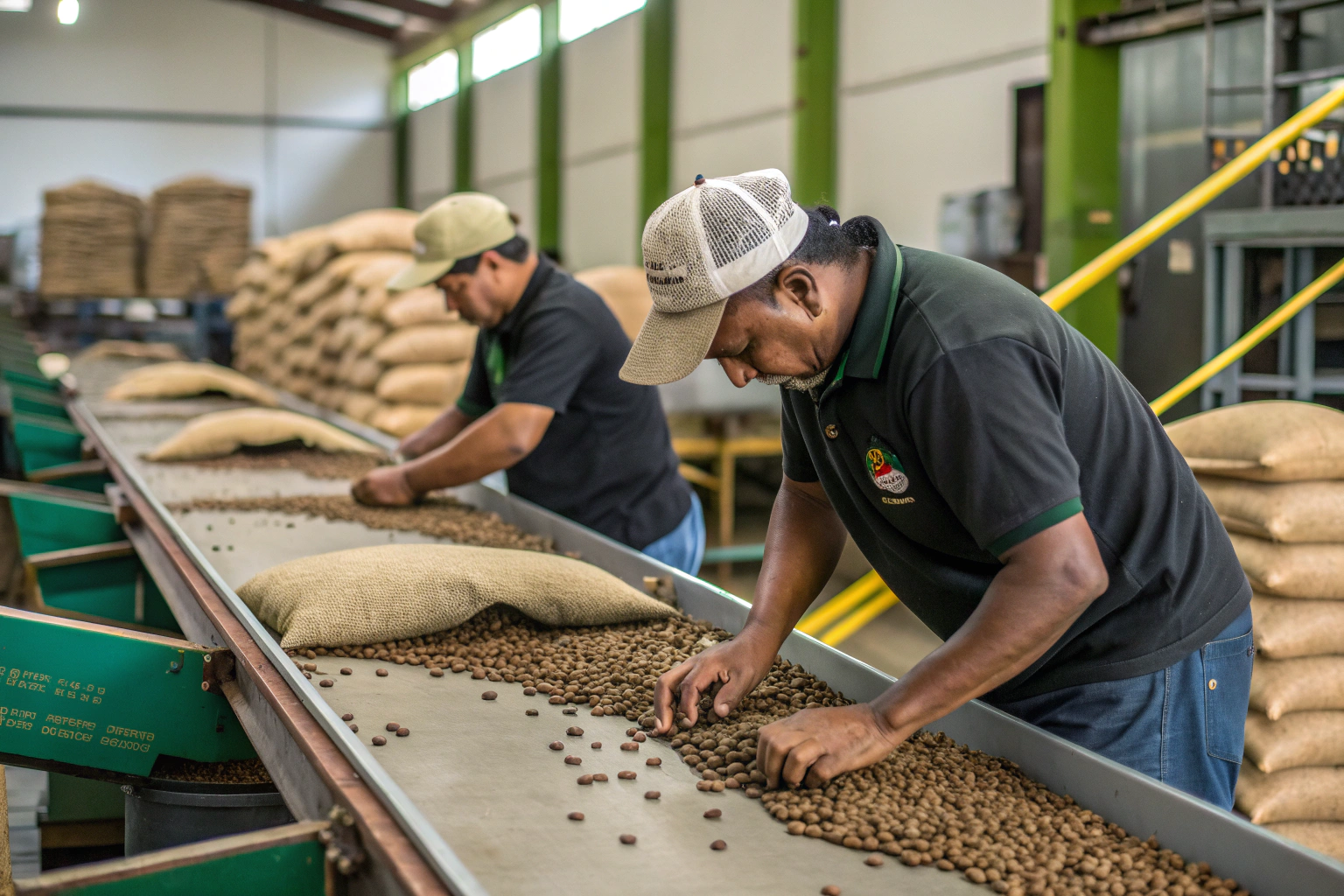
If the damage is not catastrophic, salvage is your most economical path. The goal is to isolate the bad from the salvageable good. This is labor-intensive but can save significant value.
The best salvage methods involve mechanical or manual sorting to remove defective beans, followed by strategic re-blending of the salvaged portion with a strong, complementary roast to mask minor flaws, creating a new, acceptable product line.Investing in sorting technology is an investment in loss prevention.
Can optical sorters or manual sorting effectively remove defects?
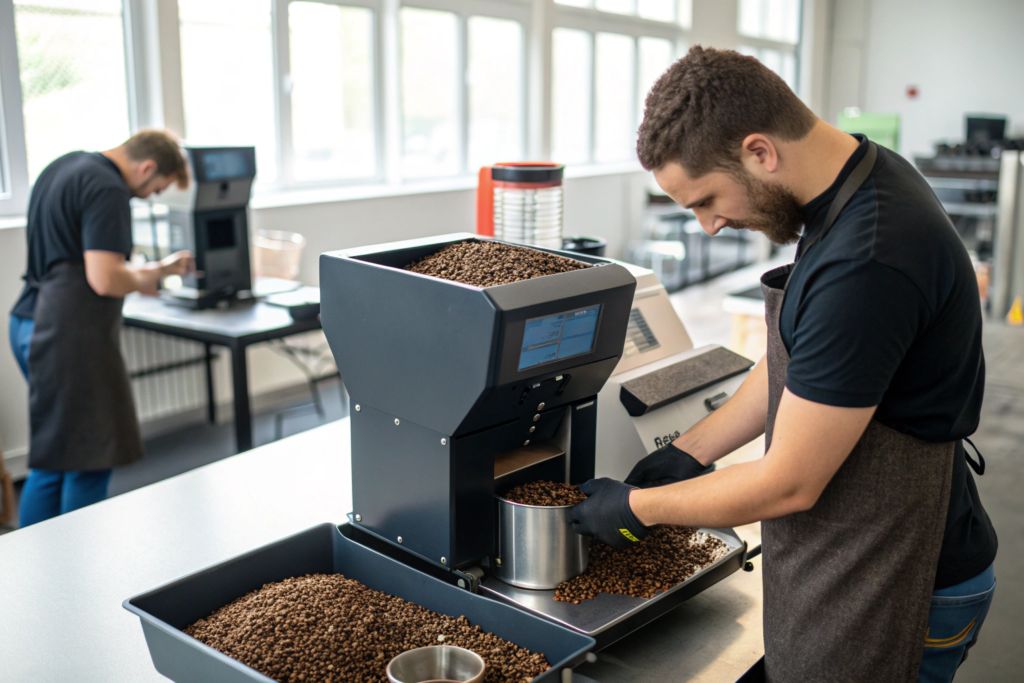
- Optical Sorters (like those from companies that serve the green coffee industry) are excellent for post-roast sorting. They use cameras and air jets to eject beans by color. They can be programmed to remove quakers (too light), scorched beans (too dark), and broken bits. For a medium-to-large roastery, they pay for themselves by recovering value from nearly every batch.
- Manual Sorting is the traditional method. Spread the beans on a backlit sorting table and have trained staff pick out defective beans. This is effective but slow and costly. It's most viable for small batches of high-value coffee where the labor cost is justified.
The key is speed. Sort immediately after assessment to prevent the defective batch from occupying space and mental energy.
What blending strategies can mask minor roast defects?
Blending is an art of compensation. Never blend two flawed batches hoping for a good result—you'll just get a larger batch of flawed coffee.
- The "Anchor" Blend: Use the salvaged, slightly under-roasted or baked beans as a minor component (10-20%) in a blend dominated by a very flavorful, well-developed, slightly darker "anchor" coffee. The anchor's strong caramelized sugars and body can cover the baked beans' flatness.
- The "Buffer" Blend: For a batch with slight tipping or minimal scorching, blend it at a low ratio into a blend intended for dark espresso or milk drinks. The roastiness of the dark beans and the sweetness of milk can absorb and mask subtle harsh notes.
- Create a "House Blend" or "Second Tier" Product: Be transparent internally, but market this as a more affordable, robust option. Never misrepresent it as your premium single-origin. At Shanghai Fumao, even our green bean supply is sorted to minimize this risk for our clients, but roasters must have their own salvage protocol.
When should you repurpose or dispose of damaged beans?
Some batches are beyond salvage for beverage use. The flavor defects are too severe, or the cost of sorting exceeds the value. In these cases, you must find alternative value streams or dispose of them responsibly to protect your brand.
Repurpose beans when defects are severe but not tainted (e.g., very dark roasts, baked batches) for non-beverage products. Dispose of beans immediately if they pose any health risk (mold, foreign contamination) or are so severely burnt they cannot be repurposed.
What non-beverage products can you make from damaged beans?
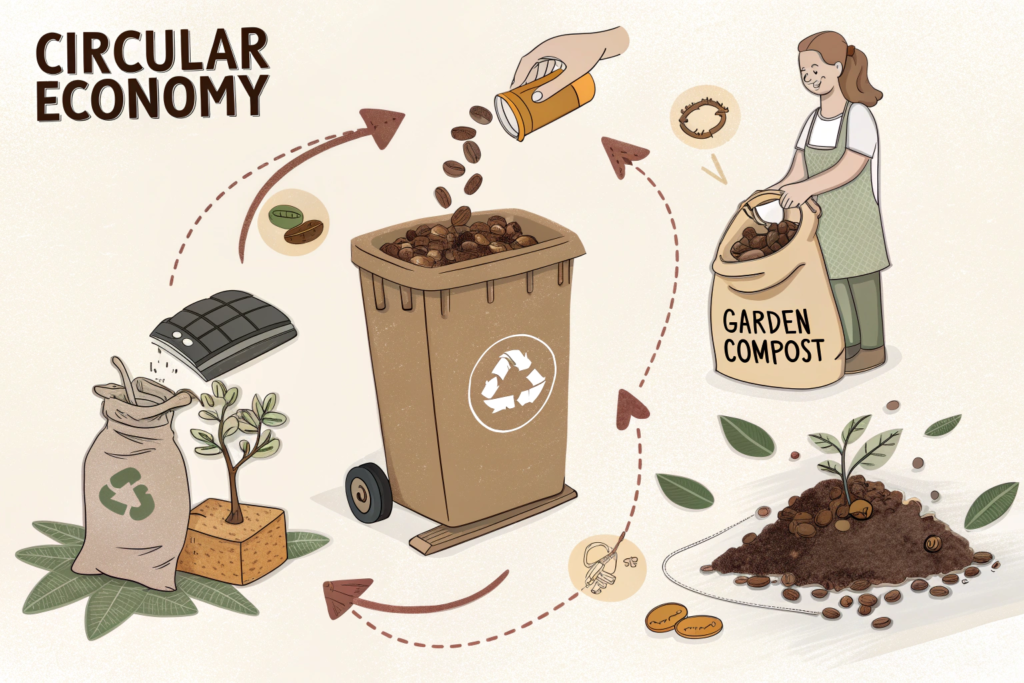
- Coffee-Infused Products: Grind the beans and use them as an exfoliant in coffee soap, scrubs, or candles. The aroma of coffee remains appealing even if the flavor is off. This can be a lucrative side-business or a way to build brand awareness through merchandise.
- Garden Compost or Mulch: Coffee grounds are nitrogen-rich. Partner with a local community garden or offer free "coffee compost" to customers. It's excellent PR and sustainability storytelling.
- Animal Bedding (for some species): In some agricultural settings, spent coffee chaff and very dark roasted beans can be used. Research thoroughly first.
- Art or Crafts: For a truly creative approach, use them for mosaics, filler in decorative pieces, etc.
The key is to move the product out of your food inventory and into a separate cost center or revenue stream.
What are the ethical and brand-safe disposal methods?
If repurposing isn't viable, dispose with care. Never just dump large quantities in the trash where they could attract pests or create odor issues.
- Commercial Composting: If available in your area, this is ideal. It completes the sustainability loop.
- Controlled Landfill Disposal: Bag the beans securely to prevent scattering and dispose of them as general waste. This is a last resort.
Crucially, document the batch, the reason for disposal, and the method. This is part of your quality management system. It shows diligence if ever audited and helps you analyze failure rates to prevent future occurrences. A professional operation has a paper trail even for its waste.
How do you analyze the root cause to prevent future damage?
A damaged batch is a costly lesson. The real loss isn't just the beans; it's the missed opportunity to learn. Every defect should trigger a root cause analysis (RCA) to prevent recurrence.
Conduct a root cause analysis by reviewing roast logs and machine data, inspecting equipment, and evaluating green bean quality. Implement corrective actions like recalibrating probes, adjusting profiles, or changing suppliers, and update your Standard Operating Procedures (SOPs).
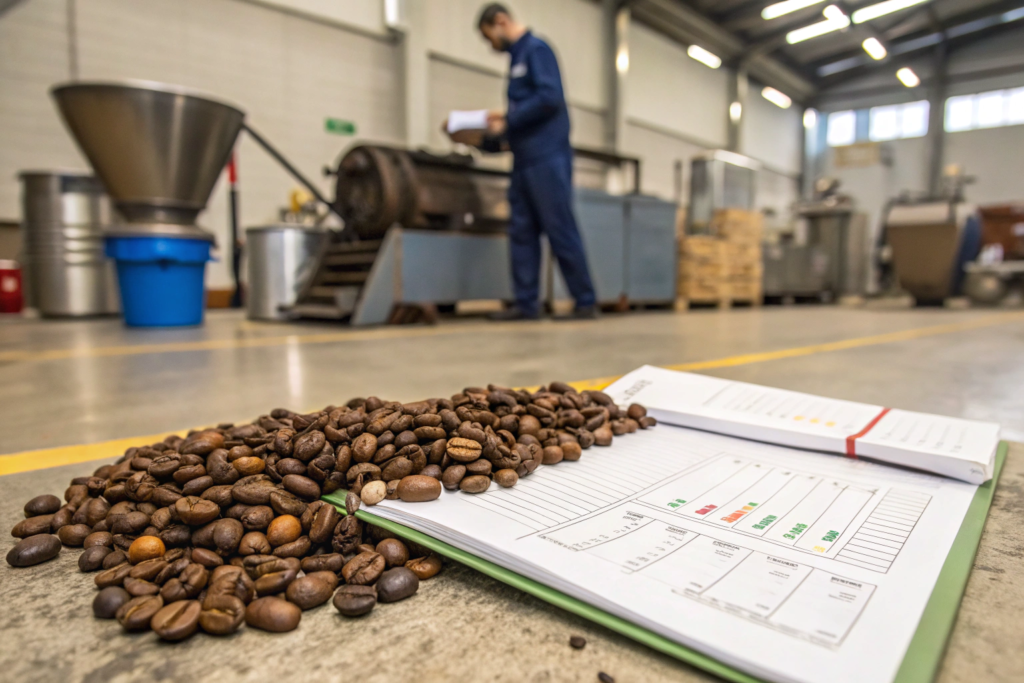
How to use roast curve data to diagnose machine or profile errors?
Your roast logging software (like Cropster, Artisan, etc.) is your flight recorder. When a defect occurs, immediately save and label that roast curve.
- Scorching/Tipping: Look for an excessively high Rate of Rise (RoR) at the start of the roast, or a steep turning point.
- Baking: Look for a flat, declining RoR throughout the roast, with a long total time and insufficient development time.
- Uneven Roast: Look for erratic bean temperature probes or abnormal drum speed.
Compare the faulty curve to a recent successful curve of the same coffee. The difference is your clue. Was it the operator, the profile, or the machine?
Should you adjust your standard profiles for different bean densities?
Absolutely. This is a common root cause. A dense, high-altitude Yunnan Arabica behaves differently from a softer, lower-altitude Brazilian. Using the same profile for both is asking for trouble.
- Dense Beans: Need more initial energy and a longer roast to penetrate the dense structure and develop sugars fully. Under-roasting them leads to grassy, sour under-development.
- Less Dense Beans: Need a gentler start and less total heat to avoid scorching the more porous exterior.
Your SOP should mandate creating and validating a specific profile for each new green coffee lot you receive. This is why we provide density and moisture data with our shipments from Shanghai Fumao—it gives roasters the information needed to build a safe, effective profile from the first test batch.
Conclusion
Handling damaged coffee beans is an inevitable part of the roasting business, but it doesn't have to be a crippling one. A professional approach transforms a crisis into a controlled process of assessment, salvage, repurposing, and, most importantly, learning. By having clear protocols for each stage, you protect your brand's quality reputation, improve your operational efficiency, and turn losses into opportunities for improvement and even innovation.
The most successful roasters are not those who never make mistakes, but those who have systems to manage mistakes effectively and extract maximum value from every bean, in one form or another.
As your green bean supplier, our role is to provide you with the most consistent, high-quality raw material to minimize your risk at the first stage. If you are a roaster looking to stabilize your supply chain and reduce variables before the beans even hit your drum, let's discuss how our vertically-integrated Yunnan lots can contribute to your quality control. Contact our Export Manager, Cathy Cai: cathy@beanofcoffee.com. Let's build a more reliable roast together.