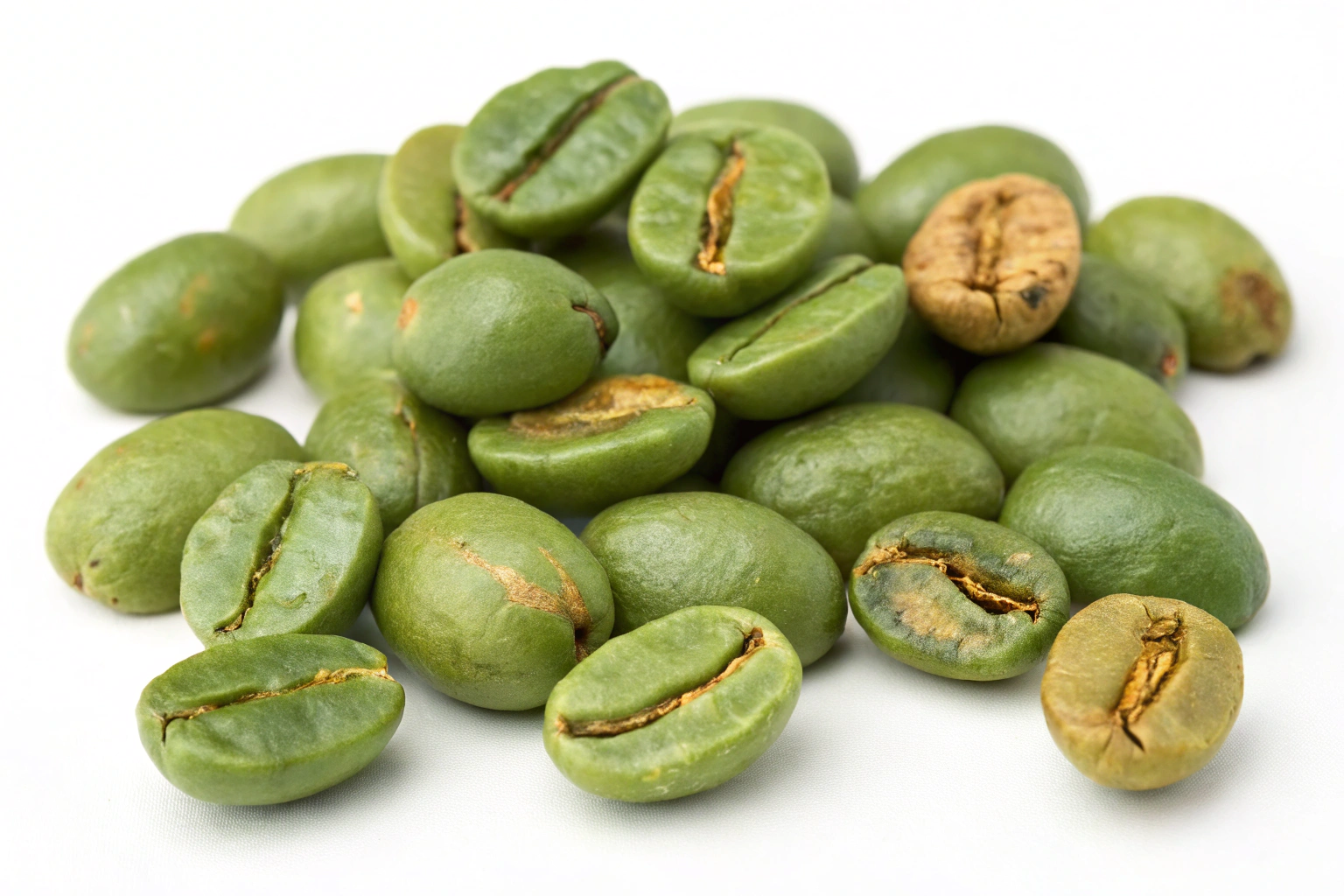
You’ve just received a sample of green coffee beans. The price looks good, the origin story sounds promising. But then, you look closer. You see a tiny, almost imperceptible hole in a bean. Then another. Suddenly, you're not sure. Insect damage is one of the most common, yet often overlooked, defects in green coffee. It directly impacts your roast, your yield, and ultimately, the taste in the cup. For a buyer, knowing how to spot this isn't just a quality check—it's financial protection.
Insect damage in green coffee beans primarily manifests as small, round holes (often less than 1mm in diameter) bored into the bean. The most common culprit is the Coffee Berry Borer (Hypothenemus hampei). Damage can range from superficial surface nibbling to deep, tunneling holes that hollow out the bean, leading to weight loss, uneven roasting, and off-flavors like sourness, mold, or mustiness.
This isn't just about a few bad beans. A high incidence of insect damage signals deeper problems in the supply chain—poor farm management, inadequate pest control, or lax sorting post-harvest. As an exporter with our own plantations, we at Shanghai Fumao treat this with zero tolerance. Let me walk you through exactly what to look for, why it matters, and how to ensure the beans you buy are clean.
Visual Signs: The First Line of Defense
Your eyes are your best tool. Before you even think about roasting or cupping, you need to do a visual inspection. Spread a 100-gram sample on a brightly lit, white tray. The contrast is key. Now, look for the telltale signs.
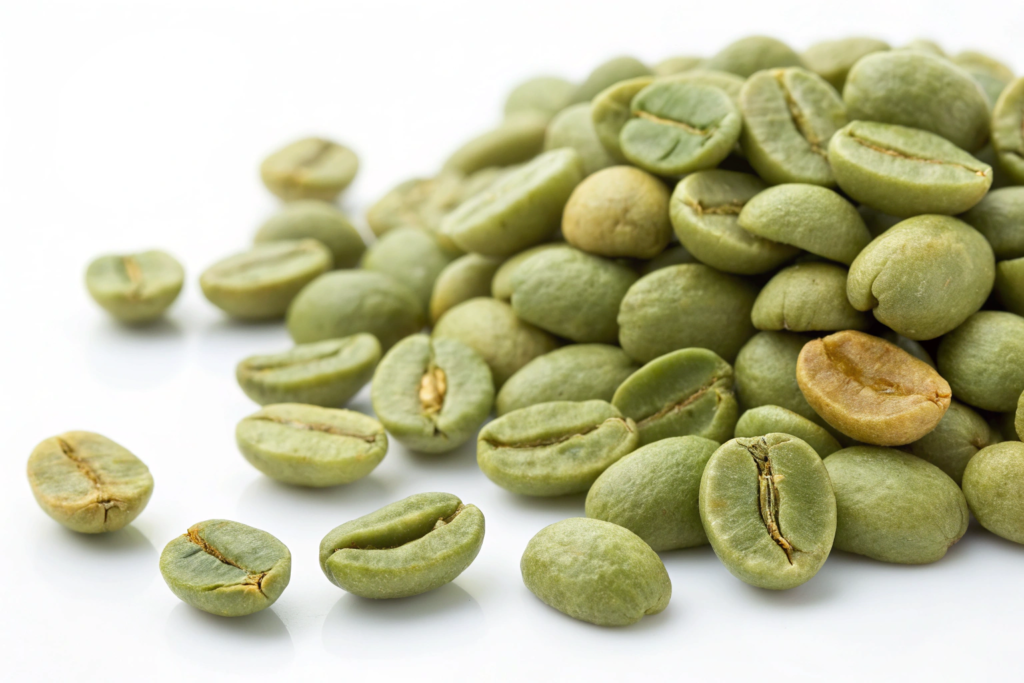
The most obvious sign is the borehole. It looks like a tiny, dark pinprick, usually on the flat side (the silverskin side) of the bean. It’s perfectly round and often has a slight brownish discoloration around the rim. Sometimes, you’ll see multiple holes in a single bean. In severe cases, the bean might look shriveled or have an irregular shape because the insect larva fed on the inside. Don't just look at the surface; beans can be damaged on the sides too. A good trick is to gently shake the beans on the tray. Severely damaged, hollow beans are often lighter and might move differently. This first visual sweep will give you a quick percentage estimate of the problem.
What does the Coffee Berry Borer's specific damage look like?
The Coffee Berry Borer (CBB) is public enemy number one. The adult female beetle bores into the coffee cherry while it's still on the tree, usually through the tip, and lays eggs inside the seed (the bean). The larvae then eat the bean from the inside out. So, the hole you see on the green bean is often the exit hole made by the new adult beetle leaving. This means the damage is already done internally. The bean is hollowed out. When you find a bean with a hole, try to split it with your fingernail. A healthy bean is hard to split. A borer-damaged bean often crumbles or reveals a hollow, powdery interior filled with frass (insect waste). This is a critical defect. The Specialty Coffee Association (SCA) classifies this as a "full defect," and just one such bean in a sample can significantly downgrade the lot's quality score.
Are there other insects that cause different types of damage?
Yes. While the CBB is the worst, other pests leave different marks. The Green Coffee Scale or other sucking insects can cause beans to develop poorly, resulting in small, shriveled, or "peaberry-like" malformed beans that are not true peaberries. These beans are underdeveloped and roast unevenly. Another issue is storage pests, like the cigarette beetle or the coffee weevil. These can attack beans after harvest during storage. Their damage might look similar to CBB, but it happens off the farm, indicating problems in the warehouse. Knowing the difference helps you pinpoint where in the supply chain the quality failure occurred. It informs the conversation with your supplier about their control measures from farm to warehouse.
Physical and Roast Tests: Confirming the Damage
Seeing a hole is one thing. Understanding its impact is another. Damaged beans behave differently. They are physically weaker and have different density. This becomes glaringly obvious during roasting and brewing.
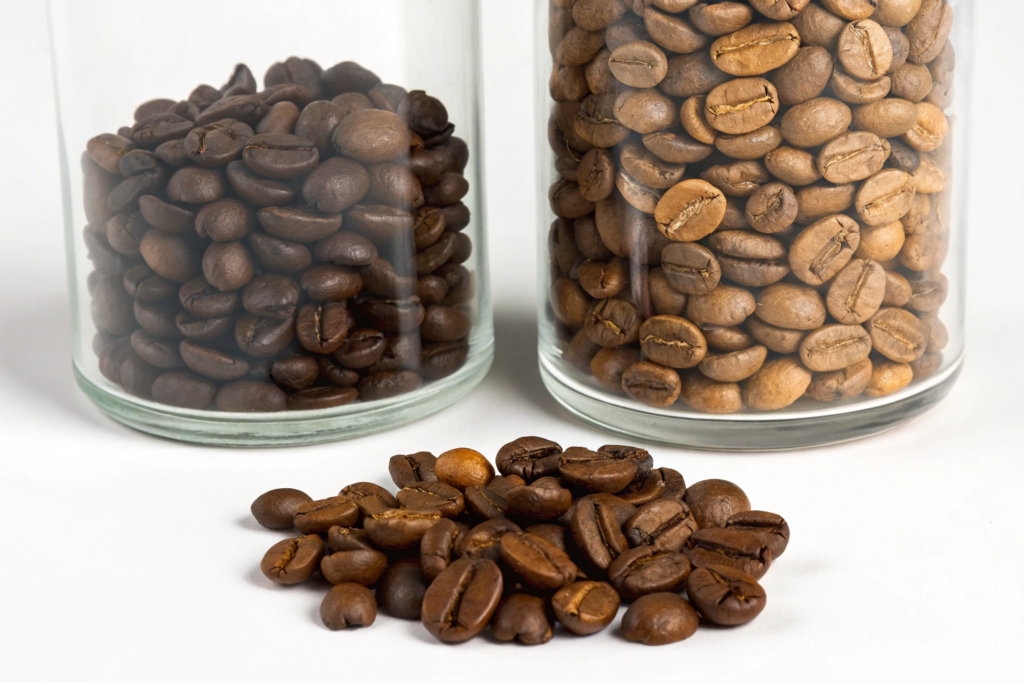
Take a sample of 100 beans and drop them into a glass of water. Most healthy, dense beans will sink. Severely insect-damaged, hollow beans will often float. This simple flotation test is a quick density check. The real test, though, is the roast. When you roast a batch containing insect-damaged beans, they react differently to heat. Because they are hollow or less dense, they heat up much faster. They often become tiny, jet-black, charred fragments long before the rest of the beans reach the desired roast level. These "quakers" or "roaster burners" create two big problems: First, they release bitter, acrid, and smoky flavors that can contaminate the entire batch. Second, they can break apart during roasting or cooling, creating fine chaff that is a fire hazard in your roaster.
How does insect damage lead to defective cups?
The link is direct. A bean hollowed out by an insect has lost a significant portion of its sugars and other compounds that develop flavor during roasting. What's left often roasts into a sour, papery, or musty taste. In a cupping session, these beans can cause specific "defect flavors." You might taste a sharp, unpleasant sourness (not the bright acidity of good coffee), a flat earthiness, or a distinct musty note. Sometimes, the holes allow moisture and microorganisms to enter, leading to mold or fermentation defects. Even a small percentage of these beans—as low as 2-3% by count—can drag down the score of an otherwise excellent lot. That's why pre-shipment inspection that includes defect count is non-negotiable.
What is the industry standard for acceptable defect levels?
The industry uses standardized grading. The SCA's Green Coffee Classification system is a good reference. For specialty coffee, the threshold is very low. A sample of 350 grams should contain no more than 5 full defects (which include severe insect damage, black beans, sour beans). Each insect-bored bean typically counts as one full defect. For commercial grades, the allowance is higher, but it still affects price. A professional pre-shipment inspection report will list the defect count per 300-gram sample. As a buyer, you should specify your maximum tolerance for insect damage in your contract. For our export contracts at BeanofCoffee, we guarantee our green beans are within specialty grade limits for insect damage, backed by inspection certificates.
Prevention and Supplier Questions: Sourcing Clean Beans
The best way to deal with insect damage is to prevent it from ever getting into your bag. This happens at the farm and processing mill. When evaluating a new supplier, you need to ask the right questions about their Integrated Pest Management (IPM) strategies.
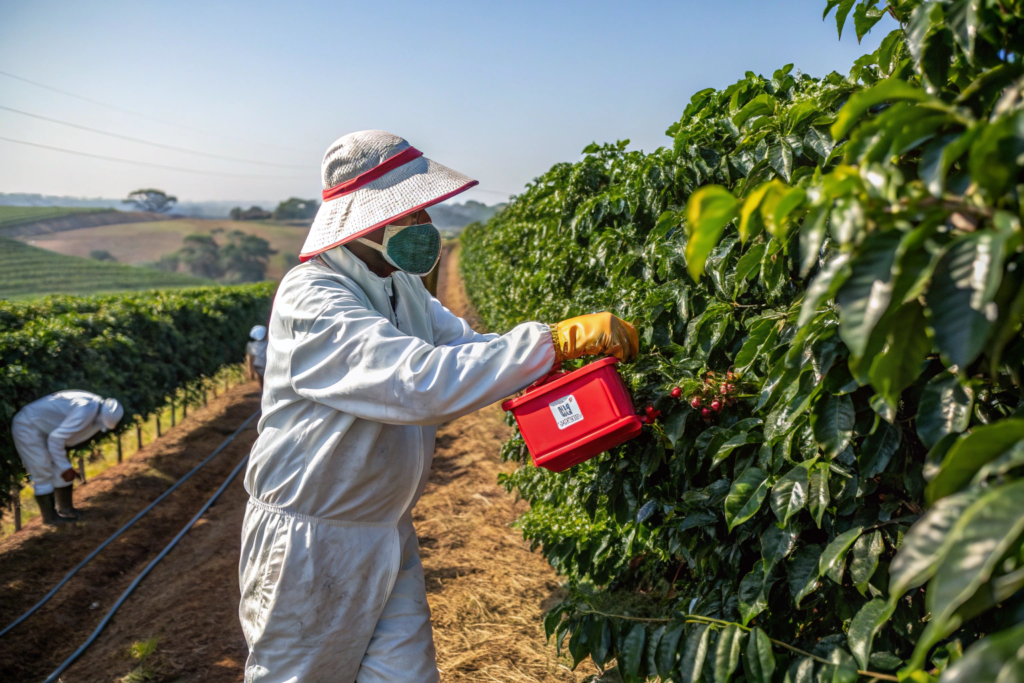
Good suppliers don't just spray pesticides. They use a combination of methods. This includes cultural controls like strict harvest cycles to remove all cherries (including old ones harboring borers), pruning for better air flow, and maintaining farm hygiene. Biological controls are increasingly important—using beneficial fungi like Beauveria bassiana or parasitic wasps that specifically target the CBB. Trapping with alcohol-based traps is also common. Finally, post-harvest, a critical step is using advanced optical sorters and gravity tables. These machines can detect and eject beans with boreholes based on color, size, and density—something human sorters can miss after hours of work. Our investment in such technology at our Shanghai Fumao processing center is a direct response to our buyers' zero-tolerance for defects.
What questions should you ask your supplier about pest control?
Don't be shy. Ask directly: "What is your specific protocol for controlling Coffee Berry Borer on your farms?" Listen for specifics. Ask: "Do you use optical sorters or electronic eyes in your final sorting process?" Ask for their standard defect count reports from previous shipments. A transparent supplier will have this data and might even share photos or videos of their farm management practices. Also, inquire about their warehouse hygiene—how they store green beans to prevent infestation after processing. Their answers will tell you if they are proactive or reactive. A vague answer is a red flag.
How does a direct partnership with plantations help?
This is the core of our model. Because we own and control over 10,000 acres in Yunnan, we manage the entire chain. We can implement a company-wide IPM program. We train our own farming teams in scouting and proper harvesting. We control the timing from harvest to processing to minimize the window for infestation. And we have the volume to justify investment in the best sorting equipment. When you buy from a direct plantation-exporter like us, you're not just buying beans; you're buying into a controlled system. The accountability is clear. There's no passing the blame to an anonymous middleman or smallholder collective. The quality guarantee is stronger because we see the process from day one.
Corrective Actions: What to Do If You Find Damage
So, you've inspected a shipment or a sample, and you've found insect damage levels above your agreed tolerance. What now? First, don't panic. But you must act methodically. This is where your contract and your relationship with the supplier are tested.
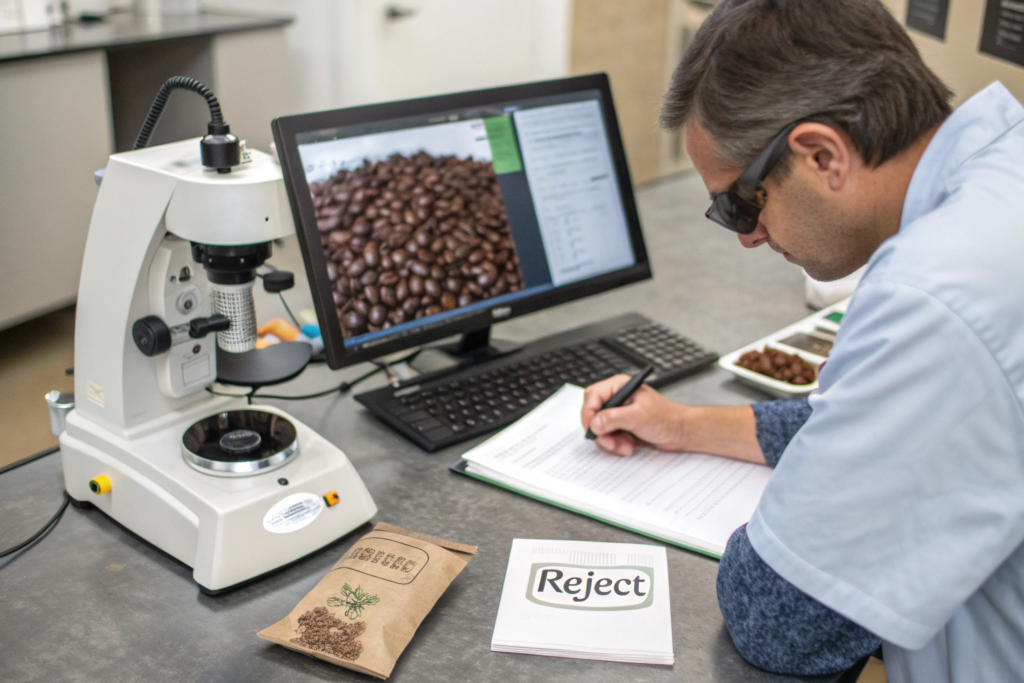
Document everything immediately. Take clear, high-resolution photos of the defective beans against a plain background. Use a macro lens if possible to clearly show the holes. Weigh out a 300-gram sample, count the defective beans, and calculate the percentage. Compare this to the specification in your contract or the supplier's pre-shipment report. Then, contact your supplier right away. Present the evidence calmly and factually. A reputable supplier will want to resolve this. Options may include a price discount proportional to the defect level, a replacement of the affected portion, or in severe cases, a rejection of the entire lot before it even ships. This is why securing a payment term that leaves you leverage (like a balance payment after inspection) is crucial.
Can damaged beans be salvaged or re-sorted?
Sometimes, if the overall quality is good and the damage incidence is low but above spec, re-sorting is an option. This involves running the entire lot through high-density gravity tables or fine-mesh screens again. However, this is costly, causes weight loss (the hollow beans are removed), and is the supplier's responsibility, not yours. You should not accept additional cost or labor for this. The goal is to receive beans that meet spec on arrival. As a buyer, your best position is to insist the supplier performs this corrective action before the container is shipped. This is why the pre-shipment sample and inspection are so critical—they catch the issue early.
How does this affect long-term supplier relationships?
Honesty builds stronger partnerships. If you find an issue, communicate it transparently. A good supplier will see this not as an attack, but as valuable feedback to improve their process. It shows you are a serious, quality-focused buyer. For us, such feedback has led to adjustments in our sorting lines. It makes us better. However, if a supplier is consistently defensive or fails to address repeated issues, it may be time to find a new partner. Your coffee quality is your brand's reputation; you cannot let it be compromised at the green bean stage.
Conclusion
Identifying insect damage in green coffee beans requires a multi-step approach: a meticulous visual hunt for tiny boreholes and shriveled beans, confirmation through density tests and roast trials, and a deep understanding of its root causes in farm management. For importers and roasters, this skill is essential to protect product quality, roasting consistency, and profitability.
Building a relationship with a vertically integrated supplier who prioritizes pest management from the farm forward is the most effective long-term strategy. At BeanofCoffee, our direct control from our Yunnan plantations to our sorting facilities is our commitment to delivering clean, defect-minimized beans. You shouldn't have to be a detective with every shipment. For coffee beans you can trust, request samples and ask us about our IPM and sorting protocols. Let's ensure your next container is free from defects. Contact our quality assurance lead, Cathy Cai, to start a conversation: cathy@beanofcoffee.com.