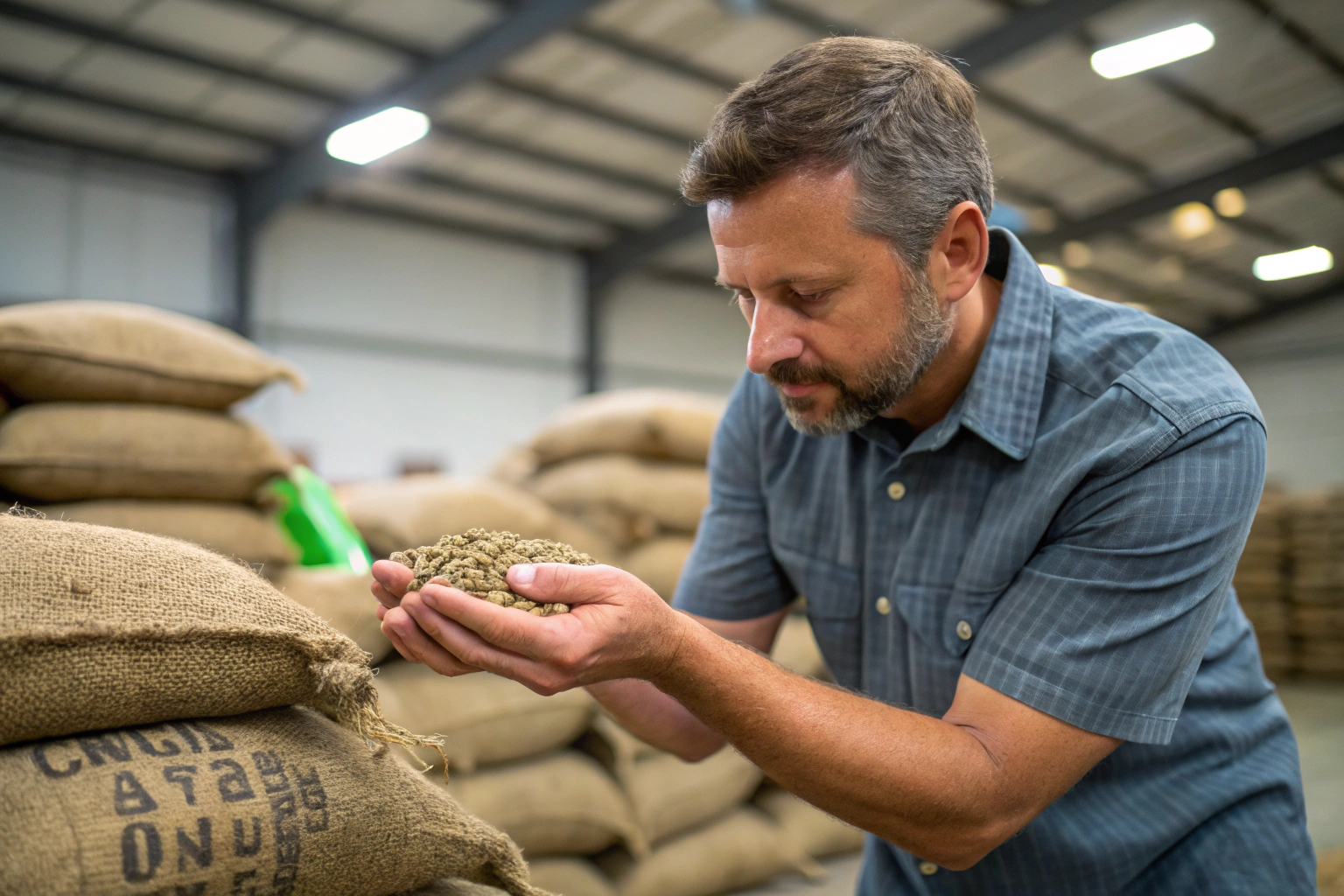
Are you a buyer like Ron, constantly worried that you might be paying a premium for past crop beans disguised as the fresh new harvest? It’s a common fear in our industry. You receive a sample, it looks okay, but a nagging doubt remains. This uncertainty can lead to sleepless nights, wondering if the final shipment will deliver the vibrant, acidic notes your customers expect, or if you'll be stuck with flat, woody-tasting coffee that damages your brand's reputation. Honestly, it's a massive headache.
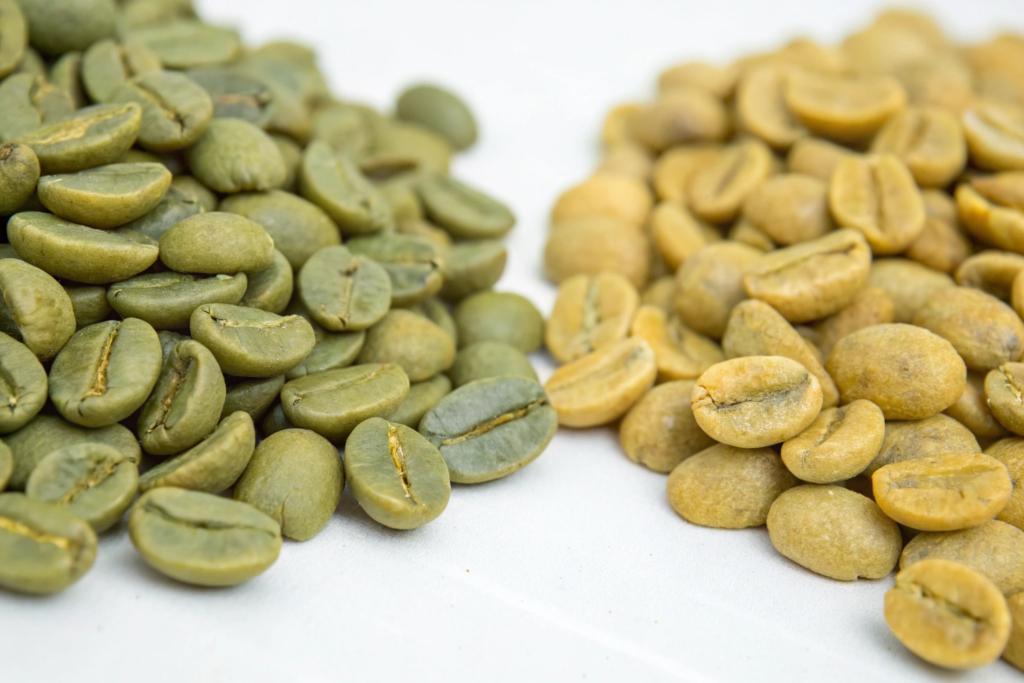
The key to identifying past crop coffee is to trust your eyes first. Fresh, high-quality green coffee beans should have a vibrant, consistent bluish-green or greenish-gray color. Past crop beans, in contrast, often appear faded, pale, yellowish, or even brownish. This color degradation is a direct result of aging and exposure to environmental factors, which causes a loss of chlorophyll and other chemical changes within the bean structure.
As a coffee plantation owner in Yunnan with over 10,000 acres, I've seen my share of beans, both fresh and old. I understand the pressure buyers are under to secure quality, and I want to pull back the curtain. You don't need a high-tech lab to make a solid first assessment. In this article, I'll walk you through the visual cues I use myself to distinguish a fresh harvest from an old one. We'll look at color, texture, and other subtle signs that tell the real story of the bean. Let's get your confidence back.
What Are the Telltale Color Changes in Old Beans?
Have you ever looked at a sample of green coffee beans and felt something was just... off? The color seems dull, lifeless, and you suspect they aren't from the latest harvest. This is a huge problem because old beans can lead to a flat, uninspired cup, which is the last thing you want for your customers. You're worried about the financial loss and the damage to your reputation if you make the wrong call.
The most reliable visual indicator of an old coffee bean is a noticeable loss of its vibrant green color. Freshly harvested and properly dried beans typically display a healthy bluish-green to greenish-gray hue. As beans age, they fade. This isn't a subtle shift; they can turn pale, yellowish, or even take on a distinct brownish tone. This happens because the chlorophyll within the bean degrades over time, a process accelerated by exposure to light and heat. Think of it like a leaf changing color in the fall; it's a natural aging process.
So, what does this mean for you? It means that color is your first line of defense. When a sample arrives, spread the beans under good, neutral light. If you see a mix of vibrant greens and pale yellows, it’s a red flag. It could indicate a blend of different-aged crops. At my company, Shanghai Fumao, we ensure consistency by carefully managing our harvest lots from our Baoshan plantations, so every bean reflects the quality of the current crop year.
Why Do Fresh Beans Look Bluish-Green?
The characteristic bluish-green or greenish-gray color of high-quality, fresh green coffee is a sign of a well-handled bean. This specific hue comes from the preservation of chlorophyll and other natural compounds within the bean's cellular structure after processing. When you see this color, it suggests the coffee was picked at peak ripeness, processed correctly, and dried to the ideal moisture content—typically between 10-12%. This stable state is what preserves the potential for the bright acidity and complex flavors you expect from a specialty coffee. It’s a visual promise of the quality locked inside.
What Causes the Yellow or Brown Tint in Old Beans?
The shift to a yellow or brown color is a clear sign of oxidation and chemical degradation. Over time, exposure to oxygen, heat, and light breaks down the delicate organic compounds within the coffee. The chlorophyll fades, and the bean's appearance dulls significantly. This isn't just a cosmetic change; it directly correlates with flavor loss. The vibrant acids mellow into flatness, and the complex aromatics are replaced by woody, papery, or even musty notes. When you see that brownish tint, you're seeing a bean that has lost its vitality and is well past its prime. It's a visual warning that the resulting cup will likely be disappointing.
Do Wrinkles and Texture Signal an Old Bean?
You've got a sample of beans, and beyond the color, you notice the texture. Some beans look smooth and dense, while others appear wrinkled and almost fragile. You start to wonder, "Is this a sign of age?" It's a valid concern. The wrong texture could mean the beans will roast unevenly, leading to inconsistent flavor and a batch you can't sell. You're trying to avoid the headache of a failed roast and the financial hit that comes with it.
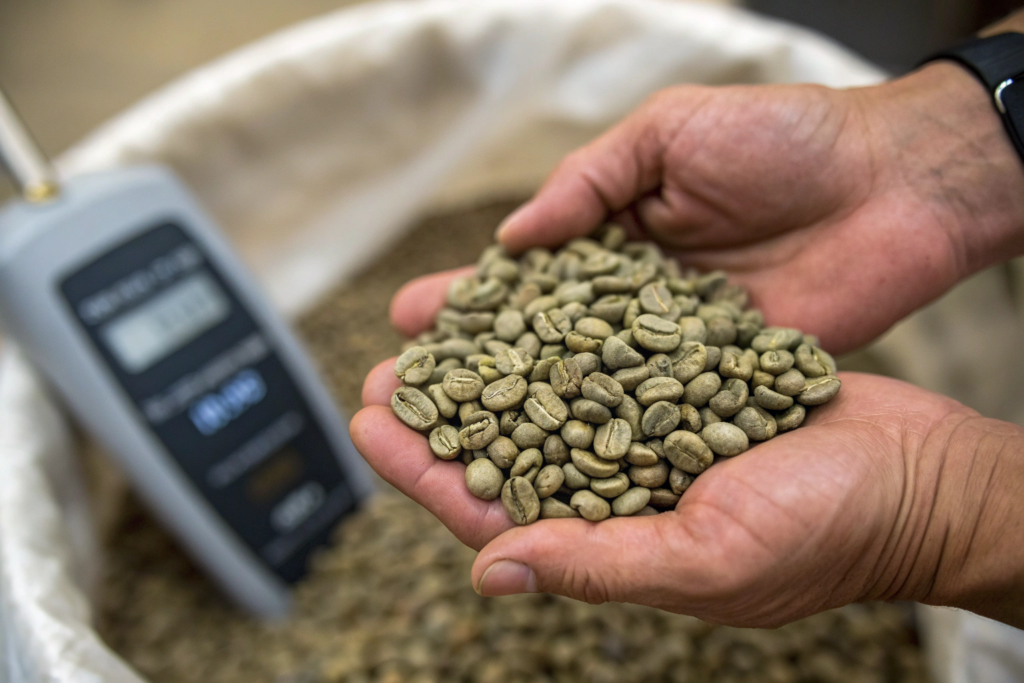
While some minor wrinkling can be normal from the drying process, excessively wrinkled, shriveled, or low-density beans are often a sign of an old crop or poor storage conditions. Fresh beans should feel hard and dense in your hand. As beans age, they lose moisture and their internal structure weakens, becoming less dense. This moisture loss can cause the surface to appear shrunken or withered. You know? It's a bit like a grape turning into a raisin.
Another way to look at this is through the lens of processing. Drought conditions during the growing season can also lead to withered beans, but when you see this characteristic combined with a faded, yellowish color, it's a strong indicator of age. At our plantations in Yunnan, we have the advantage of controlling the entire process, from cultivation to drying. This allows us to ensure our beans, whether they are Arabica, Robusta, or Catimor, have the solid density and smooth texture that signify a fresh and healthy crop, ready for a perfect roast.
Are Smooth Beans Always Fresh?
Generally, a smooth, dense surface is a good sign, but it's not an absolute guarantee of freshness on its own. A fresh, properly dried bean will feel solid and heavy for its size. This density is crucial because it allows the bean to absorb heat evenly during roasting, which is fundamental for developing complex flavors. However, you must consider this alongside color. A bean could be smooth but still show the tell-tale yellowish tint of age. Think of it as a two-part check: the ideal bean is both vibrant in color and dense in texture. You can find more information on bean quality from resources like the Specialty Coffee Association (SCA).
Can a Bean Be Wrinkled and Still Good?
Yes, but it's all about the type of wrinkle. Some slight wrinkling or a visible center cut is a natural result of the bean shrinking during the initial drying phase after harvest, and this is perfectly normal. High-altitude beans, which are often very dense, can sometimes show slight wrinkling in their light-roasted form. The problem arises when the beans look excessively shriveled, withered, or feel light and brittle. This indicates significant moisture loss over a long storage period, which will negatively impact the roast. So, a few character lines are fine; a deeply wrinkled appearance is a warning sign.
What Other Visual Defects Indicate an Old Crop?
So you've checked the color and the texture. But what else should you be looking for? You're worried that you might miss a subtle defect that points to an old or poorly stored crop. It's the small details that can make the difference between a good buy and a bad one. Overlooking something like insect damage or inconsistent sizing could lead to an uneven roast and a tainted final product, and nobody wants that.
Beyond color and wrinkles, several other visual defects can signal an old or improperly stored crop. Pay close attention to insect damage, which often appears as small, black pinholes in the bean. This is a sign that the beans were not stored securely. Another key is uniformity. A high-quality lot should have beans of a relatively consistent size and shape. Wildly different sizes will lead to an uneven roast, as smaller beans will burn before larger ones are fully developed.
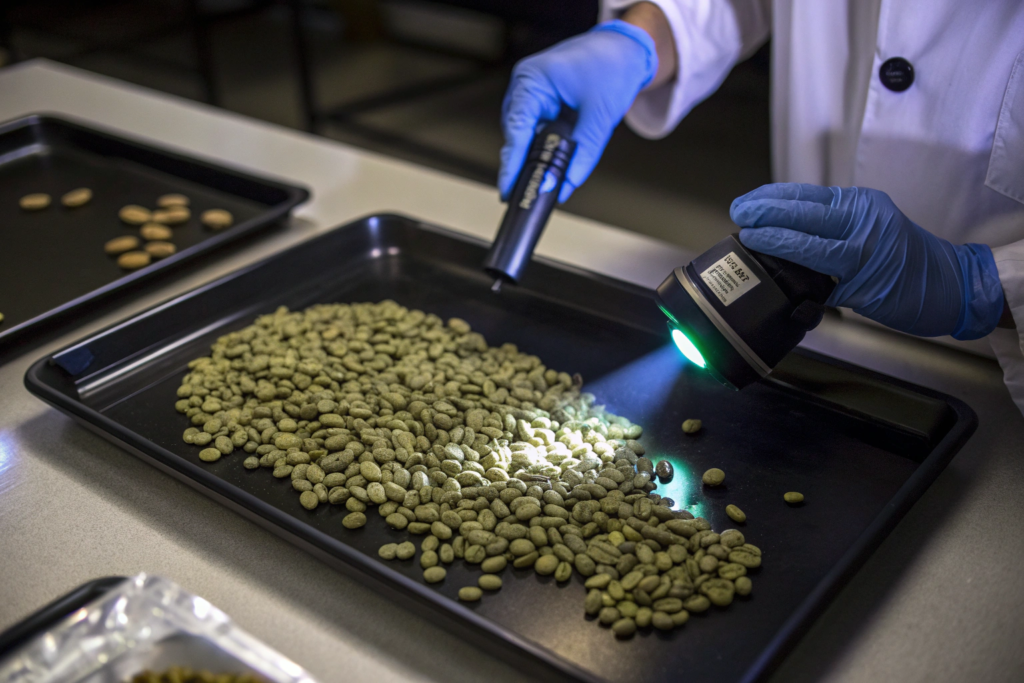
Another thing to look for is mold or black spots, which can occur if the beans were exposed to too much moisture during storage. Honestly, this is a major defect. At Shanghai Fumao, we use hermetic bags for storage, which create a stable environment that protects against moisture and oxygen, preserving the beans' quality for longer. You can also use a UV flashlight in a dark room; damaged or moldy beans will often glow, making them easy to spot. It’s a simple but effective trick of the trade.
How Does Bean Size Uniformity Relate to Age?
While size uniformity itself doesn't directly date a bean, a lack of it in a sample can be a red flag for how the lot was handled and stored. A single, well-managed harvest will typically produce beans of a similar size after sorting. If you receive a sample with a jumble of large and small beans, it could mean that lots from different harvest times or even different farms have been mixed together. This is a common practice to get rid of older, less desirable stock. Therefore, while not a direct sign of age, it's a strong indicator of poor lot management, which often goes hand-in-hand with older beans. Using coffee analysis tools can help quantify these inconsistencies.
What Do Black Spots or Mold Mean?
Black spots or visible mold are serious defects that often point to improper storage and high moisture. Green coffee is hygroscopic, meaning it readily absorbs moisture from the air. If stored in a humid environment, especially for a long time, the moisture content can rise above the safe 12% threshold, creating a perfect breeding ground for mold and fungi. This not only ruins the flavor, creating musty or moldy tastes, but can also be a health concern. Seeing any sign of mold is an immediate reason to reject a sample. It's a clear signal that the beans have been compromised, likely due to prolonged and poor storage.
How Can I Be Sure I'm Getting a Fresh Crop?
You've learned the visual cues: the faded color, the wrinkled texture, the various defects. But even with this knowledge, a shadow of doubt can remain. You think, "How can I be 100% certain?" The core problem is trust. You're investing significant capital and your brand's reputation in a supplier who might be thousands of miles away. You're tired of the risk and the inefficiency of vetting new suppliers, and you just want a reliable source you can count on.
Ultimately, the surest way to guarantee you're getting a fresh crop is to build a relationship with a trustworthy and transparent supplier. A good partner will provide you with detailed information about the crop year, processing methods, and storage conditions. They should be able to answer your questions about moisture content and water activity levels without hesitation. Don't be afraid to ask for this data; it's a standard part of quality control for any serious exporter.
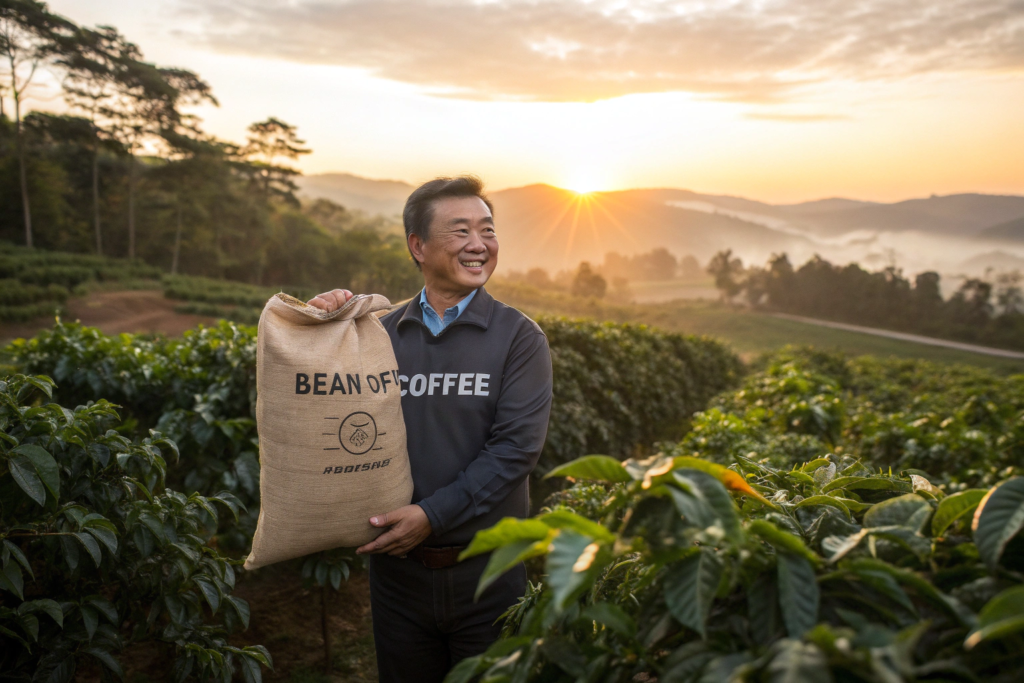
Another way to look at this is to work directly with the source. As a plantation owner, I have a direct line of sight from the coffee cherry on the tree to the beans being packed for export. This vertical integration eliminates the middlemen and the long storage times where quality can degrade. Companies like ours, Shanghai Fumao, which own their plantations, can offer a level of traceability that traders simply can't match. We can provide pre-shipment samples from the exact lot you'll be receiving, ensuring what you approve is what you get. It’s about moving from uncertainty to partnership.
What Documents Should I Ask For?
To verify the freshness of a crop, you should request a few key documents. First, ask for the Harvest and Processing Report, which should detail the specific crop year (e.g., "2025/26 Crop"). Second, request a Quality Control (QC) Report for the specific lot. This report should include crucial data points like moisture content (ideally 10-12%) and density. Finally, asking for a Pre-Shipment Sample drawn directly from the bags allocated for your order is a critical step. This ensures the sample is representative of the bulk shipment. Reputable suppliers and coffee quality control labs are accustomed to providing this documentation.
Why is Direct Trade a Safer Bet?
Direct trade offers greater security because it shortens the supply chain and fosters transparency. When you buy from a long chain of importers and exporters, your coffee may have been sitting in various warehouses for months, increasing the risk of it becoming a "past crop." By working directly with a farm or a vertically integrated exporter like us, you are much closer to the harvest. This direct relationship allows for clear communication, better access to information about the coffee's journey, and a stronger guarantee that you are receiving beans from the most recent harvest. It replaces layers of uncertainty with a single, accountable partner.
Conclusion
In the end, identifying past crop coffee beans is a skill that blends visual inspection with building trusted partnerships. By learning to spot the key visual signs—the faded, yellowish color, the shriveled texture, and other defects like insect damage or mold—you empower yourself to make smarter purchasing decisions. Remember that fresh, high-quality beans will have a vibrant bluish-green hue and a dense, solid feel. These are not just aesthetic details; they are direct indicators of the flavor potential locked within the bean.
However, visual inspection is just the first step. The most effective way to eliminate risk is to work with a supplier who values transparency as much as you do. A reliable partner will always be open about their crop year, provide detailed quality reports, and welcome your questions. Building these strong relationships is the true foundation of a secure and successful supply chain.
If you're tired of the guesswork and are looking for a stable, trustworthy source for premium Arabica, Catimor, and Robusta beans directly from the source in Yunnan, we at BeanofCoffee would love to talk. We control our quality from the plant to the port. Please feel free to reach out to my colleague, Cathy Cai, at cathy@beanofcoffee.com to discuss your specific needs and how we can build a lasting partnership together.