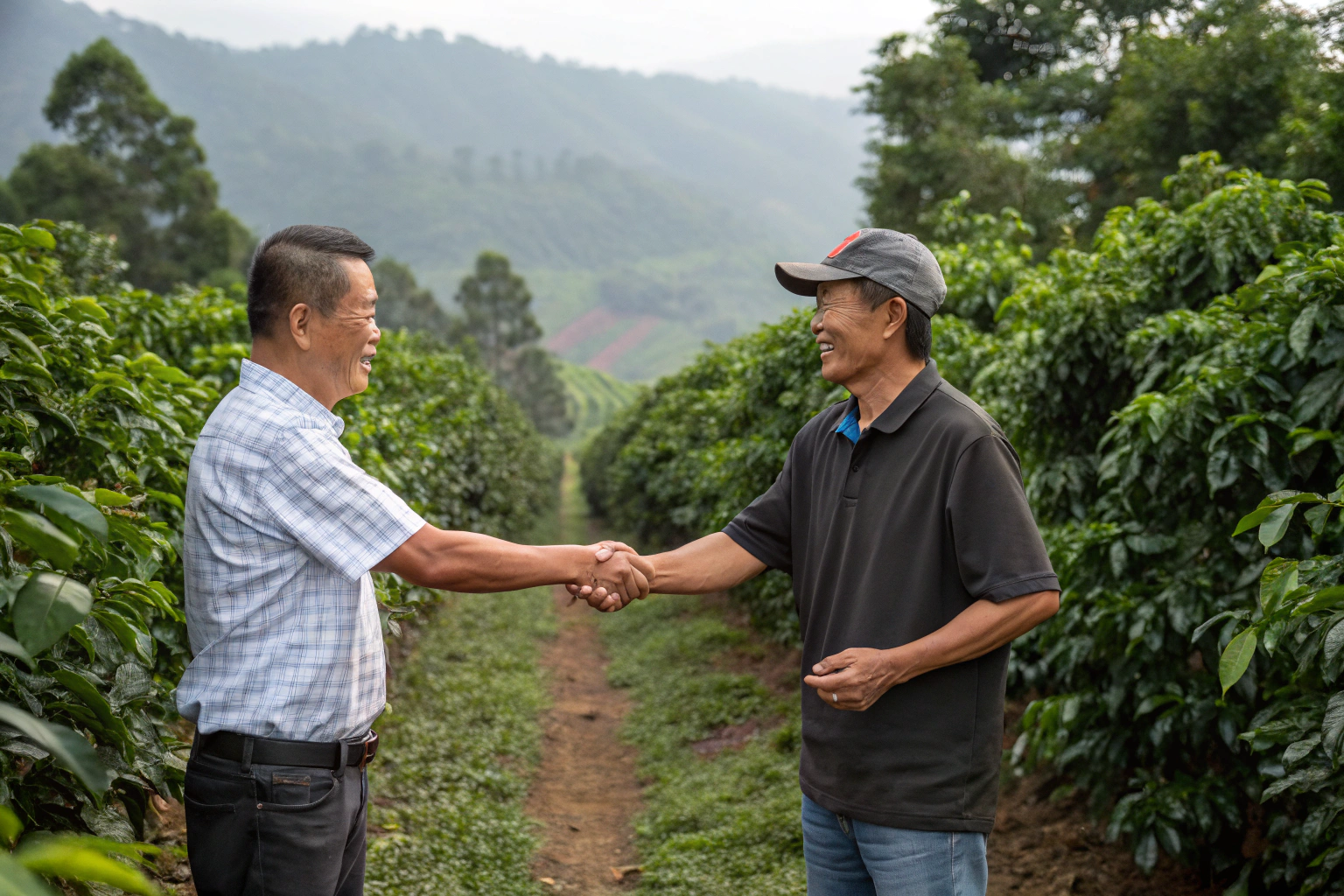
You've tasted the unique potential of Yunnan coffee. You're captivated by its notes of dark chocolate and black tea, and you see a huge opportunity to introduce it to your market. But a daunting question immediately follows: "How do I actually get it from a farm in China to my roastery?" You're like my client, Ron; you're a savvy business owner, not a logistics expert. You're worried about the complexities of international trade, finding a trustworthy farm partner, navigating customs, and the risk of sending a large sum of money overseas.
Let's demystify this process. Importing Yunnan coffee directly from a farm involves four key stages: finding and vetting a farm partner, negotiating terms and contracts, managing logistics and shipping, and handling import customs clearance. While it sounds complex, when you partner with an experienced and professional farm, it becomes a streamlined and transparent process.
As the owner of Shanghai Fumao, a 10,000-acre coffee estate in Baoshan, Yunnan, we don't just grow coffee; we are experts in exporting it directly to partners worldwide. We have built our business to make this exact process seamless for buyers like you. In this article, I will provide a step-by-step guide, your personal playbook, for forging a direct trade relationship and bringing the exceptional taste of Yunnan to your customers.
How Do You Find and Vet a True Farm Partner?
The first and most critical step is finding the right partner. The internet is filled with traders and brokers claiming to be direct farms. You're worried about being misled, about paying extra for middlemen, or partnering with someone who doesn't actually control the quality of the coffee.
A true direct-farm partner is a grower who also has the license and expertise to export their own coffee. This is a crucial distinction. When vetting a potential partner, ask direct questions: "Do you own the farm, or do you source from other farmers?" "Do you have your own export license?" A genuine farm partner, like us, will be able to provide you with extensive documentation, photos, and even live video tours of their specific estate. Another great strategy is to look for farms that have a professional online presence, like a well-maintained website that details their operations, something we pride ourselves on at Shanghai Fumao.
The ultimate vetting step is, of course, sampling the coffee. A professional farm will be able to send you samples of their current lots, complete with detailed data sheets including varietal, processing method, altitude, and moisture content. The quality in the cup is the final proof.
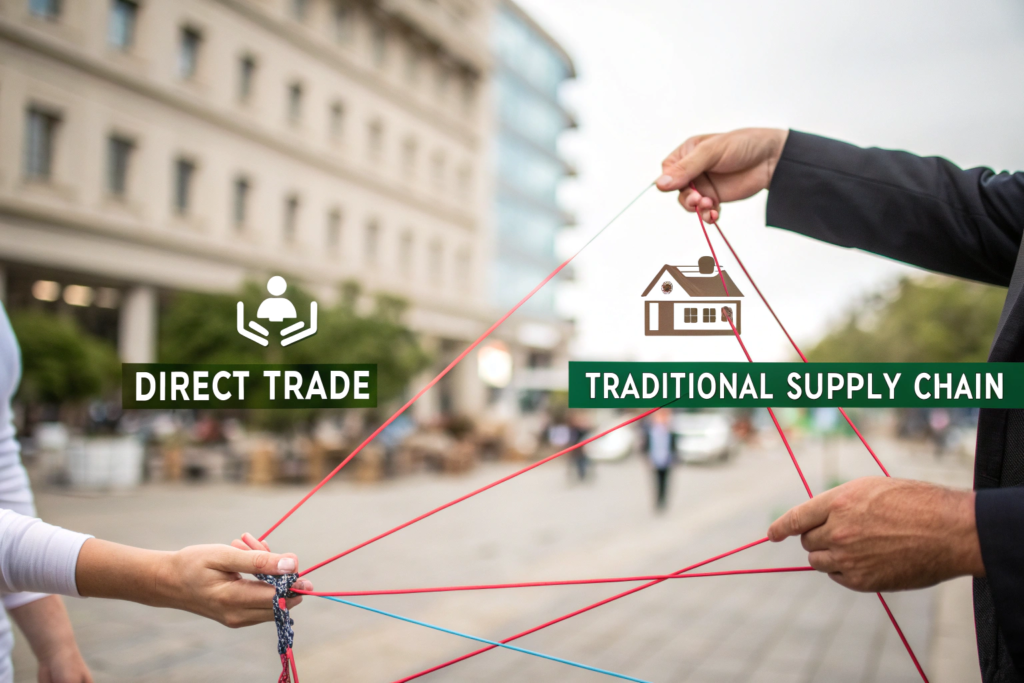
What are the Red Flags to Watch Out For?
Be cautious if a potential supplier is vague about their farm's location, is unwilling to provide photos or videos, or cannot answer specific questions about their cultivation or processing methods. Also, be wary of anyone offering a vast array of coffees from many different origins; they are almost certainly a trading company, not a direct farm. The role of a broker versus a trader is different, and for a direct relationship, you want the source.
Why is an Export License So Important?
In China, a company must have a specific government-issued license to legally export goods. A farm without this license cannot handle the export process themselves and must sell their coffee to a separate exporting company. This adds another middleman, cost, and a potential point of failure in the supply chain. Partnering with a farm that holds its own export license ensures a truly direct and seamless transaction.
How Do You Negotiate Terms and Finalize the Contract?
Once you've found your farm partner and approved the samples, it's time to make a deal. This is where business specifics come into play. You're worried about payment security, misunderstandings about responsibilities, and ensuring the contract is fair and protects your interests.
A professional farm partner will make this process transparent and straightforward. The negotiation will center on three key areas:
- Price and Volume: You'll agree on a price per kilogram or pound for a specific volume of coffee (e.g., one 20-foot container, approx. 19,200 kg).
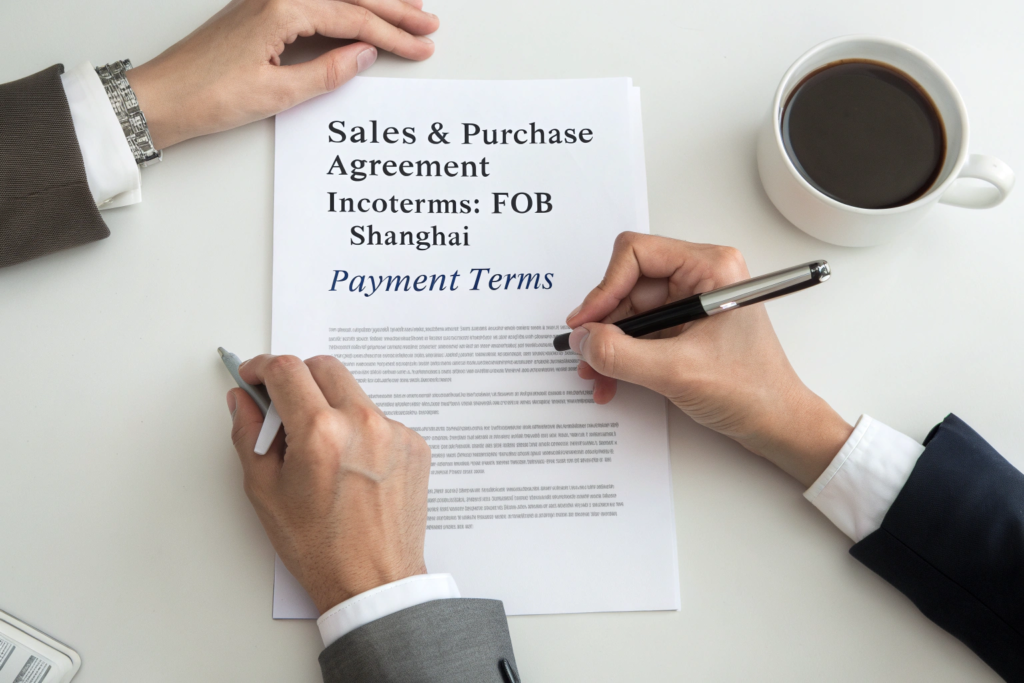
- Incoterms: This is critical. You will agree on an International Commercial Term like FOB (Free On Board), where the farm is responsible for getting the coffee onto the ship at the port of origin, or EXW (Ex Works), where you are responsible for picking it up from the farm's warehouse. FOB is most common.
- Payment Terms: For a first-time transaction, a standard and secure arrangement is a 30-50% down payment upon signing the contract, with the remaining 70-50% balance due upon presentation of the shipping documents, like the Bill of Lading, which proves the coffee has been shipped.
All of these details will be laid out in a formal Sales & Purchase Agreement. This legally binding document protects both parties and ensures there are no misunderstandings. Never send money without a signed contract in place.
Is Sending Money to China Safe?
Yes, when done correctly. International wire transfers (T/T) to a legitimate, registered business entity are a standard and secure practice. Your farm partner's company name on the contract should exactly match the beneficiary name on the bank account. A refusal to provide a matching corporate bank account is a major red flag.
What Documents Should the Farm Provide?
The farm, as the exporter, is responsible for providing a set of crucial documents, including the Commercial Invoice, Packing List, Certificate of Origin, and any other required certificates (like a Phytosanitary Certificate). These documents are essential for both export and your import customs clearance.
How Do You Manage International Logistics and Shipping?
The coffee is contracted, and the down payment is made. Now, how does it physically get to you? This is often the most intimidating part for new importers. You're worried about finding a reliable ship, managing the container, and all the steps in between.
This is where you engage a Freight Forwarder. A freight forwarder is your logistics agent. You do not need to deal with the shipping lines directly. Your forwarder will handle everything. If your agreed term is FOB, your process will look like this:
- You hire a freight forwarder in your country.
- You provide them with our contact information (as the supplier in China).
- Your forwarder's agent in China will contact us to coordinate the container pickup.
- We load the container, seal it, and it gets transported to the port and loaded on the ship.
- Your forwarder manages the ocean journey, keeping you updated on its progress.
This is a crucial point: you, the importer, are in control of the main shipping leg. You choose the logistics partner. This is a much safer and more transparent process than letting the supplier arrange shipping on a CIF (Cost, Insurance, and Freight) basis, where you have less control. Finding the best freight rates for coffee is a skill in itself, and a good forwarder is your best asset.
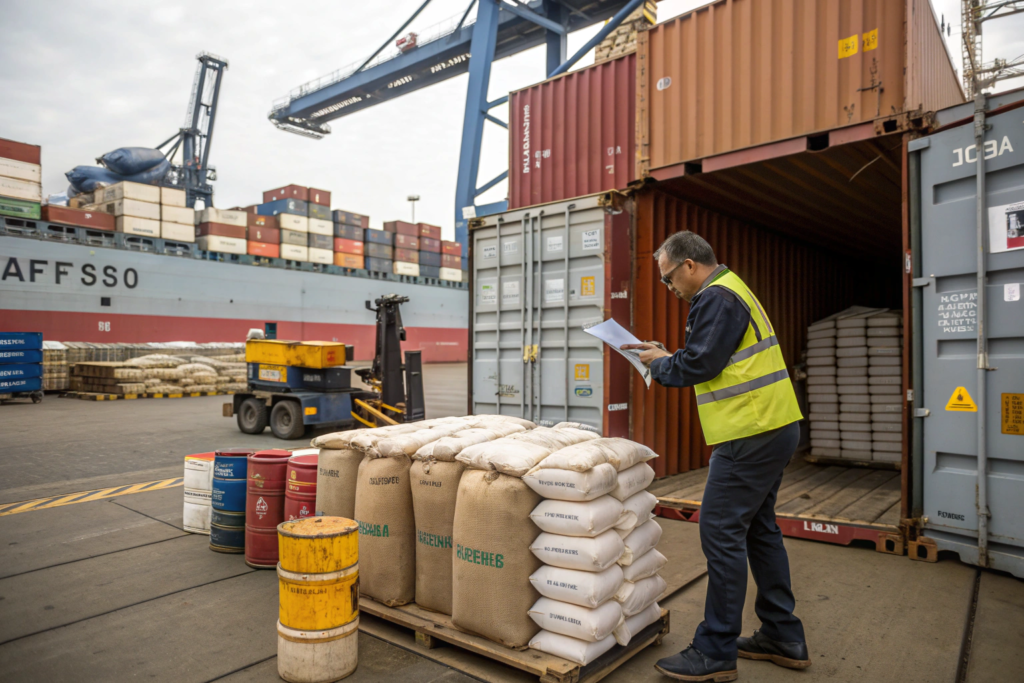
Who Pays for What in an FOB Shipment?
Under FOB terms, the farm (the seller) pays for all costs to get the coffee loaded onto the vessel. This includes local trucking to the port and origin port charges. You (the buyer) pay for the main ocean freight, insurance, and all costs at the destination, including import customs and final delivery.
Do You Need Cargo Insurance?
Yes, 100% non-negotiable. For a small percentage of the cargo's value, you can insure your coffee against damage or total loss during transit. The ocean is unpredictable. Not insuring your cargo is an unacceptable business risk. Your freight forwarder can easily arrange this for you.
How Do You Handle Canadian or US Customs Clearance?
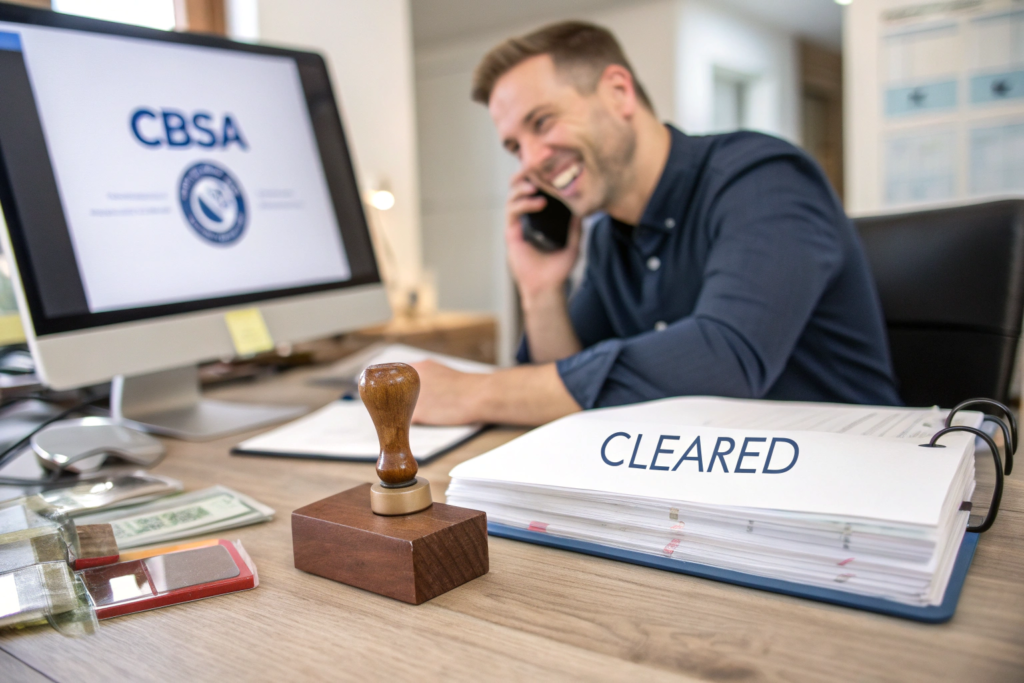
Your coffee has crossed the ocean and arrived at a port near you. It's not yours yet. It must first be officially cleared by the customs authorities of your country, such as the Canada Border Services Agency (CBSA) or U.S. Customs and Border Protection (CBP).
This is the final step, and it's one you should not do yourself. You will hire a Licensed Customs Broker in your country. This is a professional who is an expert in import regulations.
Your customs broker will take the shipping documents provided by us (the farm) and your freight forwarder, classify the goods with the correct HS code (0901.11 for unroasted coffee), prepare the formal import declaration, and submit it to the authorities. They will also arrange for the payment of any applicable taxes (like GST in Canada) on your behalf. Once customs releases the shipment, your freight forwarder will arrange for a trucking company to pick up your container and deliver it to your door.
How Do You Find a Customs Broker?
Your freight forwarder will almost always have an in-house customs brokerage department or a close partner they work with. They can handle this for you as part of a seamless, door-to-door service. This is the easiest and most common approach.
What Happens After Customs Clearance?
Once cleared, the container is yours. The trucking company will deliver it to your warehouse or roastery. It's important to have a plan for unloading. A 20-foot container holds around 320 sacks of 60kg coffee. You'll need a team and a plan to unload it efficiently. After that, you can finally open a sack, take a deep breath of that beautiful green coffee aroma, and get ready to roast.
Conclusion
Importing coffee directly from a farm in Yunnan is not an insurmountable challenge; it is a structured business process. By breaking it down into manageable stages—vetting your partner, signing a clear contract, hiring a professional freight forwarder, and using a licensed customs broker—you can transform a seemingly complex journey into a predictable and highly rewarding part of your business.
The key is to work with a farm partner who is not only an expert in agriculture but also an expert in export. A professional partner will guide you, provide flawless documentation, and communicate clearly at every step. This direct relationship cuts out the middlemen, giving you better value, complete traceability, and a powerful story to tell. It is the foundation of a modern, resilient, and authentic coffee supply chain.
If you are ready to take this step and forge a direct partnership at the source, we are here to be your guide and your supplier. We have built our business to make this process seamless. Please reach out to my colleague, Cathy Cai, at cathy@beanofcoffee.com to start the conversation and request your first samples from our estate.