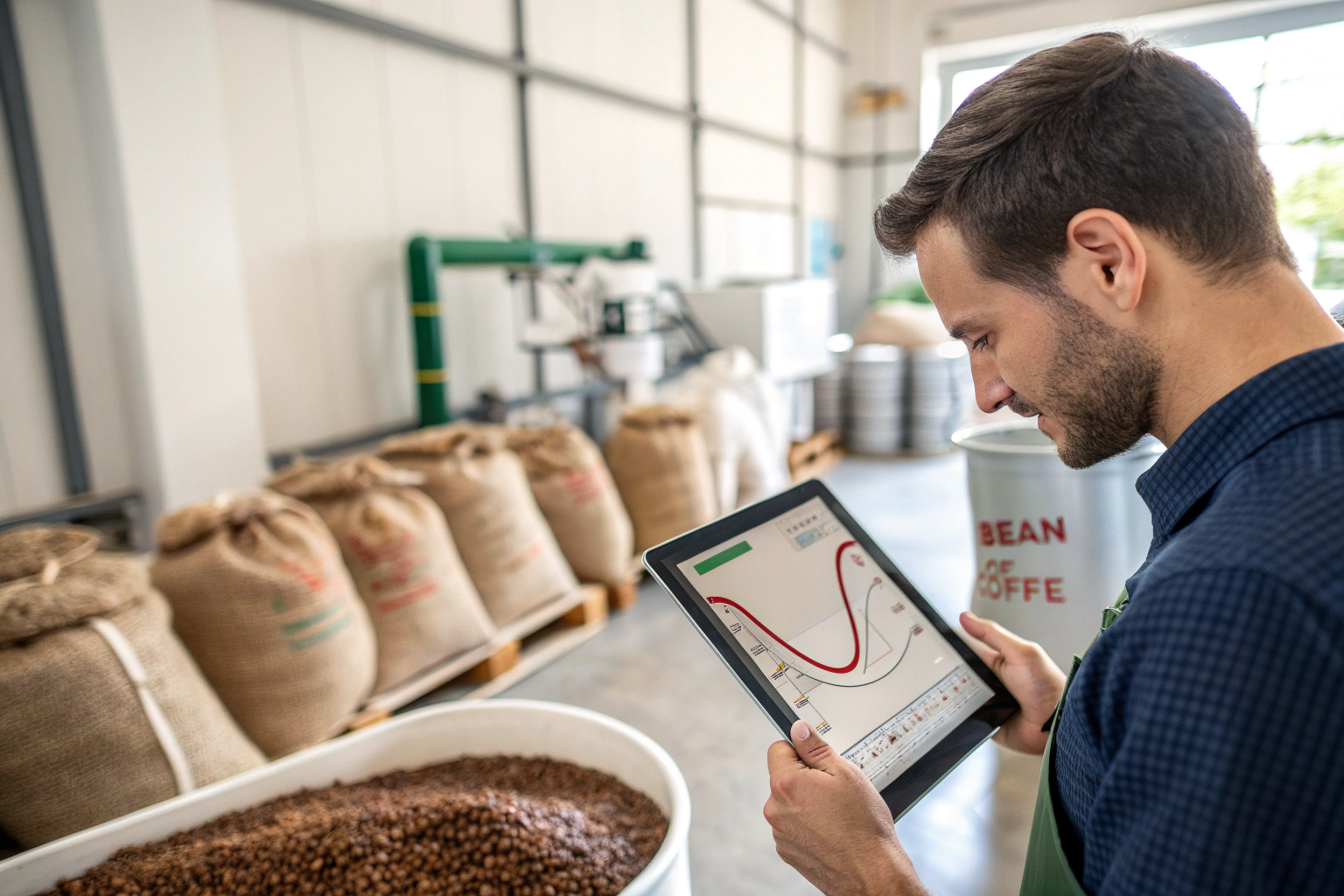
You've just nailed the perfect roast profile for a new Yunnan Arabica lot from Bean of Coffee. The aroma is perfect, the flavor notes are shining—your customers love it. Then, three weeks later, you run the same profile again. The beans look the same going in, but the coffee tastes… different. Maybe it’s slightly ashy, or the acidity feels muted. Your customers notice. For a business owner whose reputation hinges on delivering the same great cup every time, this inconsistency is a nightmare. It erodes trust and turns your craft into a guessing game.
So, how can you maintain consistency in coffee roasting? It’s not an art of perfect single batches, but a science of repeatable processes. True consistency comes from controlling three pillars: the raw material (green coffee), the roasting machine environment, and the data you collect and act upon. At Bean of Coffee, we see this from both sides—as producers who must deliver consistent green beans to our roaster clients, and as partners who understand the roaster's challenge. Consistency is the foundation of being a reliable, trustworthy brand.
Let's break down the variables you can control, from the arrival of the bag to the moment the beans cool.
How does green coffee quality and storage affect consistency?
You can't roast inconsistently stored, variable beans into a consistent product. This is the non-negotiable starting point. Your green coffee is the single biggest variable. If it changes from bag to bag, your roast will chase a moving target.
Think of green coffee as a living, breathing ingredient. Its moisture content, density, and age directly impact how it reacts to heat. A roaster's job is to apply energy predictably. If the beans themselves are unpredictable, you’re fighting a losing battle. Sourcing from a supplier committed to consistency, like Bean of Coffee, is your first and most critical step.
Why is measuring moisture content and density crucial?
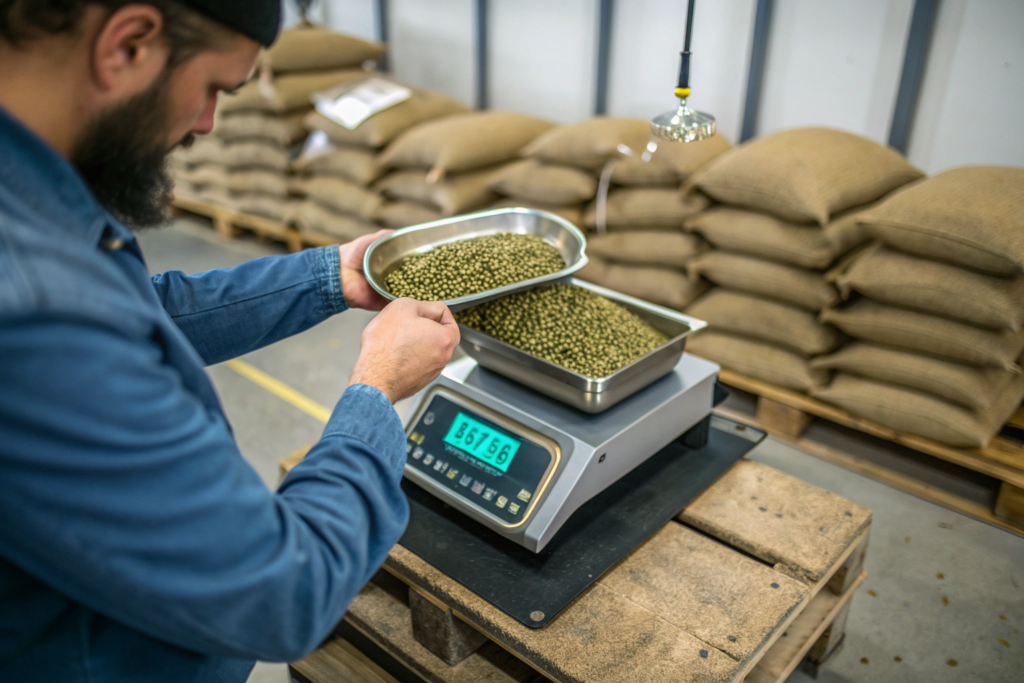
Two bags from the same lot can behave differently if their moisture content has diverged. Moisture is a heat sink. Wetter beans require more energy to roast, potentially leading to baked flavors if not adjusted for. Drier beans roast faster and can easily scorch.
Actionable Step: Before roasting any new bag or lot, use a moisture meter. Our export specs for Bean of Coffee lots typically target 10-12% moisture. If a bag measures 11.5%, and your last bag was 10.8%, you must adjust your roast profile—likely adding more heat or extending the drying phase. Similarly, bean density (often related to screen size and altitude) affects heat transfer. Denser, harder beans from high altitudes need more aggressive heat application. Record these baseline measurements for every lot and bag.
How should green coffee be stored to preserve consistency?
Improper storage introduces the very variability you're trying to eliminate. The enemies are oxygen, moisture, heat, and light.
- Temperature & Humidity: Store green coffee in a cool, dark, and stable environment. Aim for 15-20°C (59-68°F) and 50-60% relative humidity. Wild fluctuations cause beans to absorb and release moisture.
- Packaging: Keep beans in their original, sealed bags (like our GrainPro or multi-layer bags) until ready for use. Once opened, use air-tight containers and practice first-in, first-out (FIFO) inventory. Don't mix old and new beans from the same lot.
- Resting: Green coffee needs to "rest" after long shipping (30-45 days). Its moisture equilibrates, and gases settle. Roasting immediately off the boat can yield unstable results. Plan your inventory to allow for this.
What are the key controls during the roasting process?
Once your green coffee is stable, the battle shifts to the roaster. Consistency here is about managing the machine's environment and the bean's journey through it with surgical precision. Modern roasting is less about intuition and more about controlling a repeatable thermal reaction.
The core variables are heat application (BTU), airflow, and drum speed. Your recipe is the specific way you manipulate these over time to achieve a desired bean temperature and color (Agtron number). The goal is to make the machine's behavior so predictable that the same inputs yield the same outputs.
How do you create and follow a master roast profile?
A profile isn't just a final temperature and time. It's a detailed roadmap.
- Charge Temperature: The starting drum temperature. This must be consistent for the same batch size.
- Turning Point: The moment when the cold beans cause the drum temp to drop to its lowest point. This validates your charge was correct.
- Drying Phase (Yellowing): The period from charge to when beans lose moisture and turn yellow. Controlling the rate of rise (RoR) here is critical for even development.
- Maillard & Development Phase: From first crack to drop. Here, you control the development time and ratio (e.g., 20-25% of total roast time). This phase builds flavor and determines the roast degree.
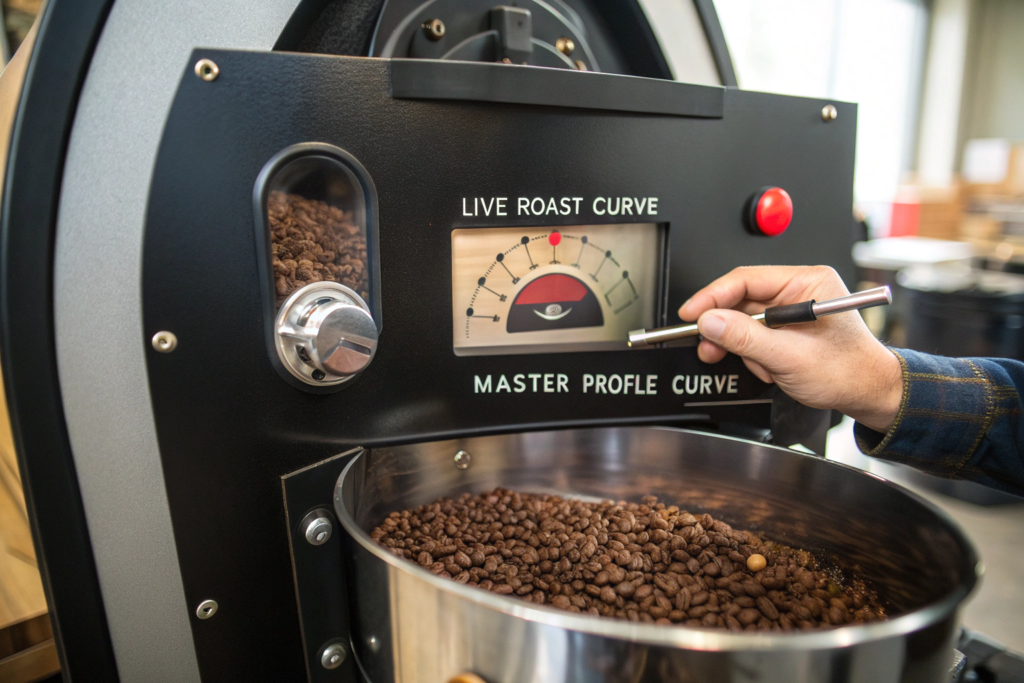
Actionable Step: Use roasting software to record every detail: gas settings, airflow changes, environmental temperature, and batch weight. Your "master profile" is the one that produced the best cup. For subsequent batches, your job is to make the live roast curve overlay the master curve as closely as possible. The Roasters Guild offers extensive resources on profile development.
Why is monitoring the Rate of Rise (RoR) so important?
The Rate of Rise (RoR)—the speed at which the bean temperature is increasing—is the roaster's most important diagnostic tool. It tells you the bean's momentum.
A flat or crashing RoR can lead to baked, dull coffee. A RoR that spikes too high can lead to scorching and bitterness. The goal is a smooth, gradually declining RoR curve. If your live RoR is higher than your master profile's RoR at the same time, you need to reduce heat or increase airflow. It's about proactive correction, not just hitting a final temperature. This single metric, more than any other, is the key to batch-to-batch reproducibility.
How do equipment calibration and maintenance impact results?
Your roasting machine is a precision instrument, not just a hot drum. Its sensors degrade, its seals wear, and its performance drifts over time. Ignoring maintenance is like a chef ignoring a dull knife—you might still cook, but the results will be inconsistent and require more guesswork.
Think of calibration as telling your machine the truth about temperature. If the probe reading is off by even 5°C, your entire profile is based on a lie. Regular maintenance ensures that the heat you command is the heat you actually deliver.
How often should you calibrate temperature probes?
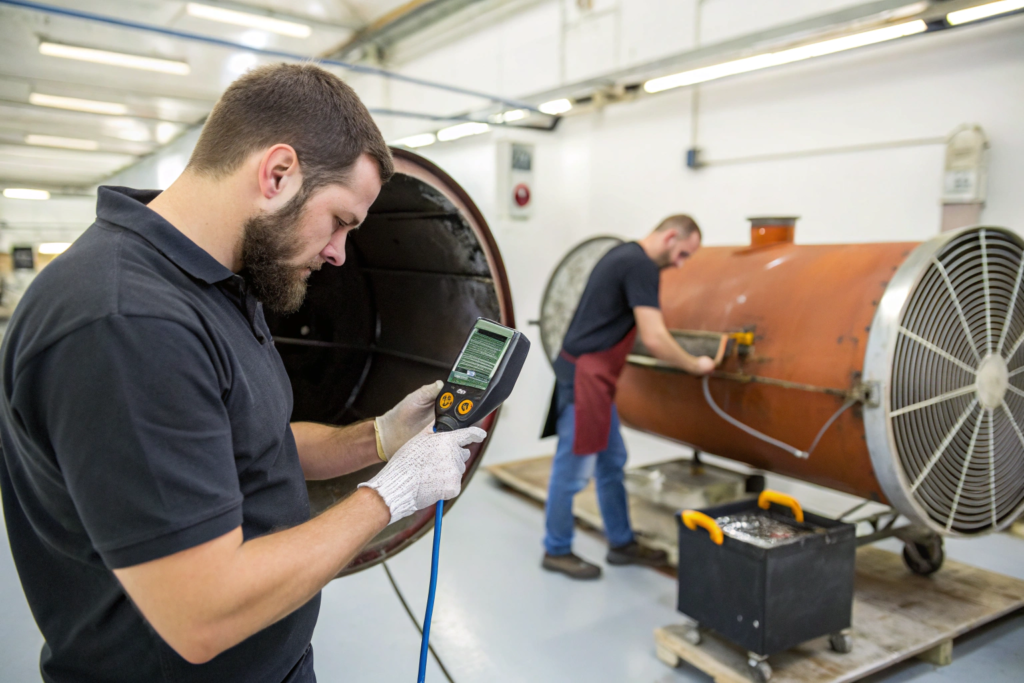
At least quarterly. More frequently if you roast high volumes. The process is straightforward:
- Heat the empty drum to a standard temperature (e.g., 200°C).
- Insert a calibrated, high-accuracy reference thermometer next to the machine's bean temperature probe.
- Compare the readings. If there's a discrepancy, adjust the offset in your roasting software or note it manually for profile adjustment.
This simple act ensures the most critical data point you rely on—bean temperature—is accurate. An uncalibrated probe is the most common hidden cause of roast drift.
What routine maintenance prevents roast variation?
Create a checklist and stick to it:
- Daily: Clean the cooling tray, chaff collection system, and exhaust pathways. Built-up chaff is a fire hazard and insulates heat.
- Weekly/Monthly: Check and tighten drive belts. Loose belts change drum speed, affecting heat transfer. Inspect and clean airflow sensors and burners.
- Annually: Have a qualified technician perform a full service: checking gas pressure, calibrating all sensors, inspecting the drum bearing, and cleaning the entire exhaust system.
A well-maintained machine responds predictably to your inputs. A neglected one adds random variables you can't control.
How do post-roast handling and quality control ensure consistency?
The roast isn't done when you drop the beans. How you cool, degas, package, and test the coffee completes the consistency loop. Mishandling here can undo all your careful work in the roaster.
Rapid, uniform cooling is essential to lock in the profile and prevent residual heat from continuing the roast (called "carryover cooking"). From there, the clock starts ticking on freshness and oxidation.
What are the best practices for cooling and degassing?
Cooling: Your cooling tray must bring bean temperature down to ambient levels within 4-5 minutes. Stir or agitate the beans to ensure even cooling. Inconsistent cooling leads to a mix of roast degrees within the same batch.
Degassing & Resting: Freshly roasted beans release CO2 aggressively for 24-72 hours. Packaging immediately can cause bags to bloat or even burst. For filter coffee, 12-24 hours rest is often sufficient. For espresso, 5-7 days is typical to allow flavors to integrate and gases to stabilize. Be consistent with your rest times. If you cupped a profile after a 3-day rest, always evaluate your consistency batches at the same 3-day mark.
How to implement a Quality Control (QC) cupping protocol?
You cannot manage what you do not measure. Your senses and some simple tools are your final consistency check.
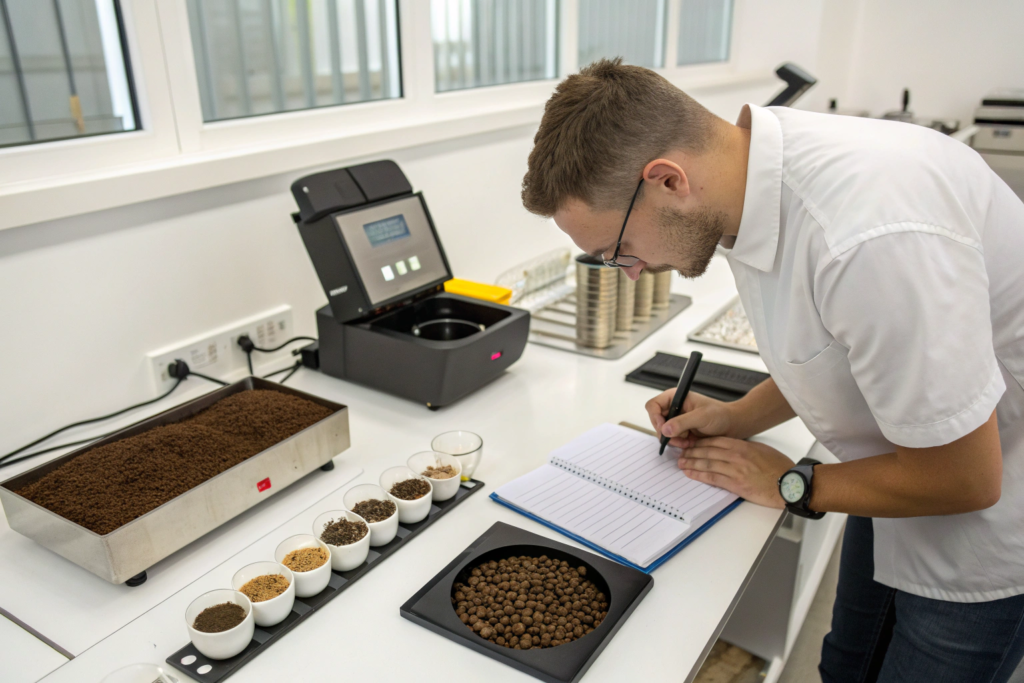
- Visual & Metric Check: Use a colorimeter (like an Agtron) to measure roast degree objectively. A number range (e.g., Agtron 65-68 for a medium roast) is more precise than "medium."
- Daily Cupping: Cup your production roasts daily against a saved reference sample of your "gold standard" batch from that profile. Use the SCA protocol. Is the acidity the same? The body? The flavor notes?
- Keep a Roast Log: This goes beyond the software curve. Note the weather (ambient temp/humidity affects the machine), any machine maintenance, and your QC tasting notes. Over time, this log will reveal patterns—maybe your roasts are always slightly darker on cold, dry days, telling you to adjust your charge temp.
Conclusion
Maintaining consistency in coffee roasting is a holistic discipline. It begins with sourcing stable, high-quality green coffee and storing it properly. It is executed through meticulous control of the roasting machine, guided by detailed profiles and a sharp focus on the Rate of Rise. It depends on regular equipment calibration and maintenance. It is finalized through systematic post-roast handling and relentless quality control cupping.
The goal is to build a process so robust that the personality of the coffee—the unique terroir of our Yunnan beans—shines through reliably, batch after batch. This transforms your roasting from a craft into a reputable, scalable brand.
If the quest for consistency starts with the green bean in your warehouse, let's ensure that foundation is solid. At Bean of Coffee, we pride ourselves on delivering the lot-to-lot consistency that makes your job easier. To discuss sourcing consistent Yunnan Arabica, Catimor, or Robusta for your roasting program, contact our export manager, Cathy Cai, at cathy@beanofcoffee.com. Let's build your signature roast on a foundation of reliability.