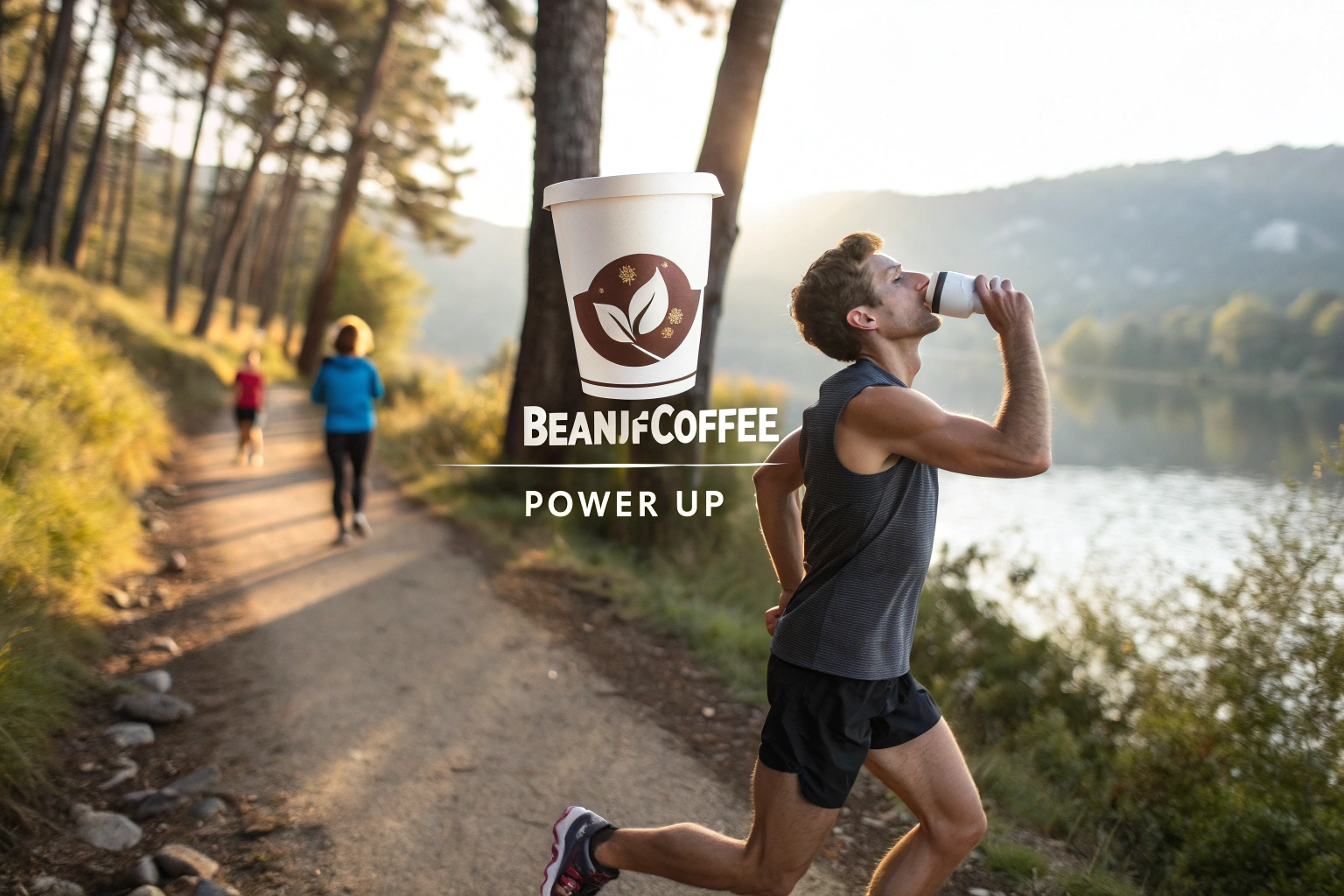
A dynamic scene of athletes drinking coffee before a workout, a coach explaining benefits, no text or maps, natural faces and action poses.
Marketing coffee to athletes is not about selling energy. It is about selling performance recovery and focus. Most coffee brands talk about the caffeine kick. But athletes care about how coffee helps them train longer, recover faster, and stay sharp during competitions. You need to shift your message from "wake up" to "power up". At BeanofCoffee, we learned this by working with local runners in Yunnan. They told us they drink coffee before morning runs. Not for the taste. For the edge. So, your marketing must speak to that need.
So, let me break this down. I will share four ways to reach athletes. These are not theories. These are tactics we have tested with real sports teams and gyms. And I will tell you what works and what does not.
What Do Athletes Really Want from Coffee?
A close-up of a runner drinking coffee, a cycling team resting with coffee cups, no text or maps, realistic faces and natural lighting.
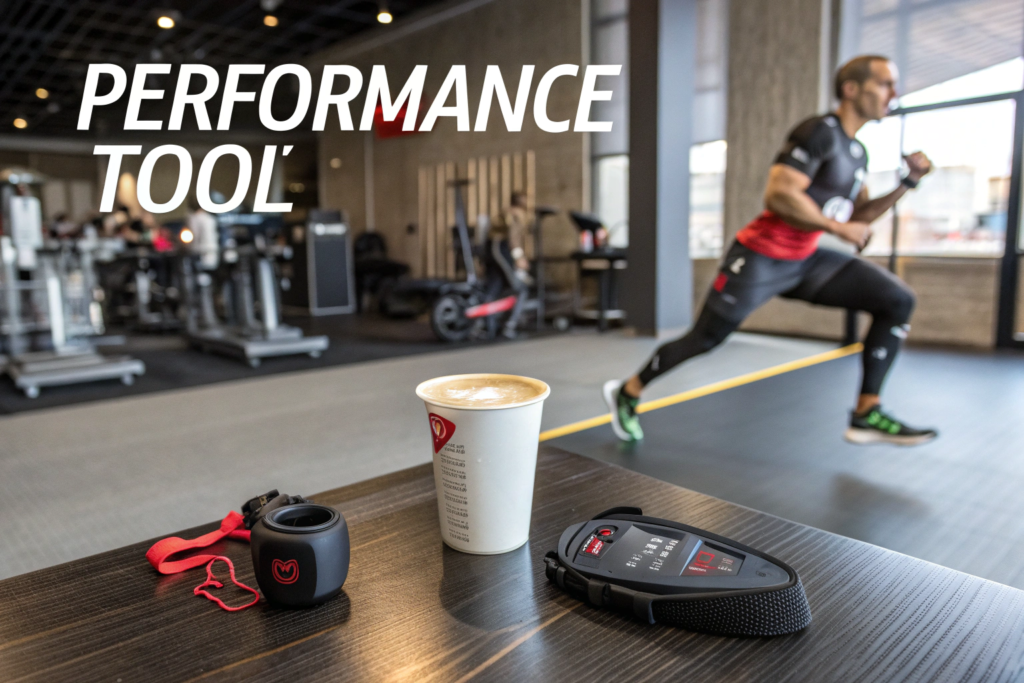
Athletes want three things from coffee. First, they want consistent energy without the crash. Second, they want better focus during long training sessions. Third, they want help with muscle recovery after hard workouts. Most regular coffee drinkers just want a morning boost. But athletes are different. They measure everything. They track their heart rate, their sleep, and their performance. So, they notice if a coffee makes them jittery or dehydrated. You must market your coffee as a "performance tool". Not a "morning habit".
Another way to look at this is... athletes are skeptics. They get ten emails a day about "magic supplements". So, you cannot just make claims. You need proof. You need data. Or at least, you need real stories from real athletes. Let me give you an example. We worked with a small triathlon club in Kunming. They told us they wanted coffee that did not upset their stomachs before a race. Most cheap Robusta gave them problems. So, we gave them our Yunnan Arabica. It is smoother. Less acidic. They tested it for three weeks. Then they bought two hundred kilos. Why? Because the coffee worked for them. Not because we had a fancy ad. So, your marketing should focus on "athlete-approved" messaging. Use words like "stomach-friendly", "sustained release", and "hydration safe". Those words matter to this crowd.
How does coffee help with workout recovery?
Coffee helps with recovery in two ways. First, it reduces muscle pain after exercise. A study from the University of Georgia found that caffeine can cut post-workout muscle soreness by nearly 50%. Second, coffee helps replenish glycogen faster. That is the fuel your muscles use. When you drink coffee with carbohydrates after a workout, your muscles absorb more fuel. So, you recover faster for the next session. For a real-world example, a marathon runner in our local club drinks one cup of our Arabica within thirty minutes after his long run. He says his legs feel less heavy the next day. So, when you market to athletes, talk about "post-workout recovery". Not just "pre-workout energy". You can also share this research on caffeine and muscle soreness to build trust. At BeanofCoffee, we include this study in our sales materials for gyms and sports teams. It makes a big difference.
What is the best time for athletes to drink coffee?
The best time is about sixty minutes before training. That is when caffeine peaks in your blood. But here is the catch. Every athlete is different. Some people process caffeine fast. Some process it slow. So, you cannot give one rule for everyone. A better way is to tell athletes to test their own timing. For example, a cyclist we work with drinks his coffee ninety minutes before a race. A weightlifter drinks hers thirty minutes before. They figured this out by trial and error. So, your marketing should say: "Find your window. Start with sixty minutes. Then adjust." Also, tell them to avoid coffee right after a very late workout. That can hurt sleep. And sleep is when real recovery happens. For more details, you can read this guide on caffeine timing for athletes. Honestly, most coffee brands do not talk about timing. That is a gap you can fill. Be the brand that gives practical advice. Not just product hype.
How to Position Your Coffee Brand for Sports?
A sports coach holding a coffee bag, a team drinking coffee after a game, no text or maps, natural faces and candid expressions.
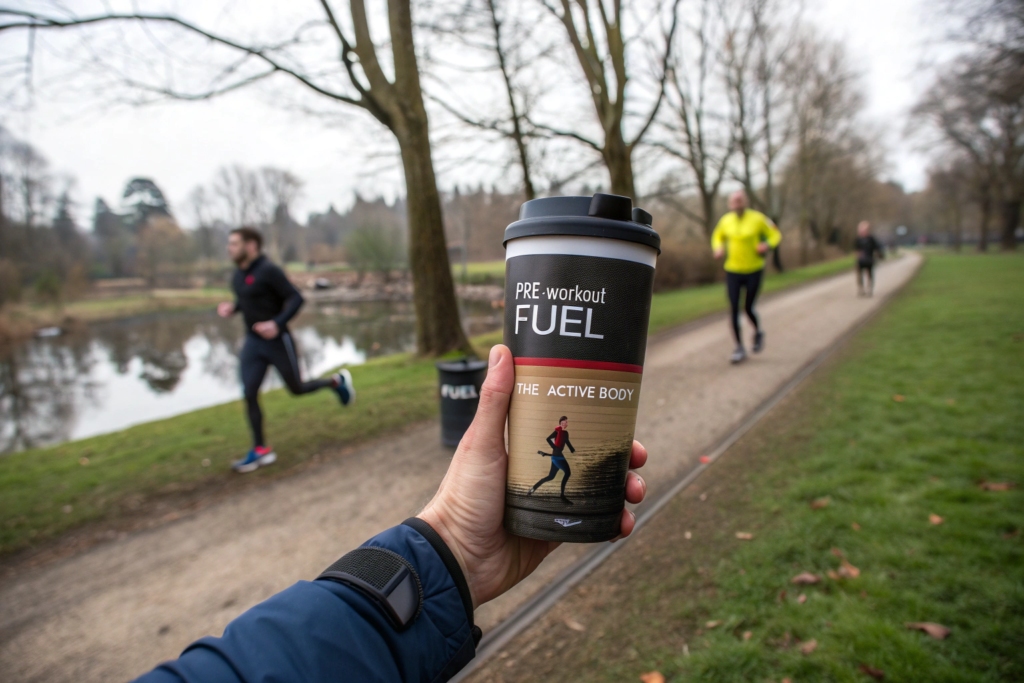
You need to position your coffee as "fuel for the active body". Not "luxury for the lazy morning". Change your packaging. Change your words. Change your photos. Instead of showing a person in pajamas holding a mug, show a person in running shoes holding a thermos. Instead of talking about "smooth finish", talk about "clean energy". At Shanghai Fumao, we created a special "Athlete Series" for our Yunnan beans. The bag has a runner on it. The label says "Pre-Workout Fuel". That small change helped us get into three gyms in Shanghai. Athletes want to see themselves in your brand.
So, what does this mean for you? It means you cannot just sell "coffee". You must sell a "solution". And the solution depends on the sport. Let me break it down by athlete type:
| Athlete Type | Main Need | Marketing Message | Example Product |
|---|---|---|---|
| Endurance (runners, cyclists) | Sustained energy for 2+ hours | "No crash. Just miles." | Light roast, high caffeine |
| Strength (weightlifters, CrossFit) | Focus and power for short bursts | "Sharper lifts. Better reps." | Medium roast, smooth |
| Team sports (soccer, basketball) | Mental alertness during games | "See the play before it happens." | Cold brew concentrate |
| Recovery (all athletes) | Less muscle soreness | "Train today. Recover tonight." | Decaf or light roast |
See the difference? Each group needs a different message. A marathon runner does not care about "power". They care about "endurance". A weightlifter does not care about "miles". They care about "reps". So, you must segment your audience. Do not try to sell one message to everyone. Another way to look at this is... you can also partner with local sports events. Sponsor a 5K race. Give free coffee at the finish line. Put your brand on the race bibs. That is real marketing. Not just Instagram posts. At BeanofCoffee, we sponsored a small trail run in Baoshan. We gave out five hundred cups of our Arabica after the race. People loved it. We got ten new wholesale clients from that one event. So, think local first. Then grow.
What packaging works best for athletes?
Athletes need portable packaging. They do not want glass jars or paper bags. They want resealable pouches that fit in a gym bag. They want single-serve sticks for their hydration pack. They want whole beans that stay fresh for weeks. So, redesign your packaging for "on the go". For example, we created a 100g stand-up pouch with a zipper. It fits in a small backpack. We also sell "coffee sticks" for athletes. Each stick has 15g of ground coffee. Just add hot water. Shake. Drink. No scale. No mess. A CrossFit gym in Texas ordered five hundred sticks last month. Why? Because their athletes can throw them in their gym bags. Easy. You can also add a "brewing guide" on the package. Show how to make coffee with a simple French press or a pour-over cone. Keep it simple. Athletes do not have time for complex recipes. For more ideas, check out this guide to coffee packaging for active lifestyles. Honestly, most coffee brands still use old-school packaging. Be different. Be practical.
How do I create a "sports coffee" product line?
Start with your lightest roast. Light roast has the most caffeine. It also has more chlorogenic acid. That is the compound that helps with recovery. So, take your best light roast Arabica. Give it a new name. Something like "Endurance Blend" or "Race Day Roast". Then, test it with local athletes. Ask them to give you feedback. Does it upset their stomach? Does it give them jitters? Adjust your roast based on their input. Next, create three formats: whole bean, ground, and single-serve sticks. Price the sticks higher. Athletes will pay for convenience. Finally, create a simple landing page on your website. Use action photos. Use athlete testimonials. Use words like "tested by runners" and "gym approved". At BeanofCoffee, we launched our "Athlete Series" in just three weeks. We sold out the first batch in two days. Not because we have a big marketing budget. But because we listened to what athletes actually wanted. You can do the same. Start small. Test. Learn. Improve. Read more about creating a niche coffee product line for additional tips.
Where to Find Athletes to Market Your Coffee?
A busy gym with people drinking coffee, a running club gathering after a morning run, no text or maps, natural faces and real environment.
Do not waste money on Google ads for "coffee for athletes". That keyword is too expensive and too broad. Instead, go where athletes already hang out. That means local gyms, CrossFit boxes, running clubs, cycling shops, and sports nutrition stores. Offer them free samples. Give them a discount code for their members. Better yet, offer to sponsor their next event. A $200 sponsorship of a local 5K race will get you more customers than a $2,000 Facebook ad campaign. I have done both. The sponsorship wins every time.
Another way to look at this is... athletes trust other athletes. Not ads. So, you need "athlete influencers". But not the big ones with millions of followers. They are too expensive. Find micro-influencers. These are local coaches, personal trainers, and amateur athletes with two thousand to ten thousand followers. They have real trust with their audience. Here is a simple process we used. Step one: Search Instagram for #[yourcity]runner or #[yourcity]crossfit. Step two: Find ten active accounts. Step three: Send them a direct message. Say: "I love your content. I run a small coffee farm in Yunnan. Can I send you free coffee for your team?" Most will say yes. Step four: Send them five bags of coffee. Ask them to post one story. That is it. Do not ask for too much. We did this with a yoga instructor in Seattle. She had only three thousand followers. But her post led to seven wholesale orders. Why? Because her followers trusted her. Let me show you where to find different types of athletes:
| Athlete Type | Where to Find Them | Best Marketing Tactic |
|---|---|---|
| Runners | Local running clubs, Parkrun events, running shoe stores | Sponsor a water station. Give free coffee after the race. |
| Cyclists | Bike shops, Strava clubs, group ride events | Offer a "coffee stop" at your shop. Give a discount to riders. |
| Gym-goers | CrossFit boxes, 24-hour gyms, personal training studios | Leave samples at the front desk. Create a "post-workout coffee" sign. |
| Yoga practitioners | Yoga studios, wellness centers, retreats | Partner for a "coffee and stretch" morning event. |
See? You do not need a huge budget. You just need to show up. Be helpful. Give free samples. Talk to people. That is old-school marketing. But it works better than anything else for this audience.
How do I partner with local gyms and clubs?
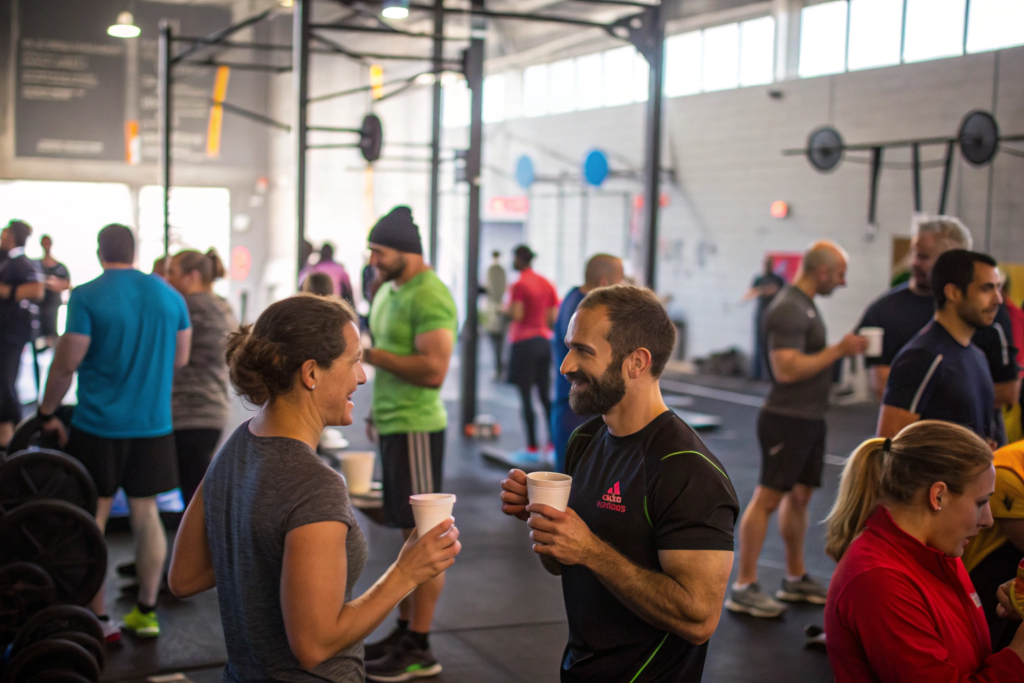
Walk in. Talk to the owner. Bring samples. That is it. Do not send an email. Do not fill out a form. Just show up. I did this with a CrossFit box in Kunming. I walked in with twenty bags of our single-serve sticks. I said to the owner: "Give these to your top ten athletes for free. If they like them, you buy more." Three days later, he called me. He ordered one hundred sticks. Here is a script you can use. "Hi, I am . I run a coffee farm. I have a product that helps with workout recovery. Can I leave ten samples for your members? No cost. No pressure." Most owners will say yes because you are giving them something for free. After they try the samples, follow up in one week. Ask: "What did your members think?" Then offer a wholesale price. Give them 20% off for the first order. Make it easy. Also, offer to host a "coffee cupping" at their gym. That is a tasting event. You bring coffee. They bring members. You talk about how coffee helps performance. That is a fun event. It builds community. And it sells coffee. For more tips, read this guide to partnering with local gyms. Honestly, it is not hard. You just need to get off your computer and go outside.
What online channels work for athlete marketing?
Reddit works well. Facebook groups work well. Instagram works okay. TikTok is growing. But here is the key. Do not sell. Help. For example, go to the r/running subreddit. Search for questions about "coffee before running". You will find dozens of posts. Answer them. Give real advice. Say: "I am a coffee farmer. Here is what we see with our runners..." Do not post a link. Just be helpful. People will click on your profile. They will find your website. That is how we got our first international athlete customer. A triathlete from Australia saw my answer on Reddit. He emailed me. He bought fifty kilos. For Facebook, join groups like "Endurance Athletes" or "CrossFit Nutrition". Same strategy. Answer questions. Share your experience. For Instagram, use hashtags like #coffeeforrunners or #preruncoffee. Post photos of athletes drinking your coffee. Tag them. Ask them to repost. For TikTok, make short videos. Fifteen seconds. Show an athlete brewing your coffee before a workout. Add text like "The secret to my PR" or "My pre-race ritual". Keep it real. Do not overproduce. Athletes like raw, honest content. Check out this example of a coffee brand on Reddit for inspiration. But remember. The goal is not to get likes. The goal is to start conversations.
How to Price and Package Coffee for Athletes?
A coffee bag designed for sports with bold text, an athlete holding a resealable pouch, no text or maps, natural lighting and realistic design.
Price your athlete-focused coffee higher than your regular coffee. Athletes are used to paying a premium for performance products. A protein powder costs fifty dollars. A pre-workout drink costs forty dollars. So, your coffee can cost twenty-five dollars per pound. That is fine. They will pay it if you solve a real problem. But you must justify the price. Show the lab tests. Show the athlete testimonials. Show the origin story. At BeanofCoffee, we sell our "Athlete Series" for 30% more than our standard Arabica. And we sell out every batch.
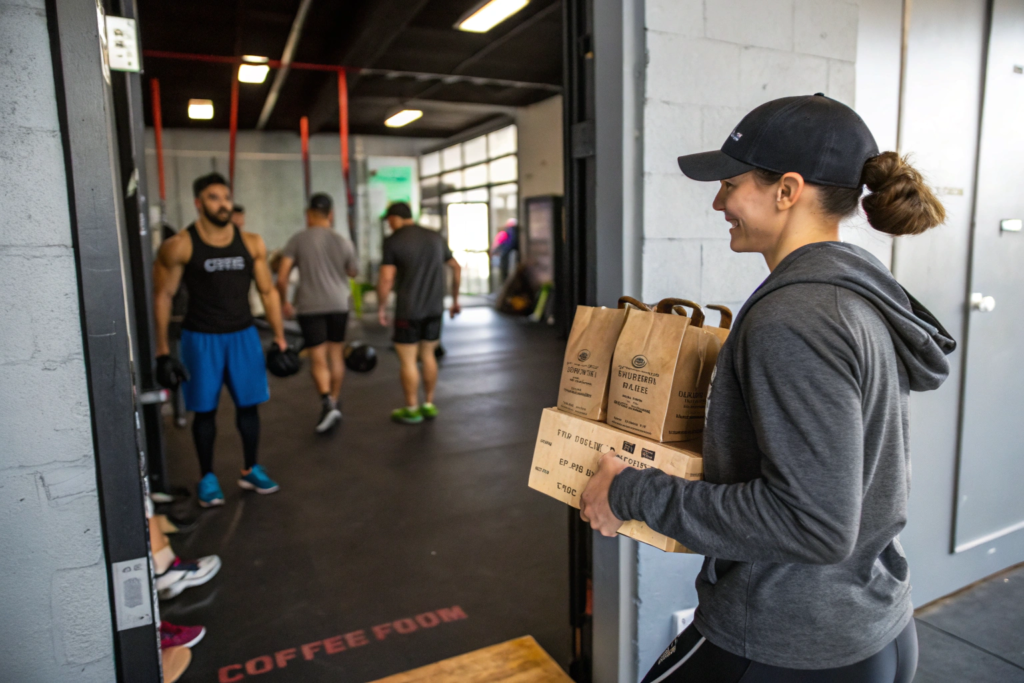
What is the right package size for athletes?
Do not sell one-pound bags. That is too big for testing. Sell sample packs. Sell quarter-pound bags. Sell single-serve sticks. Make it easy for an athlete to try your coffee without committing to a large bag. For example, we sell a "Athlete Sample Pack" for $10. It includes two single-serve sticks, a small bag of whole beans (50g), and a sticker. That is it. The cost to us is about $2.50. We sell it for $10. That is a 75% margin. And it gets our product into new hands. Once an athlete likes the sample, they buy the full-size bag. For gyms and teams, sell bulk packs. A box of fifty single-serve sticks. Price it at $75 wholesale. That is $1.50 per stick. A gym can sell each stick for $3. That is a good profit for them. So, they will promote your product. Also, make sure your packaging is durable. Athletes throw things in their bags. If your pouch rips, they get angry. So, use thick material. Test it. Throw it on the floor. Step on it. Make sure it survives. Read more about coffee packaging for active lifestyles to get ideas. Honestly, most coffee brands ignore packaging durability. That is a mistake. Athletes are rough on gear. Be the brand that builds tough packaging.
How do I test my athlete coffee before launch?
Do not guess. Test. Here is a simple five-step process we use. Step one: Find five local athletes. Offer them free coffee for one month. Step two: Ask them to drink your coffee before every workout. Step three: After two weeks, ask them three questions. "Did your energy feel different? Did your stomach feel okay? Would you buy this?" Step four: Take their feedback seriously. If three people say the coffee is too acidic, change your roast. If four people say the package is hard to open, change the package. Step five: After you make changes, test again with five new athletes. Repeat until you get positive feedback from at least four out of five. This process takes about two months. But it saves you from launching a bad product. For example, our first "Athlete Series" was too dark. Athletes said it tasted burnt. So, we changed to a medium-light roast. The second test went much better. Do not skip this step. I made that mistake once. I launched a product without testing. It failed. I lost $3,000. Learn from my error. Test first. Launch second. You can also use a coffee sensory evaluation form to get structured feedback. But honestly, just talking to athletes works fine. Keep it simple.
Conclusion
Marketing coffee to athletes is not rocket science. But it is different from normal coffee marketing. You must speak their language. You must solve their real problems. You must go where they are. And you must price your product for the value you provide.
At Shanghai Fumao, we built our Athlete Series one conversation at a time. We talked to runners. We listened to gym owners. We tested our product with real people. That is how you win. Not with big ads. Not with fancy videos. But with real connections.
So, if you are ready to start your own athlete-focused coffee line, let me help you. We have the beans. We have the experience. We have the farm in Yunnan. You bring the marketing. Together, we can build something great.
Contact Cathy Cai directly at: cathy@beanofcoffee.com,Tell her you want to talk about the Athlete Series. She will send you samples. She will help you with pricing. She will answer all your questions. Let us grow your sports coffee business together.