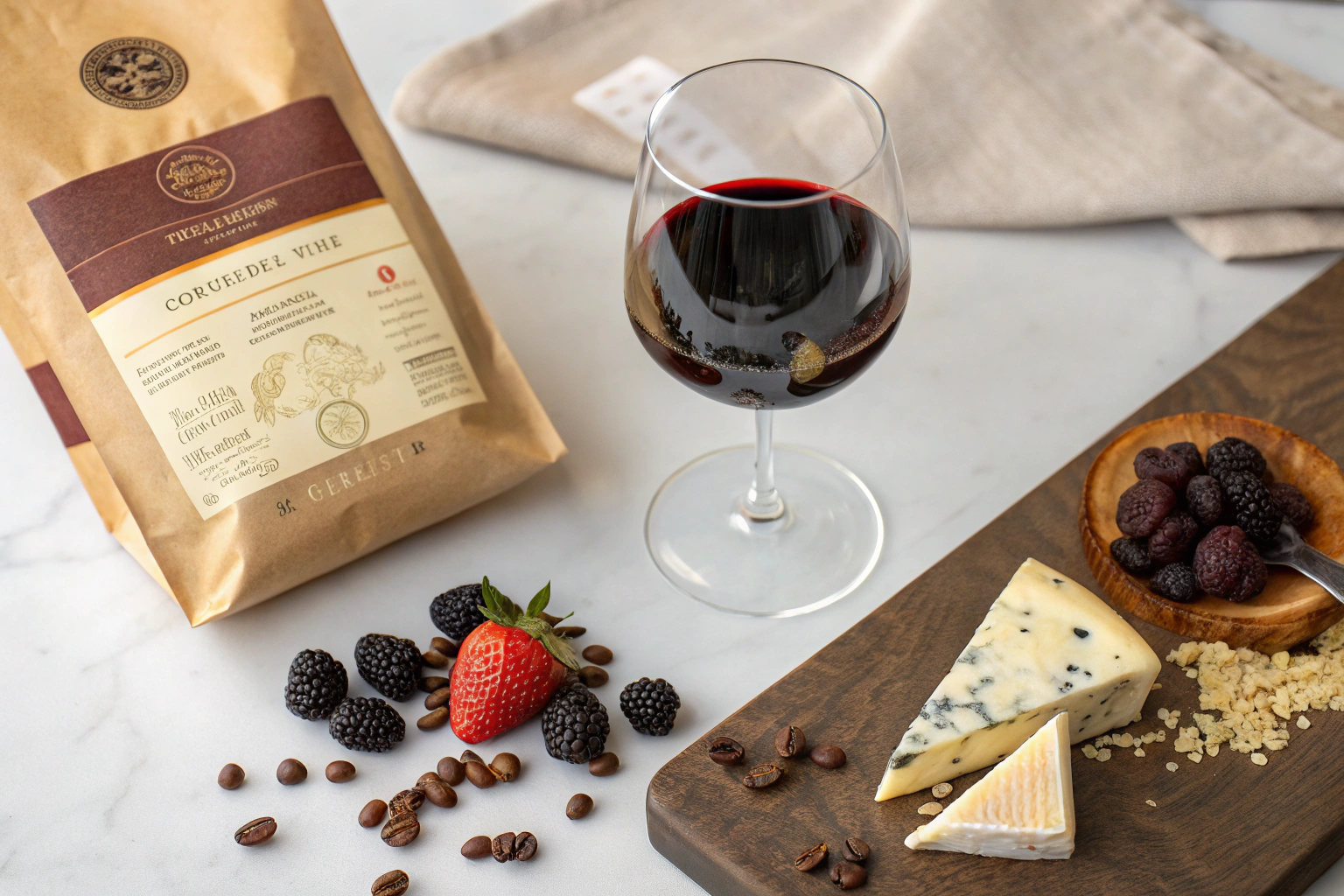
You're a passionate coffee professional. You know the coffee you roast has complex notes of cherry, black tea, and honey. But when you try to describe this to your customers, you see their eyes glaze over. You're like my client, Ron; you're building a premium brand, but you're struggling to attract an audience that truly appreciates—and is willing to pay for—real quality. You're asking, "How do I connect with foodies, the very people who spend extra on artisanal cheese and single-vineyard wine, but still see coffee as a generic commodity?"
The answer is simple, but profound: you must stop talking about coffee as just coffee. To market coffee to foodies, you must reframe it as a complex culinary product by using the language of gastronomy, creating deliberate food pairings, highlighting the concept of terroir and processing, and positioning your brand within the broader gourmet culture. It's about elevating the conversation from "caffeine fix" to "sensory experience."
As a coffee grower on our 10,000-acre estate in Yunnan, I don't see myself as just a farmer. I see myself as a producer of a gourmet ingredient, much like a winemaker. We obsess over soil, climate, and processing to create specific flavors. In this article, I will show you how to translate that origin-level passion into a marketing strategy that will captivate the discerning palate of a true foodie.
How Can You Use the Language of Gastronomy to Describe Coffee?
Foodies have a well-developed vocabulary for describing what they eat and drink. They understand terms like "acidity," "body," "finish," and "aromatics" from the world of wine, cheese, and chocolate. Your first step is to adopt this language.
Instead of saying your coffee is "strong," describe its "full body" and "syrupy mouthfeel." Instead of saying it's "not bitter," talk about its "balanced sweetness" and "clean finish." Most importantly, get specific with the tasting notes, and always tie them back to real foods they already understand.
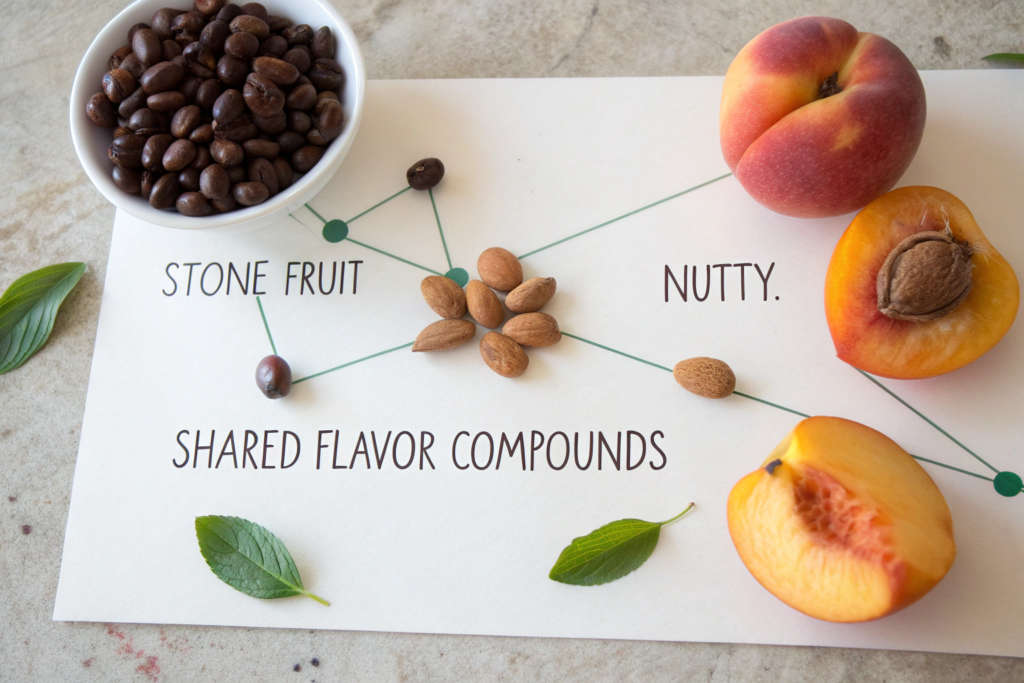
- Don't just say "fruity." Is it the bright, zesty acidity of a lemon, the deep sweetness of a ripe cherry, or the tropical note of lychee?
- Don't just say "sweet." Is it the rich sweetness of caramel, the dark sweetness of molasses, or the delicate sweetness of honey?
By using this precise, comparative language, you are giving the foodie a familiar framework to understand the complexity in the cup. You are speaking their language and inviting them to apply their existing sensory skills to your product. This is a core principle of sensory science, as practiced by organizations like the Specialty Coffee Association (SCA) with their official Flavor Wheel.
What is "Acidity" in Coffee?
In coffee, "acidity" is a desirable trait that refers to the bright, sparkling, tangy sensation on the palate. It's the quality that makes a coffee feel lively and vibrant, much like the acidity in a crisp white wine or a fresh orange. It is not the same as sourness, which is a negative flavor defect.
How Do You Identify These Notes?
Through practice, a process called "cupping" (a standardized coffee tasting), and by tasting your coffee alongside the actual foods. If you think you taste strawberry, try a fresh strawberry and then taste the coffee again. This practice will calibrate your palate and make your descriptions more authentic.
Why is Creating Deliberate Food Pairings a Game-Changer?
Nothing says "gourmet" like a well-executed pairing. For decades, wine has owned this space. It's time for coffee to claim its seat at the table. By presenting your coffee as part of a composed pairing, you force the foodie to consider it with the same seriousness as wine.
Move beyond the generic "coffee and cake" and create deliberate, thoughtful pairings that either complement or contrast the coffee's flavor profile.
- Complementary Pairing: Pair a chocolatey, nutty Catimor from our farm with a rich, decadent brownie. The shared chocolate notes will amplify each other.
- Contrasting Pairing: Pair a bright, acidic, fruity Ethiopian coffee with a creamy, rich cheesecake. The coffee's acidity will cut through the richness of the cheese, cleansing the palate and creating a beautiful balance.
- Go Savory: This is the pro move. Pair a full-bodied, earthy Sumatran coffee with a savory mushroom tart. Or pair a clean, sweet Central American coffee with a sharp cheddar cheese.
By creating and marketing these pairings, you are not just selling a drink; you are selling a complete, curated taste experience. You are demonstrating your expertise and providing a novel activity for your foodie customers.
How Do You Promote Pairings?
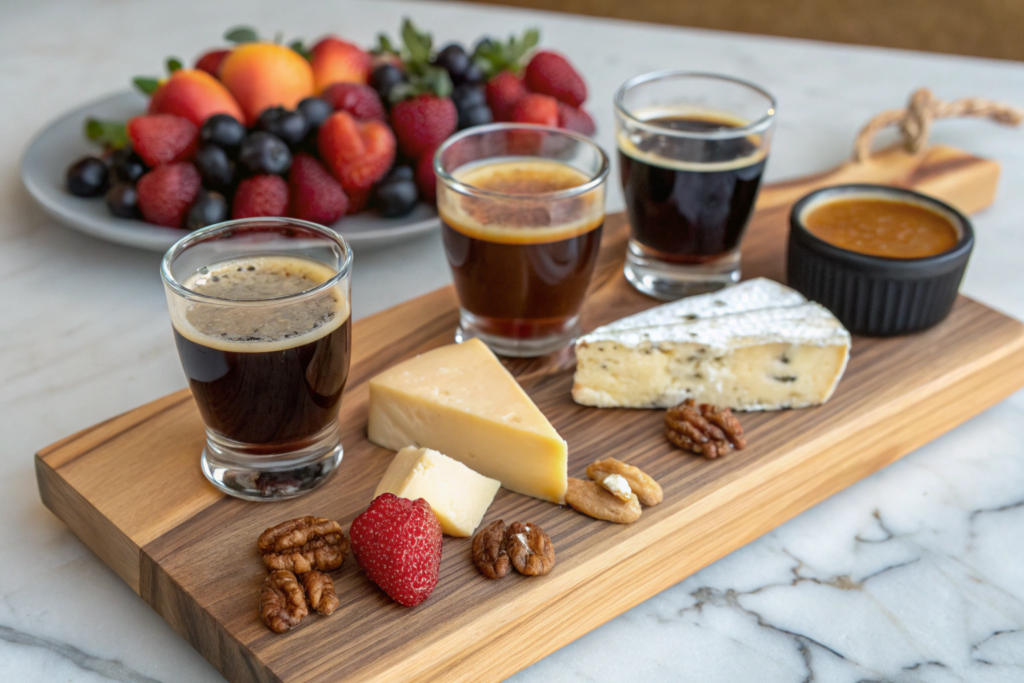
Elevate your cafe experience with our exclusive 'Pairing Flights'—curated collections of artisanal coffee, tea, and specialty beverages artfully matched with complementary treats.
Each flight is a sensory journey, designed to delight the palate and spark conversation. On our blog, we'll share the stories behind each pairing: the rich, earthy notes of a single-origin Ethiopian Yirgacheffe coffee dancing with the creamy sweetness of a house-made lavender honey scone; the bold, smoky depth of a dark roast Americano harmonizing with a velvety square of 72% dark chocolate from a local chocolatier.
Can You Pair Coffee with a Full Meal?
Yes. A light, bright coffee, with its crisp acidity and delicate, almost floral undertones, can function like a white wine—elegant and refreshing—pairing harmoniously with the subtle flavors of fish or tender chicken. Imagine the zesty tang of a well-brewed Ethiopian Yirgacheffe cutting through the buttery richness of pan-seared scallops, or the bright citrus notes complementing the herbaceous freshness of grilled lemon herb chicken, elevating each bite with a subtle, uplifting complexity. On the other hand, a full-bodied, richer coffee, dense with deep roasty flavors, velvety mouthfeel, and hints of dark chocolate or caramel, can stand up to red meat or hearty stews.
How Do You Market "Terroir" and Processing to a Foodie Audience?
Foodies are obsessed with provenance. They want to know the story behind their food. Where did it come from? Who grew it? How was it made? The coffee world has its own powerful versions of this: terroir and processing.
Terroir is a French term from the wine world that refers to how a region's specific climate, soil, and terrain affect the taste of the final product.
- Talk about how the high altitude of our Baoshan mountains leads to a slower-maturing, sweeter bean.
- Explain how the volcanic soil in another region contributes a certain minerality.
- Sourcing from a unique origin like Yunnan is the ultimate terroir play.
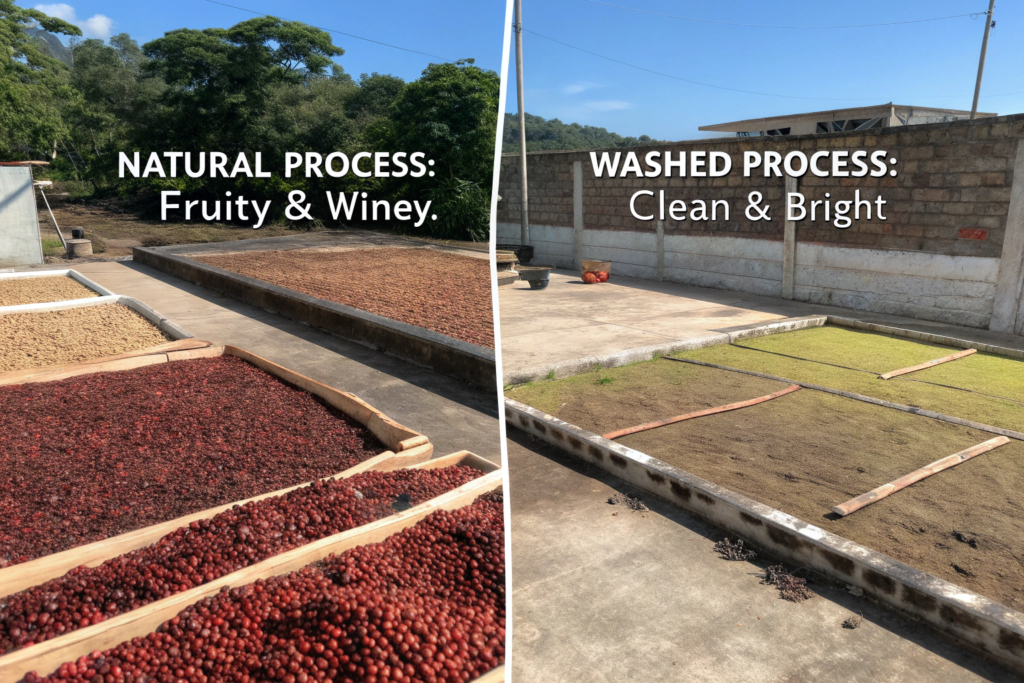
Processing is the method used to remove the coffee bean from the fruit after harvesting. This has a profound impact on flavor, and foodies will find this fascinating.
- Explain that a "Natural Process" coffee is dried inside the whole fruit, resulting in a wild, fruity, wine-like flavor.
- Explain that a "Washed Process" coffee has the fruit removed before drying, resulting in a cleaner, brighter, more transparent flavor that showcases the bean's intrinsic qualities.
- Comparing the difference between washed and pulped natural is a perfect topic for a blog post or in-cafe educational card.
By telling these stories of place and process, you are giving your coffee a depth and a narrative that elevates it far beyond a simple beverage.
Is This Too Much Detail for Customers?
For some, yes. But for foodies, this is exactly the kind of 'insider knowledge' they crave—the whispered secrets of a chef’s favorite spice blend, the hidden gem of a family-owned bakery that’s been kneading dough since dawn, or the precise moment when a tomato ripens to perfection under the sun.
It makes them feel more connected to the product, as if they’ve stepped behind the scenes and tasted the passion that went into creating it; the warm aroma of freshly ground coffee beans, the crunch of a perfectly caramelized crust, the vibrant burst of flavor that lingers on the tongue.
How Do You Present This Information?
Employ straightforward, uncluttered language that cuts through the noise, ensuring every word serves a purpose. Craft simple, visually intuitive infographics that distill complex information into digestible, eye-catching visuals—think bold icons, clean lines, and a color palette that mirrors the warmth of the coffee itself.
Nestled beside each coffee bag on your retail shelf, position a small, elegantly designed card that acts as a silent storyteller. This card should bear the origin story of the beans: perhaps a sun-dappled image of a misty mountain farm in Colombia or a vibrant snapshot of Ethiopian highlands at dawn, paired with concise details about the region’s unique terroir—rich volcanic soil, gentle rainfall, and the skilled hands of local farmers tending to their crops.
How Can You Position Your Brand Within the Broader Gourmet Culture?
To be seen as a gourmet product, you need to show up where gourmet products are found. You need to break out of the "coffee shop" silo.
- Collaborate with Chefs and Restaurants: Work with a local chef to create a dessert that uses your coffee. Get your coffee onto the menu of a high-end restaurant, not just as an after-dinner drink, but as an ingredient in a dish (e.g., in a spice rub for steak).
- Partner with Other Artisans: Create a co-branded gift box with a local chocolatier, baker, or distiller. Create a "Coffee Stout" with a local craft brewery. These collaborations introduce your brand to their foodie audience and lend you their credibility.
- Participate in Food Festivals: Set up a booth at a local food and wine festival, not a coffee festival. Offer pour-overs or cold brew alongside the wine and artisanal food vendors. Position yourself as an equal in that gourmet space.
By actively placing your brand in these contexts, you are sending a clear signal to the market: our coffee belongs in the same category as fine wine, craft beer, and artisanal food.
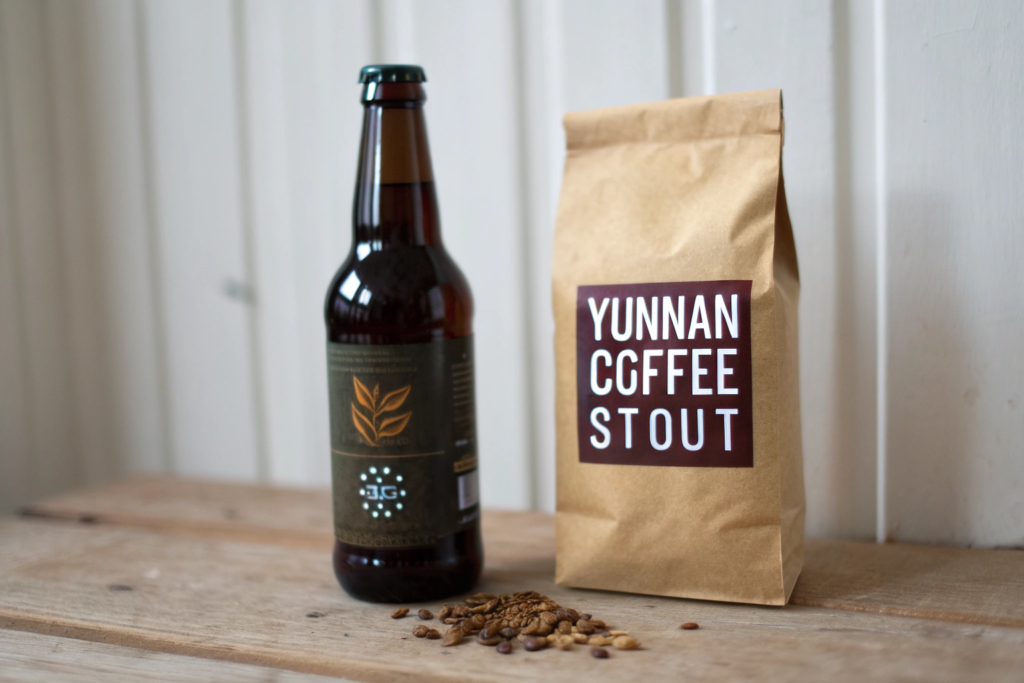
How Do You Approach a Chef for a Collaboration?
Treat them like a peer. Bring them a sample of your best coffee, brewed perfectly. Explain its flavor profile using gastronomic language and suggest how it could be used on their menu. Come with ideas, not just a sales pitch.
Is This Strategy Expensive?
It doesn't have to be. Many collaborations can be done on a revenue-share or cross-promotional basis. The marketing value and brand elevation you receive can be far more valuable than the initial cost.
Conclusion
Marketing coffee to foodies is a rewarding strategy that elevates your brand above the noise. It requires a fundamental shift in perspective—from selling a beverage to curating a gourmet experience. By adopting the language of gastronomy, creating deliberate food pairings, telling the rich stories of terroir and processing, and strategically positioning your brand within the broader culinary world, you can capture the imagination and loyalty of this discerning and valuable audience.
You will start attracting customers who don't ask, "Why is this coffee so expensive?" but instead ask, "Can you tell me more about the anaerobic natural process used for this bean?" And that is a conversation that every passionate coffee professional dreams of having.
As your partner at the source, we are dedicated to producing coffees with the complexity and character that foodies adore. We can provide you with the unique beans and the authentic origin stories that will become the cornerstone of your gourmet marketing strategy. If you are ready to elevate your brand, please reach out to my colleague, Cathy Cai, at cathy@beanofcoffee.com.