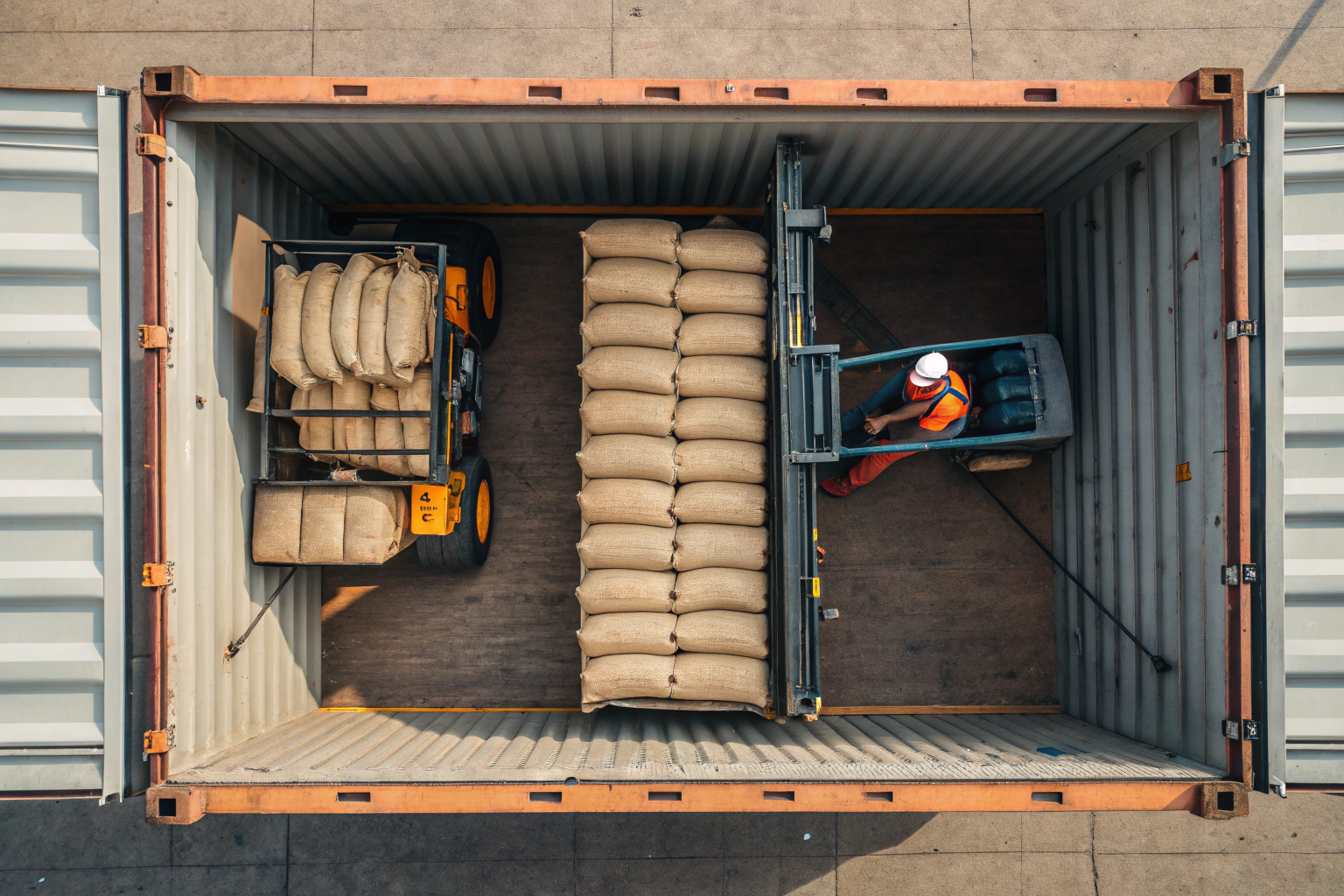
You've secured a great price on premium Yunnan Arabica. The contract is signed. Now, you're staring at the logistics quote and wondering: how can I fit more beans into every container to bring down my per-unit shipping cost? This isn't just about squeezing in a few extra bags—it's a direct lever on your profitability and competitive edge.
Maximizing container space for coffee shipments hinges on three actionable strategies: optimizing the bag type and pallet configuration, utilizing the container's cubic volume to its legal weight limit, and consolidating shipments with a knowledgeable supplier. This is a precise balancing act between volume and weight, directly impacting your Cost, Insurance, and Freight (CIF) calculations. For buyers like Ron, who prioritize both price and timeliness, mastering this can be a game-changer.
From our export dock in Yunnan, we've loaded thousands of containers bound for North America and Europe. We see the waste—the empty air shipped at full price. Let's change that. Here’s how to pack smarter, not harder.
What Is the Most Space-Efficient Coffee Bag and Pallet Configuration?
It starts with your unit load. The choice between jute bags, woven polypropylene (PP) bags, or big bags, and how you stack them on a pallet, dictates your foundation. Get this wrong, and you lose space before the container door even closes.
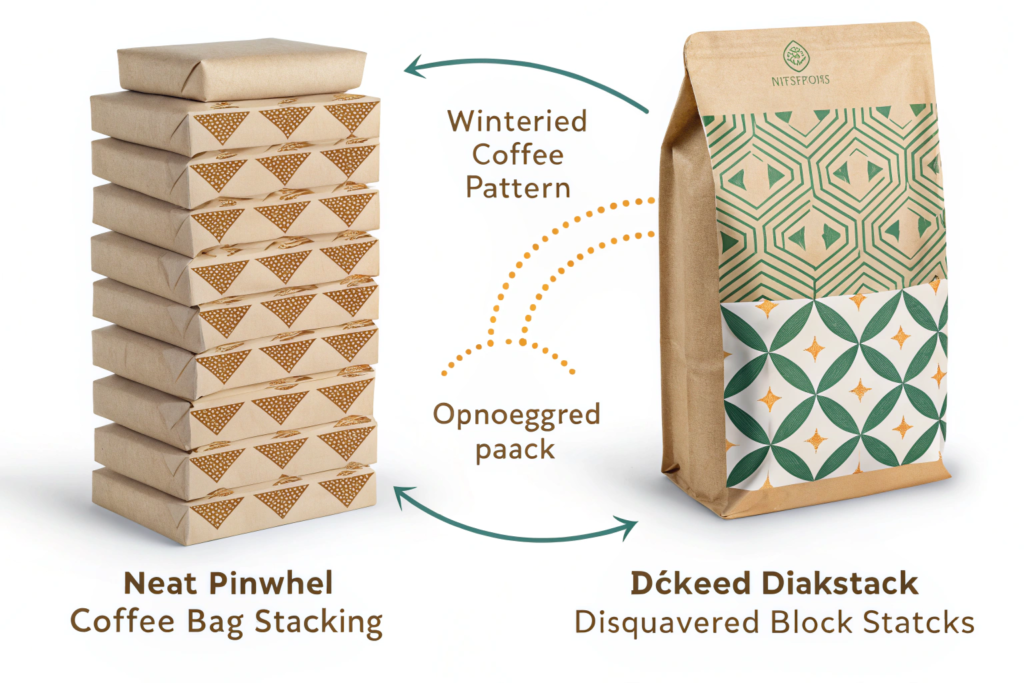
For standard 20-foot and 40-foot containers, using 25kg or 30kg bags stacked in a pinwheel pattern on EUR-pallets (800x1200mm) or standard pallets (1000x1200mm) typically yields the highest space utilization. This configuration minimizes gaps between bags and creates a stable, uniform block that fits the container's width like a puzzle piece. It's a simple change with a massive impact.
We learned this through trial and error. Early on, we used random stacking of 60kg jute bags. The gaps were huge, and the load was unstable. Switching to a disciplined, palletized system with 25kg bags increased our load count by over 10% per container. That's 10% more profit margin or a 10% stronger price offer to you, the buyer.
How Does Bag Size and Material Affect Stacking?
Not all bags are created equal. A traditional 60kg jute bag is bulky and irregular. It doesn't compress well, leaving air pockets. A 25kg high-density PP bag has a more consistent shape and can be packed tighter. Even more efficient are Flexible Intermediate Bulk Containers (FIBCs) or "big bags", holding 500-1000kg. One big bag replaces 20-40 small bags, eliminating the gaps between individual sacks entirely. However, they require special handling equipment. The key is to discuss this with your supplier before production. At Shanghai Fumao, we can pack in the format that optimizes your specific logistics chain—whether that's palletized 25kg bags for easy warehouse handling or big bags for pure volumetric efficiency.
What Pallet Pattern Maximizes Floor Space?
The pattern is everything. The standard "block stack" (bags aligned in rows) often leaves wasted space against the container walls. The "pinwheel" pattern is superior. Here's how it works: bags on one layer are rotated 90 degrees relative to the layer below. This interlocks the stack, improving stability and allowing bags to fill the container width more completely. For a 20ft container's internal width of ~2.35m, you can typically fit 10 bags widthwise using 1000x1200mm pallets (2 bags per pallet width). This precise calculation, often managed by your supplier's loading team, turns wasted centimeters into shipped kilograms. A reliable partner won't just throw bags in; they'll have a calculated loading plan.
How to Balance Weight Limits and Cubic Volume?
This is the core puzzle of container shipping: which limit will you hit first—the maximum weight or the maximum cubic space? For coffee, a relatively low-density product, it's almost always the volume. But "almost" isn't good enough for cost control.
The goal is to "cube out" the container (fill all space) precisely as you "weigh out" (reach the legal gross weight limit). For a 20ft container (~33 cubic meters), this equilibrium point for green coffee is critical. Green coffee beans have a density of about 600-700 kg/cbm. A 20ft container can hold roughly 21-22 metric tons gross weight. Simple math shows you'll fill the space before you hit the weight limit. But if you pack inefficiently, you ship even less weight, paying to ship air.
We once audited a competitor's claim of "20 tons per container." Their loose packing meant they were only loading 17 tons—shipping 15% air. Our optimized system consistently achieves 20-21 tons of net coffee weight in a 20ft container. That extra 3-4 tons is pure savings for our clients.
What Are the Exact Dimensions and Limits of Standard Containers?
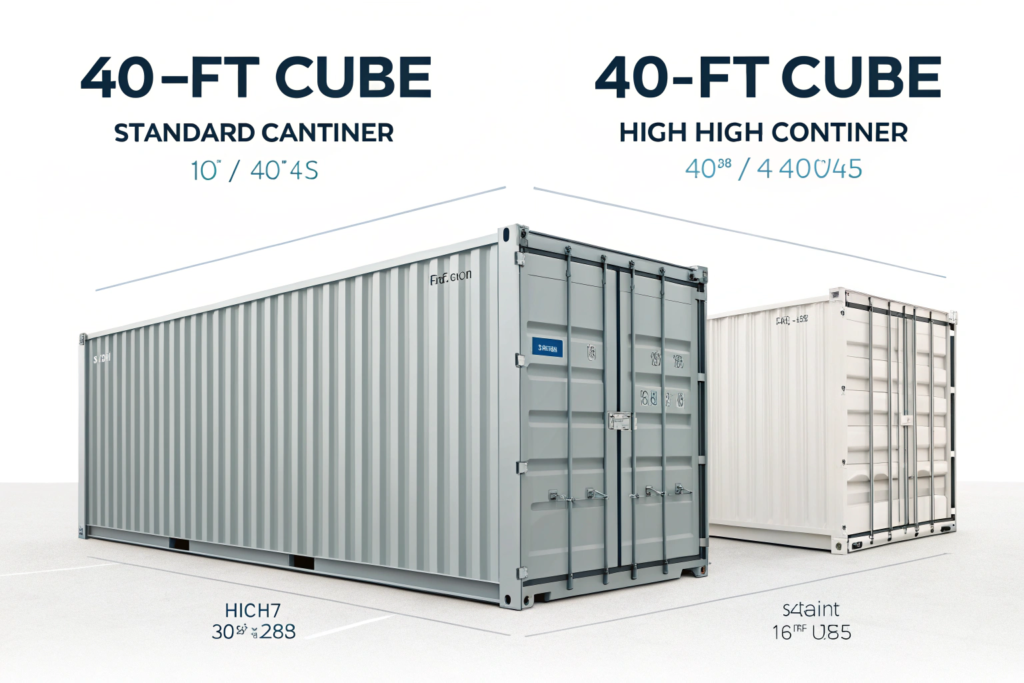
You need the numbers to make smart decisions. Here’s a quick reference table:
| Container Type | Internal Length | Internal Width | Internal Height | Max. Gross Weight | Approx. Coffee Weight (Optimized) |
|---|---|---|---|---|---|
| 20ft Dry | 5.9m | 2.35m | 2.39m | 24,000 kg | 20,000 - 21,000 kg |
| 40ft Dry | 12.03m | 2.35m | 2.39m | 26,500 kg | 21,500 - 22,500 kg |
| 40ft High Cube | 12.03m | 2.35m | 2.70m | 26,500 kg | 24,000 - 25,000 kg |
Notice the 40ft High Cube (HC). That extra foot of height is a game-changer for low-density goods like coffee. It adds about 8-9 cubic meters of space, allowing you to load significantly more weight before cubing out. For shipments to the U.S. West Coast, where weight limits are strict, the HC container is often the most cost-effective choice per kilogram.
How Does Moisture Content Impact Shipping Weight?
This is a subtle but real factor. The ISO standard for green coffee moisture is 8-12.5%. Beans at 12% moisture are literally heavier than beans at 8% because of the water weight. While you're paying for coffee, not water, a supplier shipping at the high end of the spectrum is adding non-coffee weight that consumes your weight limit. It can also risk mold. A professional supplier like Shanghai Fumao will ensure beans are stabilized at an optimal 10-11% moisture. This protects quality and ensures you are shipping maximum coffee solids, not water, within your container's weight allowance.
Can Shipment Consolidation with a Supplier Save Space and Cost?
You need Catimor for one blend and Arabica for another. Do you ship two half-full containers or wait and combine? For large buyers and distributors, this is a strategic decision impacting cash flow and warehouse space.
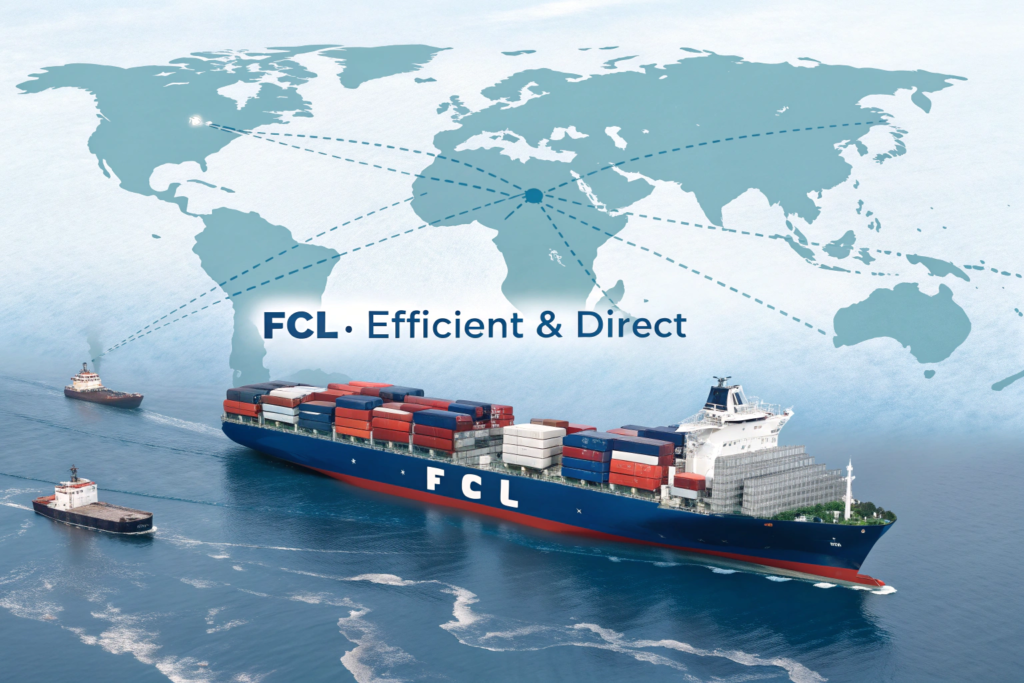
Yes, consolidating multiple SKUs or orders into a single Full Container Load (FCL) is one of the most effective ways to maximize space and minimize cost per unit, compared to multiple Less than Container Load (LCL) shipments. LCL means your coffee shares space with other shippers' goods, leading to higher handling fees, increased risk of damage or contamination, and much longer transit times. FCL is direct, faster, and more secure.
Think of it like this: ordering a dedicated taxi (FCL) versus a shared bus with multiple stops (LCL). For coffee, the "taxi" is almost always cheaper and safer per bag if you can fill it. Our role as a supplier with large plantation volume is to help you get to that FCL threshold.
How Does a Supplier Help with Order Planning for Consolidation?
A proactive supplier acts as your logistics partner. For instance, if you need 12 tons of Arabica now but will need 8 tons of Robusta in 60 days, we might advise a slight production schedule shift to mill and ship both together in a single 40ft HC container. This requires trust and forecasting. We can hold inventory for you in our warehouse for a short period to enable this consolidation. This approach directly addresses pain points like "inefficient pricing" and "timeliness" by reducing the number of shipments you need to manage and the associated fixed costs per shipment (documentation, customs clearance, port fees).
What Are the Hidden Benefits of FCL Beyond Space?
The benefits are tangible. Security: Your container is sealed at our origin warehouse and only opened at your destination. Quality Control: Reduced handling means less risk of bag tears or moisture exposure. Predictability: FCL bookings get more reliable sailing schedules and fewer delays than LCL, which must wait to be consolidated at a depot. For a U.S. importer concerned about tariff costs and clear timelines, the control offered by FCL is invaluable. It simplifies the supply chain, making it safer and more reliable. When you work with a supplier who understands this, like us at Shanghai Fumao, you're not just buying beans; you're buying a streamlined logistics solution.
What Loading Techniques and Documentation Ensure Maximum Space?
The final step is execution. Perfect planning fails with sloppy loading. How do you ensure the load plan on paper becomes reality in the metal box?
Professional loading techniques, supervised by experienced foremen, combined with precise documentation like a detailed packing list and container load plan, lock in the space savings and prevent claims. This is where theory meets the warehouse floor. It's about discipline and verification.
We have a strict protocol. The loading foreman has a diagram. Each pallet is numbered and its position logged. Bags are inspected for leaks before loading to avoid spoilage that could ruin an entire container. This meticulousness is what makes us a stable and trustworthy partner.
What Professional Loading Techniques Prevent Space Loss?
Two key techniques: "Top Loading" and "Dunnage" use. Top loading means filling every possible cubic inch up to the doors, sometimes using loose bags to fill the "crown" space above the palletized blocks. Dunnage (airbags, inflatable bags, or braces) is then used to secure the load and prevent shifting during transit. A shifting load is dangerous and can also settle, creating new empty space at the top. Proper dunnage keeps the load tight against the ceiling and walls for the entire voyage. It's a small cost for major protection and space preservation.
Why Is a Container Load Plan a Critical Document?
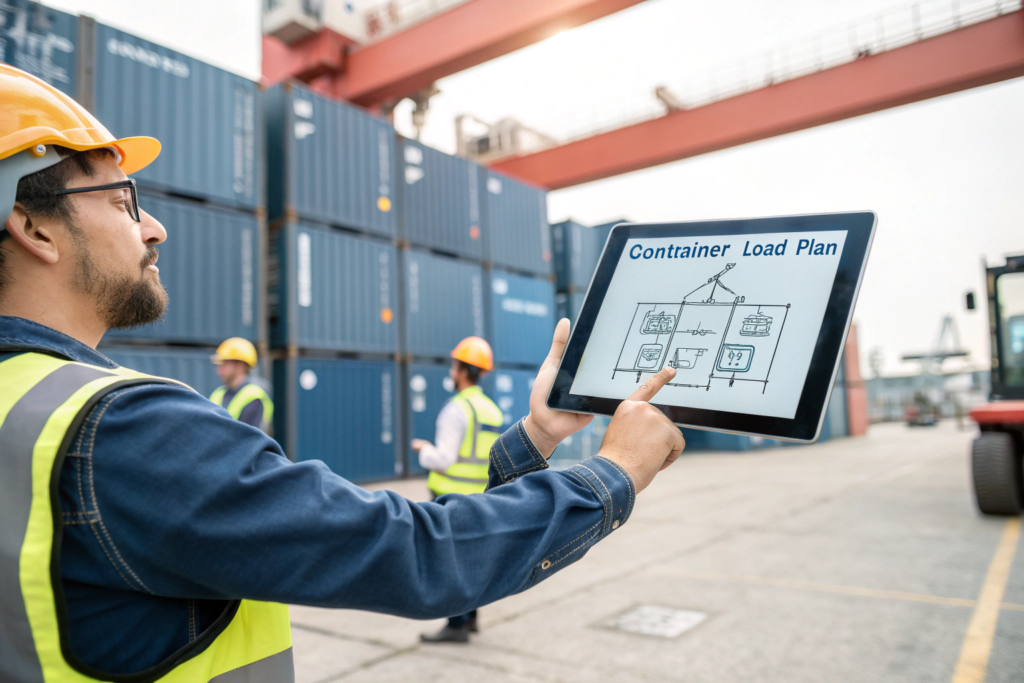
This document is your proof and your guide. A proper load plan is a diagram showing the position of every pallet or big bag inside the container. It includes the gross weight, net weight, and lot numbers for each position. Why does this matter for space? It forces the loader to follow the optimized plan. It also allows you, the buyer, to verify the configuration and is essential for customs declaration. In case of an insurance claim for damage, it proves the load was packed correctly and securely. We provide this as standard with every FCL shipment. It turns the hidden process inside the container into a transparent, accountable procedure. This level of detail is what separates a bulk commodity shipper from a professional green coffee exporter.
Conclusion
Maximizing container space for coffee shipments is a direct path to reducing landed cost and increasing supply chain reliability. It's achieved by optimizing the primary unit load (bags and pallets), strategically selecting containers to balance volume and weight, consolidating orders into FCL shipments, and enforcing professional loading and documentation standards.
The savings aren't theoretical—they are measurable in extra tons shipped per container and fewer logistical headaches. For a price and timeliness-focused buyer, partnering with a supplier who masters these details is a critical competitive advantage.
Ready to ship more coffee and less air? Our logistics team specializes in designing cost-optimal shipment plans for clients in North America, Europe, and Australia. To get a customized loading plan and quote that maximizes your container efficiency, contact our Sales Director, Cathy Cai. She will connect you with our experts. Email Cathy at cathy@beanofcoffee.com. Let's fill your containers wisely.