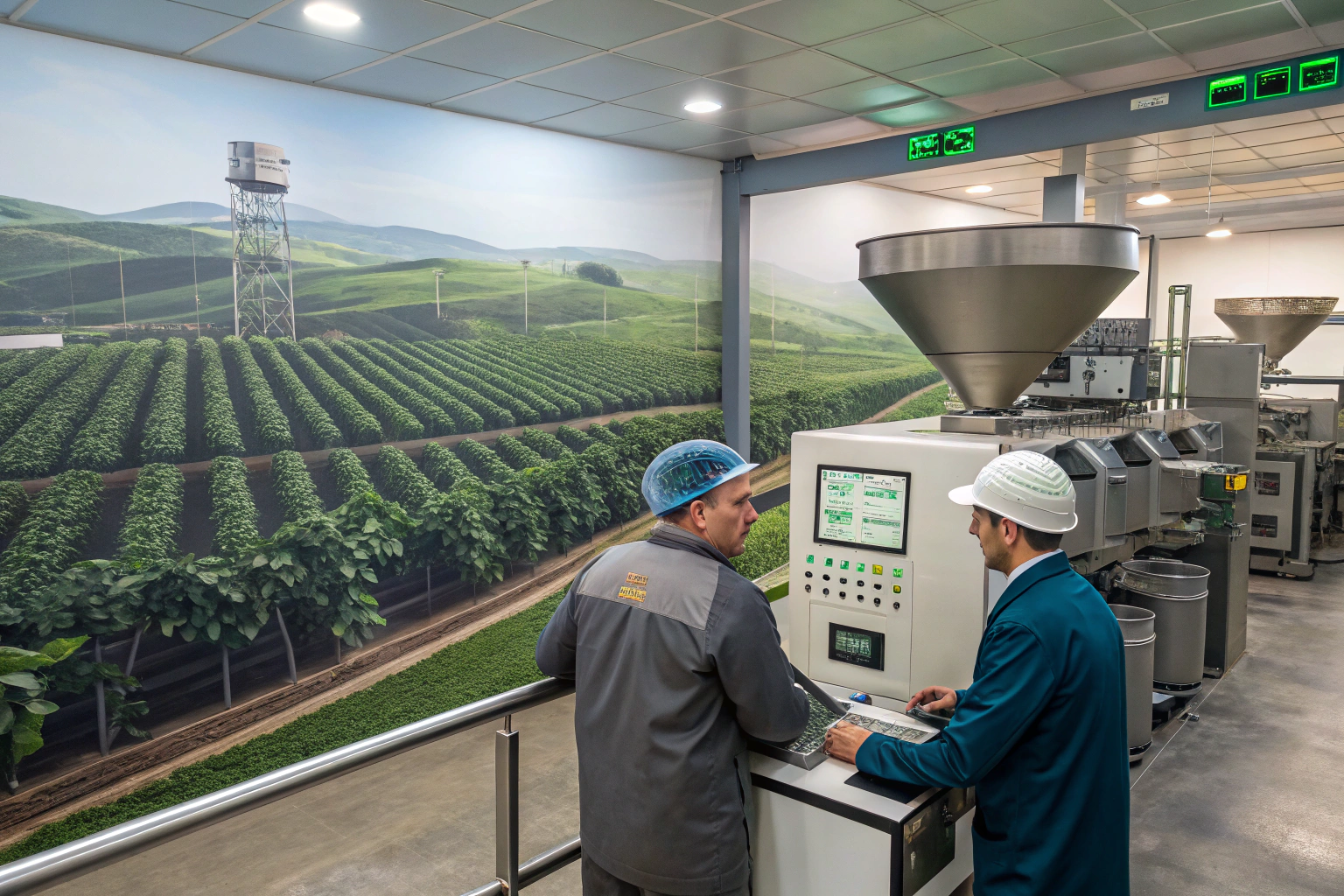
The quest for higher productivity, better quality, and greater profit in coffee production is a constant challenge. For farmers and processing mill owners alike, inefficiencies can quietly eat into margins, whether through wasted labor, inconsistent quality, or high energy costs. The pressure to produce more with less, while meeting rising quality standards, can feel overwhelming.
Maximizing efficiency in coffee production is achieved by integrating modern technology into processing, adopting data-driven agricultural practices, and optimizing energy use, particularly in roasting. This holistic approach, moving from intuitive to precise management, directly impacts yield, cost, and final cup quality.
Gone are the days when efficiency was just about working harder. Now, it's about working smarter at every stage—from the tree to the roasted bean. Let's break down the key strategies that are reshaping efficient coffee production today.
How Can Modern Processing Technology Reduce Waste and Labor?
The initial processing stage—where coffee cherries are transformed into green beans—is ripe for efficiency gains. Traditional methods are often labor-intensive, inconsistent, and can lead to significant quality loss.
The core of modern processing efficiency is automation and precision control. Introducing automated machinery for pulping, grading, and sorting drastically cuts manual labor and human error. For example, some modern dry bean hullers and fresh fruit grading machines can increase processing efficiency by up to 300% while reducing labor costs by 60%. This isn't just about speed; it's about consistency. Uniform processing leads to more even drying and fermentation, which is the foundation of quality.

What Role Does Automated Sorting Play in Quality Control?
Manual sorting is slow and notoriously inconsistent, with human error rates sometimes exceeding 15-20%. This is where machine vision systems revolutionize efficiency. These systems use high-resolution cameras and artificial intelligence to inspect beans at incredible speeds. They can identify and remove defective beans—those with color flaws, insect damage, or imperfections—with an accuracy rate now surpassing 99% in some advanced installations. By automating this critical quality gate, producers ensure only the best beans move forward, reducing the risk of a single bad bean compromising an entire batch. This directly translates to higher quality scores, fewer customer rejections, and less product waste.
How Does Controlled Fermentation Improve Process Efficiency?
Fermentation is a crucial step, especially in washed coffees, but traditional methods are hard to control. Uncontrolled fermentation can lead to off-flavors or uneven results, wasting days of work. The shift is toward controlled fermentation tanks. These sealed tanks allow producers to manage key variables like temperature, time, and microbial activity. Research from the International Food Research Journal has detailed how controlling these factors influences the final sensory profile of the coffee. By standardizing this process, producers achieve much greater consistency from batch to batch. They also reduce the risk of over-fermentation, which can ruin beans, and can potentially shorten the total processing time, getting beans to the drying stage faster and more predictably.
What Agricultural and Management Practices Boost On-Farm Efficiency?
Efficiency starts long before processing, right at the farm level. Technical efficiency studies, which measure how well a farm uses its inputs to produce outputs, show there's often significant room for improvement even before investing in high-tech solutions.
Research indicates that socio-economic factors like farmer education, land area, and access to agricultural extension services are key determinants of technical efficiency. This means knowledge and effective farm management are as important as the resources themselves. A study published in the Journal of Agribusiness in Developing and Emerging Economies on coffee farmers found that with better practices, many could produce the same output with fewer inputs. A well-managed farm is the first and most critical link in an efficient supply chain.
How Does Farmer Education and Training Impact Yield?
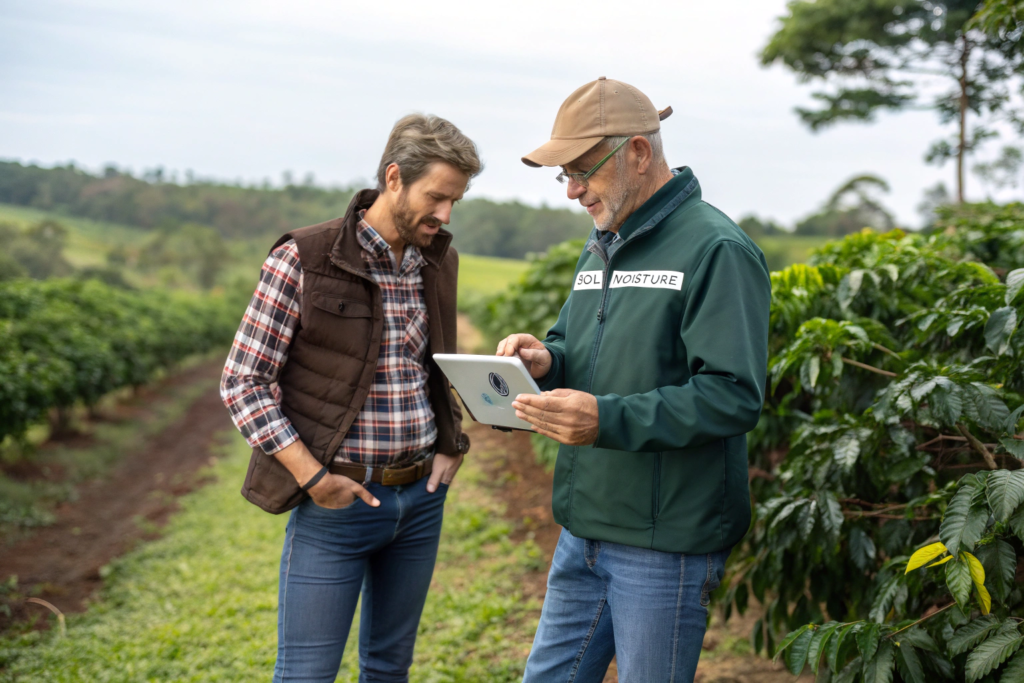
This is a fundamental leverage point. Farmers with better access to training and knowledge are consistently more efficient. Education empowers them to implement best practices in pruning, soil nutrition, integrated pest management, and selective harvesting. For instance, knowing the exact right time to harvest—picking only fully ripe cherries—can dramatically improve the quality and uniformity of the batch entering processing. Training in proper post-harvest handling can prevent spoilage and preserve bean integrity. Investing in farmer education, often through strong extension services, builds a more resilient and productive supply chain from the ground up.
Can Precision Agriculture Techniques Be Applied to Coffee Farming?
Absolutely. While common in large-scale grain farming, precision agriculture is finding its way into coffee. This involves using data to make informed decisions. Simple tools like soil moisture sensors can optimize irrigation, saving water and energy. Mapping tools can help in planning fertilizer application, ensuring nutrients go where they are needed most, reducing waste and cost. The Specialty Coffee Association (SCA) provides resources and research on sustainable farm management practices that include these technologies. By treating the farm not as a single unit but as a collection of smaller zones with different needs, farmers can allocate resources more efficiently, boosting yield per hectare without proportionally increasing input costs.
Why Is Roasting a Critical Focus for Energy and Economic Efficiency?
Roasting is the most energy-intensive stage in coffee production. The choice of roasting technology and profile doesn't just affect flavor; it has a massive impact on operational costs and profitability.
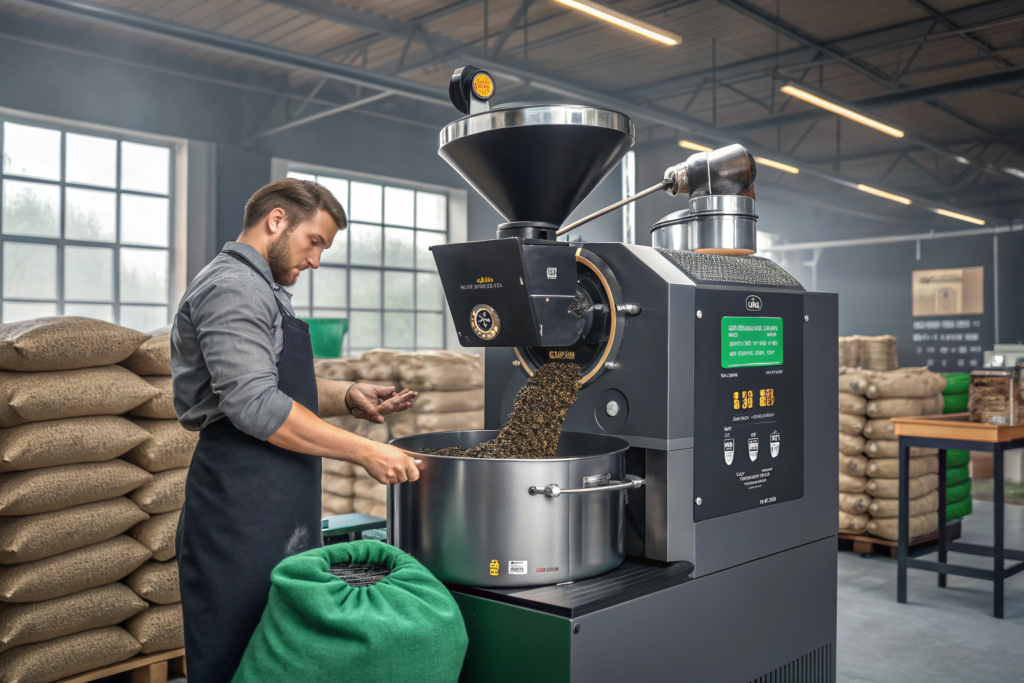
Recent studies provide a clear directive: fast roasting methods are generally more energy-efficient and profitable than slow roasting. While fast roasting consumes more fuel per second, it reaches the target roast level in a much shorter total time. For light and medium roast levels, fast roasting has been identified as the most energy-efficient condition. This reduction in roasting time directly lowers energy bills and increases the throughput capacity of the roasting facility.
What Are the Direct Economic Benefits of Optimized Roasting?
The economic analysis is compelling. Fast roasting techniques yield higher profits due to a combination of factors: higher throughput (more kilograms roasted per day), lower total energy consumption, and better bean yield (less mass loss during roasting). Research concludes that the light roast level achieved through fast techniques generates the highest revenue, followed by medium and dark levels. By simply optimizing roast profiles and equipment for speed where appropriate, a roasting business can significantly improve its bottom line without necessarily investing in new machinery. It's a process efficiency gain with immediate financial returns.
How Does Roasting Technology Impact Consistency and Quality?
Modern roasting machines go beyond just heating beans. Advanced roasters, like those using fluidized bed technology or equipped with precise PID temperature control systems, offer unparalleled consistency. They can maintain a target temperature within a very tight range (e.g., ±2°C), ensuring that every batch develops the same flavor profile. This uniformity is critical for brand integrity, especially for large buyers like Shanghai Fumao who require stable, reliable quality in every shipment. Consistent roasting minimizes product giveaway and customer complaints, which is a major efficiency gain in terms of quality control and brand management.
Why Is Vertical Integration the Ultimate Efficiency?
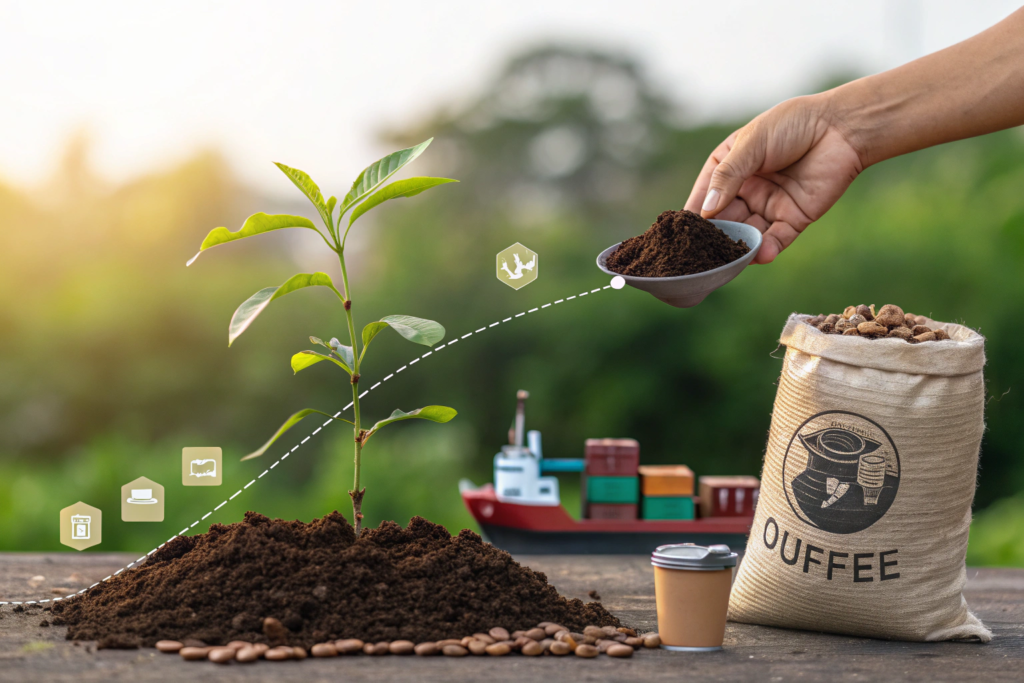
We've talked about efficiency within each stage, but the ultimate efficiency comes from controlling all the stages. When a producer not only grows the coffee but also processes, mills, grades, bags, and exports it, they eliminate intermediaries and gain complete control over quality and cost. This is known as vertical integration.
Vertical integration is the most powerful strategy for maximizing efficiency because it consolidates the entire supply chain, from seed to export, under a single management. This eliminates transaction costs between different companies, reduces logistical delays, and allows for end-to-end quality control, resulting in a more reliable, consistent, and cost-effective product for the final buyer.
This is our model. By owning the plantations, the processing mills, and the export company, we control our own destiny. We don't have to rely on a third-party mill that might delay our processing or an independent exporter who adds their own margin. This direct-from-farm model means we can trace every single bean back to the plot it was grown on. For you, the buyer, it means unparalleled transparency, accountability, and a direct line to the source.
How does vertical integration reduce costs?
Every time coffee changes hands in the supply chain—from farmer to co-op, to miller, to exporter—a margin is added. By controlling all these steps, we eliminate those stacked margins. We also save on transportation costs and reduce delays by coordinating logistics seamlessly between our own facilities. These savings are passed directly on to you, allowing us to offer premium coffee at a more competitive price.
How does it improve quality and reliability?
With end-to-end control, we can enforce our strict quality standards at every single step. We are not just hoping the miller did a good job; we are ensuring it because it's our mill. This control makes our supply chain incredibly resilient. If there's a problem, we can identify and fix it immediately. This vertical integration provides a level of reliability and consistency that is simply impossible to achieve in a fragmented supply chain.
Conclusion
Maximizing efficiency in coffee production is no longer a single-step fix but a continuous, integrated strategy. It begins with knowledgeable farming and precise resource management, accelerates with automated and controlled processing technologies, and culminates in energy-optimized roasting. Each stage interlocks, where gains in one area support the next.
Ultimately, the goal is to create a resilient system that produces superior coffee consistently, with less waste and lower cost. This is the foundation for sustainable profitability in a competitive global market. For importers and roasters, partnering with producers who embrace these efficiency principles means securing a supply chain that is not only high-quality but also reliable, cost-effective, and built for the future.
If you are looking to source coffee from a partner committed to modern, efficient production from farm to export, we invite you to connect with us. At BeanofCoffee, with our vertically integrated operations in Yunnan, we implement these very principles to ensure our clients receive premium, consistent, and competitively priced Arabica, Robusta, and Catimor beans. To discuss your specific needs and explore how we can make your supply chain more efficient, please contact our Sales Director, Cathy Cai, at cathy@beanofcoffee.com.