
You've found a coffee supplier you like. The quality is good, but the price makes your margin disappear. You know you need a better deal, but the thought of negotiation feels uncomfortable. What if they say no? What if you damage the relationship? This fear costs businesses thousands of dollars every year.
Negotiating better prices with coffee suppliers is not about demanding a discount. It's about building a partnership where both sides win. The key levers are order volume, payment terms, relationship longevity, and understanding the supplier's cost structure. Success comes from preparation, not pressure.
So, how do you move from a price-taker to a valued partner? It starts with changing your mindset from a single transaction to a long-term business relationship. Let's break down the practical strategies that work.
How Can You Prepare for a Successful Negotiation?
Walking into a negotiation unprepared is the fastest way to get a "no." Your preparation is what gives you confidence and leverage. It shows the supplier you're serious and professional.
Effective preparation involves researching market prices, knowing your volume and growth potential, understanding the supplier's perspective, and having clear alternatives. This groundwork turns a conversation about price into a conversation about value.
What Market Intelligence Do You Need?
Before you talk price, know the landscape. What is the current "C" market price for Arabica? What are typical differentials for the origin you're buying? Use resources like the International Coffee Organization for benchmark data. If you can demonstrate that your requested price is aligned with the broader market, not just a random ask, you have a much stronger position. This knowledge is fundamental to informed purchasing.
Why Should You Quantify Your Business Value?
Suppliers discount for volume and reliability. Don't just ask for a lower price—present the value you bring. Calculate your Annual Purchase Volume (APV). Show your growth trajectory. If you're a new business, project your future volume. A supplier is far more likely to invest in a lower margin today for a predictable, growing partner tomorrow. This shifts the discussion from cost to shared growth.

What Are the Most Effective Negotiation Levers to Pull?
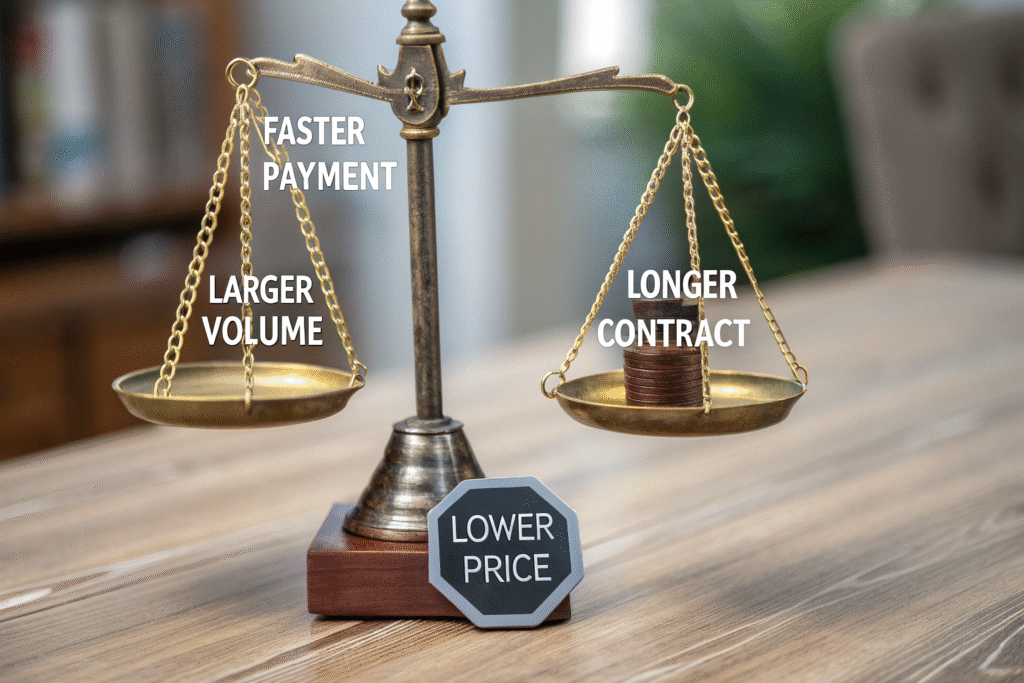
Price is just one variable. Focusing solely on the FOB cost per pound can stall negotiations. Smart buyers negotiate the entire package, using levers that are often more valuable to the supplier than a simple price cut.
The most powerful levers are flexible payment terms, committed volume, longer contract length, and simplifying the supplier's work. These levers can reduce the supplier's cost and risk, making them more willing to adjust the price.
How Do Payment Terms Create Win-Win Scenarios?
This is a huge one. Paying faster is often worth a discount. If a standard term is 30% deposit with balance against Bill of Lading, offering to pay 50% upfront or even 100% by Letter of Credit at sight can be very attractive. This improves the supplier's cash flow and reduces their financial risk. The discount they give you can be less costly for them than the financing cost of waiting for your payment. This is a classic financial trade-off.
Can Order Consistency and Simplicity Save Money?
Absolutely. Can you commit to a fixed volume per month? Can you order full container loads (FCL) instead of mixed loads (LCL)? Can you stick to a few standard specs instead of constant customizations? Every time you change an order or cause extra work, it costs the supplier money. By being a predictable, low-maintenance client, you reduce their operational costs. This makes you a customer worth keeping—even at a lower margin. This is the value of operational efficiency.
How Does Building a Relationship Lead to Better Prices?
The best negotiations don't feel like negotiations. They feel like two partners solving a problem together. A strong relationship builds trust, which is the currency that gets you better deals over the long term.
A genuine supplier relationship means transparent communication, fair treatment, and showing loyalty. Suppliers prioritize reliable, respectful partners when allocating limited stock or offering first-right-of-refusal on special lots.
Why is Visiting the Origin a Powerful Investment?
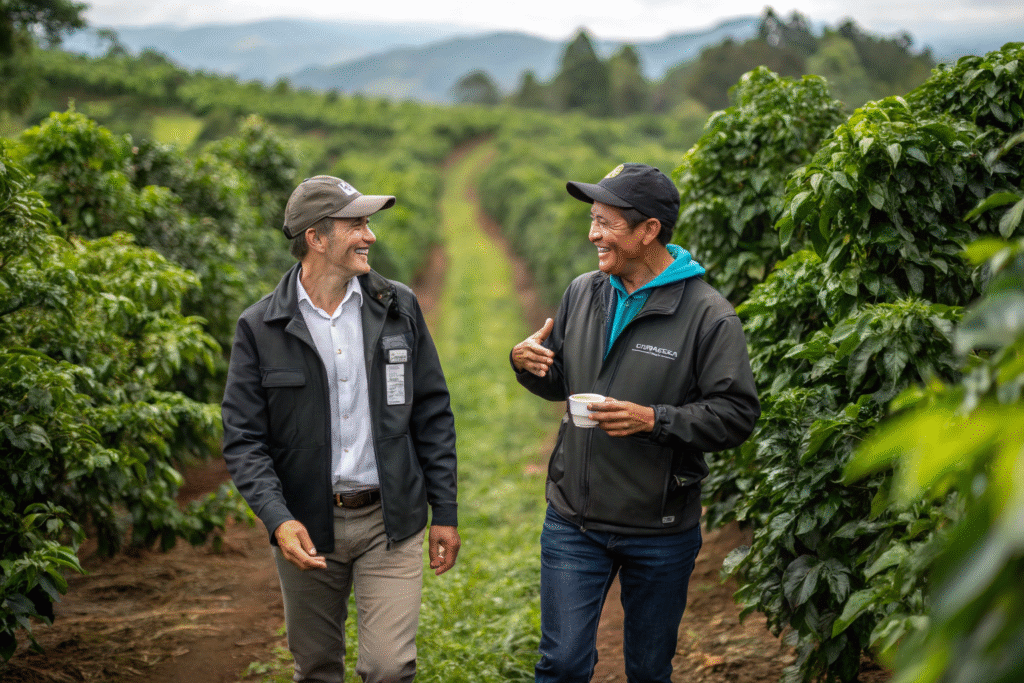
If you can, visit the farm. This single act does more for your negotiating power than a hundred emails. You show that you care about the source. You understand their challenges firsthand. You build personal connections. We at BeanofCoffee always encourage our partners to visit our Yunnan farms. This shared experience creates a bond that transcends a simple buyer-seller dynamic. It's the ultimate expression of commitment to partnership.
How Does Clear Communication Build Trust?
Be honest about your needs and constraints. If you have a strict target price, explain why—maybe it's for a specific competitive product. If there's a quality issue, provide clear, constructive feedback. Suppliers respect buyers who communicate fairly and don't make unreasonable demands. This trust means they'll be more open when you need flexibility. This is the foundation of supply chain resilience.
What Common Mistakes Should You Avoid?
Even with the best intentions, certain behaviors can sabotage your negotiations. Knowing these pitfalls helps you stay on track and maintain a positive, productive relationship with your supplier.
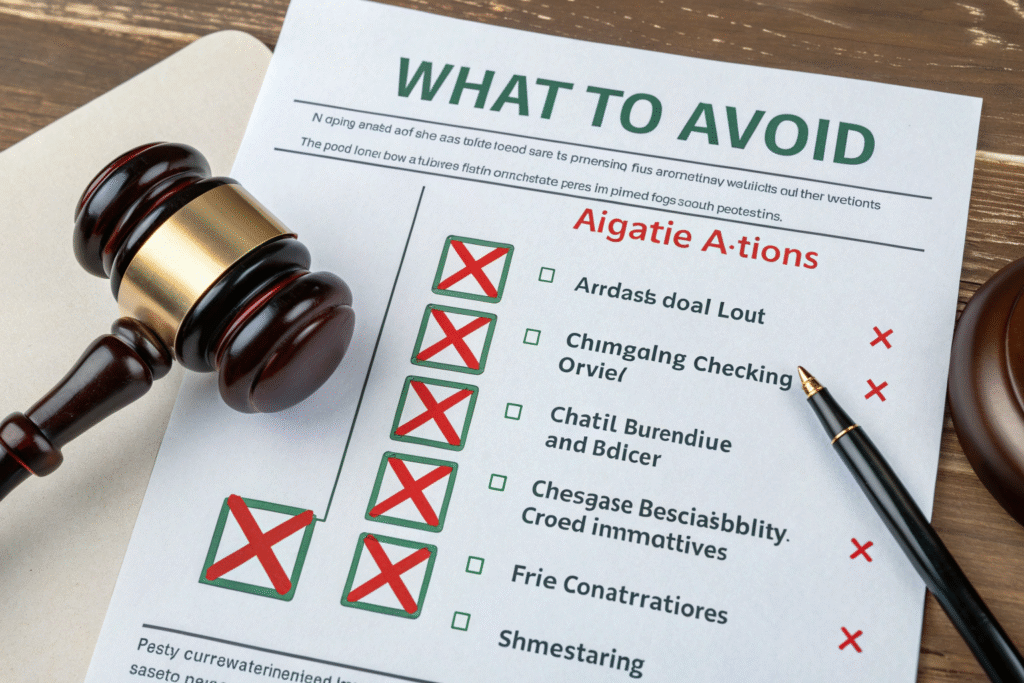
Common mistakes include using ultimatums, focusing only on price, being unpredictable, and disrespecting the supplier's expertise. These actions create friction and make the supplier defensive.
Why is "Take It or Leave It" a Bad Strategy?
Ultimatums burn bridges. Even if you get a one-time discount, the supplier will be less motivated to prioritize you in the future. The coffee world is small, and reputations matter. A collaborative approach—"This is my target, what can we do to get there?"—is far more effective. It invites problem-solving instead of creating conflict. This is a basic principle of effective negotiation.
What Happens When You Ignore Total Cost?
Don't be myopic. A lower FOB price from a less reliable supplier can cost you more in the long run through quality inconsistencies, shipping delays, and communication headaches. Sometimes, paying a slight premium to a top-tier supplier like BeanofCoffee saves money overall through reliability, consistency, and expert support. Always calculate the total cost of ownership, not just the unit price.
Conclusion
Negotiating better coffee prices is a strategic process, not a battle. It's built on preparation, a focus on mutual value, and the cultivation of a genuine partnership. By leveraging terms and volume, building trust through communication, and avoiding common pitfalls, you can secure pricing that supports your business growth while fostering a resilient supply chain.
Remember, the goal is a supplier who is invested in your success. This kind of relationship ensures you get not only good prices but also priority access, flexibility, and invaluable support. If you are ready to build this kind of partnership with a reliable, transparent supplier, we should talk. Contact our export manager, Cathy Cai, at cathy@beanofcoffee.com to start a conversation about how we can create a mutually beneficial agreement for your green coffee needs.